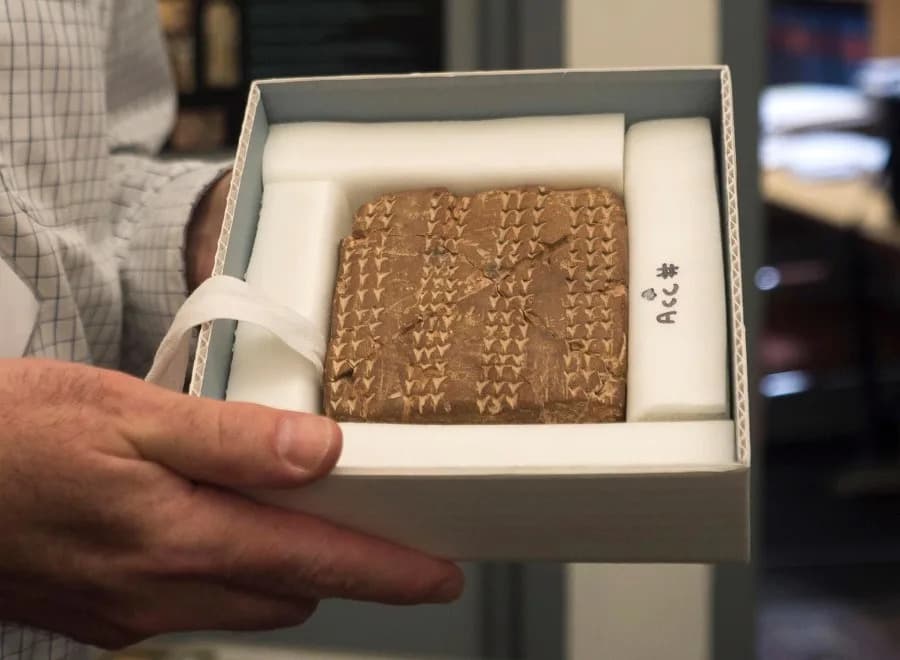
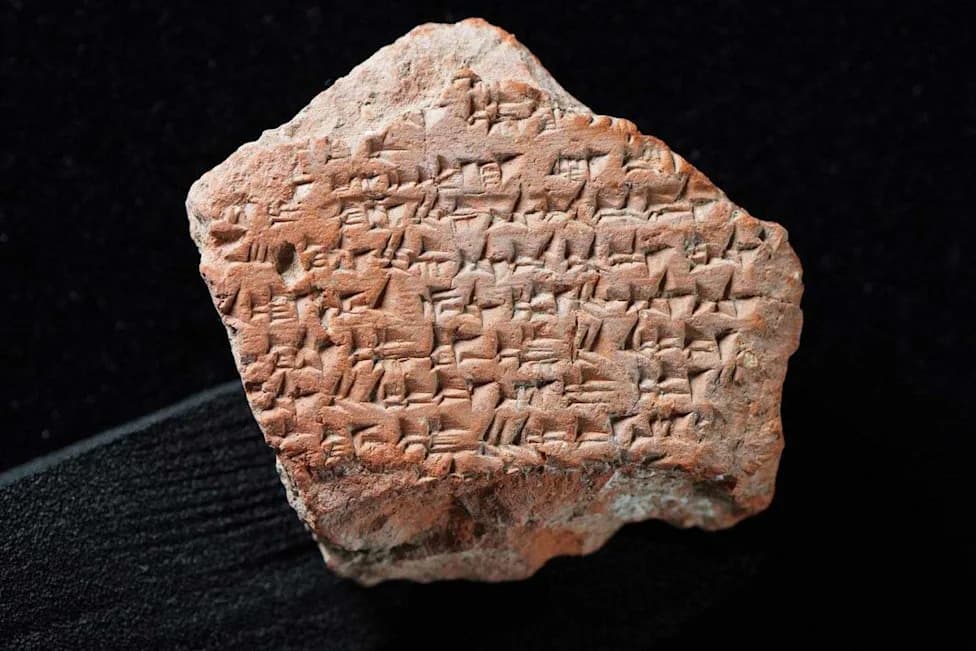
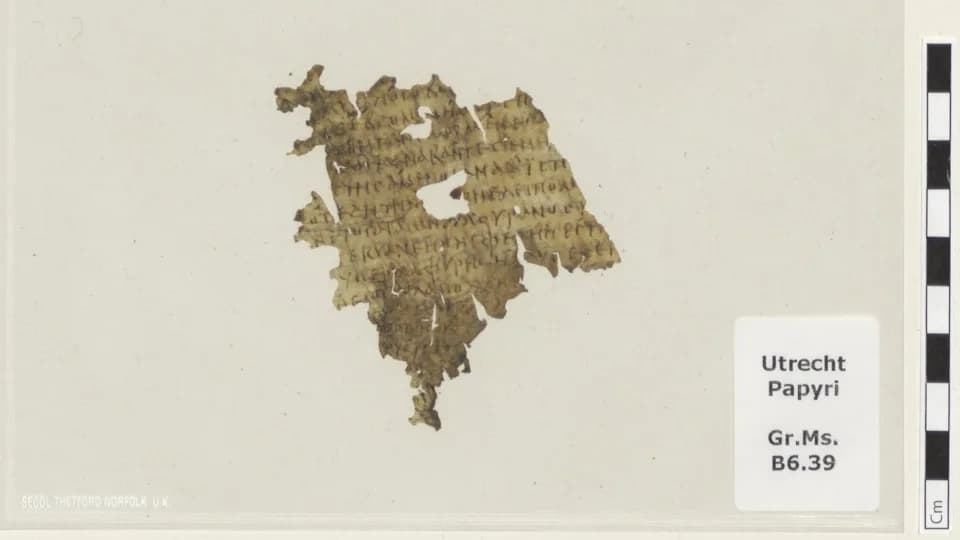
University of Copenhagen researchers are digitizing and decoding a significant cuneiform collection at Denmark’s National Museum, revealing everything from royal rituals to everyday receipts. Nearly 3,000‑year‑old tablets from Hama include medical recipes and an elaborate anti‑witchcraft rite apparently used to protect Assyrian royalty. A newly identified regnal list names both mythical and historical rulers and even mentions Gilgamesh, while other documents record routine administration and commercial transactions.
Ancient Cuneiform Decoded: Royal Spells, A Regnal List With Gilgamesh, And Everyday Receipts
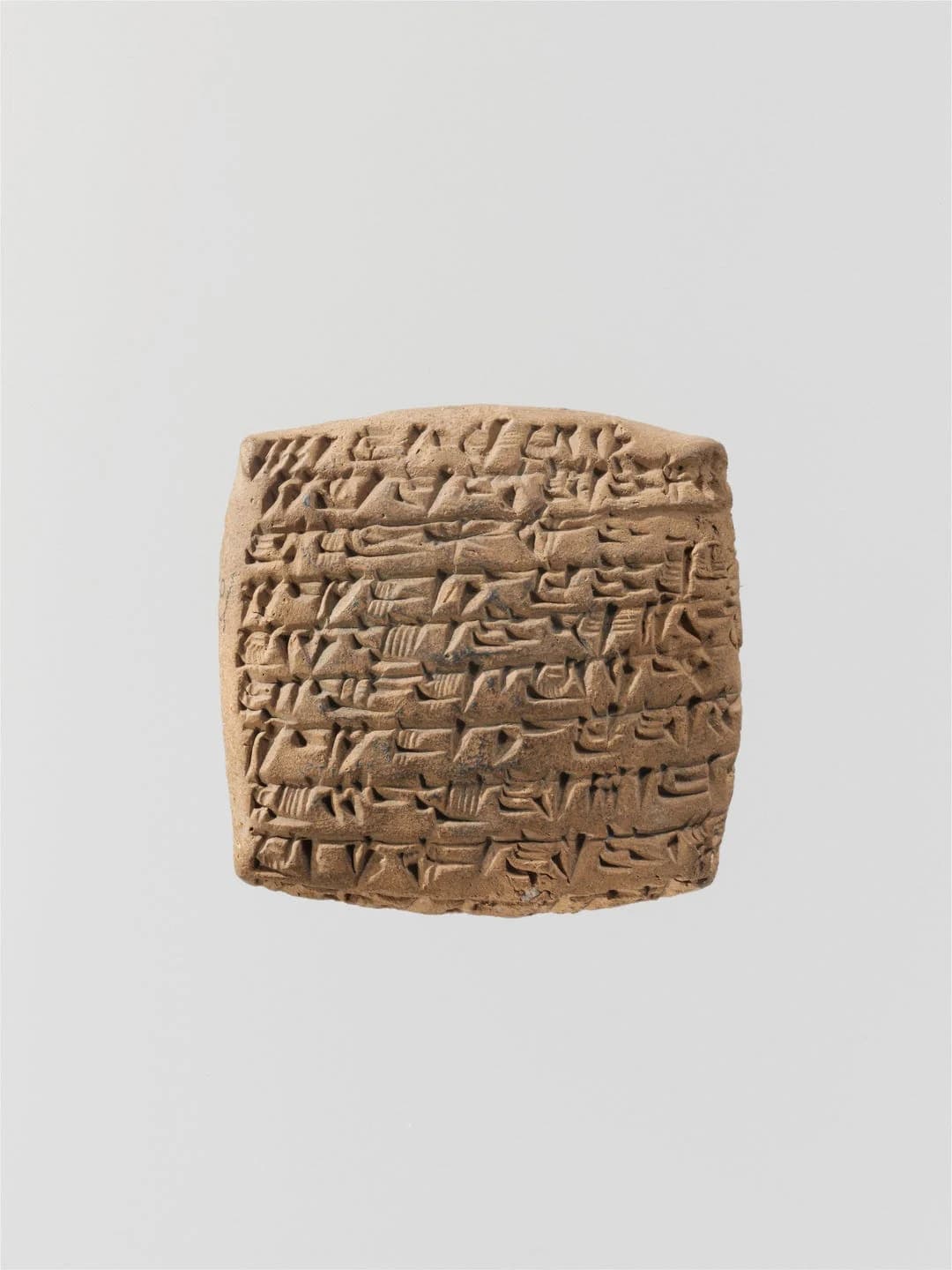
Experts Just Read Some of the Oldest Writing EverSepia Times - Getty Images
Researchers are unlocking a long-hidden trove of cuneiform tablets at Denmark’s National Museum, revealing a striking mix of royal ritual, literary tradition and mundane bureaucracy from the ancient Near East.
Hidden Treasures Project — The University of Copenhagen’s “Hidden Treasures: The National Museum’s Cuneiform Collection” has digitized hundreds of clay tablets that have sat in the museum for more than a century. Many texts were written in languages that are now extinct; researchers are systematically identifying and translating them. Cuneiform—developed roughly 5,000 years ago by pressing reed styluses into wet clay—helped spark the rise of cities, administration and early literature in Mesopotamia.
Hama Tablets: Magic and Medicine — Among the most remarkable finds are nearly 3,000-year-old tablets from Hama (in modern Syria), a city looted by Assyrian forces in 720 B.C.E. These tablets, likely from a temple library, contain medical recipes and magical incantations. One unusually detailed text records an anti-witchcraft ritual apparently intended to protect Assyrian royalty: a night-long rite performed by an exorcist who recited incantations while burning wax and clay figurines.
Regnal List and Gilgamesh — The collection includes a regnal list that mixes mythical and historical rulers and may have served as a school text. It records monarchs back to the end of the third millennium B.C.E. Some tablets of this genre explicitly name the legendary King Gilgamesh, strengthening connections between epic literature and historical royal traditions.
“That makes this regnal list one of the few relics we have that suggest Gilgamesh may have actually existed,” says Assyriologist Troels Pank Arbøll, a participant in the Hidden Treasures project. “We had no idea we had a copy of that list here in Denmark. It is quite spectacular.”
Everyday Administration — The archive is rich with routine administrative and commercial material: correspondence between local officials and imperial authorities, inventories of goods, lists of personnel and transactional records. One particularly humanizing artifact is a tablet that functions as an ancient receipt for beer.
Why It Matters — Together, these texts illuminate the range of written activity in the ancient Near East: from ritual and medical practice to education and day-to-day administration. Digitization makes these fragile objects accessible to scholars worldwide and enables comparative study across regions and periods.
Where Research Goes Next — Ongoing linguistic analysis aims to fully transcribe and translate many of the tablets, clarify their provenance, and place them within broader historical and cultural contexts. The project promises new insights into how ancient societies recorded power, religion and commerce.
Help us improve.