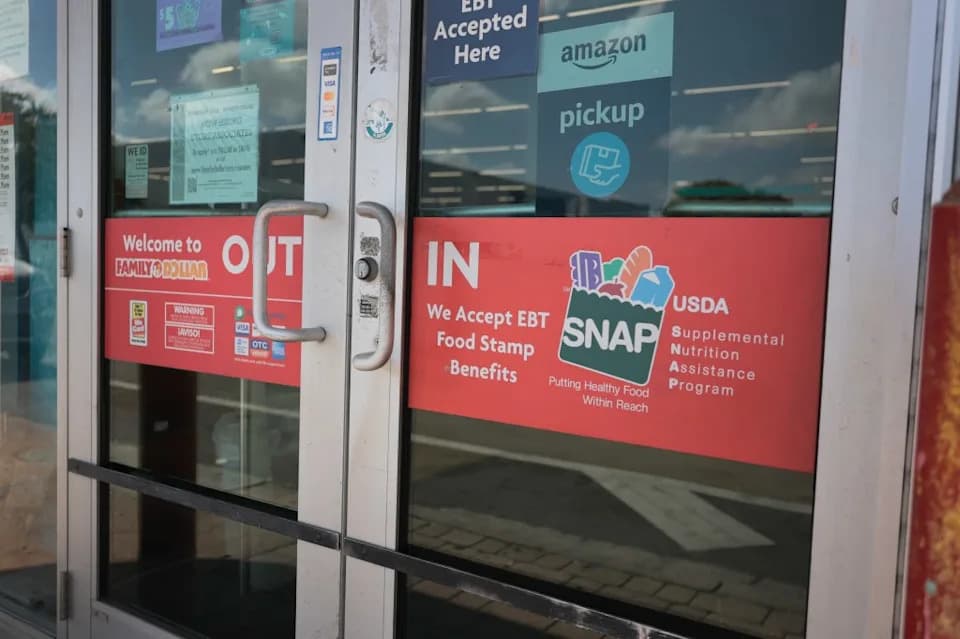
The Trump administration is reviewing a draft regulation that would reduce SSI benefits for disabled adults who live with family by treating a bedroom and family contributions as in-kind support. The change would reverse a Biden-era policy that allowed SNAP eligibility to count as evidence of household poverty and could affect up to 400,000 recipients. Critics say it would increase administrative burdens, destabilize families, and could push some people into costly institutional care.
Proposed Rule Would Slash SSI For Disabled Adults Living With Family — Critics Say It Could Push People Into Institutions

A planned Trump administration regulation will penalize disabled young adults like Shy’tyra Burton, pictured with her father, Rondell, if they live with their parents. - Caroline Gutman for ProPublica
The Trump administration is reviewing a draft regulation that would reduce Supplemental Security Income (SSI) benefits for disabled adults who live with family members by counting the value of their bedroom and household contributions as in-kind support, according to agency officials, internal emails and a federal regulatory posting. Disability advocates, faith leaders and former Social Security officials warn the change could cut benefits for hundreds of thousands and increase both family burdens and long-term public costs.
How the Rule Would Work
Under the proposed change, anyone over 18 living at home without paying full rent would be treated as having a benefactor. The government would calculate a notional value for the recipient’s bedroom and may count family income or assets toward the SSI recipient’s support—potentially recalculating those amounts frequently and deducting them from the monthly SSI payment. For some recipients, that could amount to a reduction of roughly one-third of their monthly check.
A Human Story: Shy’tyra Burton
Shy’tyra Burton, 22, is one person who illustrates why advocates say the rule is dangerous. Born two months premature and diagnosed with multiple developmental and intellectual disabilities, Burton receives $994 a month in SSI after medical reviews and a judge’s hearing. That amount helps pay phone and internet bills and buy food but is not enough for independent living. She lives with her father, Rondell, a Philadelphia sanitation worker earning about $2,000 a month. Under the draft rule, the value of Burton’s bedroom and modest household contributions could be counted against her SSI—potentially cutting her benefit by about $330 a month or eliminating it.
Scope And Potential Impact
ProPublica’s analysis of Social Security actuarial figures suggests the rule change could affect as many as 400,000 poor disabled or elderly people nationwide. The policy would especially target households that also receive SNAP (Supplemental Nutrition Assistance Program) benefits by removing the current practice of recognizing SNAP eligibility as evidence that a household cannot financially support an additional disabled member.
“This is about how the faithful will be judged, and our care for the most vulnerable,” said Galen Carey, vice president for government relations at the National Association of Evangelicals, whose adult son with Down syndrome receives SSI.
Administration Rationale And Pushback
Officials involved in drafting the change include the White House Office of Management and Budget (OMB) and the Department of Government Efficiency (DOGE), which have prioritized reviewing certain Biden-era regulatory changes. Supporters argue the rule would close perceived loopholes and reduce improper payments; critics say it ignores SNAP’s detailed means-testing and would create instability for families already living in deep poverty.
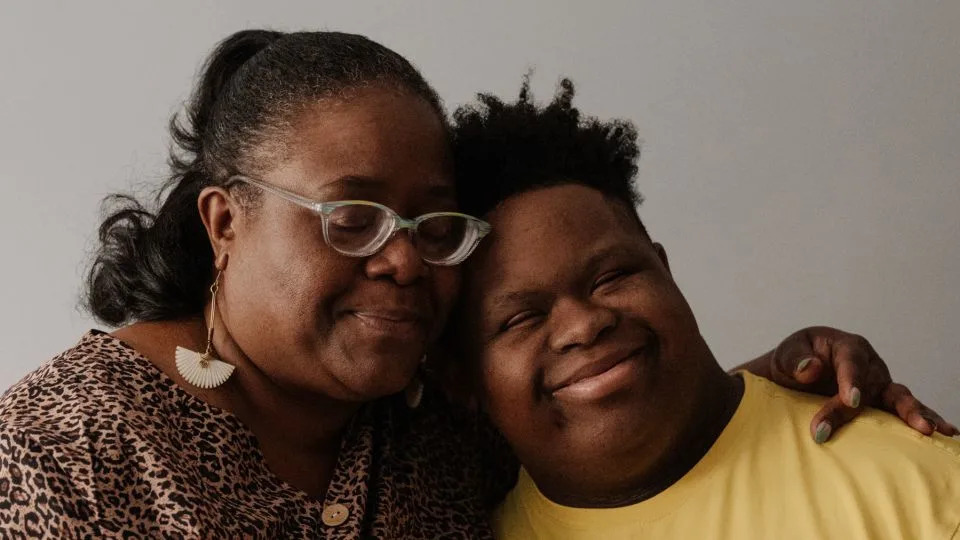
Opal Foster’s son Jeremiah has Down syndrome and receives SSI. He turned 18 last year but is still living at home as he tries to start a career as a chef. - Caroline Gutman for ProPublica
When asked about reporting on the draft rule, Rachel Cauley, OMB communications director, called the story speculative and said policies had not yet been decided. A Social Security Administration (SSA) spokesperson said Commissioner Frank Bisignano remains committed to protecting and strengthening Social Security and serving vulnerable populations.
Administrative Burden And Costs
SSI serves roughly 7.5 million Americans who cannot support themselves because of severe disability or extreme poverty in old age. The program is notoriously complex: fewer than one in three applicants are approved, recipients face frequent financial and medical re-evaluations, and SSI accounts for about 5% of SSA’s benefit payments while consuming nearly 35% of the agency’s administrative budget.
Advocates warn the proposed rule would increase paperwork for beneficiaries and caseworkers alike. Affected individuals could be required to file detailed, frequent reports—potentially monthly—about household composition, lease or ownership status, changes in relatives’ income, bills, bank statements and pay stubs. Missed filings could later trigger overpayment demands.
Policy Context And Next Steps
The Biden administration had expanded SSA’s ability to rely on other programs’ poverty determinations—adding SNAP in 2024—to streamline SSI reviews and reduce duplicative paperwork. Conservative groups opposed that change, saying it reduced oversight. The current proposed reversal is now under OMB review; if cleared, it would be published for public comment before any final rule is issued. The process could take months and will be influenced by advocacy during the comment period.
Why Advocates Say This Matters
Supporters of keeping the current policy say allowing disabled adults to live at home with family preserves dignity, generally costs the government less than institutional care, and avoids destabilizing already vulnerable households. Forcing cuts or burdensome reporting requirements, advocates argue, risks pushing people into costly residential facilities—an outcome that could increase rather than decrease long-term public spending.
Families and disability organizations—including about 40 Down syndrome groups—say they will weigh in if the rule is published. The debate raises fundamental questions about how the system balances program integrity, administrative efficiency and the welfare of people with disabilities and their families.
Help us improve.