The Congressional Budget Office projects the Social Security trust fund could be exhausted by 2032, risking an approximate 26% reduction in benefits. That would reduce the average monthly payment of $2,086 by about $542. Senators Bill Cassidy and Dick Durbin are among bipartisan sponsors of the PROMISE Act, which would charge the Social Security Advisory Board with proposing fixes to ensure at least 50 years of solvency. Supporters say the bill creates a structured pathway to durable solutions; opponents have resisted even establishing a formal review process.
Social Security Could Be Cut Up to $542 a Month by 2032 — Bipartisan Push Seeks Fix

Social Security checks are projected to be cut by $540 a month in six years
The Social Security trust fund is projected to run out of reserves around 2032, potentially triggering benefit cuts that could reduce average monthly payments by roughly 26%—about $542 for someone receiving the current average benefit of $2,086.
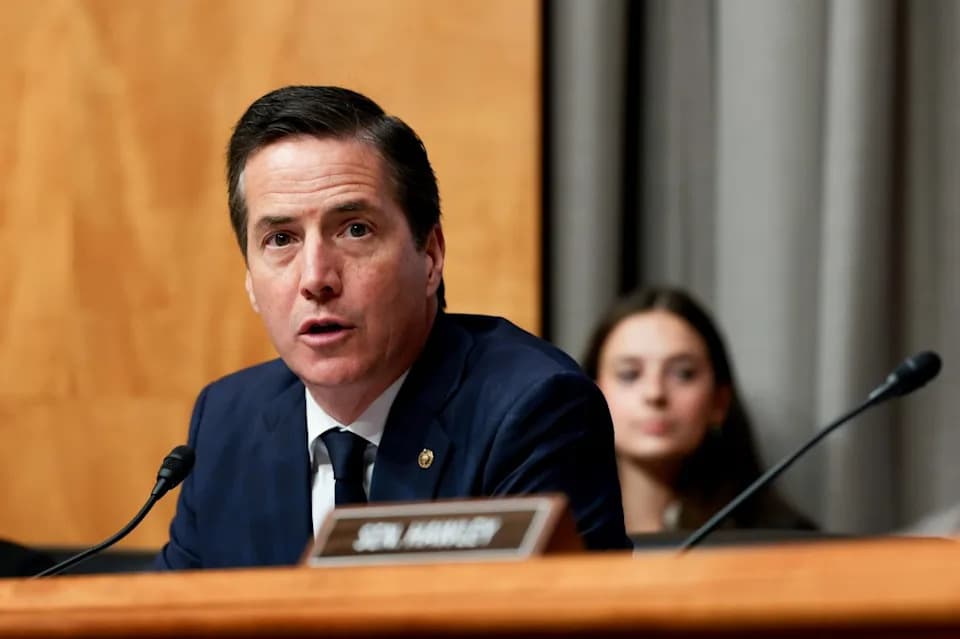
Lawmakers from both parties, led by Senators Bill Cassidy and Dick Durbin, are urging Congress to act before retirees face steep reductions. In an op-ed, the senators warned that failing to address the shortfall would force across-the-board cuts unless lawmakers adopt reforms to shore up the program.
What the Projections Mean
The Congressional Budget Office's latest estimates indicate that the Social Security trust fund, established as a reserve to cover shortfalls when benefit payments exceed payroll-tax revenue, will be exhausted around 2032 if current trends continue. If the trust fund becomes insolvent, Social Security would still collect payroll tax revenue but could only pay out benefits at the level supported by incoming tax receipts—hence the projected 26% reduction.

Social Security recipients could see a 26 percent cut to their benefits when the program's reserve trust fund becomes insolvent in 2032 (AFP/Getty)
Options on the Table
Policymakers and advocates have proposed several approaches to address the gap. Common proposals include:
- Raising payroll taxes or other revenue sources;
- Adjusting benefits, for example by changing cost-of-living adjustments or benefit formulas;
- Raising the retirement age to reflect longer lifespans;
- Taxing unearned income for the highest earners so investment income also helps fund benefits.
"There is no shortage of ideas for strengthening Social Security. Some would adjust benefits, others would raise revenues, and still others would seek to grow the resources available to the program. Reasonable people can disagree about the best approach. What is indefensible is refusing to debate seriously any approach at all while the program moves closer to insolvency," the senators wrote.
The PROMISE Act: A Framework to Find a Solution
To jump-start a bipartisan solution, Senators Cassidy and Durbin and a group of colleagues introduced the Protecting Retirement Opportunities and Maintaining Income Security for Everyone (PROMISE) Act. The bill would direct the Social Security Advisory Board (SSAB) to collect public input and develop legislative proposals intended to keep the trust fund solvent for at least 50 years.
After the SSAB issues recommendations, the proposals would go to the House Ways and Means Committee and the Senate Finance Committee for consideration, potential amendment, and then a full congressional vote. Supporters describe the PROMISE Act not as a final prescription but as a structured pathway to produce concrete, bipartisan fixes.
"History is not going to remember whether Congress voted on a bill merely to set up a process by which to consider a solution. It will remember whether Congress acted before retirees faced unnecessary reductions to the benefits on which they depend," the senators wrote.
Why This Matters
For millions of Americans who rely on Social Security as a primary source of retirement income, a 26% cut would be a major financial shock. The discussion now centers on whether Congress will adopt revenue increases, benefit adjustments, or a mix of changes—and whether any solution can win bipartisan support in time.
Help us improve.