Mostafa Ahmed Mostafa and a small team remain the near-solitary caretakers of the Bajrawiya necropolis at Meroe, a UNESCO World Heritage site with about 140 Kushite pyramids. Three years of war between Sudan's army and the Rapid Support Forces have emptied the site of tourists and left the monuments vulnerable to erosion and long-standing looting. Local archaeologists and guides are working with scarce resources to stabilise fragile structures while nearby communities lose vital tourism income. They hope for future restoration and the return of visitors.
Lonely Guardians Of Meroe: Caretakers Protect Sudan’s 2,400-Year-Old Pyramids Amid War
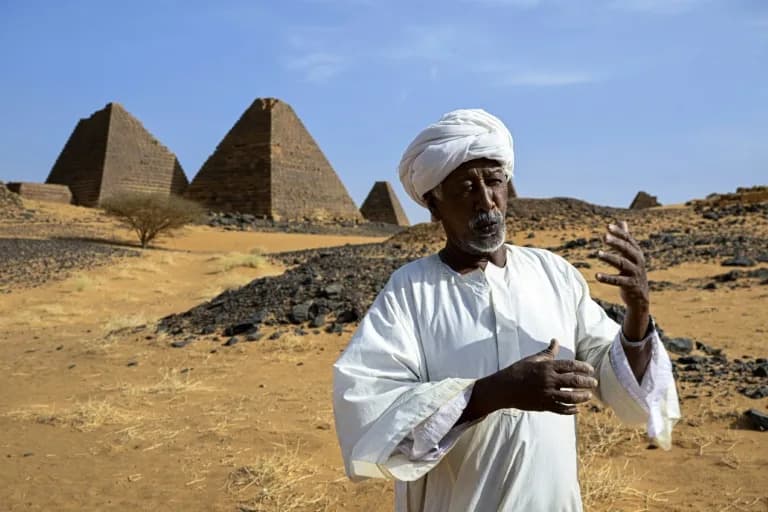
Mostafa Ahmed Mostafa is the heir to generations of groundskeepers in his family who have guarded Sudan's pyramids of Meroe (KHALED DESOUKI)(KHALED DESOUKI/AFP/AFP)
Mostafa Ahmed Mostafa is the last of a line of caretakers who have watched over the pyramids of Meroe for generations. Three years into the conflict between Sudan's army and the paramilitary Rapid Support Forces, he and a tiny team remain near-solitary guardians of the Bajrawiya necropolis, a UNESCO World Heritage site.
A Quiet Landscape of Stone and Memory
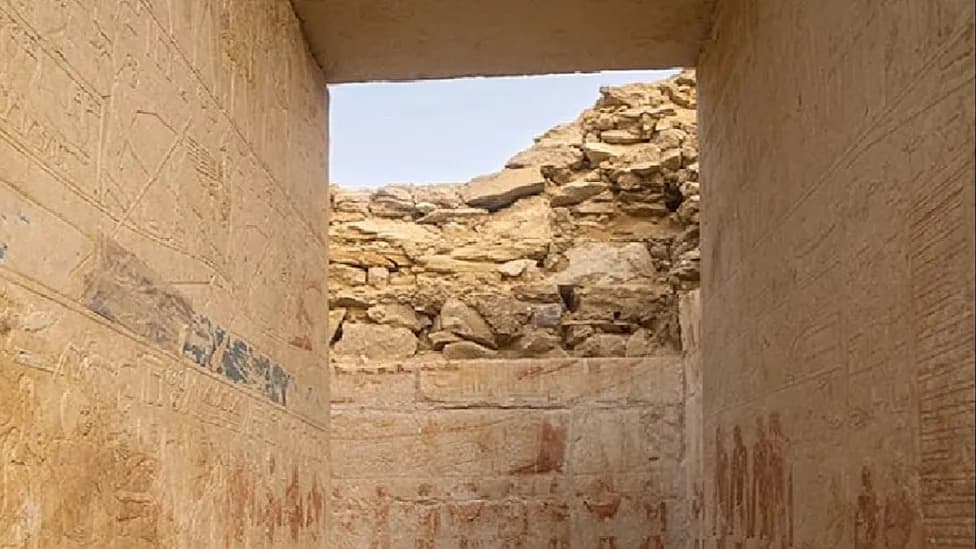
Dressed in white, the 65-year-old cuts a striking figure among the dark sandstone monuments that rise from the desert. The burial ground, roughly 2,400 years old, contains about 140 Kushite pyramids from the Meroitic period. None are intact: many were decapitated or reduced to rubble by 19th-century treasure hunters, and two centuries of sand and seasonal rains have taken their toll.
Caretakers Working Against the Elements
Archaeologist and site director Mahmoud Soliman, young archaeologist Mohamed Mubarak and Mostafa now patch together limited resources to slow erosion, shore up fragile sections and monitor cracks ahead of the rainy season. "It's maybe the fourth time I've shown people around since the war broke out," Soliman told visiting journalists, underlining how rare guided visits have become.
"These pyramids are ours, it's our history, it's who we are." — Mostafa Ahmed Mostafa
Local Lives Disrupted
The site sits about a three-hour drive from Khartoum and was once one of Sudan's most visited heritage attractions. Nearby Tarabil village—named for the local word for pyramids—relied on steady tourism: camel rentals, souvenir sales and guide work. Those incomes have largely dried up; vendors like Khaled Abdelrazek recall busloads of visitors and music festivals that vanished when fighting began.
History, Looting And Erosion
The necropolis displays Kushite art and motifs shared with Egypt, including reliefs of the lion deity Apademak and deities such as Amun and Anubis. The largest tomb, that of Queen Amanishakheto (circa 1st century AD), was destroyed by Italian adventurer Giuseppe Ferlini in 1834; her jewelry was taken to Europe and is displayed in museums in Berlin and Munich. Today her pyramid is largely a sandy shell, emblematic of long-term damage compounded by neglect.
A Fragile Hope
Despite daily survival concerns for ordinary Sudanese, the caretakers stress the long-term value of protecting the site. "Now everyone's top priority is food and water and shelter. But this is also important," Mubarak said. Soliman and his team dream of proper restoration and the return of archaeologists and tourists—but for now, that remains a distant hope.
Why it matters: The Bajrawiya necropolis is not only an archaeological treasure but a living connection between Sudanese communities and their past. Protecting it preserves cultural heritage and supports local livelihoods when peace returns.
Help us improve.