Summary: This article surveys widespread destruction of cultural heritage across conflicts in Ukraine, Gaza, Iran, Sudan and Syria and explains why accountability remains rare. It outlines the existing legal protections — the 1954 Hague Convention, the 1999 Second Protocol and the ICC's mandate — and highlights enforcement gaps. Local initiatives and organisations such as ALIPH and Blue Shield provide urgent mitigation, while experts call for arrest warrants, universal-jurisdiction prosecutions and targeted sanctions to create real deterrence.
Cultural Treasures Under Siege: Why Destruction in War Rarely Leads to Justice
[BBC]
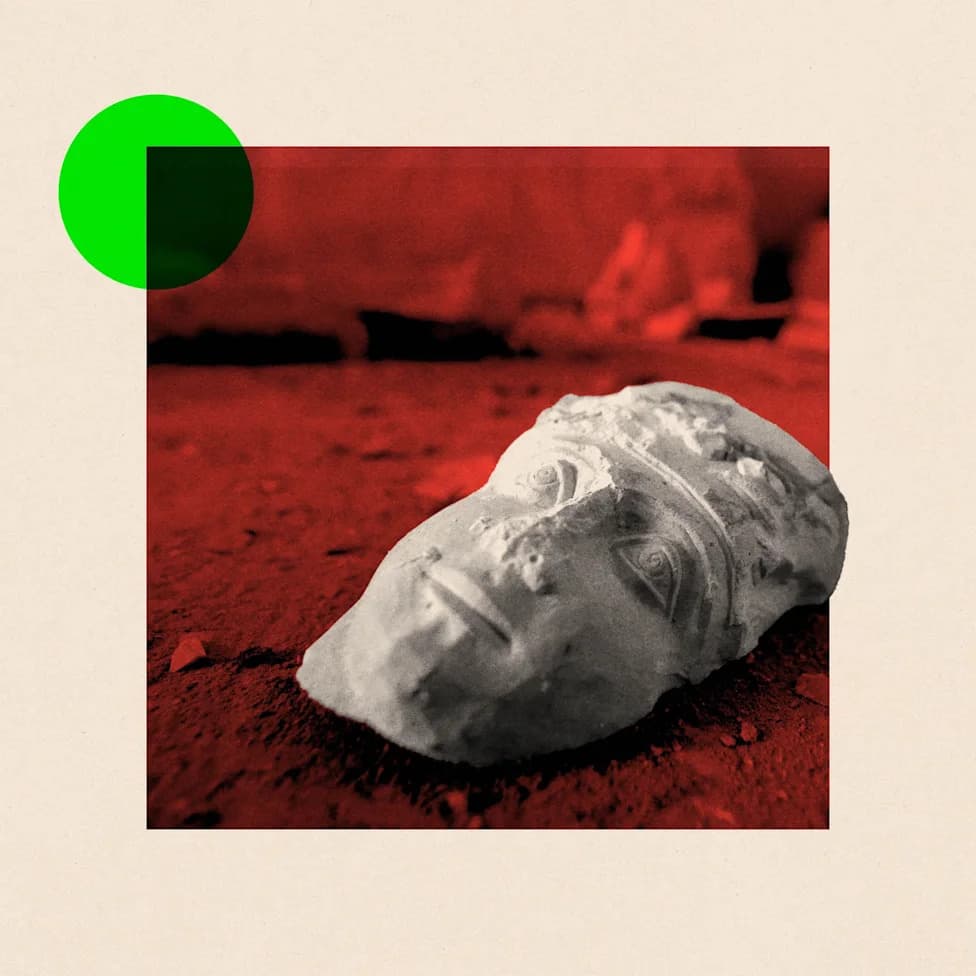
Across multiple modern battlefields, irreplaceable cultural heritage is being damaged or destroyed — and those responsible are seldom held to account. From the bombarded streets of Ukraine to the razed mosques and libraries of Gaza and Mosul, the loss of museums, monuments and manuscripts is both a human tragedy and a legal challenge.
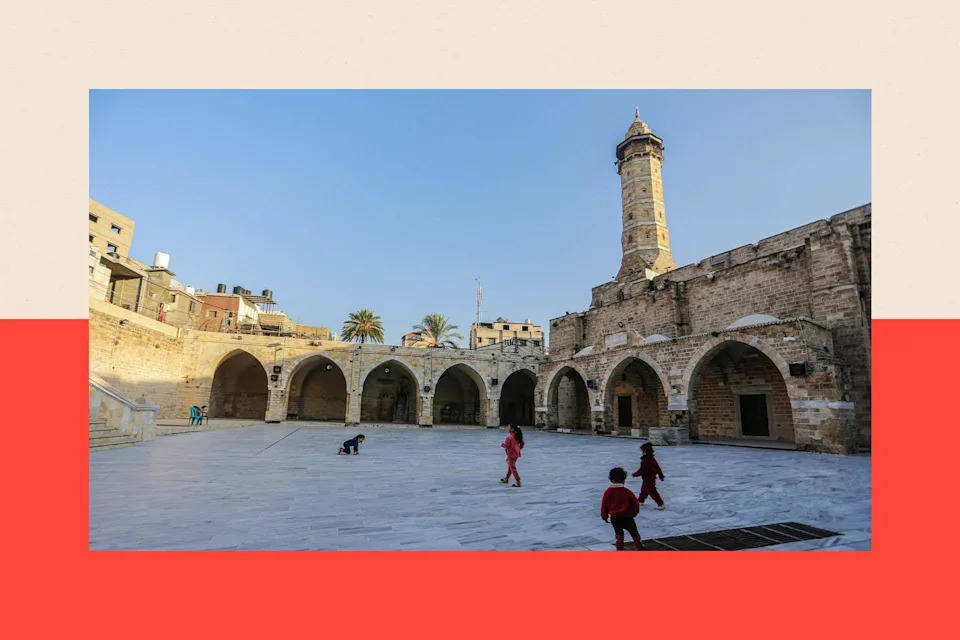
The Great Omari Mosque in Gaza was largely destroyed in an Israeli strike in 2023 [LightRocket via Getty Images]
Recent Damage and the Human Cost
In August, Russian aerial attacks on Ukraine intensified, including thousands of drones that struck Kyiv and southern port cities such as Mykolaiv and Odesa. Local officials reported damage to six UNESCO-protected sites in Odesa, including the salmon-pink 19th-century Alexandru Sturdza House. Ukraine's Ministry of Culture recorded 148 cultural heritage sites as damaged or destroyed in a single recent month.

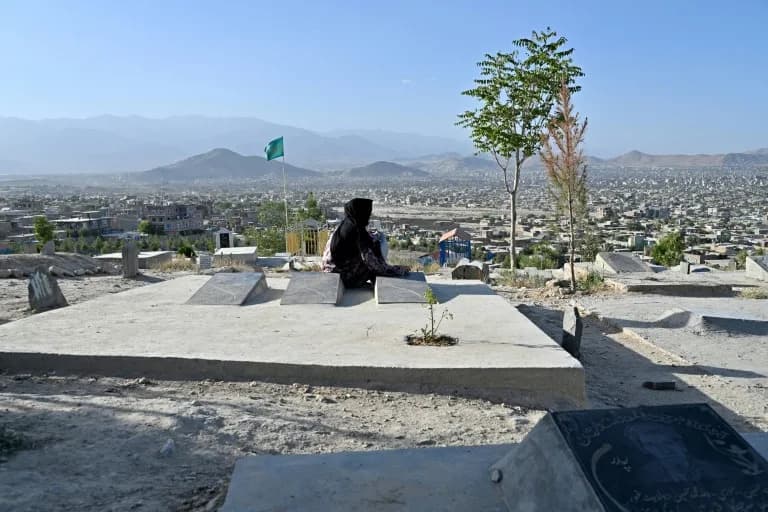
Ahmed al-Faqi al-Mahdi remains the only person successful prosecuted for this by the ICC [AFP via Getty Images]
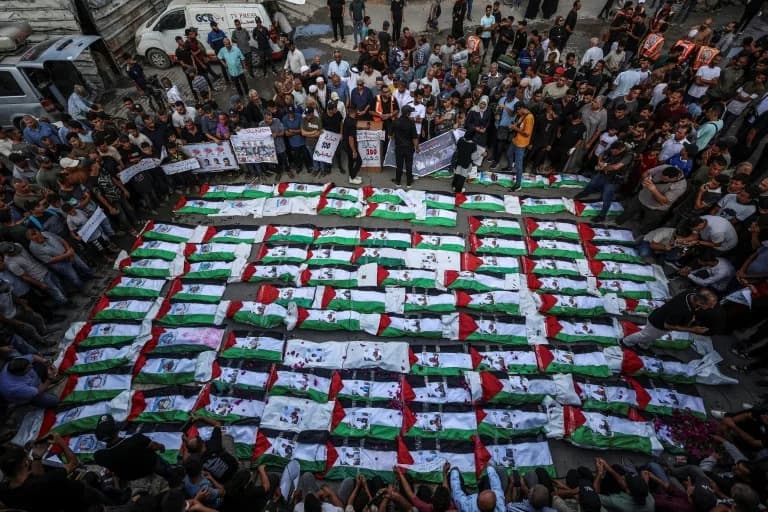
In Gaza, the Great Omari Mosque — a building that embodies centuries of layered history — was largely destroyed in a 2023 strike that the Israeli military said targeted Hamas. Estimates suggest the Gaza war damaged or destroyed hundreds of thousands of civilian structures; the cultural losses leave long-lasting social and emotional wounds. In Iran, more than 100 sites were reported harmed during aerial exchanges in February, including Golestan Palace and Naqsh-e Jahan Square. In Sudan, fighting has stalled conservation at the Meroe Pyramids, a UNESCO World Heritage Site, exposing fragile structures to erosion.
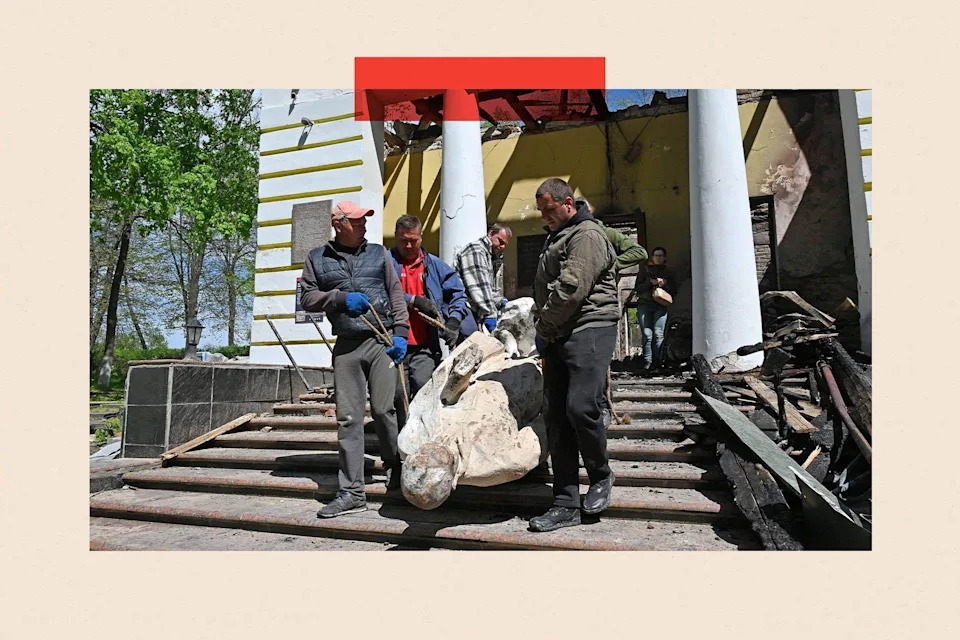
A museum dedicated to the 18th Century Ukrainian philosopher and poet Hryhoriy Skovoroda was destroyed in a Russian attack [AFP via Getty Images]
Legal Protections — Strong on Paper, Weak in Practice
The modern legal framework for protecting cultural property in war dates back to the 1954 Hague Convention, adopted after World War Two to safeguard monuments, works of art and books. The 1999 Second Protocol strengthened those protections, introducing enhanced protection for sites of exceptional cultural value and limiting when they may lawfully be targeted.
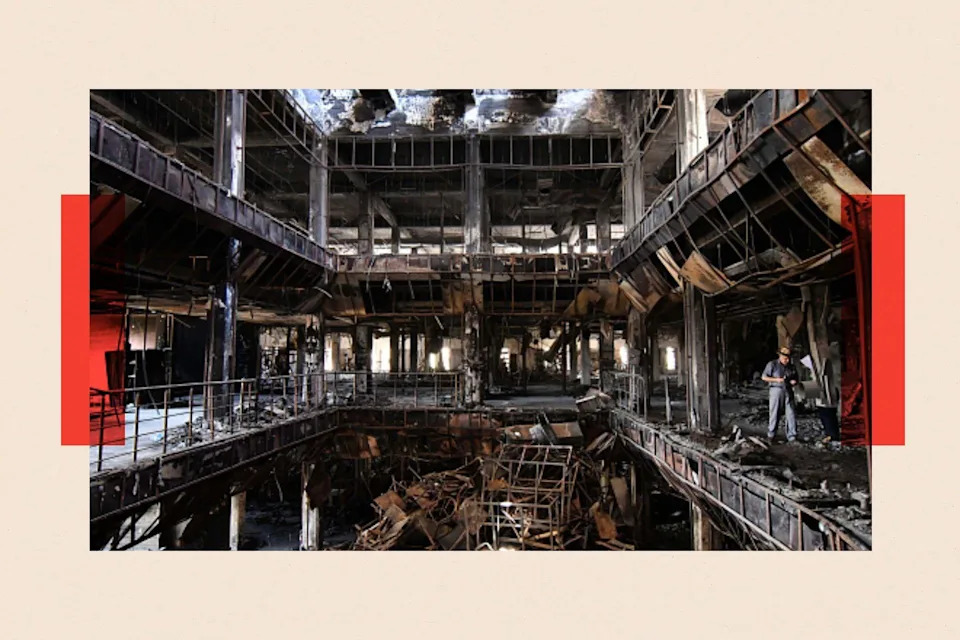
After seizing Mosul in 2014, Isis burned books in the city's Central Library [The Asahi Shimbun via Getty Images]
The International Criminal Court (ICC), created in 2002, can prosecute deliberate attacks against cultural and religious buildings and historic monuments as war crimes. Yet prosecutions are rare: the ICC's only successful cultural-destruction case to date convicted Ahmad al-Faqi al-Mahdi for attacks on mausoleums and a mosque in Timbuktu, resulting in a nine-year sentence.
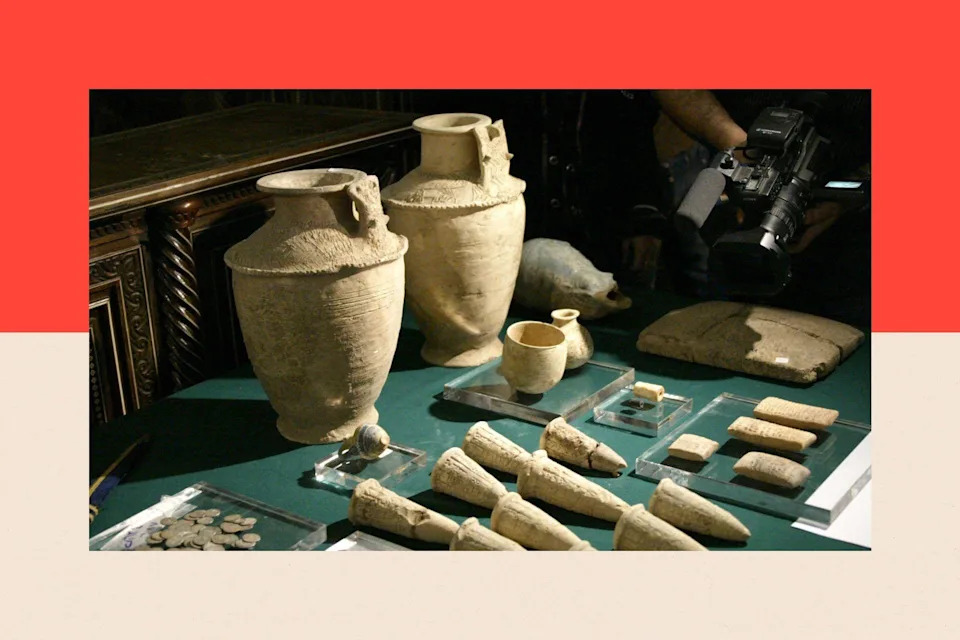
The looting of priceless artefacts in Iraq intensified during the Isis rampage [AFP via Getty Images]
'No state actor has ever been tried for this offence. The obstacle is no longer evidence. We have satellite imagery, remote sensing and monitoring teams. The obstacle is jurisdiction and political will,' — Bijan Rouhani, Endangered Archaeology Project.
How People and Organisations Respond
Local communities and international organisations have stepped in to protect and salvage cultural property. The ALIPH Foundation has funded emergency evacuations and provided millions to help Ukrainian museums relocate items; its 'heritage ambulances' transport artefacts and preserve them in secure conditions. Blue Shield International — often called the 'Red Cross for culture' — works with local authorities and militaries to document damage and advise on protection steps. Civilians, too, risk their lives to document destruction and save objects from harm.

Khaled al-Asaad was killed for refusing to give up Palmyra's secrets [Gamma-Rapho via Getty Images]
But war also fuels industrial-scale looting. During and after the ISIS occupation of parts of Iraq and Syria, traffickers smuggled countless antiquities abroad. Investigations by the US Department of Justice and multinational police operations have recovered and returned many items, but a lucrative illicit market persists. When Khartoum's national museum was looted in 2023, trucks left galleries emptied and vast portions of regional history may have been lost forever.
What Would Change the Equation?
Experts argue that better evidence-gathering is not the main barrier; rather, the problem is enforcement. Practical measures that could create deterrence include public naming and arrest warrants for commanders who authorize strikes on cultural sites, prosecutions in national courts using universal jurisdiction, and targeted sanctions against individuals tied to cultural destruction. These tools already exist — they require political will to deploy them consistently, including against allies.
The story of Khaled al-Asaad, Palmyra's longtime chief custodian who was tortured and killed by ISIS after refusing to reveal where artefacts were hidden, underlines the stakes. His martyrdom became a global symbol of cultural resistance; yet even commemorations can be politicised and later erased.
Conclusion
Legal frameworks and dedicated heritage organisations matter and make a difference on the ground. But without sustained international political commitment, the destruction of cultural heritage in conflict will continue with near impunity. Protecting the past is not only about saving objects — it preserves community memory, identity and the foundations for future reconciliation.
Help us improve.