South Korea has opened probes into medical-device distributors suspected of hoarding syringes amid naphtha supply disruptions caused by recent strikes and tensions near the Strait of Hormuz. The government has imposed a ban that limits inventory to 150% of last year’s average monthly sales for no more than five days and prohibits unjustified refusals to sell. Inspectors found one distributor holding about 130,000 excess syringe units, and Seoul said it secured an additional 2.1 million tonnes of naphtha from alternative suppliers. Authorities vow tougher inspections to prevent profiteering and protect medical supplies.
South Korea Cracks Down on Syringe Hoarding as Middle East War Disrupts Naphtha Supplies
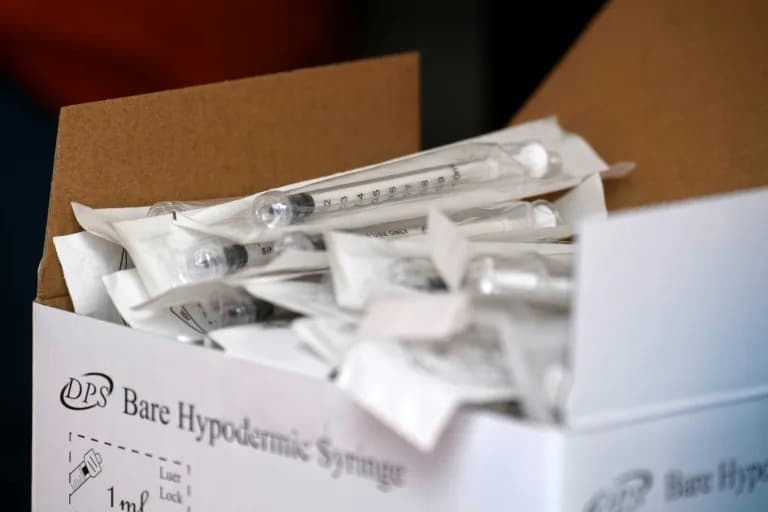
The Mideast war has hit plastic makers and has potentially spurred syringe hoarding in South Korea (Patrick T. Fallon)(Patrick T. Fallon/AFP/AFP)
South Korean authorities have launched investigations into medical-device distributors suspected of hoarding syringes amid supply disruptions linked to recent Middle East strikes and the near-closure of the Strait of Hormuz.
Supply-Chain Strain and Government Response
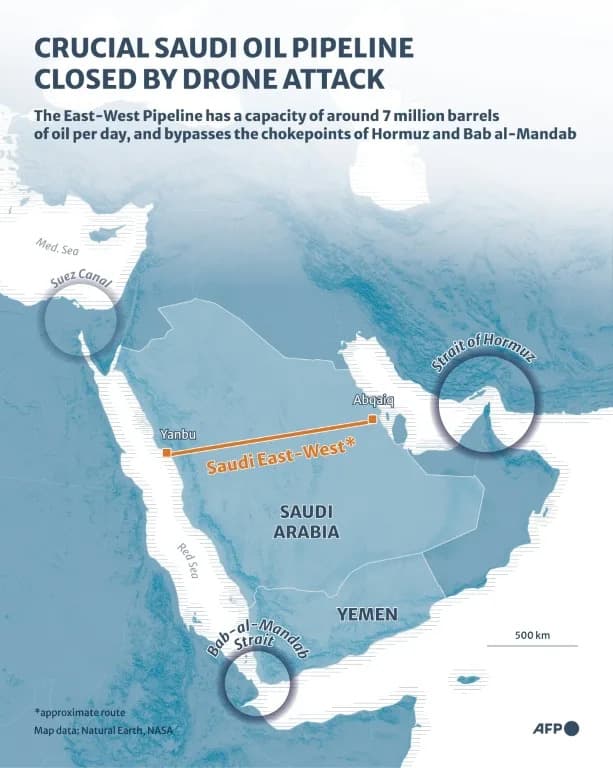
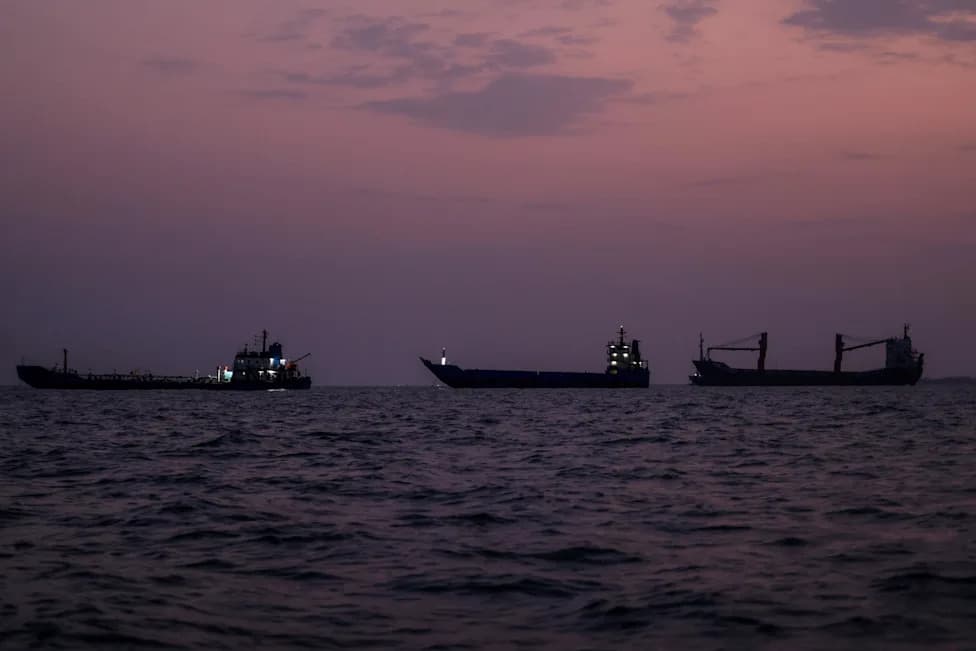
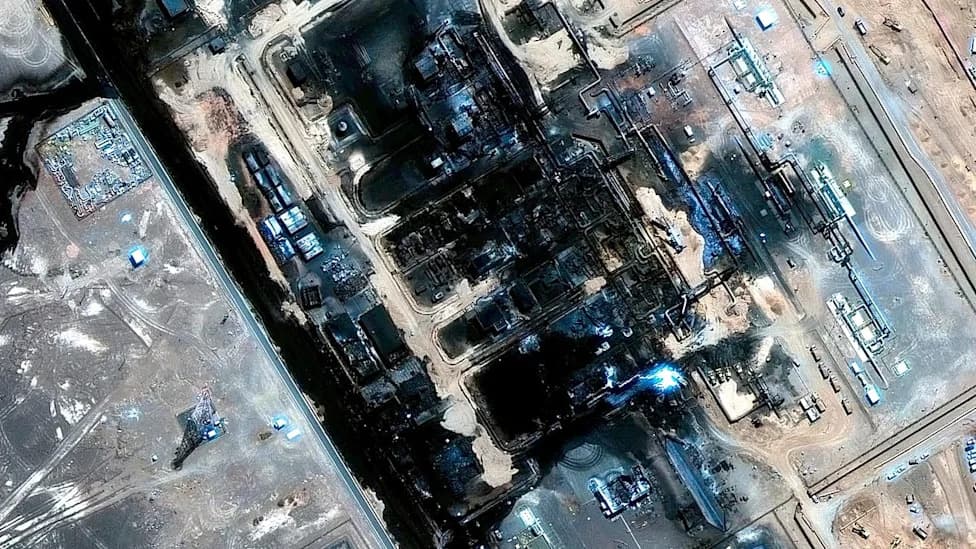
Deliveries of naphtha, an oil-derived feedstock used to produce many plastics — including components for medical syringes — have been unsettled by US-Israeli strikes on Iran and related tensions that have effectively closed parts of the Strait of Hormuz. The glitch has hit petrochemical sectors across Asia and prompted emergency measures in Seoul.
Investigations and New Rules
The Seoul Metropolitan Police Agency said it 'promptly began an investigation' into four medical-device distributors after a complaint from the Ministry of Food and Drug Safety. Under rules introduced this month, companies are prohibited from holding more than 150% of last year’s average monthly sales volume in syringes and needles for five days or longer, and from refusing legitimate sales without valid reason.
The ministry reported that inspectors found one distributor holding roughly 130,000 excess syringe units for more than five days. Authorities say some firms appear to be exploiting the crunch by stockpiling and reselling supplies at higher prices.
President Lee Jae Myung pledged on social media to take the 'strongest possible' action against 'antisocial behaviour that exploits community crises to worsen them and profit from them'.
Securing Alternative Supplies
To reduce vulnerability to shipping disruptions through the Strait of Hormuz, South Korea's chief of staff said Seoul secured an additional 2.1 million tonnes of naphtha from suppliers including Saudi Arabia and Oman via alternative routes. The police have vowed to step up inspections across the supply chain and crack down on illicit behaviour.
What this means: Authorities aim to ensure hospitals and clinics keep receiving essential medical supplies while deterring speculative hoarding that can drive price spikes and shortages.
Help us improve.