Iran is facing widespread medicine shortages and sharp price hikes amid sanctions, a maritime blockade and recent air strikes that have damaged pharmaceutical plants. Officials report about 800 drugs in short supply — including 90 essential medicines — and say many shortages affect products manufactured domestically. Industry leaders warn rebuilding capacity could take years and cost tens of millions of dollars, while doctors fear vaccine interruptions and worsening malnutrition among vulnerable groups.
Medicine Shortages Worsen in Iran Amid Sanctions, Blockade and Air Strikes
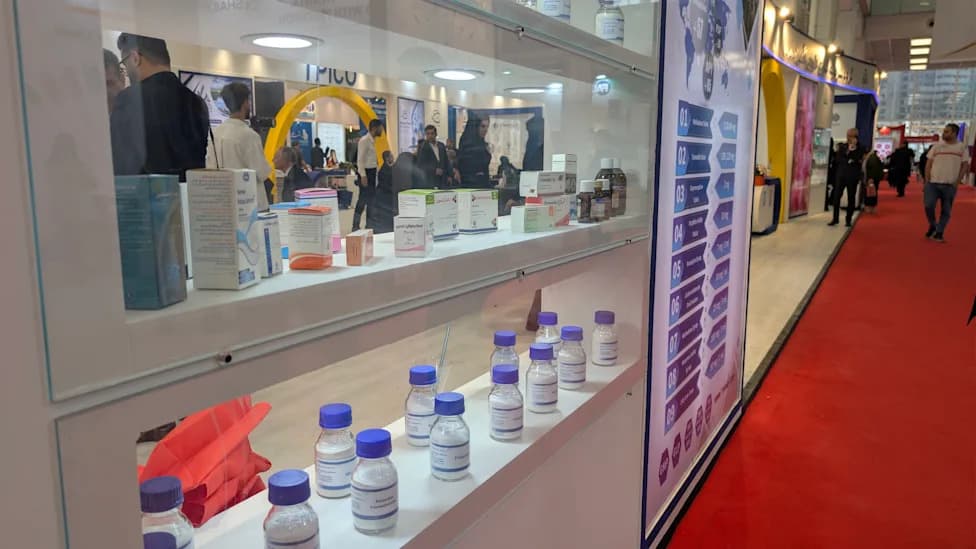
A three-day pharmaceutical exhibition opens in Tehran's sprawling Iran Mall on September 8, 2026 [Maziar Motamedi/Al Jazeera]
Tehran — Farah, a 59-year-old resident of Tehran, used to rely on a Swiss-made medication for an autoimmune condition. She has switched to an Iranian-produced alternative because of cost and availability, but now fears that the domestic version may also vanish from pharmacies.
“I switched to the Iranian-made version because of the price and availability. You might not find the foreign-made version later, and you can’t keep switching because they don’t have the same quality and effectiveness,”
Supply Crunch and Skyrocketing Prices
Iranian media and industry officials report widening shortages across the country's drug supply. Hadi Ahmadi, spokesman for the Iranian Pharmacists Association, says about 800 pharmaceutical products are currently in short supply nationwide, including 90 considered essential and life‑saving. Of those shortages, roughly 400 drugs are manufactured inside Iran.
Prices have surged dramatically: gabapentin is reported up about 220% year‑on‑year, acetaminophen 375%, amoxicillin 285%, and fluoxetine 100%. Insulin — a daily necessity for people with diabetes — now costs up to six times what it did a year ago. These increases are part of a broader inflationary crisis: essential food prices were reported more than 123% higher year‑on‑year as of August, with some staples tripling in cost.
Damage to Production Capacity
The shortages have been aggravated by recent attacks that Iranian officials say damaged or destroyed some 44 pharmaceutical and medical equipment companies, with about 50 industry workers reported killed or wounded. One of the hardest-hit firms was Tofigh Daru, owned by Iran’s largest pension fund.
Maryam Farahani, director of sales at Tofigh Daru, told Al Jazeera that Israeli air strikes hit all of the company’s research and production lines — including those producing peptide and narcotic active ingredients and anticancer drugs. She said databases, servers and specialized equipment acquired over 26 years were lost. The company rented an alternate production line to keep some output but estimated that rebuilding would take at least two years and cost tens of millions of dollars.
The Israeli military said it targeted Tofigh Daru because the firm allegedly supplied fentanyl to SPND, a defence research body, which Israel accused of using the drug in chemical weapons research. Tofigh Daru disputed that account, saying it produced only small quantities of the citrate‑salt form of fentanyl for approved medical uses such as surgical anaesthesia.
Logistics, Sanctions and Government Response
For years Iran has pushed for self‑sufficiency in pharmaceuticals, building domestic capacity for active ingredients, equipment and finished drugs. Nevertheless, the industry still depends on imports for critical raw materials, specialized machines and some rare medications.
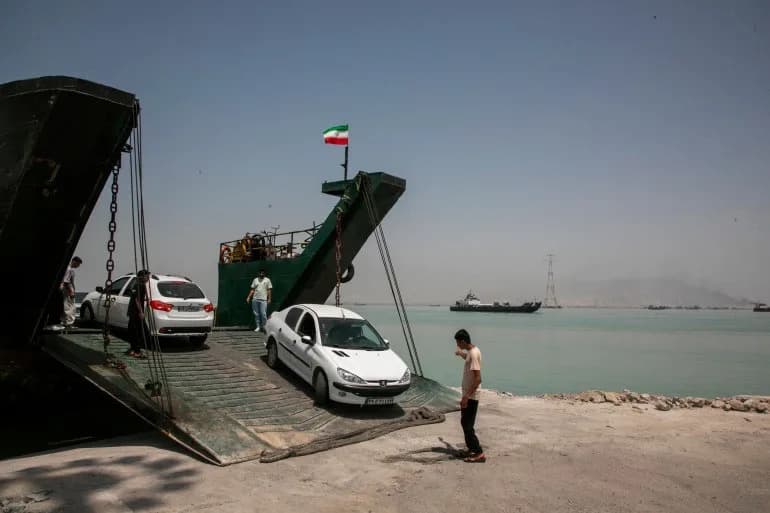
Washington’s long‑running “maximum pressure” sanctions — together with tighter maritime controls and a de‑facto blockade affecting shipping through the Strait of Hormuz — have disrupted financial and logistics channels needed to procure medical imports. Iranian officials say these obstacles have driven up costs despite formal humanitarian exemptions.
At a pharmaceutical exhibition in Tehran, Mahdi Pirsalehi, head of Iran’s Food and Drug Administration, sought to project resilience, saying the industry was “refusing to collapse under the pressure.” He claimed shortages were fewer than last year but did not provide supporting data.
Public Health Risks
Medical professionals in Tehran warn of growing public health threats, including potential disruptions to vaccine supplies. A gastroenterologist and university professor, speaking on condition of anonymity, described price increases as “staggering” and said they had become an insurmountable barrier for many vulnerable people.
She pointed to policy and financial factors that have worsened access: the gradual removal of subsidized foreign currency for medical imports and massive unpaid insurance debts owed to pharmacies — reported at about 8 quadrillion rials (roughly $3.56 billion) — which have constrained distribution and cash flow in the supply chain.
Doctors warned that halted imports of rotavirus vaccine and possible interruptions to influenza vaccine supplies pose serious risks to nationwide immunization efforts. They also noted that runaway inflation, food insecurity and rising poverty increase malnutrition risks among infants, children and pregnant women, which in turn raise the burden of both communicable and non‑communicable diseases.
Outlook: Industry leaders say restoring lost capacity will take years and significant investment. In the near term, patients and clinicians face constrained access to medicines and rising prices, compounding broader humanitarian and public‑health challenges in Iran.
Help us improve.