University of Missouri researchers engineered algae to produce limonene, enabling the organisms to bind and remove microplastics from contaminated water while thriving in wastewater. The strain also absorbs excess nutrients, aiding water purification. The team is testing scale-up in controlled bioreactors — including a 100-liter unit called "Shrek" — and plans to upcycle collected microplastics into composite bioplastic films. The approach aims to combine pollution removal, nutrient recovery, and material reuse in a single platform.
Engineered Algae Produce Limonene to Capture and Upcycle Microplastics from Wastewater
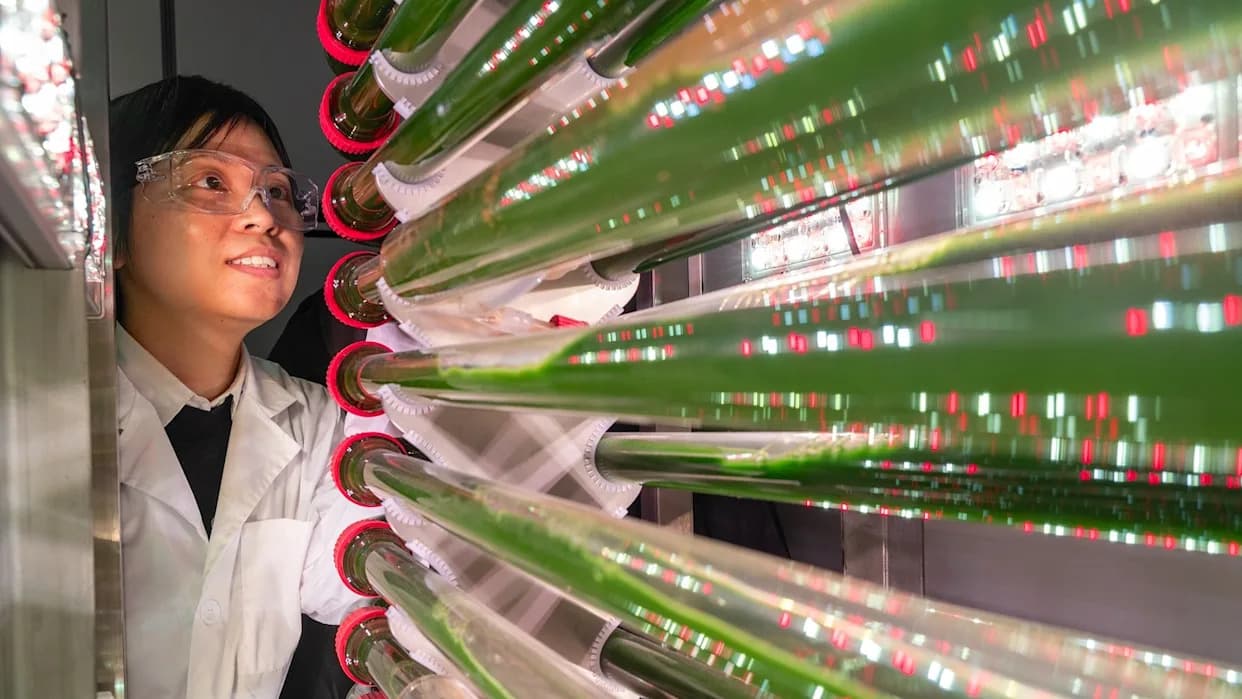
Photo Credit: Abbie Lankitus
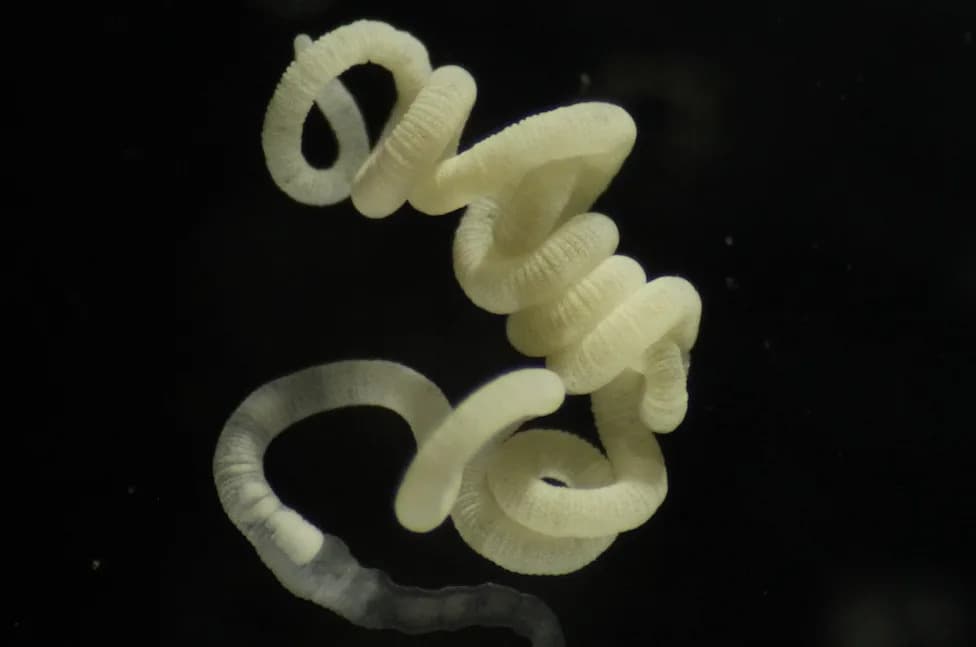
Researchers at the University of Missouri have genetically modified algae to produce limonene — the citrus-scented oil found in orange peels — enabling the organisms to bind and remove microplastics from contaminated water while simultaneously thriving in wastewater conditions.
In a study published in Nature Communications, Susie Dai, a professor in the College of Engineering and principal investigator at the Bond Life Sciences Center, describes a bioengineered algal strain that adheres to tiny plastic particles and removes excess nutrients from wastewater, helping to purify effluent.
How It Works
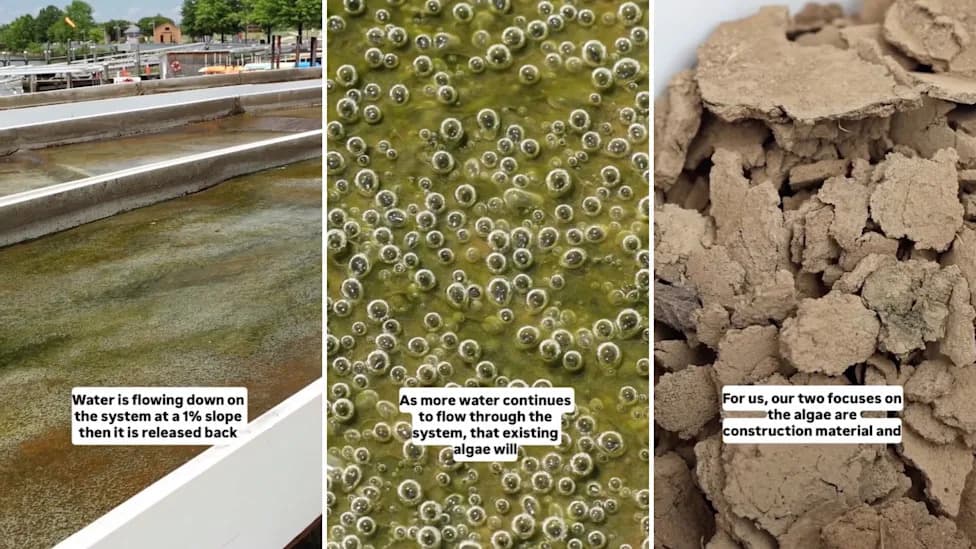
The engineered algae secrete limonene on their surface, which increases hydrophobic interactions with microplastic particles and promotes aggregation. Once bound, the algae–plastic aggregates can be separated from water in controlled bioreactors. The strains are also resilient in nutrient-rich wastewater, where they absorb nitrogen and phosphorus while growing.
From Pollution to Product
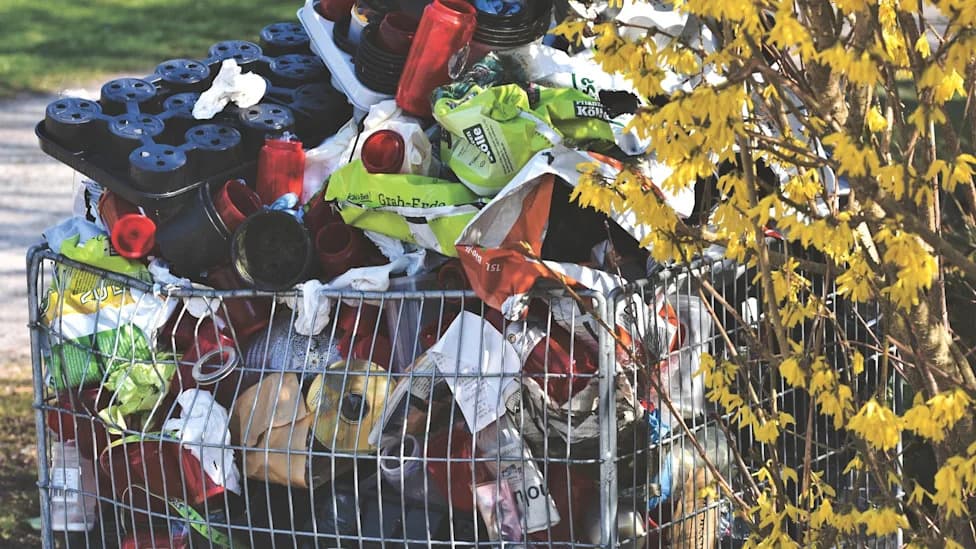
Rather than disposing of collected plastics, Dai’s team is exploring ways to upcycle the recovered microplastics into composite bioplastic films and other materials. This approach aims to close the loop by converting pollutants into useful products while reducing waste.
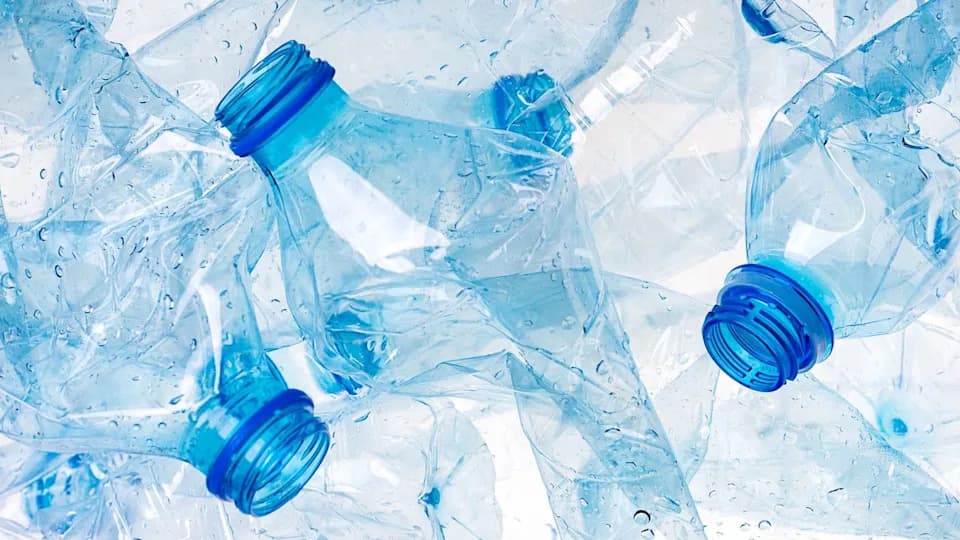
"Microplastics are pollutants found almost everywhere in the environment, such as in ponds, lakes, rivers, wastewater, and the fish that we consume," Dai said, according to SciTechDaily. "Currently, most wastewater treatment plants can only remove large particles of plastic, but microplastics are so small that they slip through and end up in drinking water, polluting the environment and harming ecosystems."
Microplastics have been detected in nearly every environment on Earth and even in human tissues. While the full health and ecological implications remain under investigation, their ubiquity and persistence are cause for concern.
Scale-Up and Practical Deployment
Dai’s team cultivates the engineered algae in controlled bioreactors intended for larger-scale use and hopes to integrate the process into existing wastewater treatment systems. A 100-liter unit nicknamed "Shrek" is already operating; it is being used to process industrial flue gas and to demonstrate system stability at scale.
The study suggests this platform could deliver multiple benefits simultaneously: microplastic removal, nutrient recovery from wastewater, and CO2-based bioproduction that can create marketable materials from captured pollution.
Context and Alternatives
Other research groups have developed different microplastic removal strategies — for example, sawdust-based filtration, magnetic absorbents, and moringa seed flocculation. Dai’s approach is distinct in combining wastewater treatment compatibility with the goal of upcycling captured plastics into new materials.
Limitations and Outlook: Results are promising but early. Practical deployment will require long-term safety assessments, regulatory review, life-cycle analysis of upcycled products, and evaluation of costs and energy use compared with existing treatments. Still, the technique represents a creative route toward addressing microplastic pollution at the intersection of environmental cleanup and circular-materials innovation.
Help us improve.