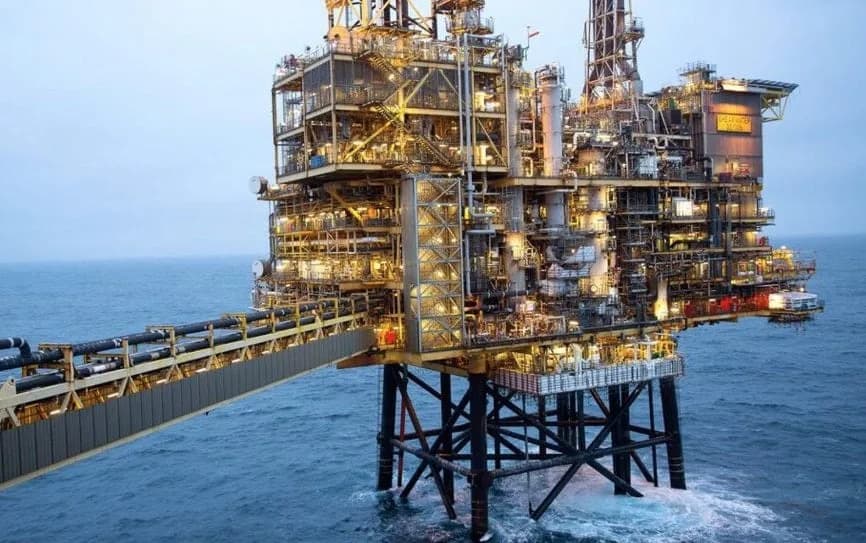
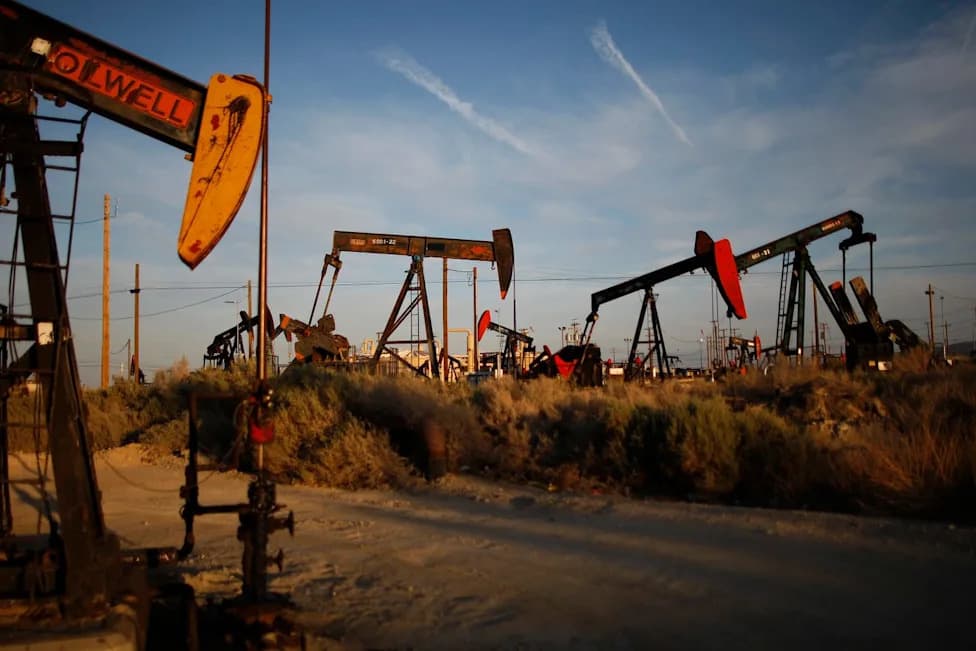
Fracturing techniques to extract oil and gas are returning to Britain under names such as "proppant squeeze" and "stimulation", even as the politically charged word "fracking" remains avoided. Rathlin Energy has permission to stimulate West Newton, a field estimated at up to 8 billion m³ of gas. Industry estimates point to very large shale resources under central England, while critics warn renamed methods still risk earthquakes and water contamination. The issue balances energy security and economics against environmental and community concerns and will shape upcoming political debates.
Fracking Rebranded: How "Proppant Squeeze" and "Stimulation" Are Returning to Britain
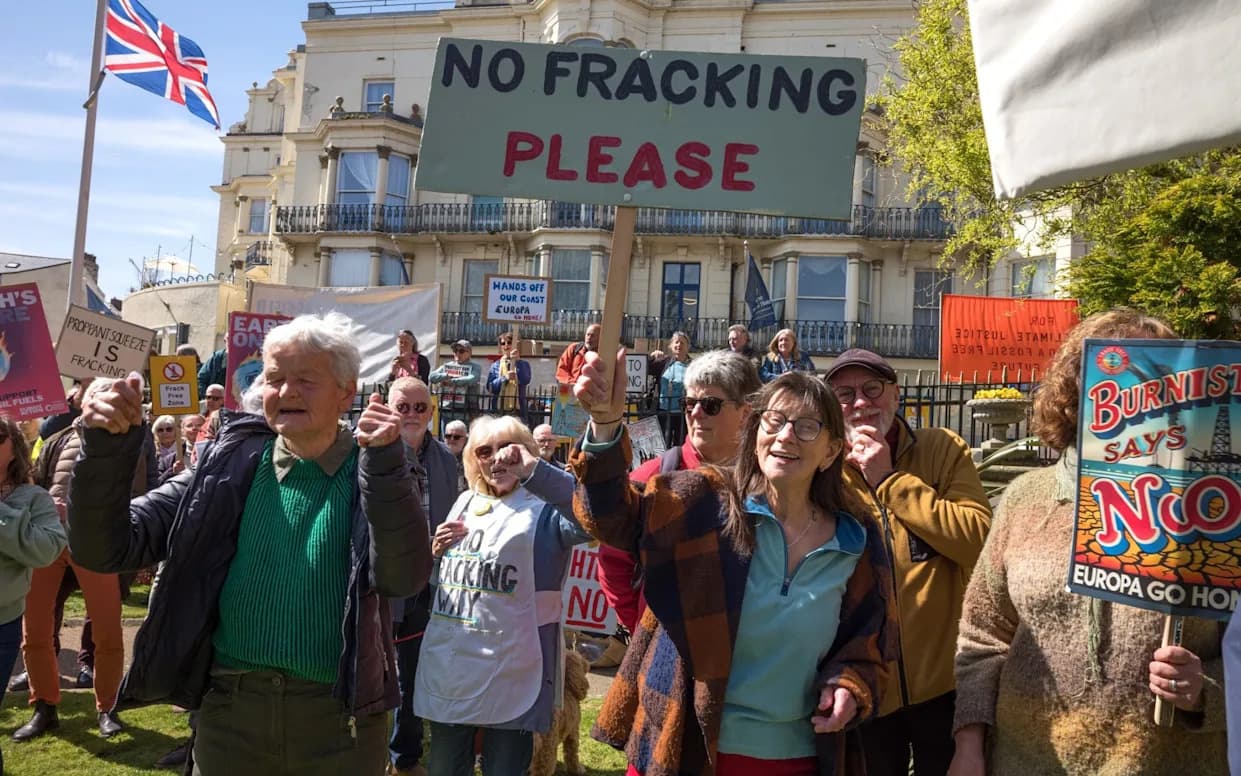
Protesters voice their opposition on Friday to a ‘proppant squeeze’ gas rig proposed near Scarborough - Ian Forsyth/Getty Images
Environmental campaigners once believed they had ended high‑volume hydraulic fracturing in the UK. Yet techniques to crack underground rock and release oil and gas are reappearing — often under new names such as "proppant squeeze", "reservoir enhancement" or simply "stimulation".
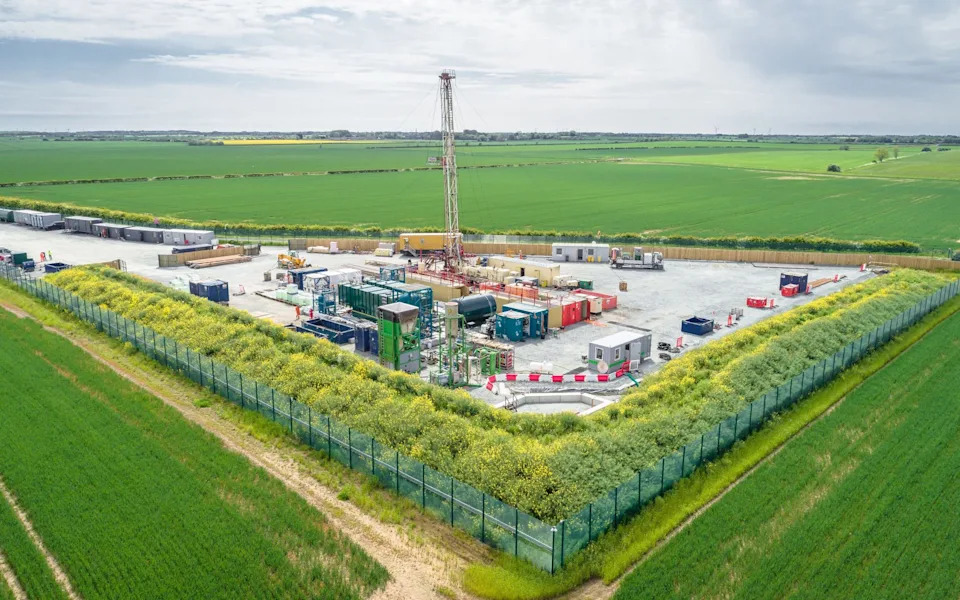
The West Newton gas field is estimated to contain up to eight billion cubic metres of gas
This year Rathlin Energy won an Environment Agency licence to drill and "stimulate" a gas discovery at West Newton, near Hull. The West Newton field is estimated to contain up to 8 billion cubic metres of gas and is being positioned as a potential contributor to Britain’s gas transmission network within a few years. Although proposed fluid volumes and pressures are lower than earlier high‑volume fracking operations, critics argue the technique remains fracking in all but name.
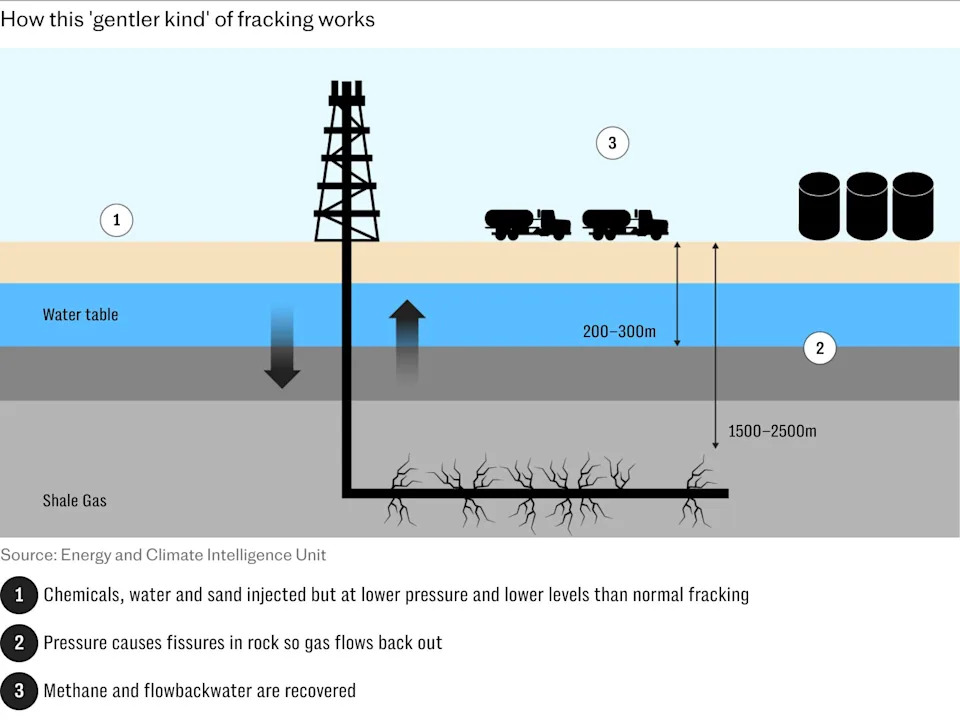
2504 The fracking process
What Companies Say and What the Data Shows
Industry group UK Onshore Oil and Gas (UKOOG) reports around 120 active onshore sites and 250 operating wells, producing roughly 20,000–25,000 barrels of oil equivalent per day. UKOOG also cites an estimate of 1,329 trillion cubic feet of potential shale gas under central England — far greater than the UK's annual consumption of just over 3 trillion cubic feet. If even a fraction were recoverable, proponents argue domestic production could materially affect energy security.
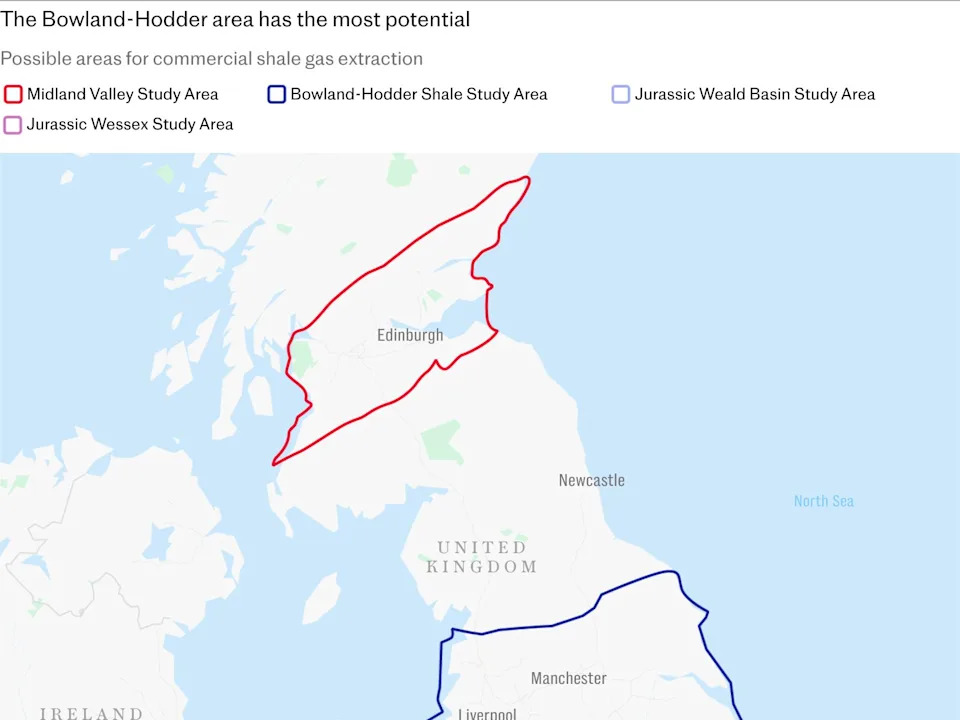
2504 The Bowland-Hodder area has the most potential
Lessons From the US Shale Boom
The global energy landscape changed after the US developed widescale shale extraction, combining high‑pressure fracturing with horizontal drilling. Those innovations helped the US become the world’s largest oil and gas producer, reversing earlier declines in domestic output. Supporters point to economic benefits and lower import dependence as reasons the UK should consider similar development.
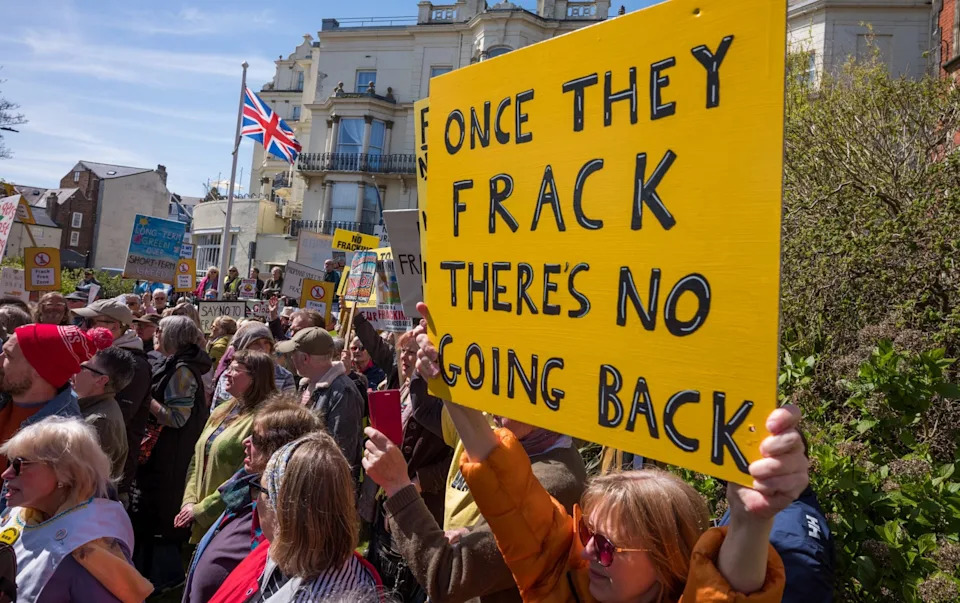
Campaigners outside Scarborough Town Hall on Friday to show their opposition to Europa Oil & Gas’s proposal for a 38-metre gas drilling rig in nearby Burniston - Ian Forsyth/Getty Images
Risks, Seismicity and Public Opposition
High‑volume fracking in the UK previously produced a series of small tremors that culminated in a 2.9 magnitude event near Lancashire in 2019, prompting a moratorium. The new, lower‑volume approaches are claimed to reduce seismic risk: smaller injections along a borehole may generate fewer detectable quakes. The British Geological Survey’s seismologists say evidence is not yet definitive.
"A moratorium on hydraulic fracturing for shale gas extraction in England is in place because of concerns about induced seismicity. Other forms of hydraulic fracturing such as proppant or acid squeezes… are not in scope of the effective moratorium," a Department for Energy spokesman said.
Experts remain divided. Prof Stuart Haszeldine (University of Edinburgh) warns that smaller, repeated injections can produce essentially the same fracturing effect as a single large injection and still carry risks of both seismic activity and groundwater contamination. Environmental groups call the relabelling "wordplay" designed to normalise a dangerous practice, while industry and some politicians frame it as a pragmatic route to greater energy security.
Political Context
Energy Secretary Ed Miliband has moved from earlier openness to fracking approvals to supporting a tighter legal ban on high‑pressure fracking, though he has been less explicit about lower‑volume stimulation techniques. The issue is expected to feature in national and local election debates, with parties such as Reform UK arguing for the development of domestic reserves to reduce import dependence.
Conclusion
Renamed or not, fracturing techniques will remain controversial. The debate pits potential contributions to energy security and economic arguments against environmental risks — seismicity, water contamination and community disruption — and raises questions about regulation, transparency and public consent. As projects like West Newton proceed, the technical details, monitoring standards and legal definitions will shape whether the UK accepts a softened form of fracking or maintains a broader ban.
Help us improve.