Sir Jim Ratcliffe — founder of Ineos and owner of Manchester United — says he has lost confidence in Britain, warning the country is "on the slide." The article argues that uncertainty over energy policy, high effective North Sea taxes and immigration issues are undermining investment. It cites ONS data showing 59% of firms worried about energy prices (71% for firms with 10+ employees) and outlines Reform’s proposals: welfare reform, a 100‑day plan to stop small-boat crossings, tougher deportation measures and a £250,000 Britannia residency scheme to attract investors.
Britain Needs More Business Geniuses Like Sir Jim Ratcliffe — Policies Must Follow

We should want people like Sir Jim to be investing their money, creating jobs and paying their vast taxes here - Valery Hache/AFP via Getty Images
Sir Jim Ratcliffe — founder of Ineos and owner of Manchester United — is one of the UK’s most successful business figures. He built Ineos from near scratch, employs thousands, invests billions across the country and sponsors major sports, from football to Formula One. So when he warns Britain is "on the slide," politicians should take notice.
“Britain is on the slide.” — Sir Jim Ratcliffe
The warning should alarm anyone concerned about the nation’s economic future. The current government’s business approach, much of which was inherited from the previous administration, has left investors and industry uncertain about the UK’s priorities — especially in energy and taxation policy.
Energy: Resources, Policy and Investment Risk
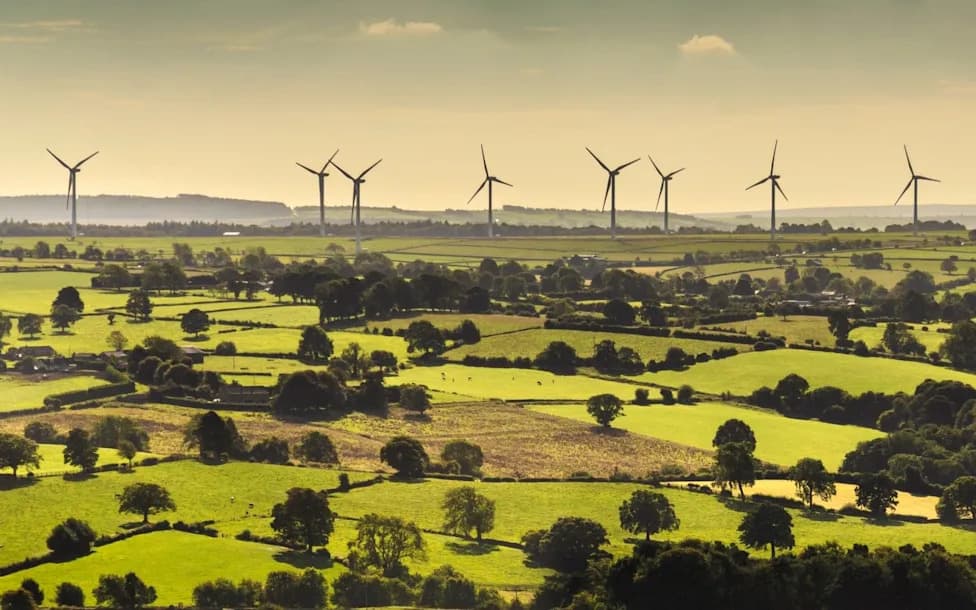
The UK sits beside significant oil and gas reserves in the North Sea, yet domestic production has declined as the country has become more import-dependent. Decisions over new developments, such as the Jackdaw gas prospect, remain politically fraught, and that uncertainty chills long-term investment by energy-intensive industries.
Recent Office for National Statistics (ONS) data showed that 59% of firms reported concerns about energy prices in late August, rising to 71% for companies with ten or more employees. At the same time, the UK — which accounts for roughly 1% of global CO2 emissions — pursues ambitious net zero targets that, critics argue, add costs through levies and undermine competitiveness while large industrial rivals expand output.

Andy Burnham is expected to delay approving plans for the Jackdaw gas field in the North Sea - iStock Editorial
Taxation and Competitiveness
Policy choices have added to business headwinds. The introduction of a 40% windfall tax on energy profits pushed combined North Sea and oil taxation to around 75% for some companies, and the end of the non-domicile tax regime removed incentives that previously encouraged wealthy individuals to maintain ties with the UK. Such measures have prompted debate about whether tax policy unduly discourages investment.
Immigration, Productivity and Public Services
Alongside energy and tax issues, the UK faces structural challenges between population growth, housing, infrastructure and labour-market participation. Successive governments have struggled to align immigration policy with long-term productivity goals, while too many people remain outside productive employment and firms increasingly recruit from abroad to fill vacancies.
Reform’s Prescriptions
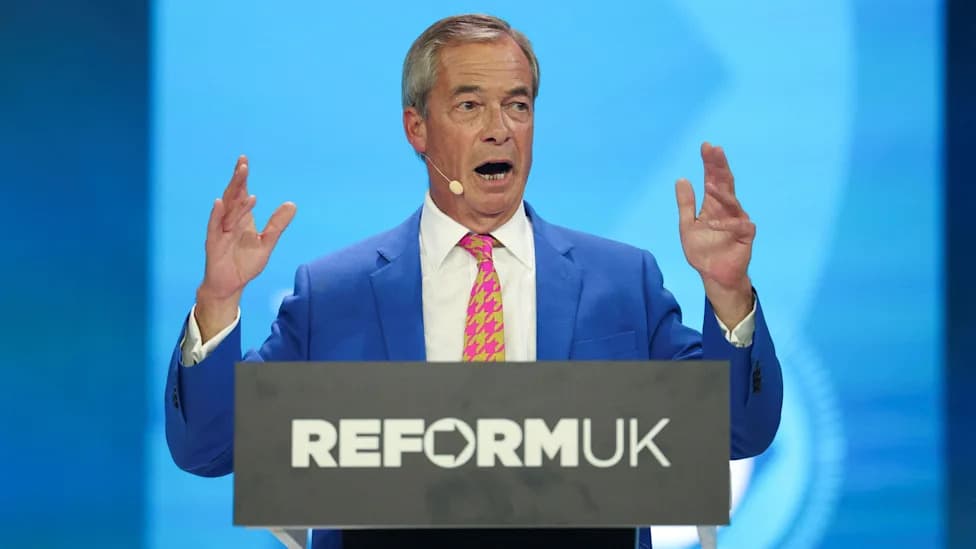
Reform outlines a set of policies intended to restore business confidence: a smaller, more efficient state; lower taxes on work and enterprise; controlled and reduced immigration; welfare reform that rewards work; and an energy policy prioritising security and reliable supply over symbolism.
More concretely, Reform proposes major welfare reductions, a 100-day plan to halt small-boat crossings followed by an expanded deportation programme, and a "Britannia" investor residency scheme modelled on arrangements in other European countries. The proposed Britannia card would require a one-off payment of £250,000 in return for ten-year residency to encourage wealthy expats and investors to return.
Conclusion
Whether one agrees with every proposal, the central point is straightforward: Britain must create an environment where entrepreneurs want to start companies, investors build factories and successful entrepreneurs choose to live and invest. Sir Jim Ratcliffe’s warning is a prompt for policymakers to clarify priorities on energy security, taxation, welfare and immigration — and to put wealth creation at the core of economic strategy.
Help us improve.