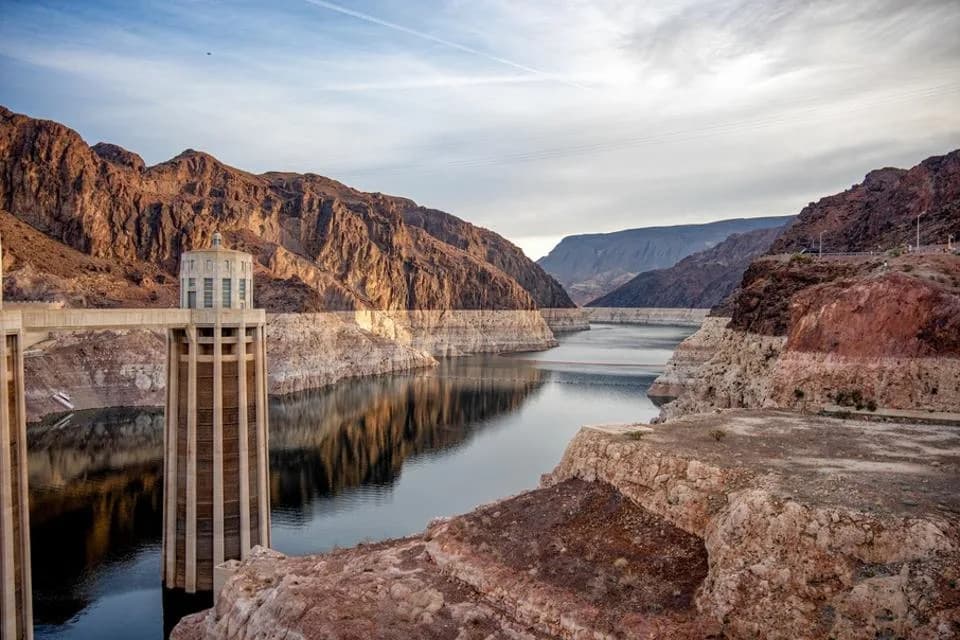
This spring, managers will release large volumes from Flaming Gorge to raise Lake Powell and preserve hydropower at Glen Canyon Dam, which supplies low-cost electricity to more than 350,000 homes. The releases could lower Flaming Gorge by 10–27 feet and reduce downstream flows to Lake Mead and Hoover Dam, cutting power output and affecting recreation and local economies. Officials say the move is a temporary but costly measure with ecological risks, including favoring invasive smallmouth bass over native fish.
Major Releases From Flaming Gorge To Restore Lake Powell Hydropower — With Significant Downstream Costs
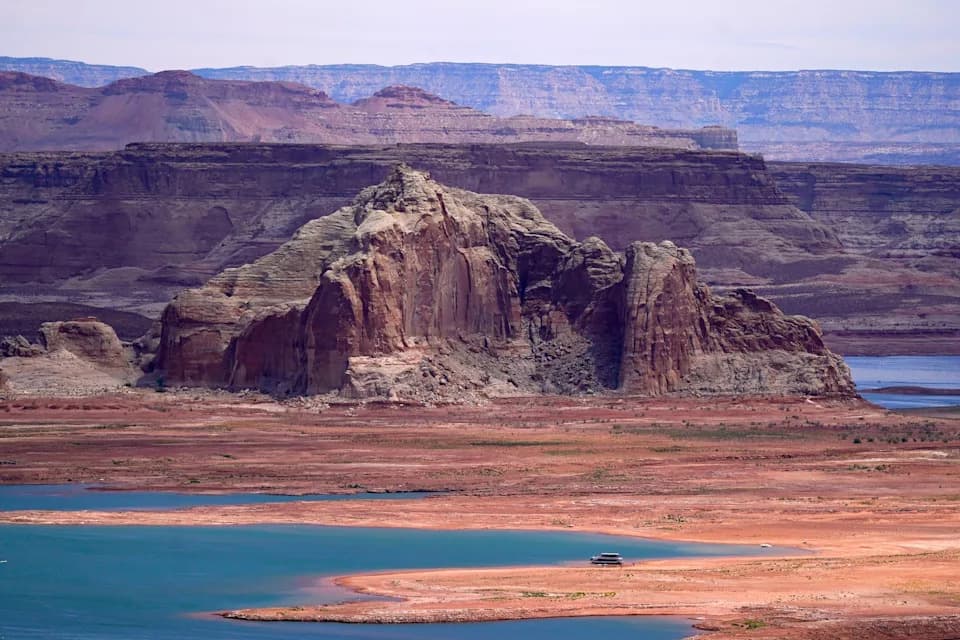
FILE - Low water levels at Wahweap Bay at Lake Powell, along the Upper Colorado River Basin are shown, June 9, 2021, at the Utah and Arizona border at Wahweap, Ariz. (AP Photo/Ross D. Franklin, File)(ASSOCIATED PRESS)
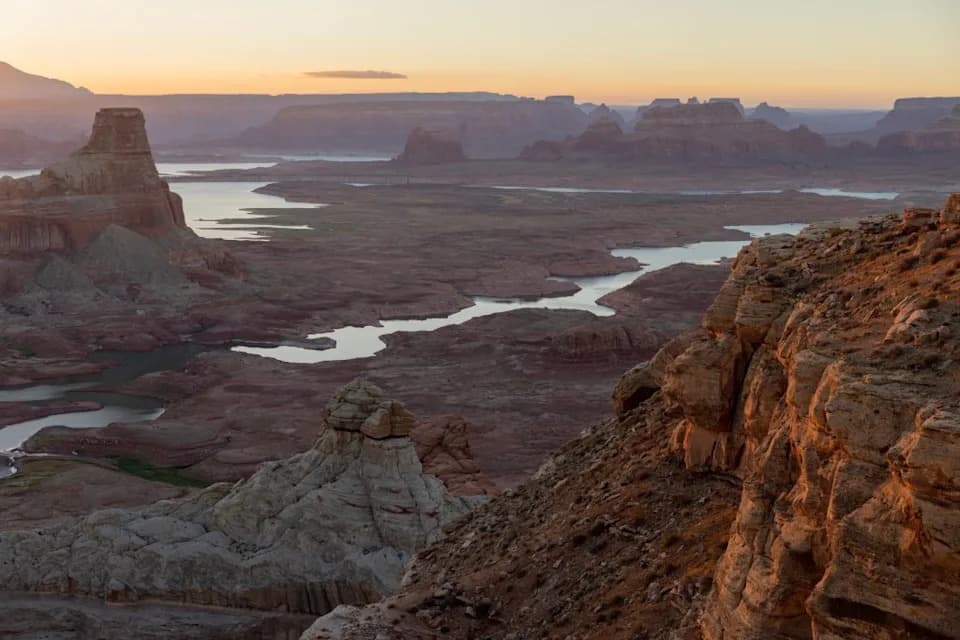
FORT COLLINS, Colo. — Federal water managers plan large, carefully timed releases from Flaming Gorge Reservoir this spring to raise drought-depleted Lake Powell and preserve hydropower generation at Glen Canyon Dam. The surge — described by managers as the equivalent of tens of thousands of toilets flushing continuously — is intended to keep turbines operating for hundreds of thousands of customers, but it will come with clear recreational, economic and ecological trade-offs upstream and downstream.
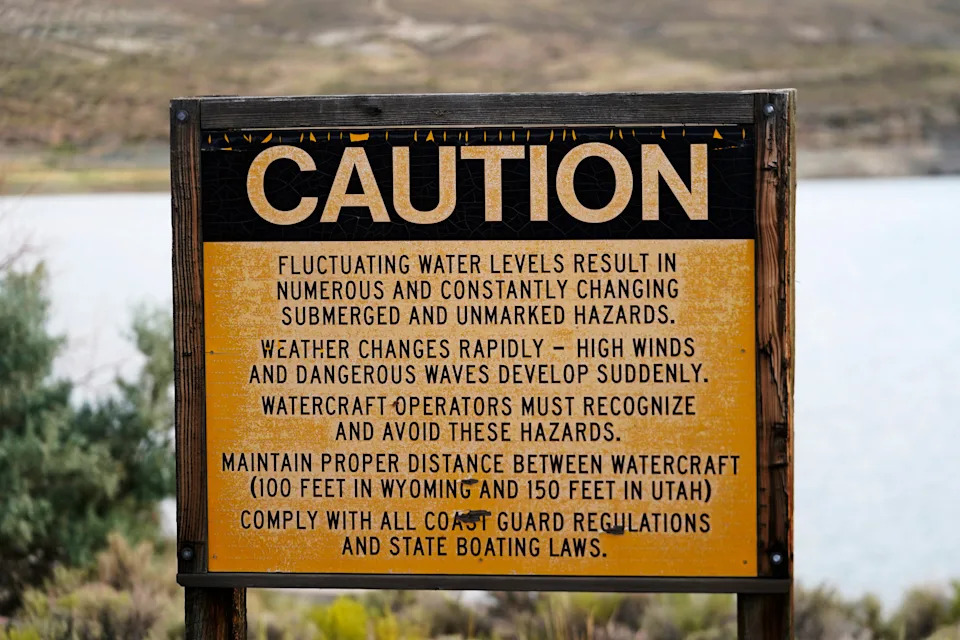
FILE - A sign cautioning fluctuating water levels is displayed at Firehole Canyon, on the far northeastern shore of Flaming Gorge Reservoir, Friday, Aug. 5, 2022, in Wyoming. (AP Photo/Rick Bowmer, File)(ASSOCIATED PRESS)
Why Releases Are Needed
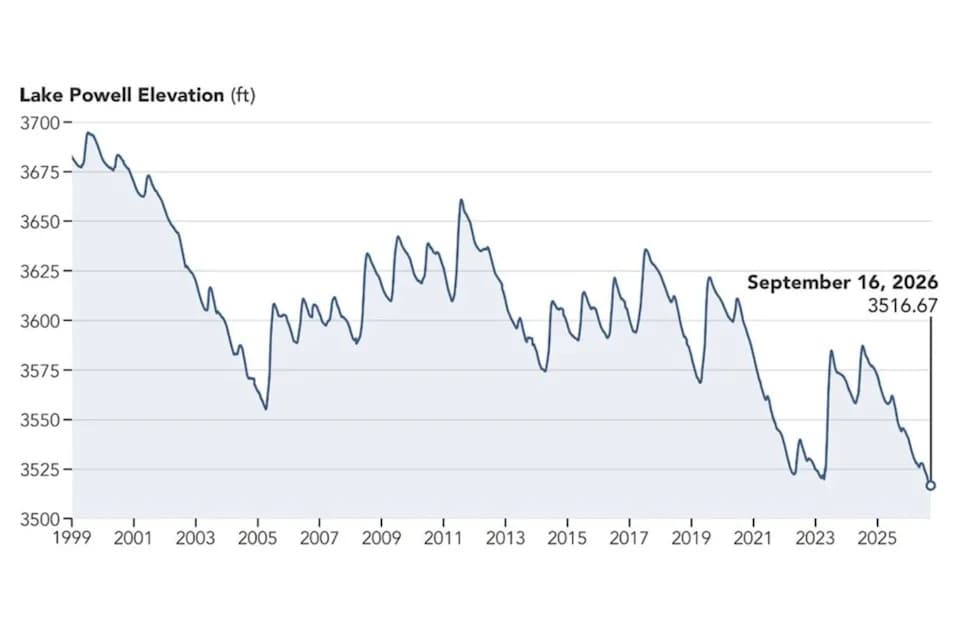
Lake Powell now sits near 3,526 feet (about 1,075 meters) above sea level — roughly 23% of its capacity — after what officials called one of the driest winters on record. Hydropower generation at Glen Canyon requires the reservoir to remain above the intake level of 3,490 feet (about 1,200 meters). If the lake drops below that threshold, turbines can draw air and risk damage, and power output would fall sharply.
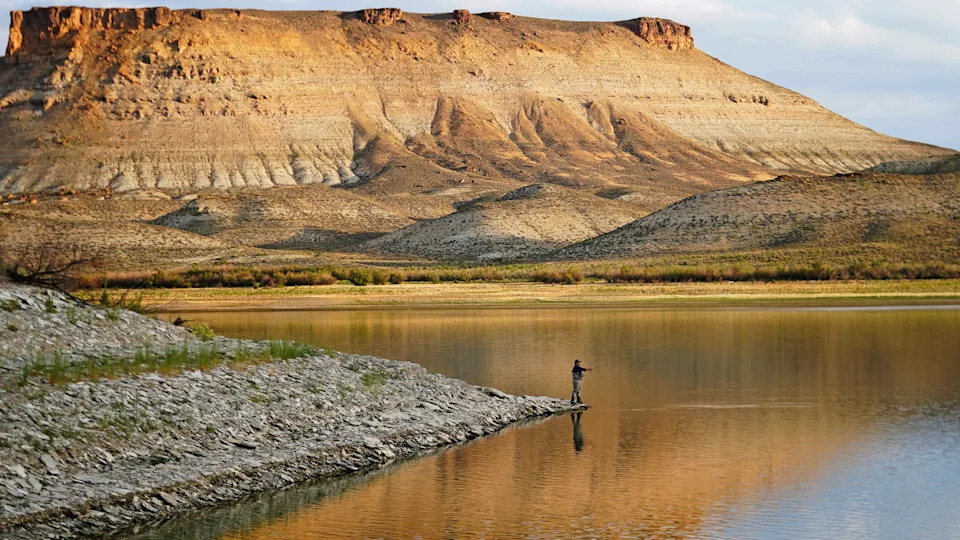
FILE - Nick Gann fishes in Firehole Canyon, Friday, Aug. 5, 2022, on the far northeastern shore of Flaming Gorge Reservoir, in Wyoming. (AP Photo/Rick Bowmer, File)(ASSOCIATED PRESS)
What’s Planned
To shore up Lake Powell’s level, managers will release substantial volumes from Flaming Gorge on the Green River, upstream in Wyoming and Utah. Initial forecasts expect Flaming Gorge to fall about 10 feet (3 meters) by late summer, with potential declines of up to 27 feet (8 meters) by next year if conditions remain dry. The Bureau of Reclamation previously released an unprecedented 500,000 acre-feet from Flaming Gorge in 2022; the current operation could ultimately total roughly double that volume.
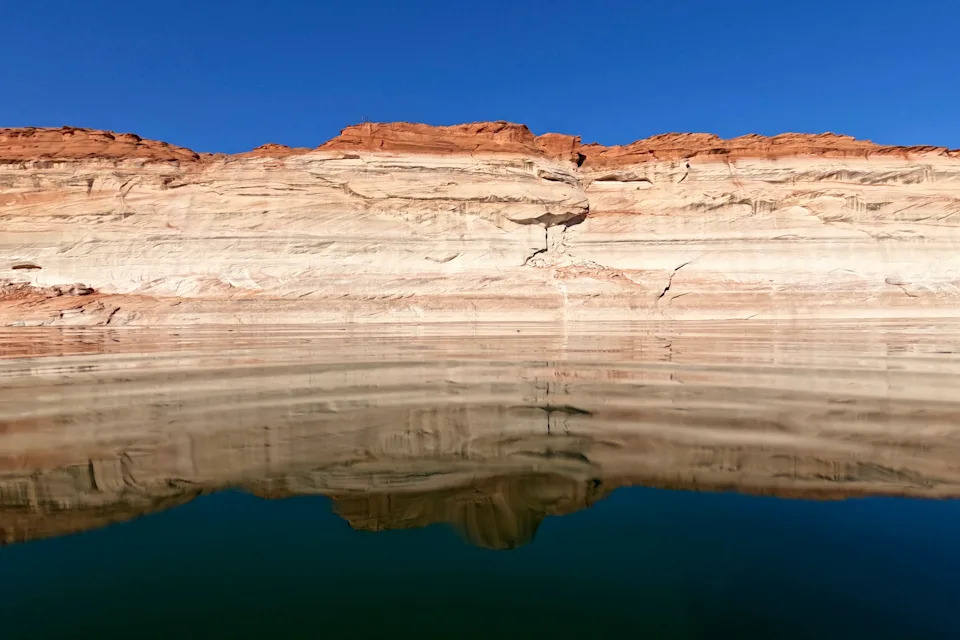
FILE - Bathtub rings show how low Lake Powell levels have declines, June 8, 2022, in Page, Ariz. (AP Photo/Brittany Peterson, File)(ASSOCIATED PRESS)
Who’s Affected
The decision aims to protect low-cost, carbon-free electricity provided by Glen Canyon Dam to more than 350,000 homes. About 155 entities — cities, tribes, rural electric cooperatives and public utility districts — receive hydropower from Glen Canyon and other federal generators. The federal Western Area Power Administration (WAPA) has contractual obligations to deliver a set amount of power; if hydropower falls, WAPA must buy replacement electricity, likely at higher cost and from less renewable sources.
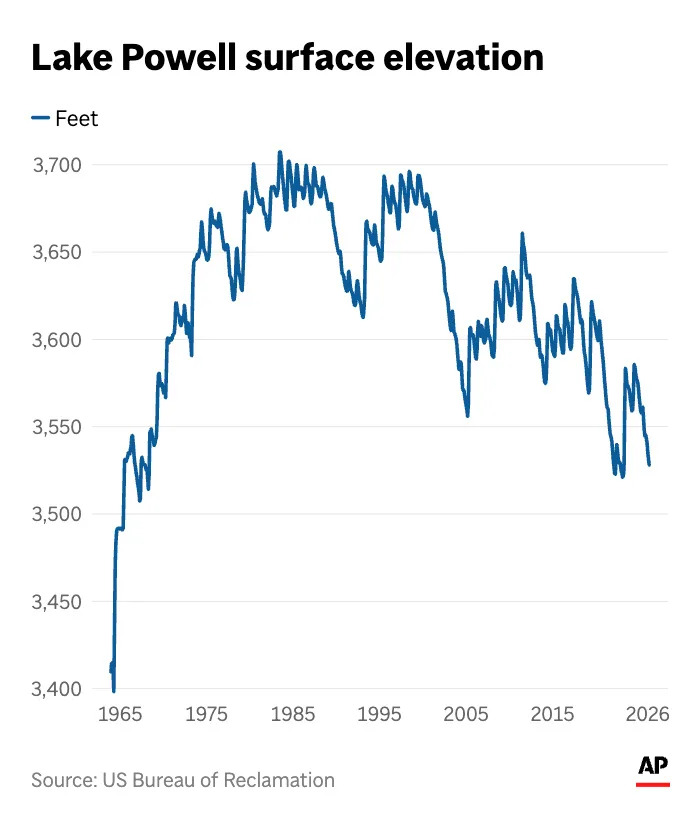
The image above shows Lake Powell's surface elevation over the years. (AP Digital Embed)(ASSOCIATED PRESS)
Utilities already replacing lost federal hydropower have seen rate pressure. Heber Light & Power, southeast of Salt Lake City, has faced yearly increases tied to market purchases of replacement energy, including a recent 13% rate adjustment.
Downstream Trade-Offs
Holding about 1.5 million acre-feet in Lake Powell to protect power generation is expected to reduce outflows that would normally feed Lake Mead, lowering its level and forcing Hoover Dam to produce roughly 40% less electricity. Lake Mead could return to the low levels that exposed submerged boats and other artifacts in recent years.
Environmental And Recreational Impacts
At Flaming Gorge, marina owners like Tony and Jen Valdez expect longer walks to the water and operational difficulties as shoreline recedes. Managers say early release pulses will be calibrated to help native fish in the Green River, but warmer surface water from Powell risks favoring invasive smallmouth bass downstream — a threat to the native, threatened humpback chub. Conservation groups such as the Grand Canyon Trust urge that releases include deeper, cooler water to limit the spread of invasive species.
Outlook
Officials stress this is a stopgap measure while the region confronts a long-running “megadrought” exacerbated in part by climate change. Past releases in 2022 were followed by a wet winter, temporarily easing stress; but scientists warn a year or two of wetter weather will not end multi-decade water shortages. Local residents and businesses hope for a return to wetter conditions, while officials continue to weigh trade-offs between power, water supply and ecosystem health.
“Of course we’re concerned,” said Jen Valdez of Buckboard Marina. “And it will probably get to a point where we’ll need to be more concerned.”
Reporting note: Pineda reported from Los Angeles. The Associated Press receives support from the Walton Family Foundation for coverage of water and environmental policy; AP retains full editorial control.
Help us improve.