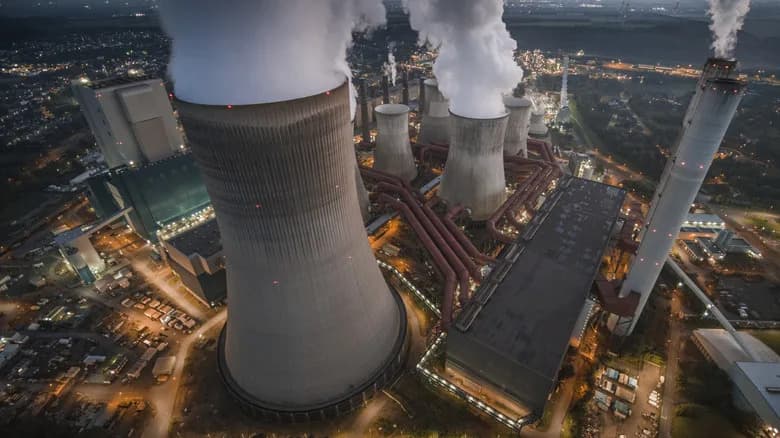
China is bringing some mothballed coal-fired power stations back online to strengthen energy independence after recent geopolitical shocks highlighted import vulnerabilities. While this offers a quick boost to supply, reactivating older coal units risks slowing progress in decarbonising the power system. At the same time, higher global demand for Chinese clean-energy equipment may help stabilise prices and alleviate domestic solar overcapacity concerns.
China Reboots Idle Coal Plants to Bolster Energy Independence — Climate Gains at Risk
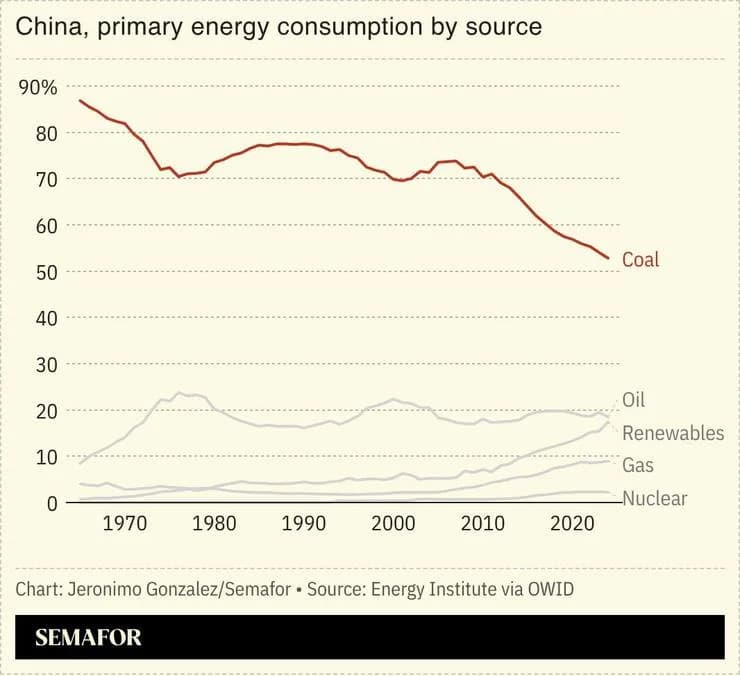
A chart showing China’s primary energy consumption by source.
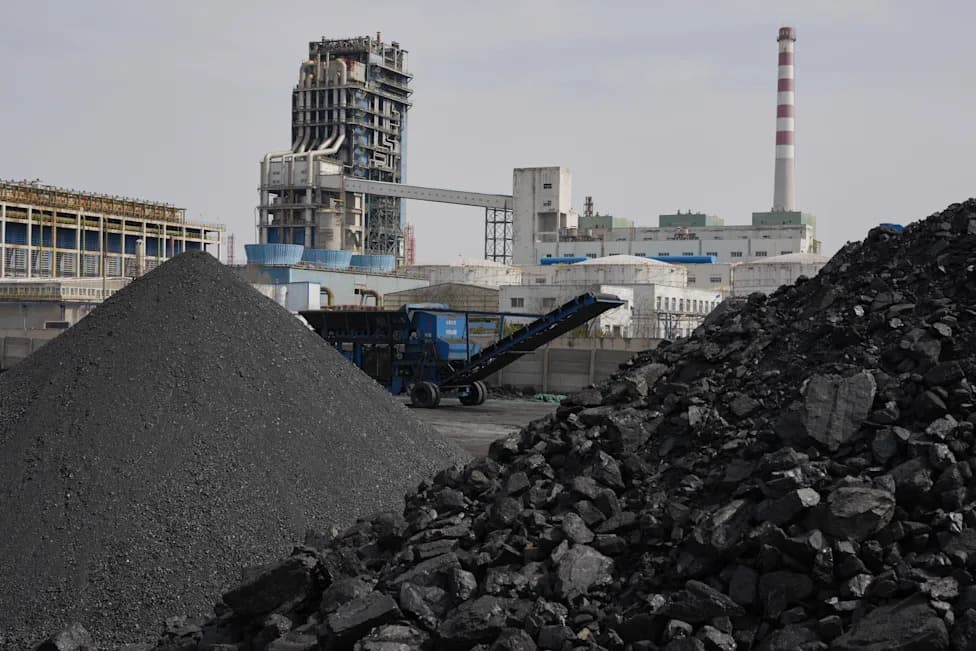
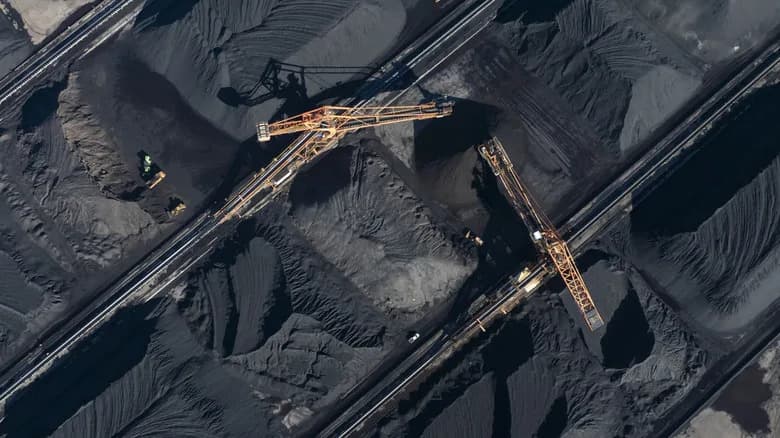
China has begun restarting a number of mothballed coal-fired power stations as policymakers weigh energy security against climate commitments. The move is intended to reduce reliance on some imported fuels after recent geopolitical shocks exposed vulnerabilities in global energy supply chains.
Why the Restart?
Although China largely avoided the worst disruptions from the Iran war, the conflict highlighted import vulnerabilities and prompted officials to consider inexpensive domestic coal as a partial substitute for some natural gas supplies. Recommissioning idle plants is a quicker, short-term option to shore up power availability than building new capacity.
Risks to Climate Progress
Reactivating coal capacity could slow the pace of decarbonisation in China’s power mix. Many mothballed units are older and less efficient, producing higher emissions per megawatt-hour than modern plants. The decision risks undoing parts of the country’s recent gains in greening the grid unless paired with clear sunset plans or emissions controls.
Potential Upside for Clean-Energy Manufacturers
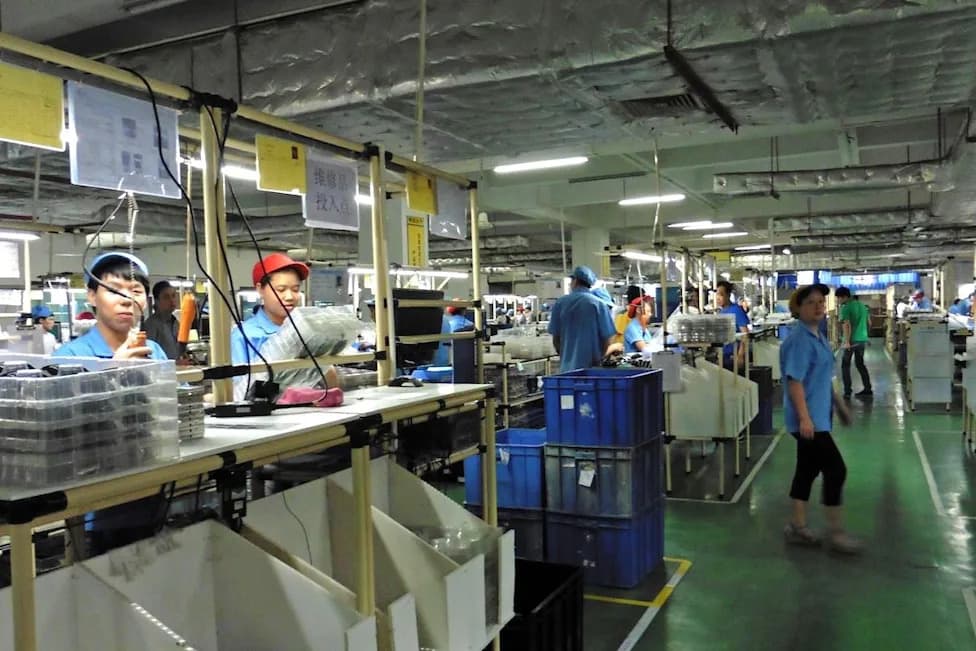
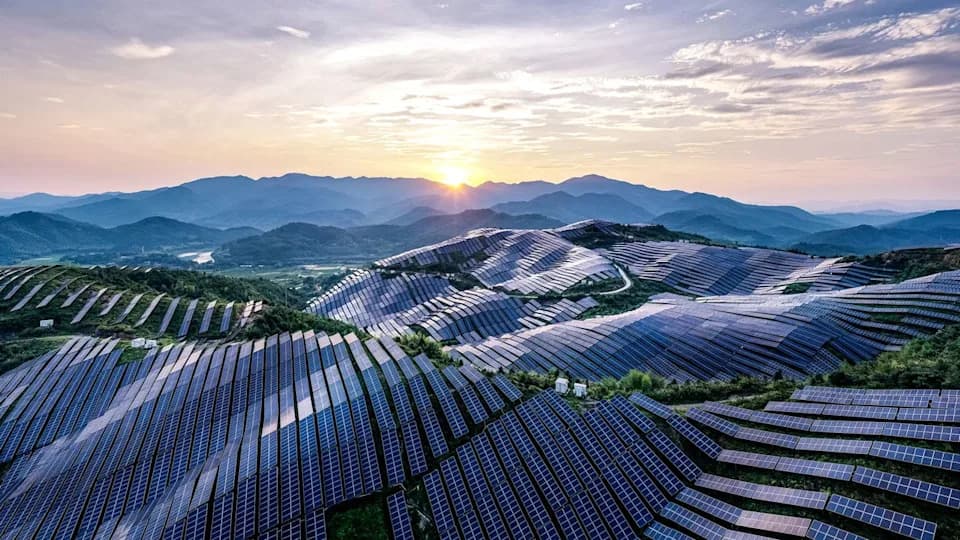
At the same time, regional instability may increase international demand for Chinese-made green-energy equipment. Rising overseas orders for solar panels, wind turbines and battery components could help stabilise prices and ease the domestic overcapacity pressures that recently prompted Beijing to curb new solar additions.
What Comes Next?
China appears to be balancing short-term energy security with longer-term climate and industrial policy. The key questions are how many units will remain online, whether coal restarts are temporary, and what measures Beijing will take to limit added emissions. Observers will also watch whether expanded foreign demand for clean-energy kit offsets the climate impact of any coal resurgence.
Bottom line: The recommissioning of idle coal plants is a pragmatic response to supply risks, but it raises trade-offs between energy security and China’s decarbonisation goals.
Help us improve.