The Senate voted 50-49 to use the Congressional Review Act to overturn a Biden-era mining ban in Minnesota’s Superior National Forest, jeopardizing decades of land-management plans and thousands of permits nationwide. This is the first time lawmakers have applied the CRA to a Forest Service decision, extending a legal theory already used against BLM plans. Conservationists warn of long-term environmental harm to the Boundary Waters, while proponents argue the mine would create jobs. Legal challenges are expected as the resolution goes to the President for signature.
Senate Vote to Revoke Mining Ban Threatens Scores of Forest Service Plans
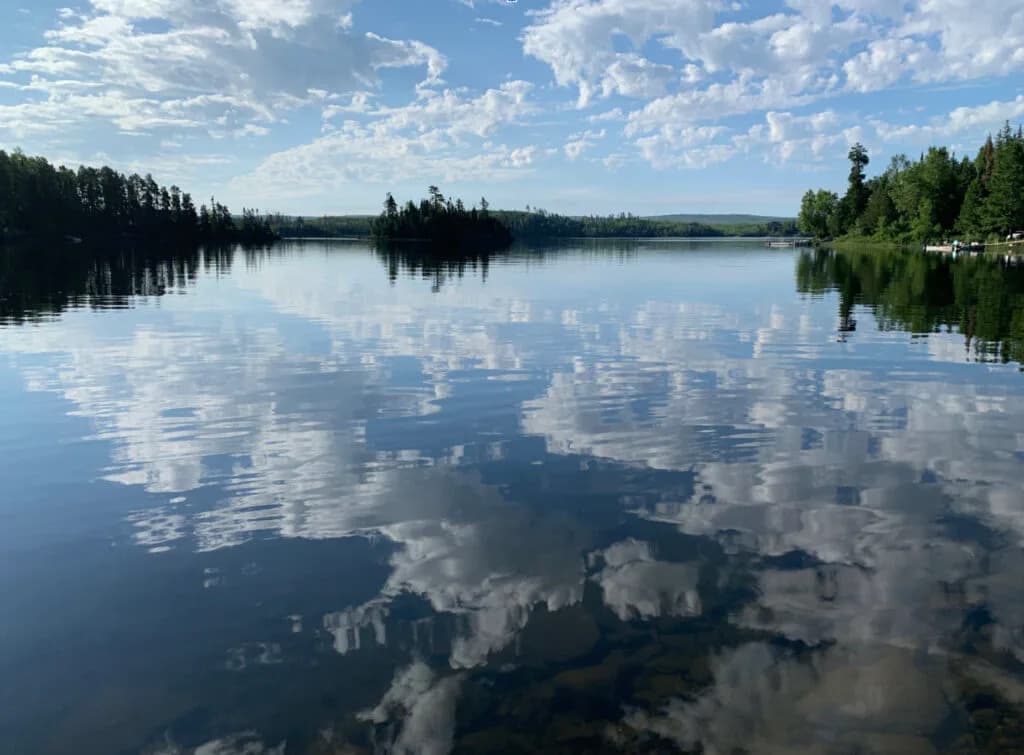
Seagull Lake in the Boundary Waters. Superior National Forest is home to 20% of all fresh water in the entire national forest system. A congressional vote to allow mining in the area could have broad national ramifications. (Photo by Christina MacGillivray/Minnesota Reformer)
The U.S. Senate narrowly voted 50-49 to overturn a Biden-era mining prohibition in Minnesota’s Superior National Forest, using the seldom-invoked Congressional Review Act (CRA). The move reopens parts of the national forest to mineral development and raises fresh questions about the legal status of decades of U.S. Forest Service and Bureau of Land Management planning documents and the permits issued under them.
Why This Matters
The CRA requires federal agencies to submit rules to Congress for possible review before they take effect. Historically, high-level land-management plans were not treated as "rules," so they were not submitted. A new Republican legal theory holds that some plans do qualify as rules and therefore are reviewable—and revocable—under the CRA.
Until this vote, the CRA had been used recently to rescind several Bureau of Land Management plans that restricted resource extraction. This Senate action marks the first time Congress has applied the CRA to overturn a Forest Service public land order. That shift could imperil more than 100 management plans and create legal uncertainty for thousands of permits governing logging, grazing, mining, recreation and other activities.
Local Stakes: The Boundary Waters
The disputed provision had prohibited mining in parts of the Superior National Forest that include the headwaters of the Boundary Waters Canoe Area Wilderness—widely regarded as America’s most-visited wilderness. The forest contains roughly 20% of all freshwater held across the national forest system. A Chilean company has proposed a hard-rock mine near Birch Lake to extract copper, nickel and cobalt at the Boundary Waters watershed headwaters. Wilderness advocates warn that leaks or runoff from such operations could irreversibly damage the region’s renowned water quality.
“There’s a huge playing field of actions that would be forbidden if none of these management plans are lawfully in place,” said Robert Anderson, who served as solicitor at the Department of the Interior during the Biden administration. “This could bring things to a screeching halt.”
Longtime outdoor writer Wes Siler warned that invalidating management plans could force the Forest Service to redo decades of planning and could pause industrial operations while courts resolve the disputes.
Politics, Economics and Legal Fallout
Supporters of the resolution, including Representative Pete Stauber (R-Minn.), argue the mine would bring jobs to a rural region. Opponents counter that the Boundary Waters–centered tourism economy is a larger and more sustainable economic driver, and note the mine would be operated by a foreign company likely to export much of the ore.
Senators on both sides of the aisle questioned the precedent. Two Republicans—Senators Susan Collins and Thom Tillis—voted against the measure and warned the new interpretation of the CRA could produce unintended consequences for future administrations and for other public lands decisions.
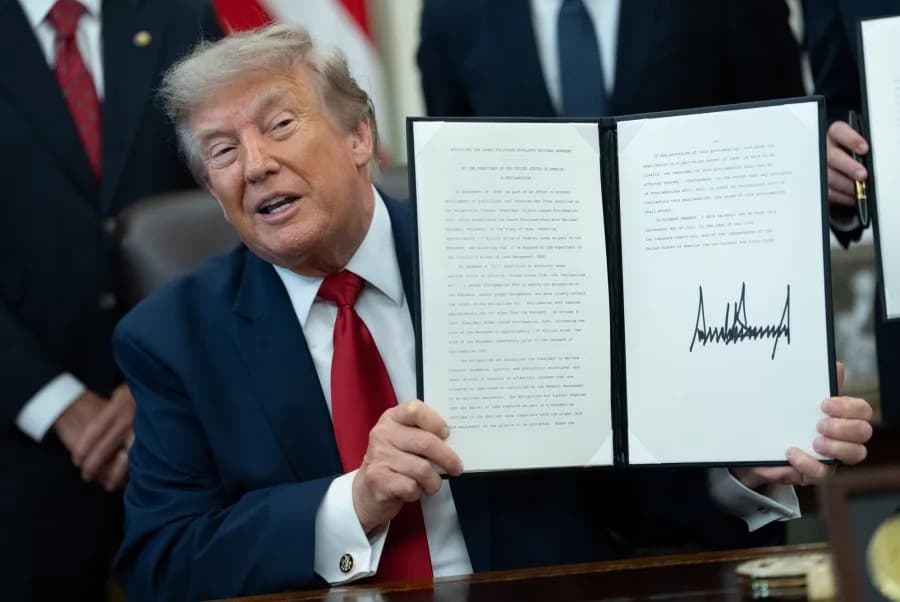
The resolution now proceeds to the President for signature. Supporters and opponents alike expect litigation: conservation groups and other stakeholders have signaled they will likely challenge the CRA’s application to Forest Service actions in federal court.
Implications: Legal experts say a court could rule that certain resource management plans were never lawfully in effect—and that could invalidate the many permits and implementation actions taken under those plans, affecting hundreds of millions of acres of public lands managed by the Forest Service and the BLM.
Stateline reporter Alex Brown can be reached at [email protected].
Help us improve.