Climate change is advancing far faster than evolution, threatening ecosystems from redwood forests to seagrass meadows and coral reefs. Conservation genomics — sequencing whole genomes to find climate-resilient traits — is being tested on corals, eelgrass and redwoods to guide restoration and breeding. Early successes include a hybrid eelgrass with genes for low-light photosynthesis and sequencing of the redwood genome, but the methods remain experimental, underfunded and cannot substitute for emissions reductions or preserving ecosystem complexity.
Climate Change Outruns Evolution — Scientists Use Genomics To Help Species Adapt
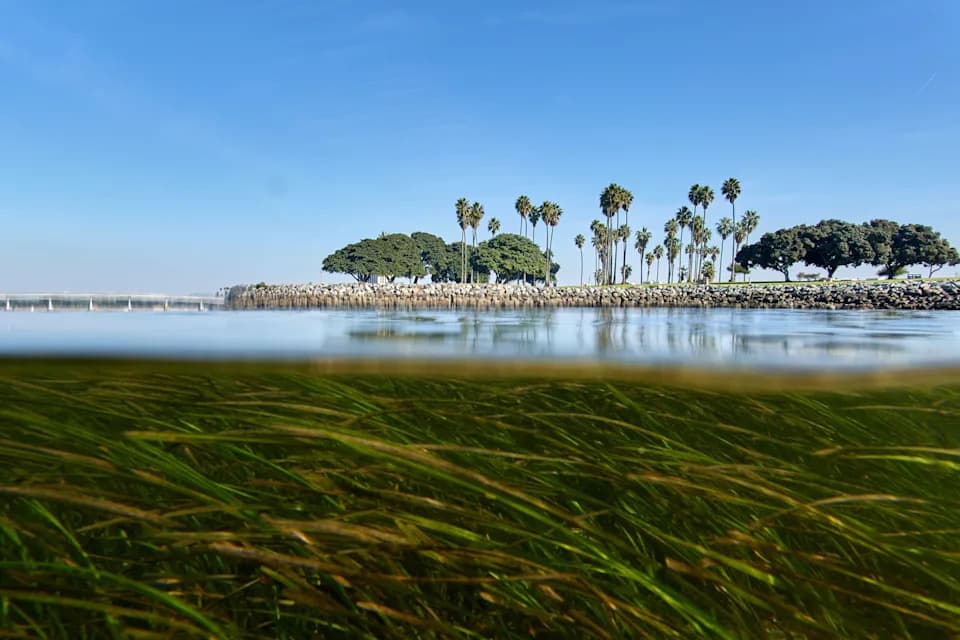
Eelgrass sways in the current in San Diego's Mission Bay, Tuesday, Dec. 2, 2025. (AP Photo/Annika Hammerschlag)(ASSOCIATED PRESS)
Evolution typically unfolds over millennia, but climate change is racing ahead in years and decades. That gap is pushing vital ecosystems — from California's towering redwoods to coastal seagrass meadows and coral reefs — toward collapse as rising temperatures, marine heat waves, intense wildfires and coastal development alter habitats faster than species can adapt.
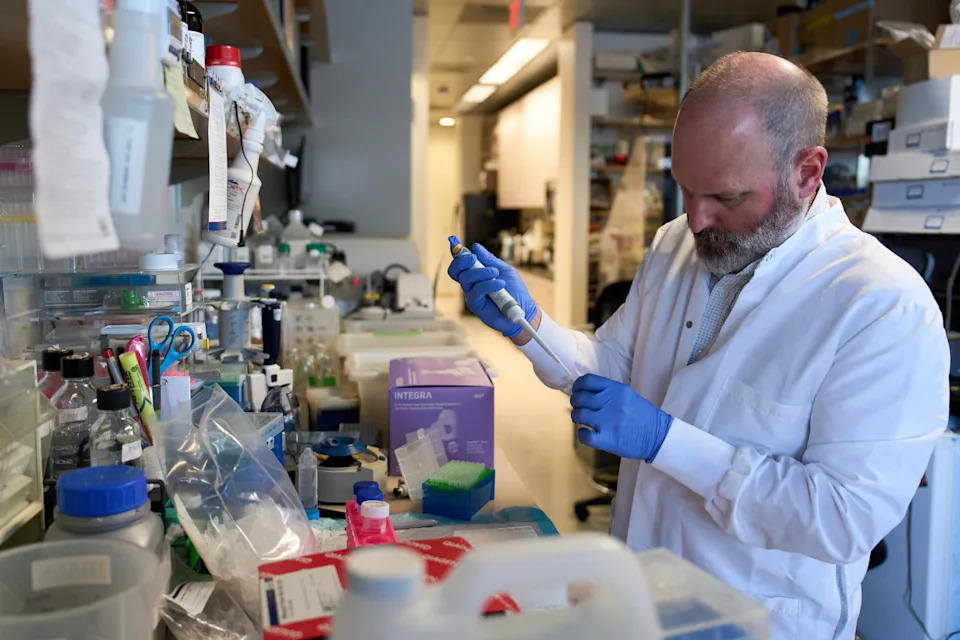
Todd Michael, a research professor at the Salk Institute for Biological Studies, works at his lab in San Diego, Wednesday, Dec. 3, 2025. (AP Photo/Annika Hammerschlag)(ASSOCIATED PRESS)
What Is Conservation Genomics?
Conservation genomics sequences whole genomes to identify genes and individuals that carry traits likely to improve survival under new climate stresses such as heat, drought and low light. Researchers can then use this information to guide restoration, selective breeding and assisted migration efforts aimed at boosting resilience in the wild.
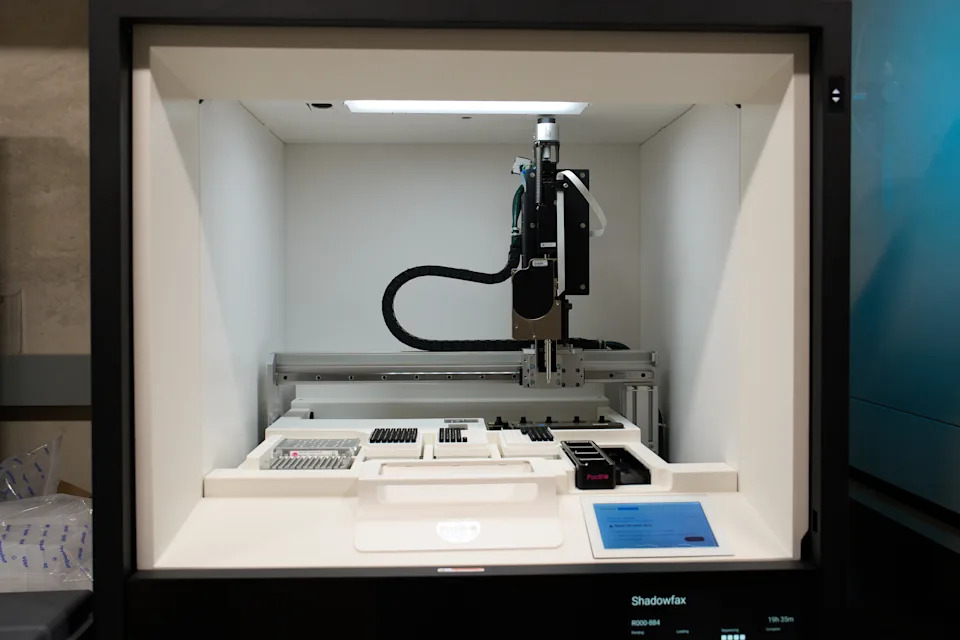
The Pacific Biosciences Revio, which can decode an entire human genome in one day, sits at the Salk Institute for Biological Studies in San Diego, Wednesday, Dec. 3, 2025. (AP Photo/Annika Hammerschlag)(ASSOCIATED PRESS)
Corals: Finding Heat-Tolerant Colonies
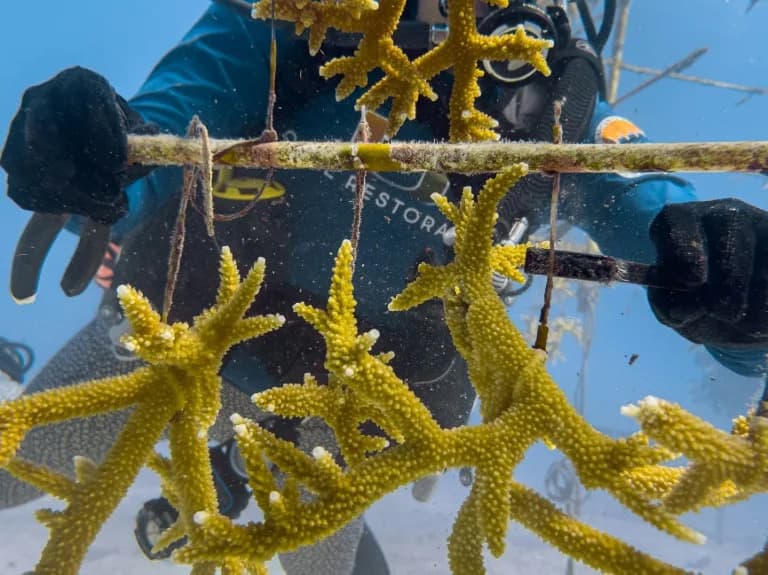
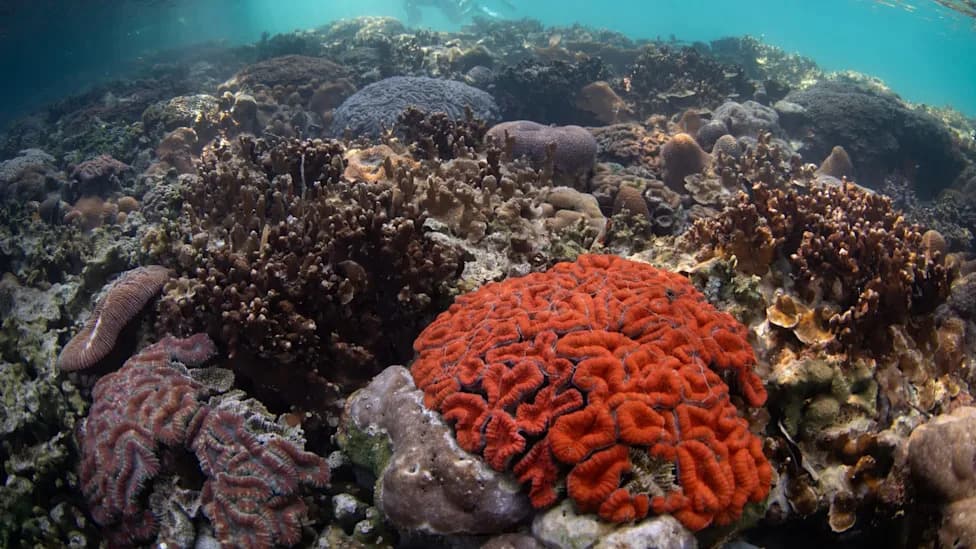
Repeated marine heat waves have driven mass bleaching and die-offs of coral reefs worldwide. By sequencing both corals and their symbiotic algae, scientists have identified naturally heat-tolerant colonies and are testing whether cultivating or breeding these strains can help reefs recover and resist future warming.

Homes line the shore of San Diego's Mission Bay, Wednesday, Dec. 3, 2025. (AP Photo/Annika Hammerschlag)(ASSOCIATED PRESS)
Eelgrass In Southern California: A Promising Hybrid
In San Diego’s bays, warming waters, more frequent king tides that stir sediment, and runoff that clouds the water have made eelgrass restoration increasingly difficult — replanting efforts fail about half the time. Researchers at the Salk Institute working in Mission Bay discovered a naturally occurring hybrid between shallow-water Zostera marina and deeper-water Zostera pacifica that persisted where both parents struggled.
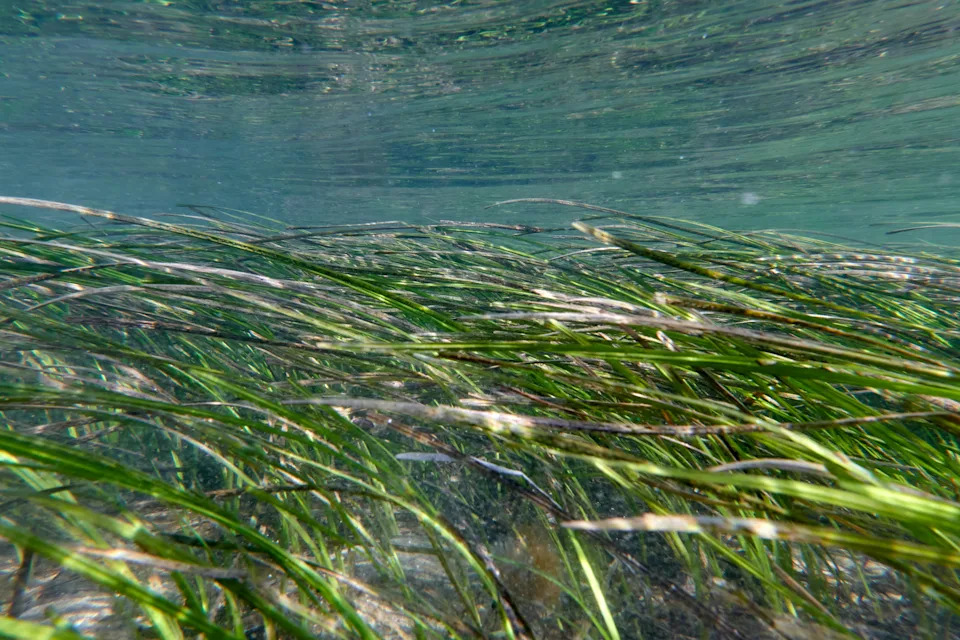
Eelgrass sways in the current in San Diego's Mission Bay, Tuesday, Dec. 2, 2025. (AP Photo/Annika Hammerschlag)(ASSOCIATED PRESS)
Genome sequencing of the hybrid revealed genes tied to the plant’s circadian clock that remain active longer under low-light conditions, a trait believed to improve photosynthesis in murky water. These findings suggest selective planting or breeding could increase restoration success, though the approach remains experimental and has not yet been deployed at scale. Teams are collaborating with ecologists at Scripps Institution of Oceanography to explore field applications.
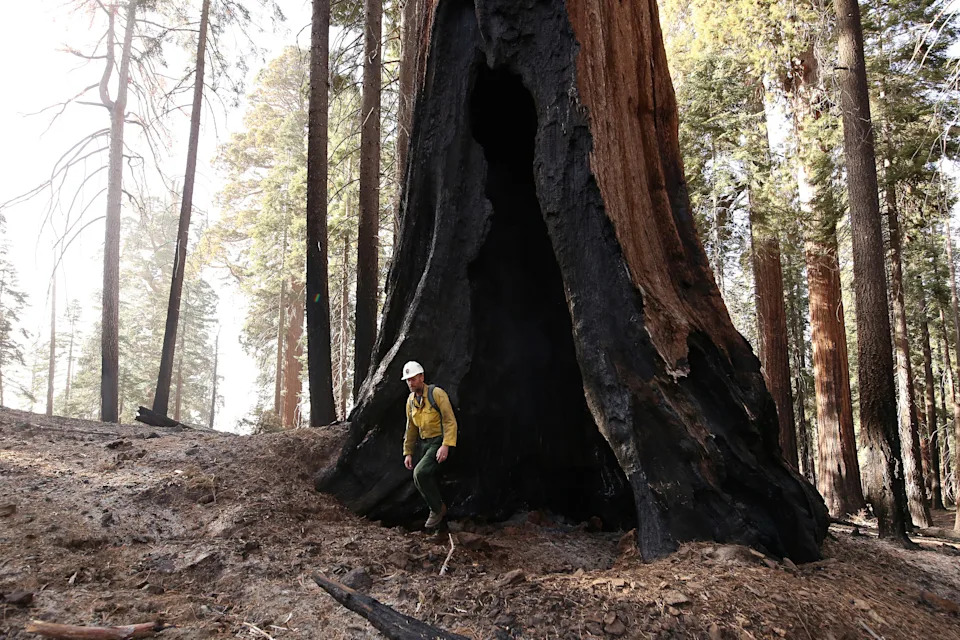
FILE - Assistant Fire Manager Leif Mathiesen, of the Sequoia & Kings Canyon Nation Park Fire Service, walks near a burned-out sequoia tree from the Redwood Mountain Grove which was devastated by the KNP Complex fires in the Kings Canyon National Park, Calif., Nov. 19, 2021. (AP Photo/Gary Kazanjian, File)(ASSOCIATED PRESS)
Redwoods: Massive Genomes and Restoration Challenges
Redwood forests store more carbon per acre than almost any other forest type, yet they face hotter, more destructive fires and prolonged drought. Historic logging removed roughly 95% of old-growth redwoods, severely reducing genetic diversity. Scientists have sequenced the enormous redwood genome — nearly nine times the size of the human genome — to search for genes linked to drought and temperature tolerance.

FILE - Cars drive on highway 101 flooded by a king tide, the year's highest tides, Jan. 3, 2026, near Corte Madera in Marin County, Calif. (AP Photo/Ethan Swope, File)(ASSOCIATED PRESS)
Early analyses are beginning to associate particular genes with adaptive traits, but researchers stress that rigorous validation and far more funding are needed before genomics can reliably guide large-scale restoration.
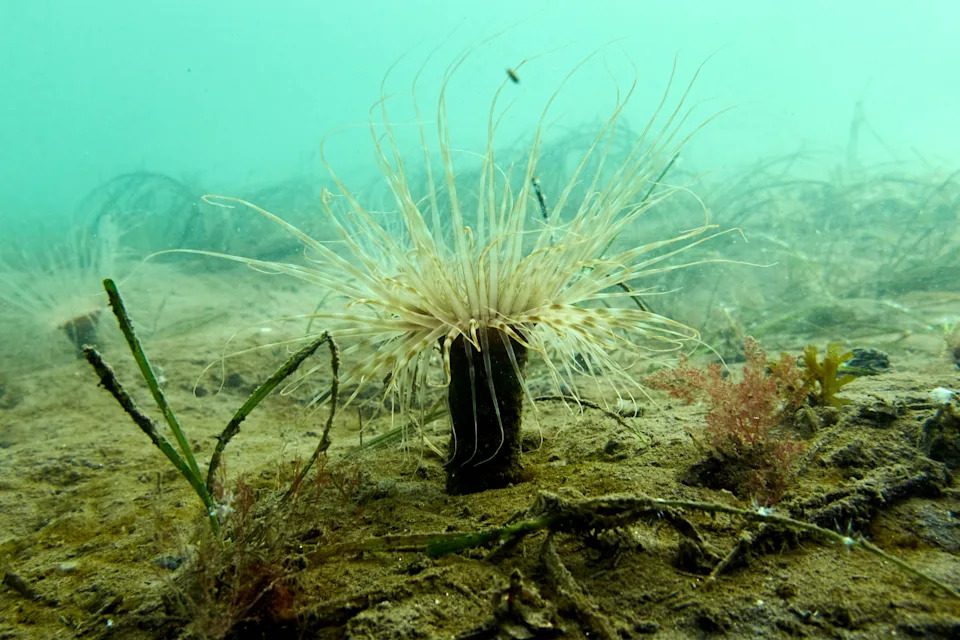
A sea anemone sits beside a patch of eelgrass in San Diego's Mission Bay, Tuesday, Dec. 2, 2025. (AP Photo/Annika Hammerschlag)(ASSOCIATED PRESS)
Limits, Ethics And The Bigger Picture
Experts emphasize that genomics is a tool, not a fix-all. Ecosystems rely on complex interactions among plants, animals, microbes and fungi; improving resilience in one species does not guarantee ecosystem recovery. "It can be helpful, but it’s not a solution unto itself," says Karen Holl of UC Santa Cruz. Reducing greenhouse gas emissions and protecting habitats remain top priorities.
“Where one organism was adapted to a certain location at one moment in time, it may no longer be,” said David Neale, forest geneticist at UC Davis. “It might require different genetic variation to adapt to the new environment.”
Outlook
Conservation genomics offers promising ways to accelerate adaptive responses in long-lived and vulnerable species, but it comes with scientific, logistical and ethical challenges. For now, genomic approaches complement — not replace — emissions cuts, habitat protection and ecosystem-based conservation.
Reporting contributions: Associated Press. Follow reporter Annika Hammerschlag on Instagram: @ahammergram.
Help us improve.