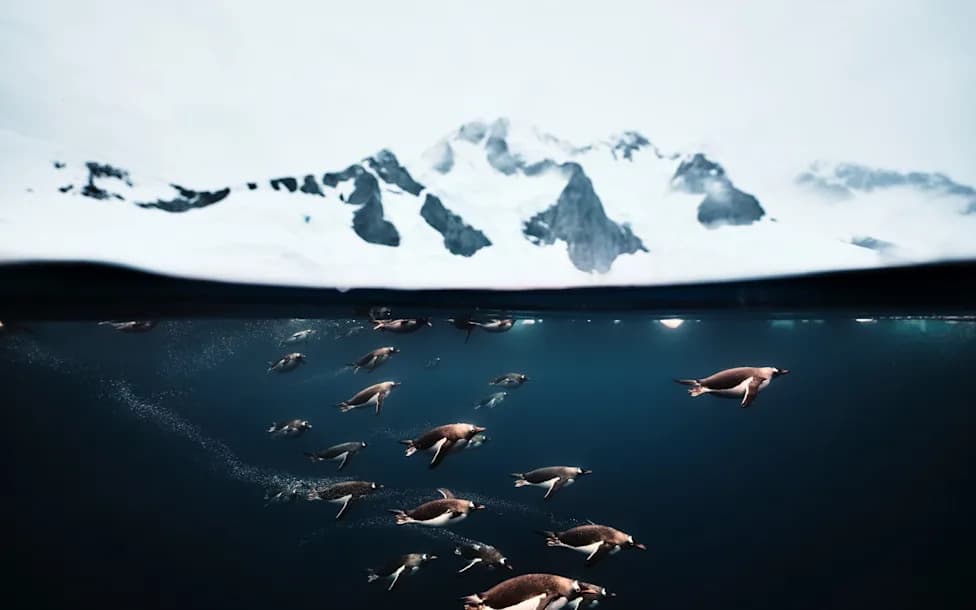
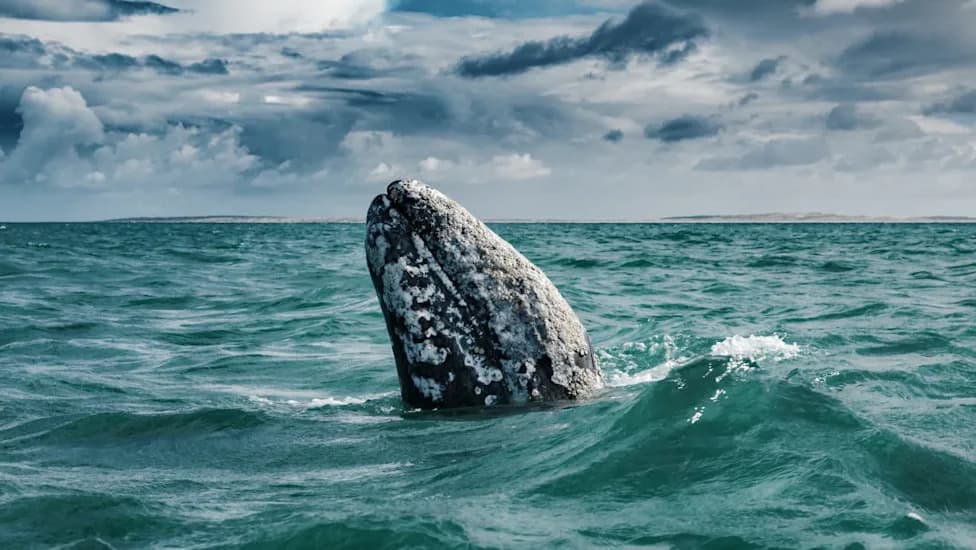
The IUCN has reclassified the emperor penguin from Near Threatened to Endangered after models show the population could be cut by roughly half by the 2080s. The main threat is breakup and long-term loss of Antarctic sea ice, which the species needs for breeding. The IUCN also listed the Antarctic fur seal as Endangered following a drop of more than 50% since 1999, linking declines to warming waters and shrinking ice.
IUCN Reclassifies Emperor Penguin As Endangered; Sea Ice Loss Could Halve Population by 2080s
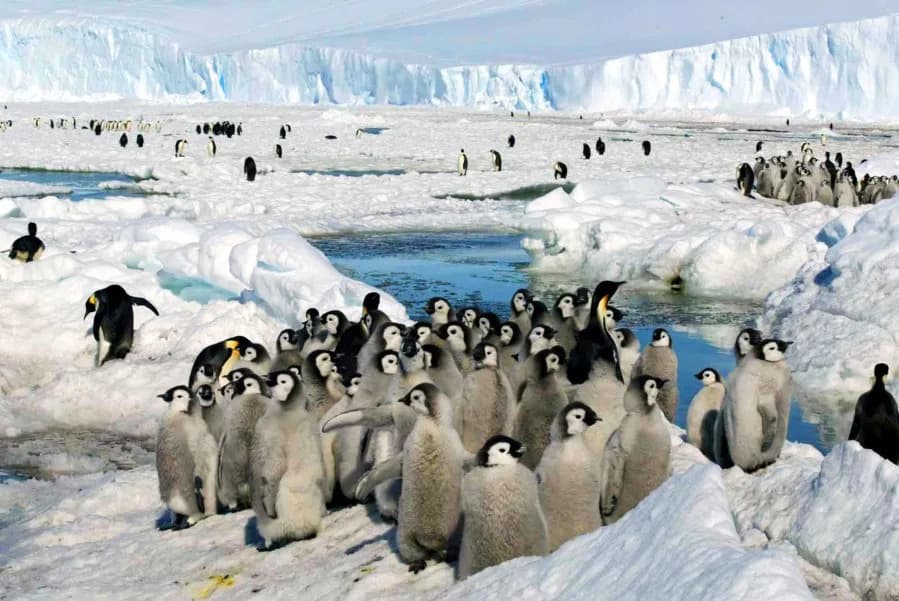
The International Union for the Conservation of Nature (IUCN) has upgraded the emperor penguin from Near Threatened to Endangered, warning that the iconic Antarctic species faces a significantly increased risk of extinction.
Why The Status Changed
The IUCN made the change after models projected that emperor penguin numbers could fall by about half by the 2080s. Scientists say the primary driver of this decline is the breakup and loss of sea ice across Antarctica, which has recently hit record low levels in many regions.
Life On The Ice
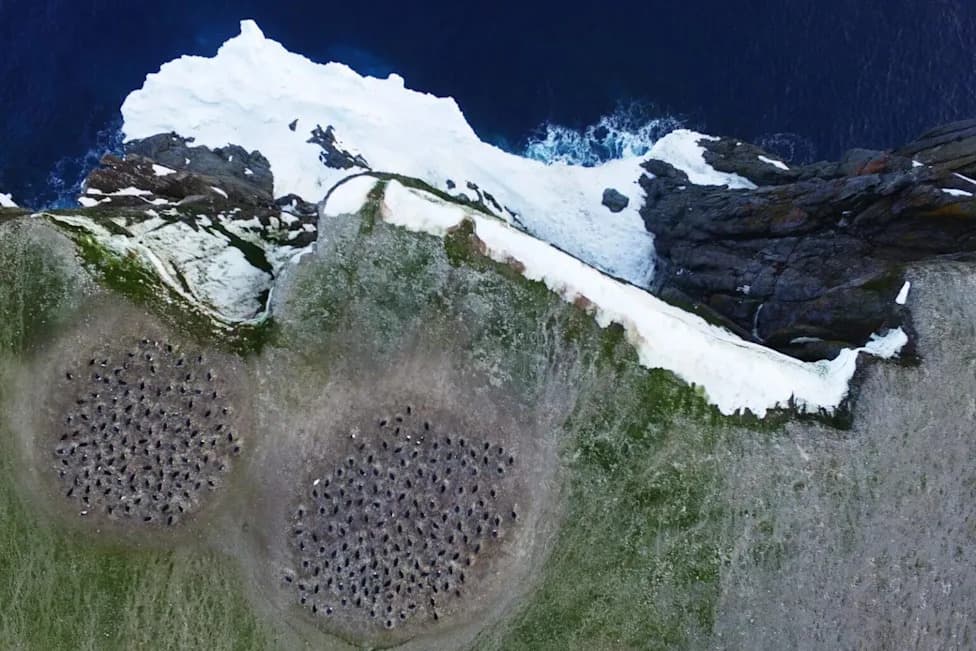
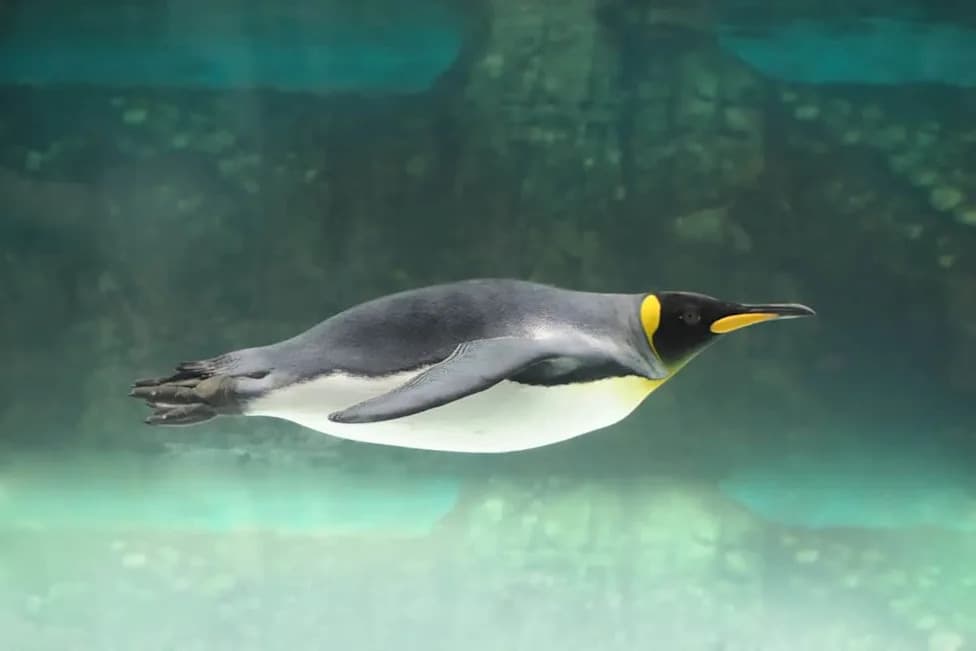
Emperor penguins are the largest penguin species: adults can reach roughly 51 inches (about 130 cm) in height, weigh up to 99 pounds (45 kg) and live as long as 20 years. They spend their entire lives on Antarctic sea ice and in the surrounding oceans. Researchers have documented more than 60 emperor penguin colonies, which rely on solid plates of land-attached sea ice to breed.
These penguins depend on roughly nine months of stable ice each year to successfully incubate eggs and raise chicks. When sea ice breaks up too early, breeding colonies can be swept into the ocean before chicks are able to swim, causing mass drownings of vulnerable young birds.
“As countries prepare to gather at the Antarctic Treaty Consultative Meeting in May, these assessments provide critical data to inform decisions regarding this majestic continent and its awe-inspiring wildlife,” said IUCN Director General Dr. Grethel Aguilar. “Antarctica’s role as our planet’s ‘frozen guardian’ is irreplaceable, offering untold benefits to humans, stabilizing the climate and providing refuge to unique wildlife.”
Other Species Affected
The IUCN also added the Antarctic fur seal to the Endangered list, reporting the species’ population has fallen by more than 50% since 1999. Scientists link the fur seal decline to rising ocean temperatures and shrinking ice, which push krill deeper and reduce the seals’ available food supply.
What This Means
The reclassification highlights the cascading impacts of climate-driven sea ice loss on Antarctic ecosystems. The IUCN assessment is expected to inform discussions at international Antarctic policy meetings and could influence conservation priorities and protections for the region.
Copyright 2026 Nexstar Media, Inc. All rights reserved.
Help us improve.