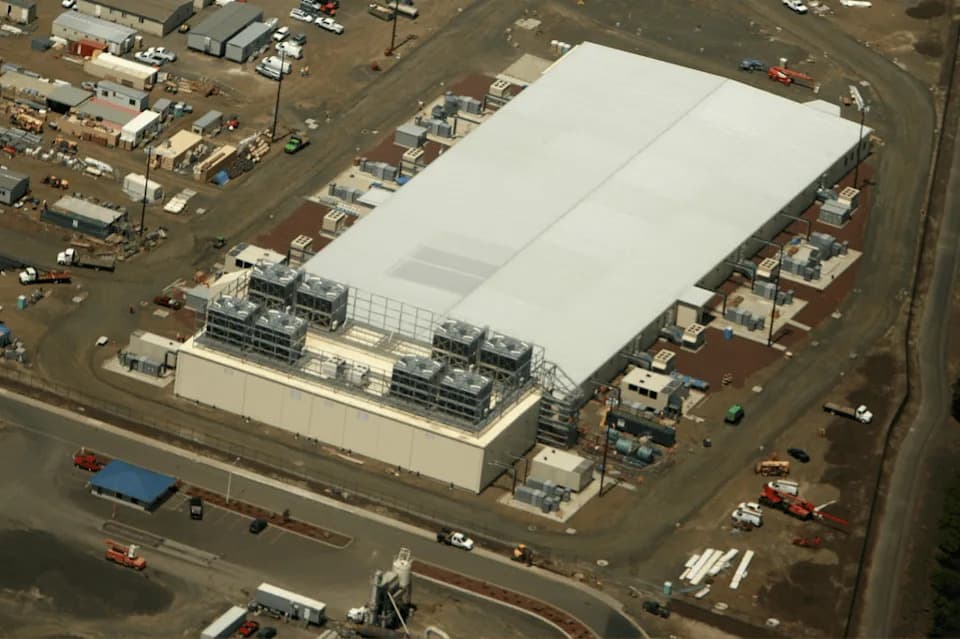
Nevada’s main utility warns planned data centers could require up to three times the electricity used by Las Vegas, potentially forcing reliance on fossil fuels and jeopardizing the state’s 50% renewable-by-2030 law. Utilities nationwide face similar pressure as AI-driven demand prompts some regions to delay coal retirements and add gas capacity. While firms like Switch claim to run on renewable power at scale, many projects still depend on gas or diesel backup, raising emissions and local air-quality concerns. Lawmakers are considering rules to require data centers to fund clean-energy capacity before projects move forward.
Data Center Boom Could Force States Back to Fossil Fuels — Nevada Warns of a Threefold Power Gap
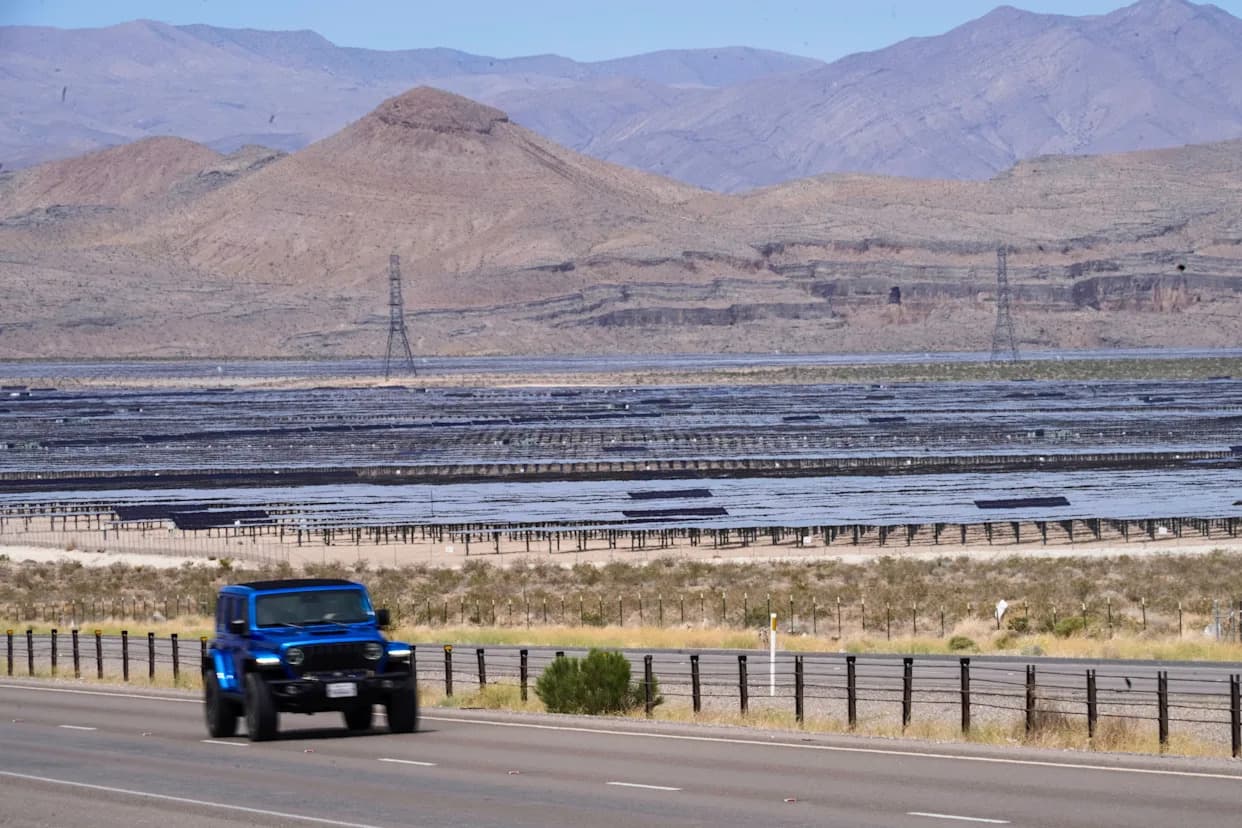
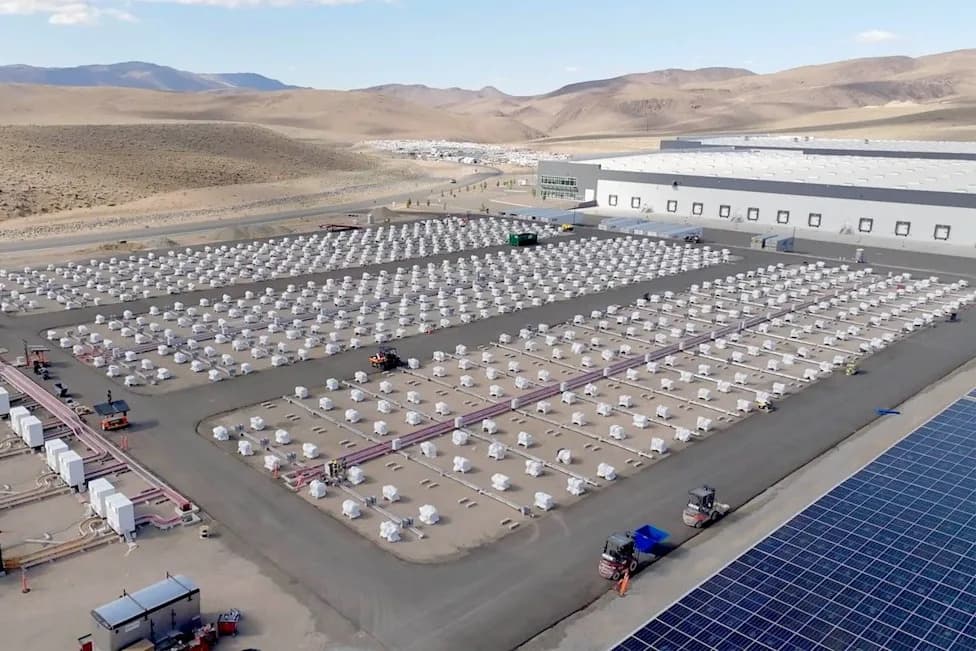
Solar panels stretch out across the desert floor, Thursday, April 2, 2026, in North Las Vegas. (AP Photo/Ty ONeil)
Nevada's largest utility warns that a planned wave of data centers could require roughly three times the electricity currently used to power Las Vegas — demand the company says may be impossible to meet without turning to fossil fuels. If so, the shortfall could prevent NV Energy from meeting Nevada's legal target of 50% renewable electricity by 2030.
What Utilities Are Facing
“I can’t remember a time in the history of the industry where we’ve seen as much interest in adding load, which is primarily driven by data centers,” said Shawn Elicegui, senior vice president of regulatory and resource planning for NV Energy, which serves about 90% of Nevada customers. Across the U.S., utilities are confronting the same dilemma: surging electricity demand from AI-driven data centers colliding with longer-term plans to transition to renewable and zero-carbon generation.
Some utilities are already adjusting resource plans. In North Carolina, the largest utility has delayed planned coal retirements and added natural gas capacity. NextEra Energy recently withdrew its corporate pledge to reach net-zero emissions by 2045, citing a renewed demand for "all forms of power generation." At the same time, federal policy and some industry decisions have encouraged greater use of coal and gas to meet near-term needs.
Industry Responses And The Renewable Gap
Some data center operators say they are part of the solution. Switch, one of the largest operators in Southern Nevada, says its campus runs entirely on renewable power and that it has built 1 gigawatt of utility-scale solar while developing additional projects. Jason Hoffman, Switch's chief strategy officer, said the company is licensed to build generation at utility scale and can operate off-grid during peak summer periods when cooling demand is highest.
Yet experts say renewable capacity is not scaling quickly enough to match this sudden surge in demand. Supply chain delays for gas turbines, permitting hurdles and the long lead times for large renewable projects mean many utilities and customers turn to natural gas or diesel backup options in the near term.
“It’s very alarming, and it’s probably the single largest natural resource issue of our time,” said Olivia Tanager of the Sierra Club’s Toiyabe chapter.
Local Impacts And Political Pushback
Residents and environmental groups are raising concerns about noise, water use, air quality and higher energy bills. Several proposed Northern Nevada facilities plan to rely on dozens or hundreds of lower-quality diesel backup generators, which, while meant for short outages, could harm local air quality. A controversial example beyond Nevada is a data center near Memphis that has used mobile gas turbines mounted on semitrucks to meet demand.
At the state level, Nevada established a voluntary funding model where companies can finance NV Energy’s clean-energy projects and count that investment toward corporate clean-energy goals — a program that helped finance a geothermal plant with Google as a partner. Environmental groups want the model made mandatory but worry it still may not deliver enough clean power to meet projected demand. Lawmakers are debating whether to require data centers to fund new clean capacity before projects proceed.
Regulatory Stakes And Next Steps
NV Energy says it will require developers to sign binding contracts committing to loads before the utility builds new generation. The Nevada Public Utilities Commission could fine the utility or grant exemptions if it finds state clean-energy mandates are unmet. NV Energy plans to publish a detailed report by the end of the month.
State lawmakers such as Assemblymember Howard Watts of Las Vegas argue that projects that threaten the state’s renewable portfolio are unacceptable and favor statutory requirements ensuring data centers underwrite clean-energy development. Supporters of renewables note Nevada’s large solar and geothermal potential as an opportunity to meet both climate and economic goals if properly guided and financed.
Bottom line: Rapid growth in data center load presents a real tension between near-term reliability needs and long-term decarbonization goals. Meeting both will require faster clean energy buildout, stronger policy guardrails, and commitments from data center operators to fund or develop zero-carbon capacity.
Help us improve.