Republicans are rapidly incorporating AI into campaign operations and publicly touting its benefits in speed and cost. Democrats remain cautious—often using AI quietly—and worry about job losses, data-center politics, and deceptive deepfakes. The NRSC’s aggressive AI tactics (including doctored clips of Democrats) have produced limited sustained backlash, while some Democrats urge responsible adoption to remain competitive.
Republicans Embrace AI in Campaigning; Democrats Bet on a Backlash
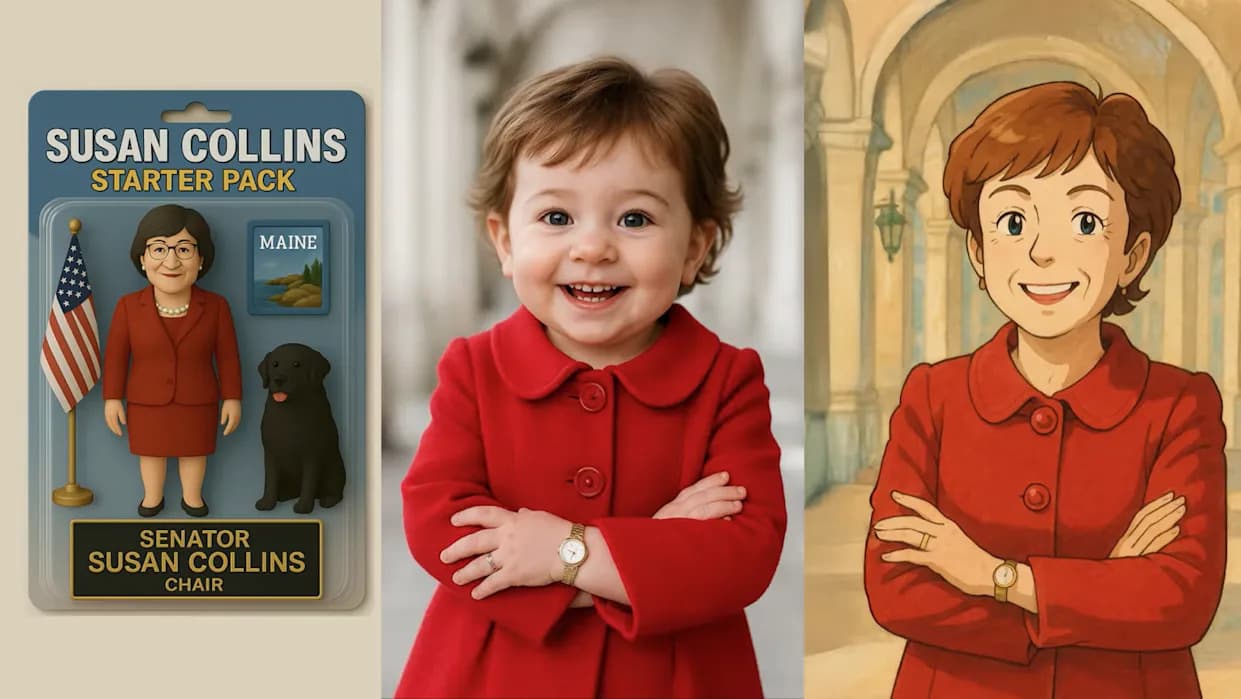
Republican operatives have moved aggressively to incorporate artificial intelligence across campaign work, openly touting the technology’s advantages. Democrats, by contrast, remain cautious and often keep their internal use quiet, worried about ethical, political, and economic repercussions.
Two Strategies, Different Risks
These divergent attitudes are already shaping campaign tactics. Republicans argue that experimenting with AI gives them an edge in speed, scale, and cost-efficiency. "Professionally we have an advantage, because we’re willing to push the envelope on this stuff and take risks," said GOP strategist Eric Wilson, an AI proponent. "There’s no prize for running an artisanal campaign."
Democratic shops generally take a quieter, more cautious approach. According to people familiar with the matter, the Democratic National Committee has authorized only Google’s Gemini large language model for official tasks such as data analysis and coding, declining to endorse rival platforms. Other Democratic teams have used AI to speed routine tasks like building campaign websites, but many remain reluctant to publicize those uses.
Why Democrats Hesitate
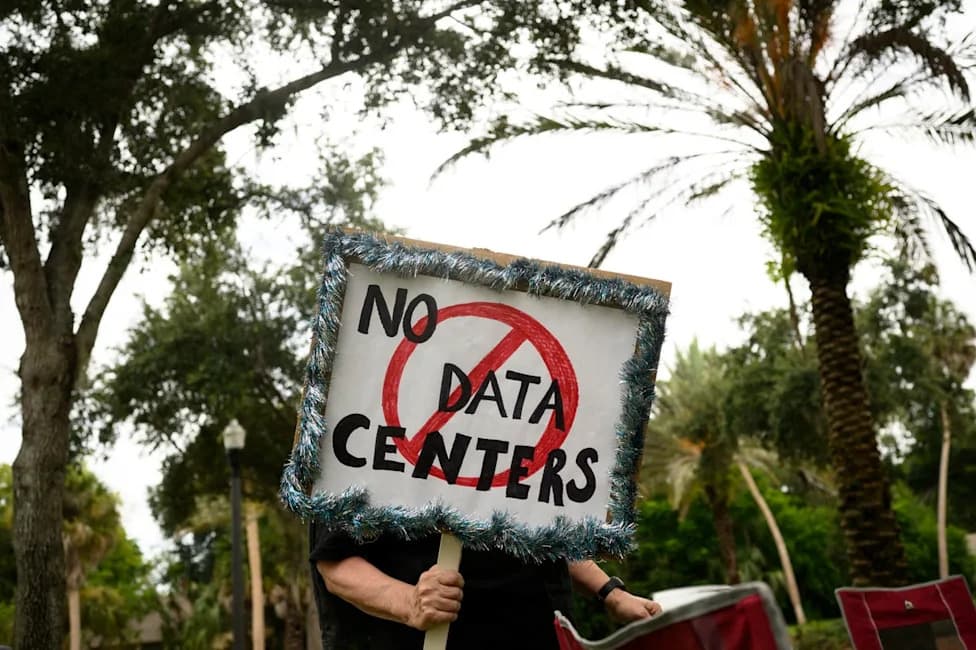
Democrats’ reluctance reflects broader concerns: potential job losses for visual artists and camera crews, public backlash against new data-center construction and tax subsidies for AI companies, and the ethical risks of deepfakes and deceptive messaging. Those anxieties have translated into legislative activity: Democrats have been principal sponsors of proposals limiting certain AI uses in political communications.
Rep. Julie Johnson (D-Texas), who authored legislation to allow lawsuits over "materially deceptive" AI ads, described firsthand experience with misleading content in her own race. "It depends on if it’s based in fact, or if it’s just made up bullsh*t," she said, recounting AI-generated images that placed her in fabricated contexts.
Republican Use: Examples And Impact
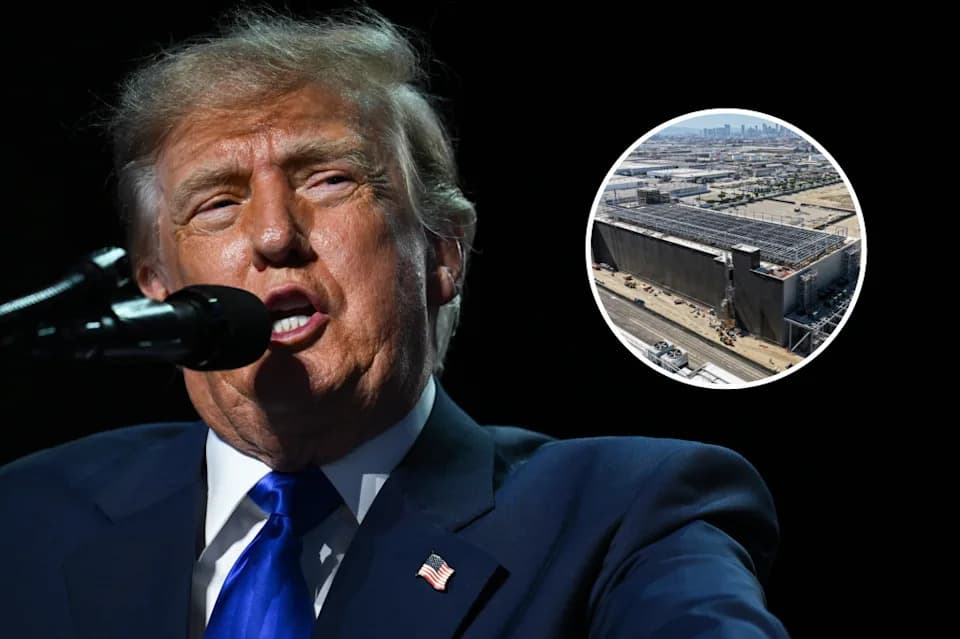
The National Republican Senatorial Committee (NRSC) has been among the most visible Republicans deploying AI. One early episode this cycle used an AI-generated clip to depict Senate Democratic Leader Chuck Schumer smirking a comment he had not said on camera. The NRSC has also produced doctored video and imagery that place Democrats in awkward or fabricated scenarios — from a simulated remark attributed to Texas state representative James Talarico to a manipulated image of North Carolina Gov. Roy Cooper.
Those tactics have produced limited public backlash so far. "Embracing AI has allowed the NRSC to work harder and smarter while being better stewards of donor dollars," said NRSC communications director Joanna Rodriguez, noting efficiency and cost savings in campaign operations.
The Political Trade-Off
Republicans calculate that Democrats are unlikely to reciprocate at scale: progressive voters, donors, and activists are more likely to punish campaigns that deploy obviously artificial or ethically dubious content. Democrats also face a potential hypocrisy problem — it undercuts public critiques of AI-driven harms if leaders simultaneously rely on the same tools for campaign polish.
Still, some Democrats and ad professionals argue the party should learn to use AI responsibly to compete. "Democrats should be using AI in ad-making," said Julian Mulvey of Fight Strategies, pointing to regulations and disclaimers that can mitigate harm while unlocking visual storytelling possibilities.
Where It’s Already Used
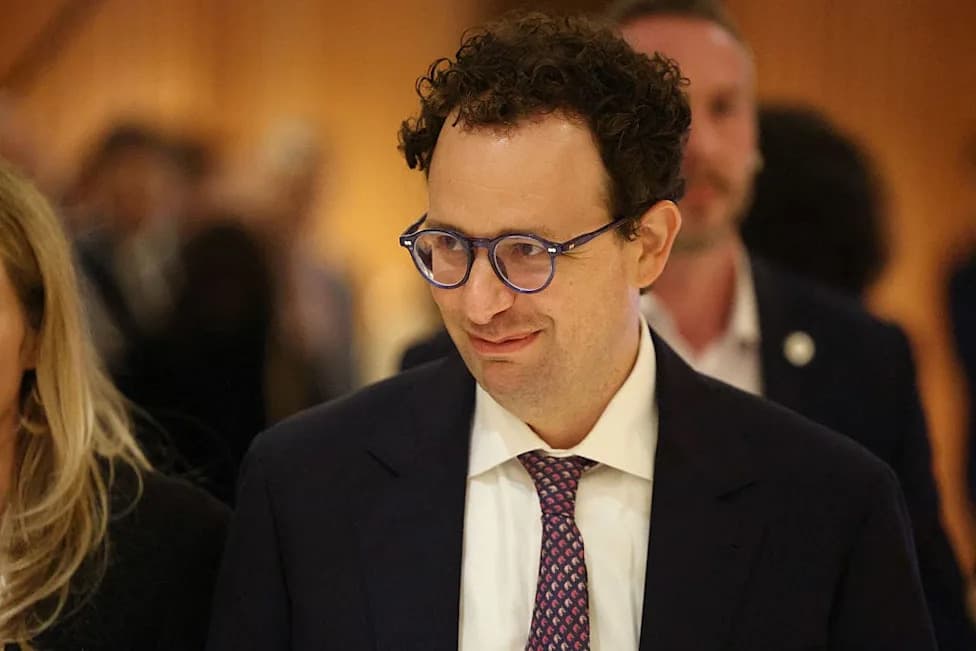
California Gov. Gavin Newsom’s social feeds are among the most prominent Democratic examples of AI-assisted imagery, often employing the tools for parody and meme-driven messaging. Meanwhile, analysts and journalists, including Nathan Sanders, Bruce Schneier, and Puck’s Peter Hamby, are following the widening partisan gap and new efforts by groups like Priorities USA to expand their digital reach.
Outlook
The immediate future looks like a two-track battlefield: Republicans will continue to push AI’s boundaries in campaign communications, while Democrats will balance the tactical advantages against organizational values and the risk of voter backlash. Which strategy wins may depend as much on public opinion and regulation as on short-term political gain.
Help us improve.