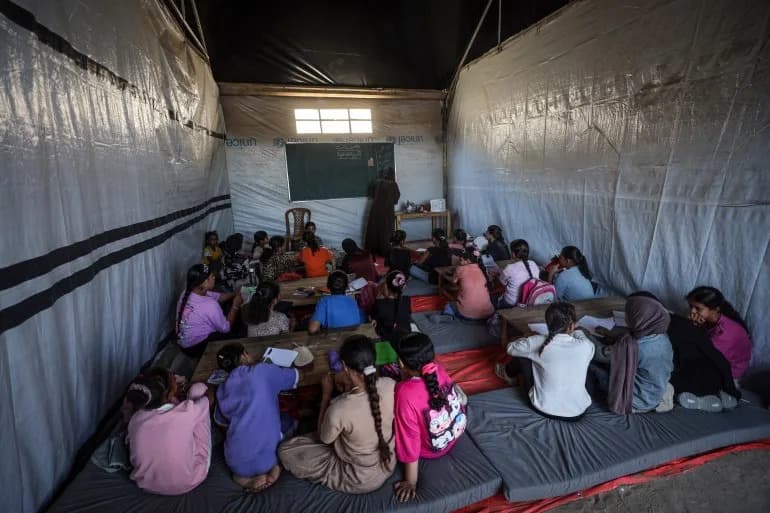
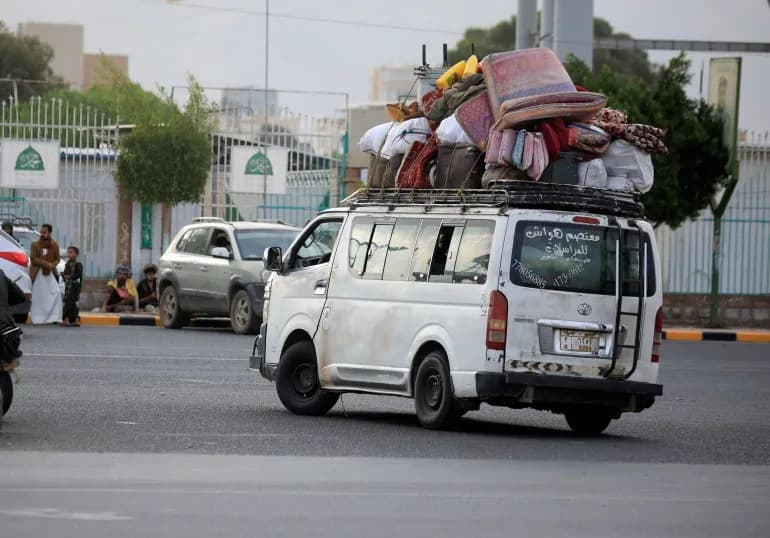
Yemen’s teachers are being pushed to the brink as prolonged conflict, collapsing currency values and irregular public salaries force many educators into multiple jobs or out of the profession entirely. The UN says 6.6 million school-aged children lack access to education and roughly 193,668 teachers receive no pay. Small, uneven provincial incentives offer limited relief while strikes and protests continue.
Driven to the Edge: Yemen’s Teachers Struggle as Salaries Collapse
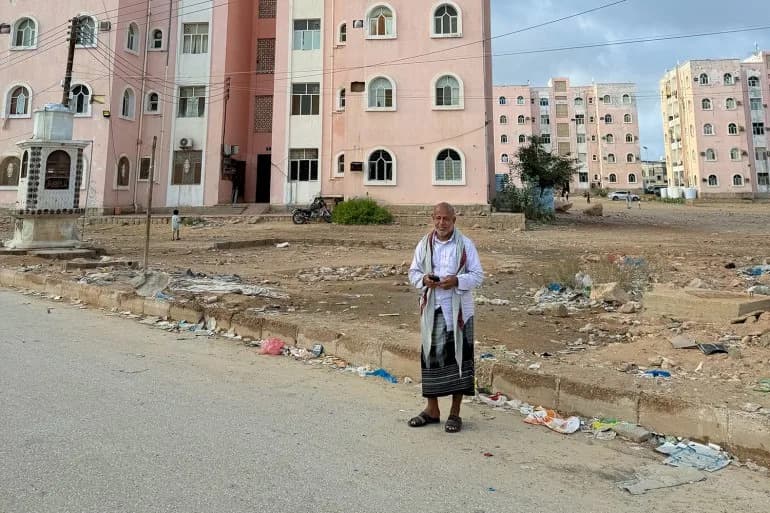
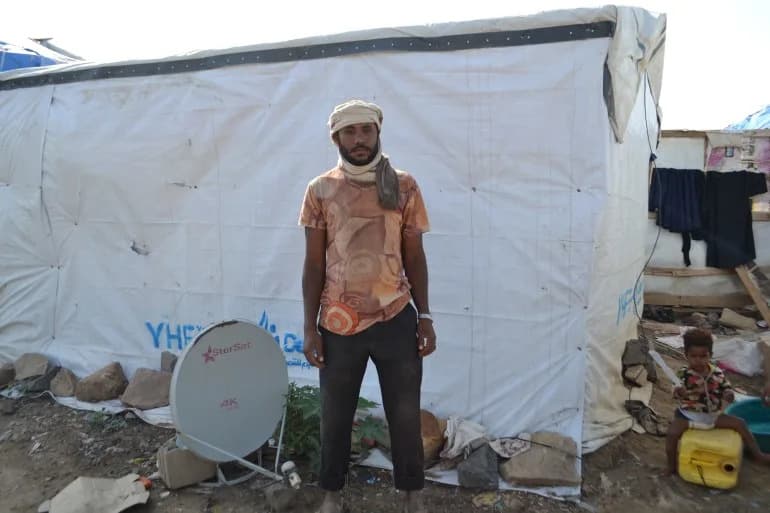
Mohammed Salem, a teacher with 31 years of experience in Mukalla, says he has taken on three jobs to make ends meet after his salary lost much of its value due to the rapid devaluation of the Yemeni riyal [Saeed al-Batati/Al Jazeera]
Mukalla, Yemen — Yemen’s teachers are juggling multiple jobs, skipping meals and abandoning professional development as decades of conflict and currency collapse erode public salaries and push the education system toward crisis.
Mohammed Salem, a teacher with 31 years of experience, leaves his flat each morning to teach at a government school, then works at a private school and finishes the day with a job at a hotel. "If I had any spare time for a fourth job, I would take it," he told Al Jazeera.
Daily Strain and Human Cost
Despite working from dawn until night, Mohammed says his income has fallen from the equivalent of about $320 a month a decade ago to roughly $130 today. Families have cut meals, eliminated protein-rich foods, moved to cheaper housing and postponed higher education for children. When illness strikes, families often rely first on home remedies to avoid unaffordable medical bills.
"Teachers are devastated and have no time to take care of their students. During classes, they are preoccupied with the next job they will take after school," Mohammed said.
How the War and Economy Converged
More than ten years of fighting between the Iran-backed Houthis and the internationally recognised government have devastated Yemen’s economy, destroying oil exports, customs revenues and tax collection. The Houthis stopped paying public-sector salaries in late 2016 after the central bank moved from Sanaa to Aden. The internationally recognised government in the south has also struggled to pay salaries regularly amid dwindling revenues and repeated attacks on export infrastructure.
The Yemeni riyal has fallen dramatically: around 215 to the dollar before the war, plunging to roughly 2,900 to the dollar by mid-2025, with the currency trading at about 1,560 to the dollar in government-controlled areas at the time of reporting — a collapse that has shattered purchasing power for public employees.
Scale of the Education Crisis
The United Nations Office for the Coordination of Humanitarian Affairs (OCHA) described the sector as facing a "catastrophic, multilayered crisis" in its Yemen Humanitarian Needs and Response Plan 2026. OCHA estimates that 6.6 million school-aged children are deprived of education, 2,375 schools have been damaged or destroyed, and around 193,668 teachers — nearly two-thirds of the national total — receive no salaries.
Unequal Burdens and Local Remedies
Part-time and contract teachers are especially vulnerable. In Mukalla, part-time teacher Hana al-Rubaki said that after taxes she earns roughly 70,000 Yemeni riyals (about $44) a month — barely enough to cover 10 days of expenses — and that delayed payments exacerbate hardships, particularly for women who find it harder to secure extra work.
Some local governors have offered modest monthly incentives — for example, Hadramout approved an additional 25,000 YER (~$16) per month, while other provinces have offered between 30,000 and 50,000 YER (~$19–$32). Unions say such measures are insufficient and uneven.
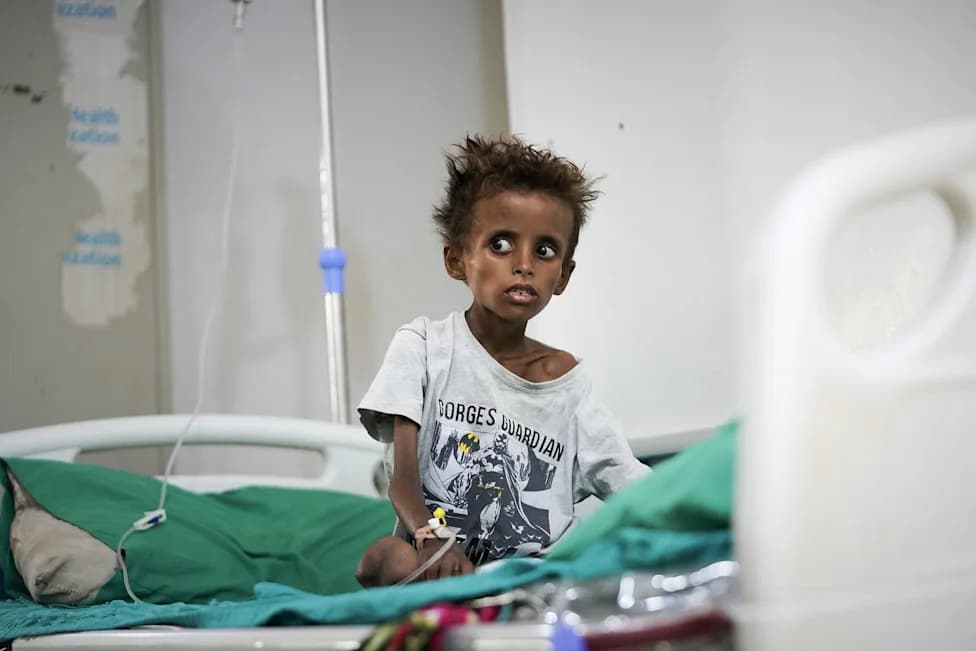
Union leaders report heartbreaking scenes: teachers in torn clothes, families evicted for unpaid rent, and children suffering malnutrition. In some provinces, farmers donate produce to struggling teachers to help them stay in classrooms.
Outlook
The government cites weak and disrupted revenues from the war as the primary obstacle to restoring regular pay. Teachers say their patience is wearing thin and warn that many will leave the profession if better-paid opportunities arise — a development that would further undermine education and long-term recovery prospects for Yemen.
"The idea of leaving teaching is always on my mind," Mohammed said. "I feel pity, and sometimes cry, when I see a teacher begging in mosques or calling from a hospital, asking for help to pay for a child's medical treatment."
Help us improve.