Japan has asked the International Energy Agency to be prepared for an additional coordinated release of oil reserves if the Middle East conflict continues to strain markets. The IEA previously unlocked 400 million barrels — about 20% of member emergency stocks — and Fatih Birol said roughly 80% of reserves remain available. Japan, which sources about 95% of its oil from the Middle East, has begun using private reserves and will tap government and jointly held stockpiles this month.
Japan Urges IEA To Be Ready For Additional Coordinated Oil Release As Middle East Tensions Persist
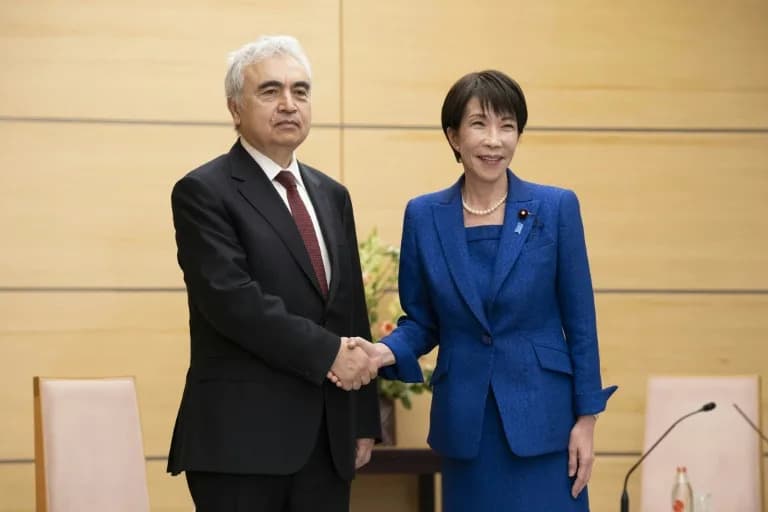
Japan's Prime Minister Sanae Takaichi and Executive Director of the International Energy Agency (IEA) Fatih Birol (Yuichi YAMAZAKI)(Yuichi YAMAZAKI/POOL/AFP)
The head of the International Energy Agency (IEA) said on Wednesday he is prepared to authorize another coordinated release of emergency oil reserves if markets require it, after Japanese Prime Minister Sanae Takaichi asked the agency to be ready should the conflict in the Middle East continue to disrupt supply.
IEA Response and Remaining Stocks
Fatih Birol made the comments in Tokyo following Prime Minister Takaichi's request that the IEA "prepare to implement an additional release in case the situation drags on." Earlier this month the IEA coordinated the release of 400 million barrels from member countries' strategic reserves — the largest such release on record — to blunt the impact of the Middle East war on global markets.
"Eighty percent of our stocks are still with us. This 400 million barrels were only 20 percent of our stocks," Birol said. "If and when necessary we are ready to move forward, but I very much hope that it will not be necessary."
Birol warned that the world faces a serious energy security threat but emphasized that the IEA stands ready to play its role as a guardian of global energy security and to coordinate further releases if required.
Japan's Domestic Measures
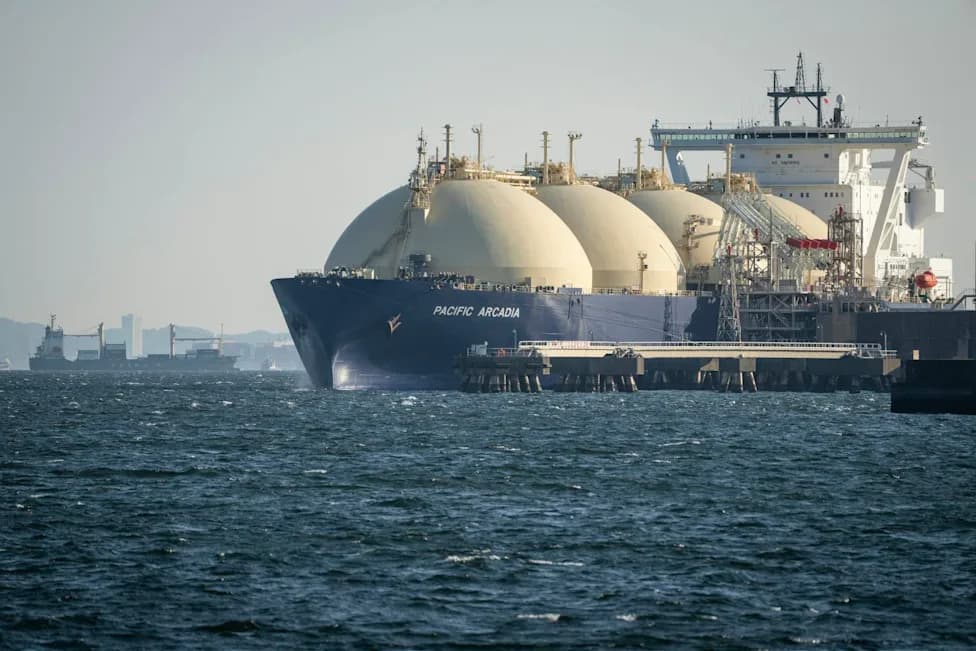
Japan depends on the Middle East for roughly 95% of its oil imports. To shore up supplies, Tokyo has already begun releasing 15 days' worth of private-sector petroleum reserves and will start drawing from government stockpiles on Thursday. Prime Minister Takaichi also said Japan plans a release from jointly held crude reserves stored in the country by producing nations before the end of the month.
According to the Petroleum Association of Japan, a joint reserve stored in Japan is held by Saudi Arabia, the United Arab Emirates and Kuwait. Under normal conditions the jointly stored crude is used commercially, but in an emergency Japanese oil companies have preferential purchasing rights.
Outlook
Markets will watch both geopolitical developments in the Middle East and any further coordinated action by the IEA and member governments closely. While significant emergency stocks remain, officials say additional releases would be considered only if supply disruptions persist or worsen.
Help us improve.