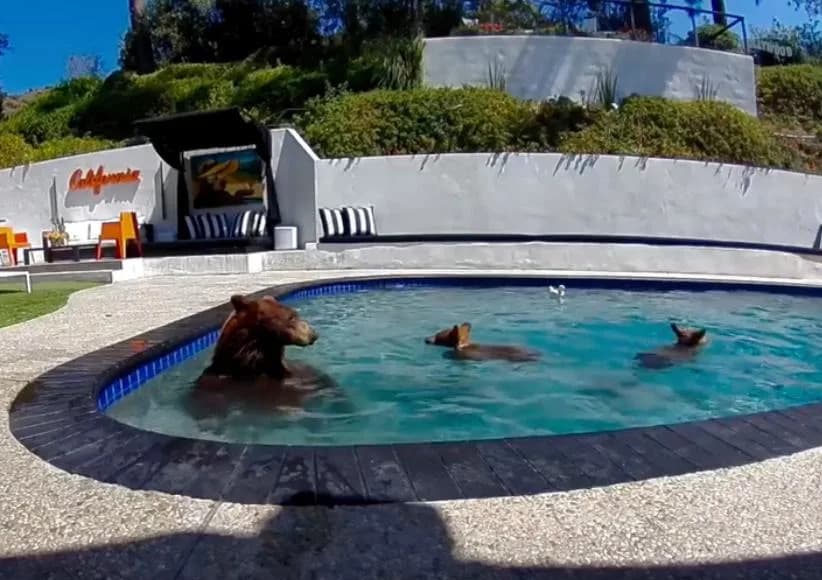
The meta-analysis published in Ecology Letters (Dec 2025) pooled about 30 years of research to examine how feeding, vigilance and movement change across diverse ecosystems. It found that lethal human activities (hunting, culling) consistently increase vigilance, reduce feeding, and raise movement, while responses to non-lethal recreation vary and can lead to habituation. Habituation conserves energy but increases risks — vehicle collisions, human conflict and dependence on unhealthy human food. Simple responsible actions (stay on trails, control dogs, don’t feed wildlife) help protect animals and maintain natural behaviors.
When Wildlife Gets Too Comfortable With Humans: Risks, Rewards and 30 Years of Evidence
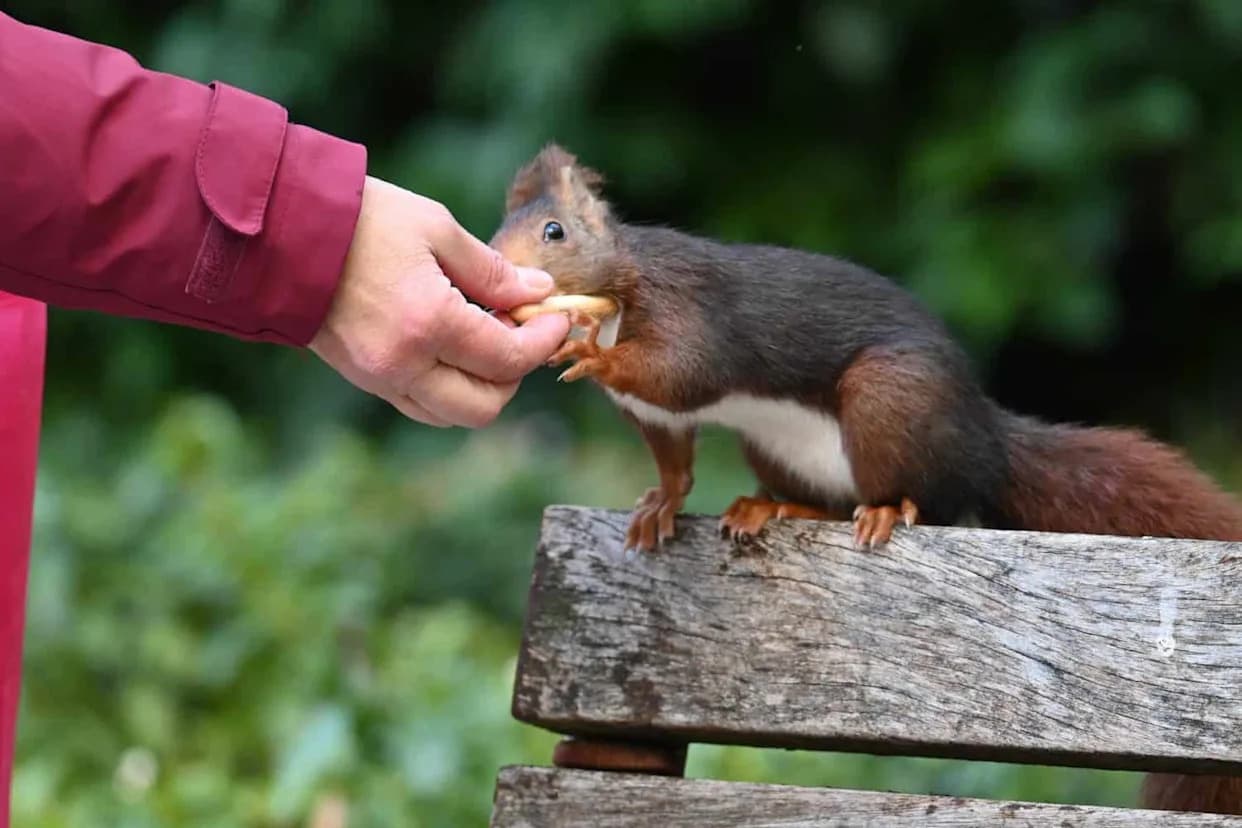
Red squirrel, nuts, Campo Grande Park, Valladolid, Spain. March 3, 2025 The scene captures human interaction with urban wildlife in a natural autumn setting.© GenadiyGM/Shutterstock.com
Why will a squirrel boldly take food from a picnic table while a deer bolts at the slightest crack of a twig? A recent meta-analysis combining roughly 30 years of behavioral studies helps answer that question: animal responses to people depend on context, prior experience, and the type of human activity they encounter.
The Study
The meta-analysis, published in Ecology Letters (December 2025), pooled data from dozens of studies across forests, grasslands and coastal ecosystems. Researchers focused on three behaviors that indicate perceived risk: feeding activity, vigilance, and movement patterns. They compared wildlife responses to different human influences, including lethal activities (hunting, culling), active recreation (hiking, tourism), and passive presence (roads, buildings).
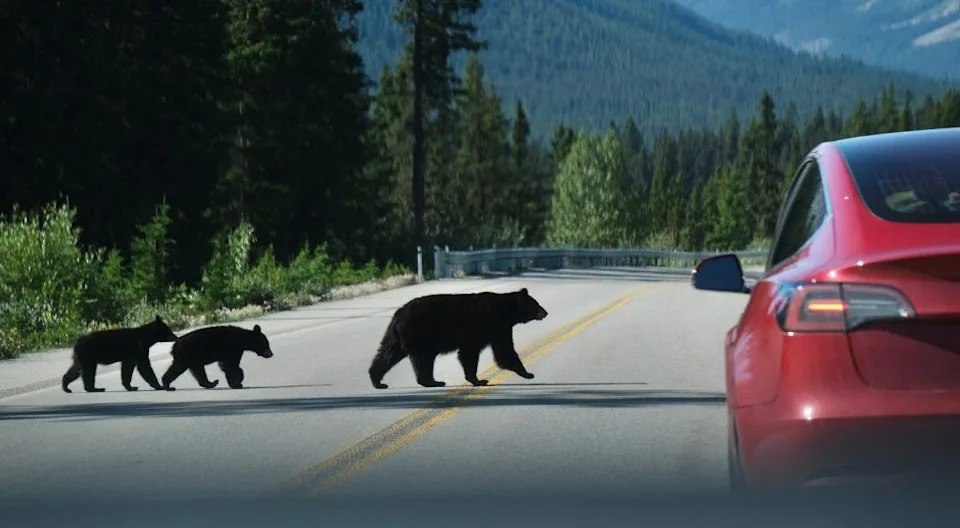
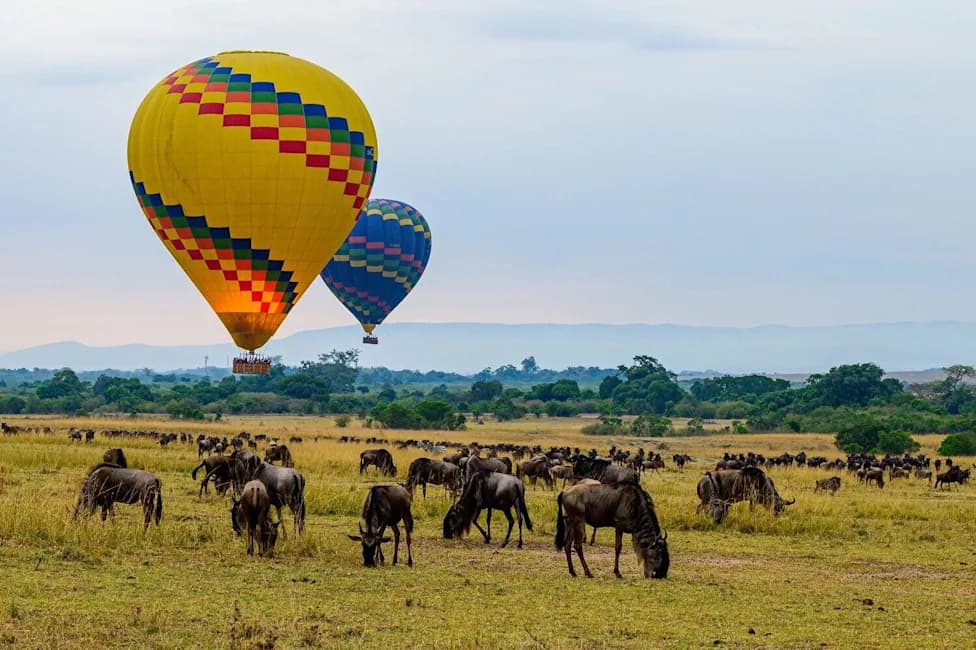
The study looked at the effects of active human presence in the environment as well as the passive effects of infrastructure like roads and buildings.©Marina Poushkina/Shutterstock.com(Marina Poushkina/Shutterstock.com)
Key Findings
The central result: animals do not react to people in a single way. Instead, they assess risk based on human behavior and experience and then adjust feeding, alertness and travel accordingly.
Lethal Human Activities
Where hunting or other lethal pressures occur, animals most often respond like they would to natural predators: they spend less time feeding, show higher vigilance, and move more frequently or farther to avoid people. These shifts raise energetic costs and can reduce body condition over time — with consequences for survival and reproduction.
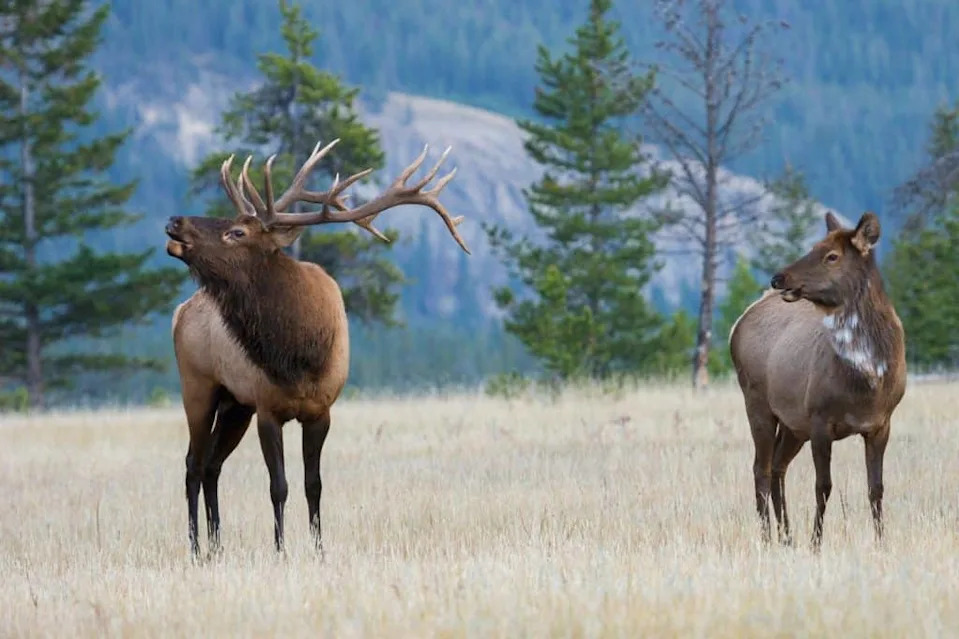
In areas where elk have been heavily hunted, they are understandably more wary of people.©Danita Delimont/Shutterstock.com(Danita Delimont/Shutterstock.com)
Non-Lethal Recreation and Habituation
Reactions to non-lethal human activities are more variable. In some areas, animals remain wary of hikers or tourists; in others, predictable human presence produces habituation — a gradual reduction in flight responses. Studies of yellow-bellied marmots show that individuals living near busy trails often allow closer human approach and conserve energy by shortening flight distances.
Movement And Habitat Use
In hunted landscapes, species like elk often travel farther to avoid people, which increases energy expenditure and can push animals into lower-quality habitat. In contrast, in busy recreation areas where predators avoid humans, some prey species may remain nearby and reduce vigilance.
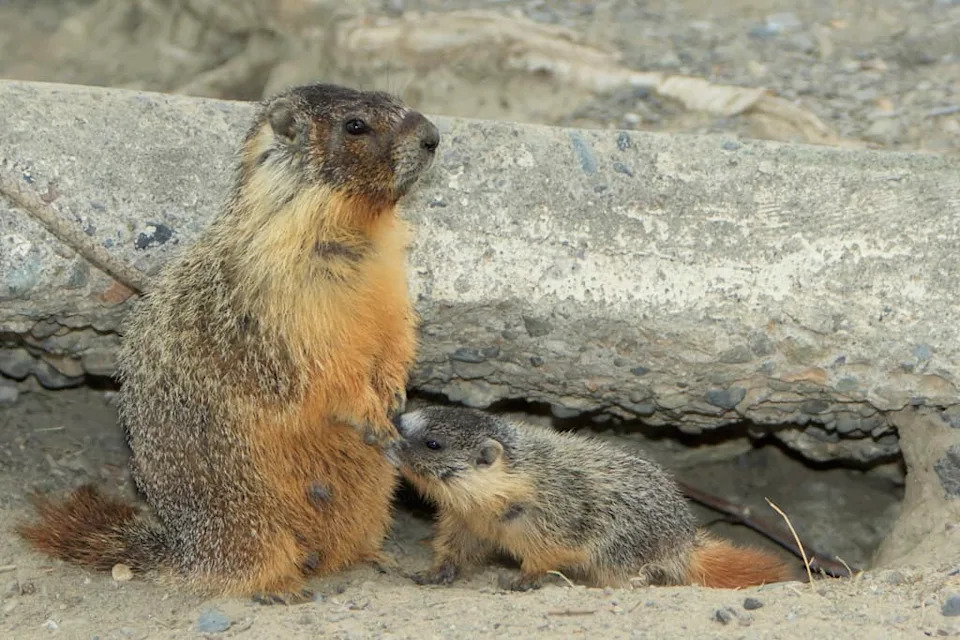
Yellow-bellied marmots living near busy trails were more tolerant of people because they could quickly take refuge in their burrows.©Alan Vernon / CC BY 2.0 –Original/License(Alan Vernon / CC BY 2.0)
Risks Of Becoming Too Comfortable
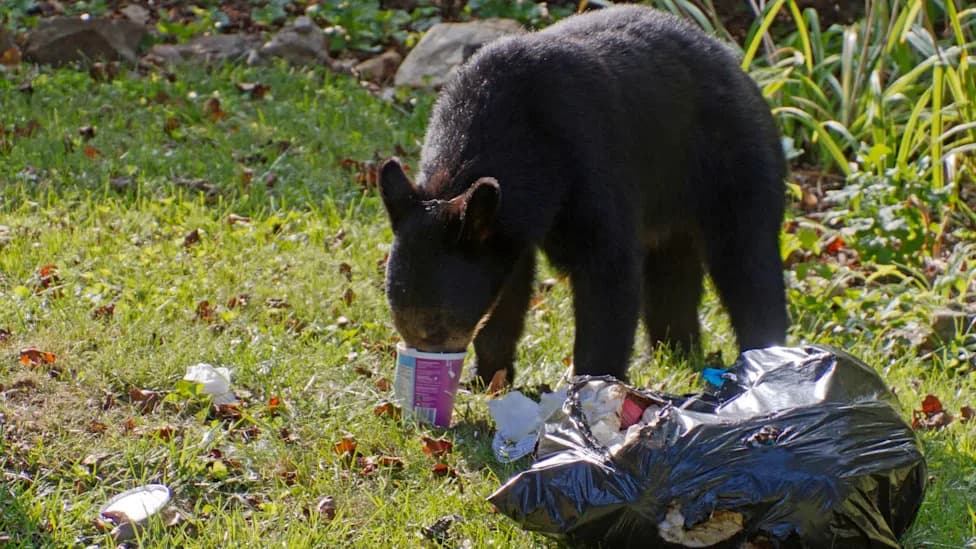
Habituation can save energy, but excessive tolerance creates new dangers. Animals that linger near campsites, roads or settlements face higher risks of vehicle strikes, human-wildlife conflict, and dependency on human food. Problem individuals — especially bears that learn to associate people with food — are often relocated or euthanized to protect public safety. Human food can also cause malnutrition, poisoning, and disrupted foraging behavior.
Long-Term Consequences
Both persistent fear and excessive tolerance carry costs. Constant vigilance reduces feeding and parental care, which can lower reproductive success. Increased movement to avoid humans consumes energy and may diminish body condition. Over time, these behavioral shifts can affect population trends and ecosystem dynamics.
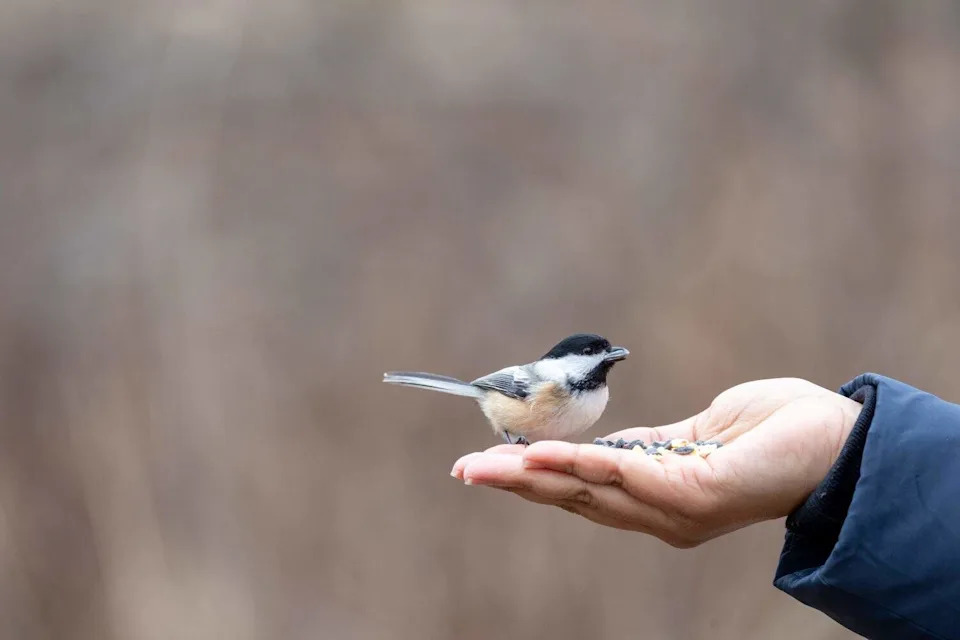
Animals that become too dependent on people may have nutritional problems or even starve due to improper diets or interruptions in their human food supply.©Jim_Brown_Photography/Shutterstock.com(Jim_Brown_Photography/Shutterstock.com)
Practical Steps For Visitors
Research highlights that human behavior shapes wildlife responses. Simple, responsible actions reduce harm and help animals retain natural survival behaviors:
- Stay on established trails to minimize surprise encounters.
- Keep dogs leashed or under control to avoid repeated wildlife flushing.
- Observe wildlife from a distance — use binoculars or zoom lenses.
- Never feed wild animals; do not leave food or trash unsecured.
- Follow local guidelines and programs like Leave No Trace.
Understanding when and why animals become comfortable around people helps managers design better policies and helps visitors make choices that reduce risk for wildlife. Predictable, respectful human behavior allows animals to adapt without abandoning habitat or wasting energy on constant fear.
Help us improve.