A new study in Geophysical Research Letters finds global warming is accelerating: CO2 is at a two-million-year high, forests are shifting from carbon sinks to sources, and reduced aerosol pollution has unintentionally hastened warming. The warming rate rose from ~0.2°C per decade (1970–2015) to ~0.35°C over the last decade. The three most recent years averaged about 1.5°C above preindustrial levels, making an overshoot of the Paris 1.5°C goal likely by around 2030 without rapid emissions cuts.
Study: Global Warming Is Accelerating — 1.5°C Overshoot Likely by 2030
Asian Development Bank
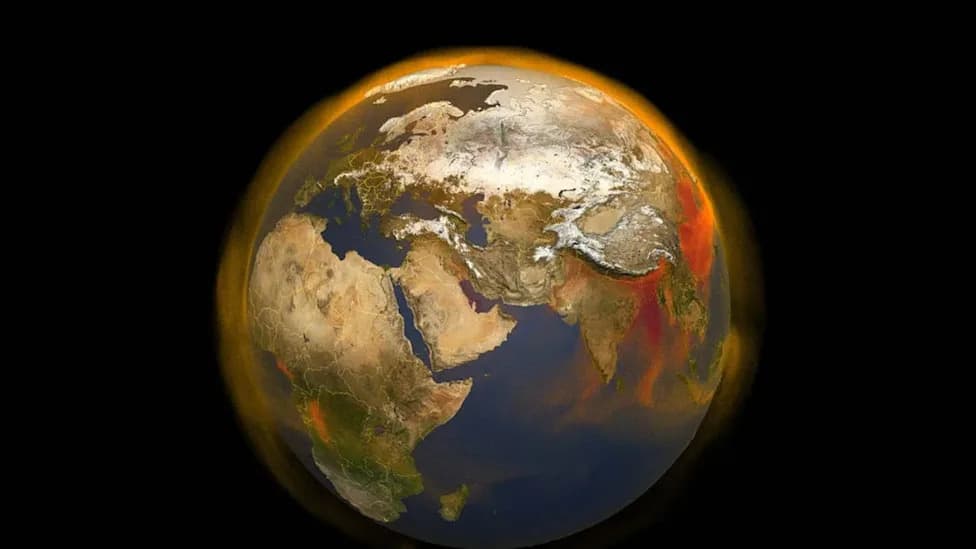
A new peer-reviewed study published in Geophysical Research Letters finds that global warming is accelerating as greenhouse gas emissions climb and natural carbon sinks weaken. Carbon dioxide concentrations are now at their highest level in at least two million years, and ecosystems that once absorbed carbon — especially forests — are being degraded by fire and drought and are shifting toward becoming net sources of emissions.
What the Study Found
Researchers report that between 1970 and 2015 the planet warmed at roughly 0.2°C per decade, but over the past ten years the rate rose to about 0.35°C per decade. They accounted for volcanic eruptions, changes in solar output, and El Niño–Southern Oscillation effects and concluded the recent acceleration is not a short-term natural fluctuation but is consistent with climate-model projections.
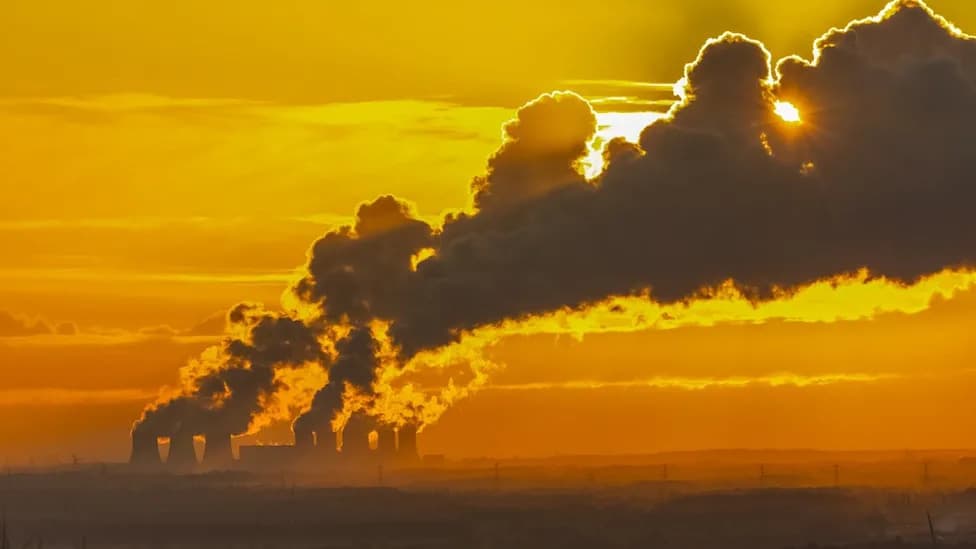
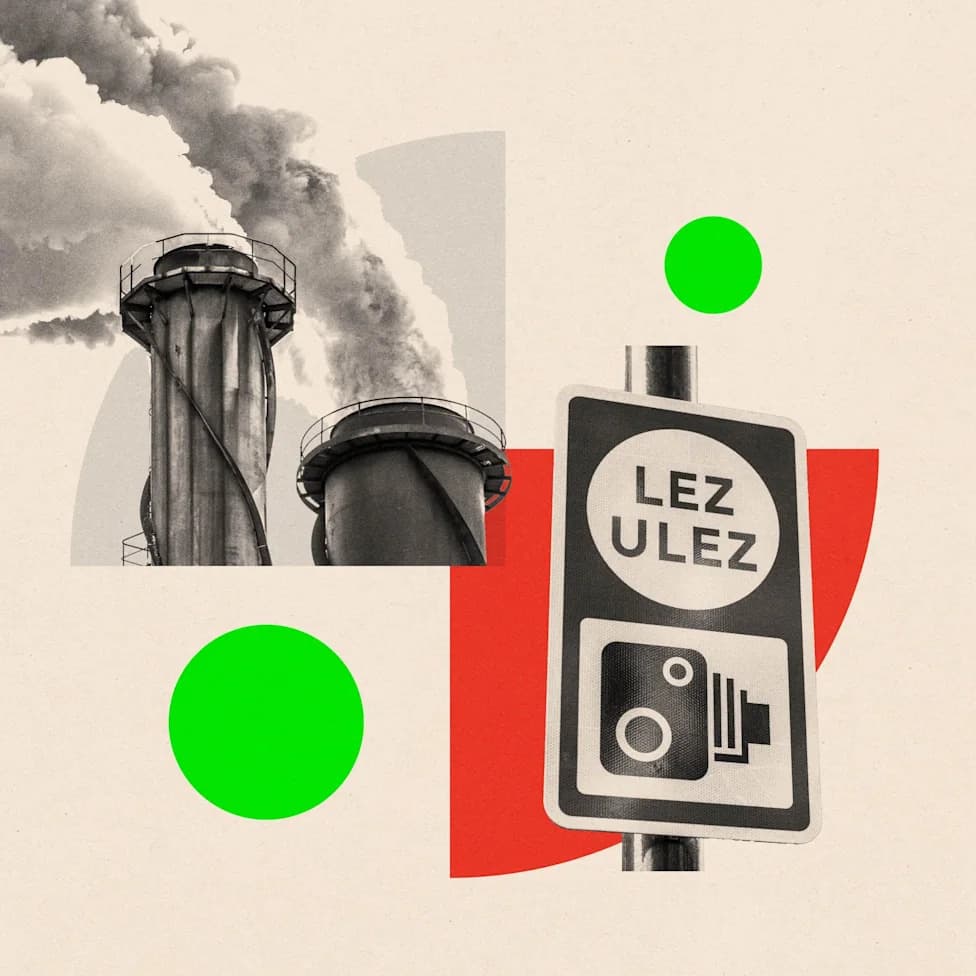
At the same time, reductions in aerosol pollution from coal-fired power plants and shipping — aerosols that reflect sunlight and have a temporary cooling effect — have unintentionally contributed to faster warming as air quality improves.
Implications
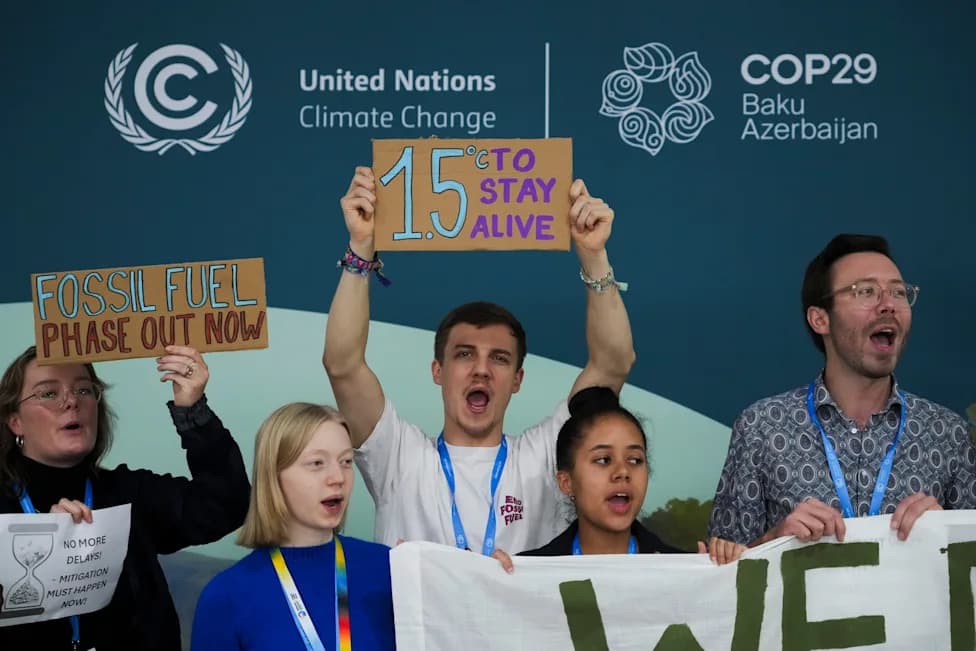
The study notes that the most recent three-year period averaged roughly 1.5°C above preindustrial levels. While the Paris Agreement’s 1.5°C threshold is judged by a 20-year average (so a formal exceedance has not yet been declared), the authors warn an overshoot is likely without rapid emissions reductions. Exceeding 1.5°C raises the risk of crossing critical climate tipping points — from Amazon dieback to large-scale thawing of Arctic permafrost — that would further accelerate warming.
"Stopping this trend is in our hands," the authors write, but add that, given current politics and emission trends, warming may continue at a rapid pace or even accelerate further.
The study projects that, if current trends continue, the world could breach the Paris 1.5°C threshold around 2030, underscoring the urgency for stronger mitigation and adaptation policies.
Help us improve.