The IRIS Dena was sunk by a single U.S. Mk 48 heavyweight torpedo, resulting in 87 reported deaths. The Mk 48—operational since 1972—remains the U.S. Navy’s principal undersea weapon and has been modernized through hardware "Mods" and software updates. It can be steered in real time by wire from the launching submarine and will switch to autonomous homing if the wire is lost. Current configurations include Mod 7; Mod 8 is in development and Mod 9 is in rapid prototyping.
“Quiet Death”: How a U.S. Mk 48 Torpedo Sank the IRIS Dena, Killing 87
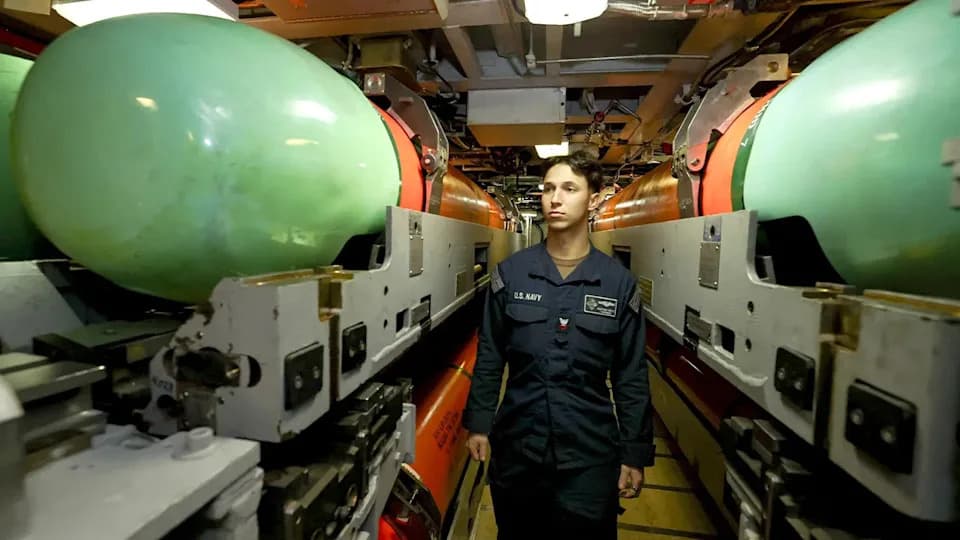
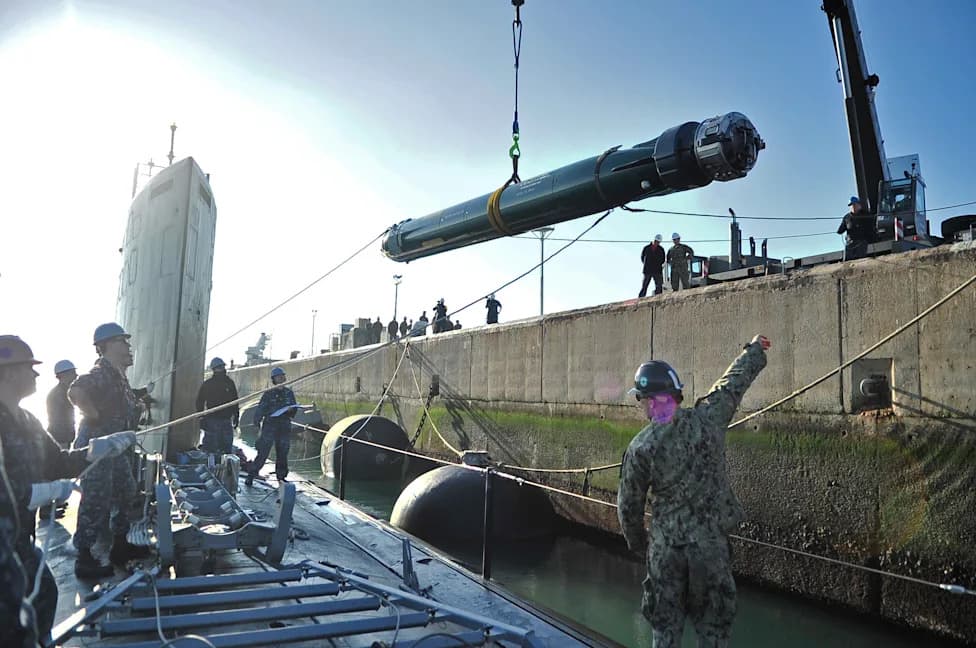
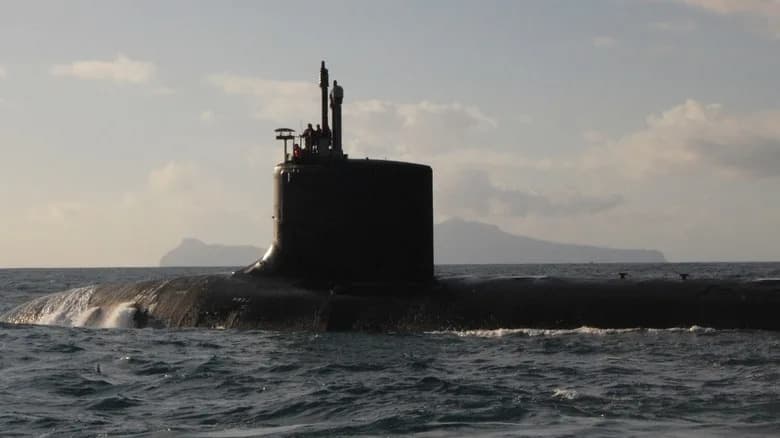
U.S. Navy Petty Officer Devin Simpson checks an MK 48 torpedo aboard the Virginia-class fast-attack submarine USS Minnesota during a port visit at HMAS Stirling in Rockingham, Western Australia, on Feb. 26, 2025.(Getty Images)
The Iranian warship IRIS Dena was struck and sunk by a single U.S. Mk 48 heavyweight torpedo, an attack that refocused global attention on the U.S. Navy’s primary undersea weapon. Officials report 87 fatalities following the sinking.
What the Mk 48 Is
The Mk 48 entered operational service in 1972 and has been continuously upgraded to meet modern undersea threats. The Navy describes it as a heavyweight, submarine-launched torpedo engineered to "defeat all threat surface ships and submarines in all ocean environments." Its design balances destructive power, advanced sensors and adaptable guidance modes to operate in diverse maritime conditions.
How It Works
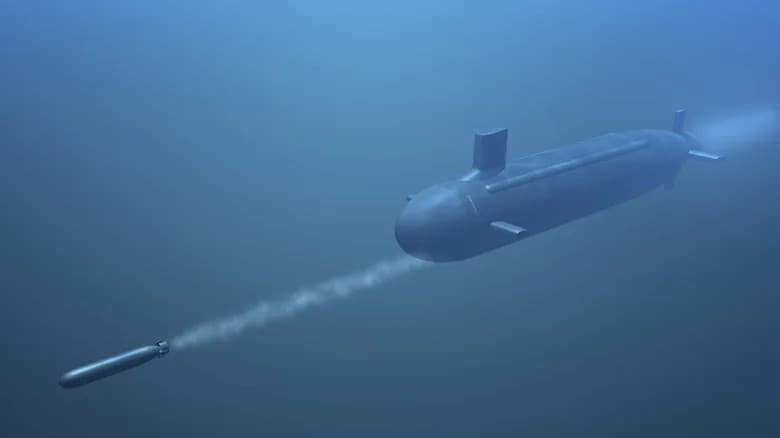
The Mk 48 combines guidance data from the launching submarine with processing from its own onboard sensors. Operators can steer the weapon in real time through a guidance wire after launch, allowing course corrections and updated targeting. If the wire is severed or otherwise lost, the torpedo switches to autonomous homing, relying on digital guidance systems and onboard signal processing to continue tracking its target.
"In the Indian Ocean, an American submarine sunk an Iranian warship that thought it was safe in international waters. Instead, it was sunk by a torpedo. Quiet Death," said Pete Hegseth at a press conference.
Specifications, Cost and Contractors
According to Navy specifications, the Mk 48 measures 21 inches in diameter, weighs roughly 3,744 pounds and carries a warhead of about 650 pounds of high explosive. The Department of the Navy’s FY2025 budget estimates place the unit cost at about $4.2 million per torpedo.
Lockheed Martin is identified as one of the principal contractors for the Mk 48 program. The Mk 48 family is fielded in multiple hardware variants and receives recurring software upgrades to maintain effectiveness.
Upgrades and Modernization
Hardware variants, commonly called "Mods," have iteratively improved the Mk 48’s sensors, guidance and control electronics, and propulsion systems. The current operational baseline includes the Mod 7 configuration, developed in cooperation with the Royal Australian Navy. Mod 8 is under development, and Mod 9 is being pursued as a rapid prototyping effort, according to the Office of the Director, Operational Test and Evaluation (DoD) FY2024 Annual Report.
In addition to hardware Mods, the weapon receives regular software updates known as Advanced Processor Builds (APBs). APBs adjust tactics, target classification algorithms and operator interfaces to improve performance in more cluttered and contested undersea environments.
Aftermath and Significance
Reports from nearby vessels and authorities described an oil slick, life rafts and dozens of bodies in the water following the strike, underscoring the human cost of the engagement. The sinking of the IRIS Dena highlights how heavyweight torpedoes remain central to modern naval conflict and how continual hardware and software modernization keeps legacy platforms tactically relevant.
As naval analysts study the engagement, the Mk 48’s combination of guided control, autonomous homing and iterative upgrades will be a focal point for discussions about undersea warfare and rules of engagement in international waters.
Help us improve.