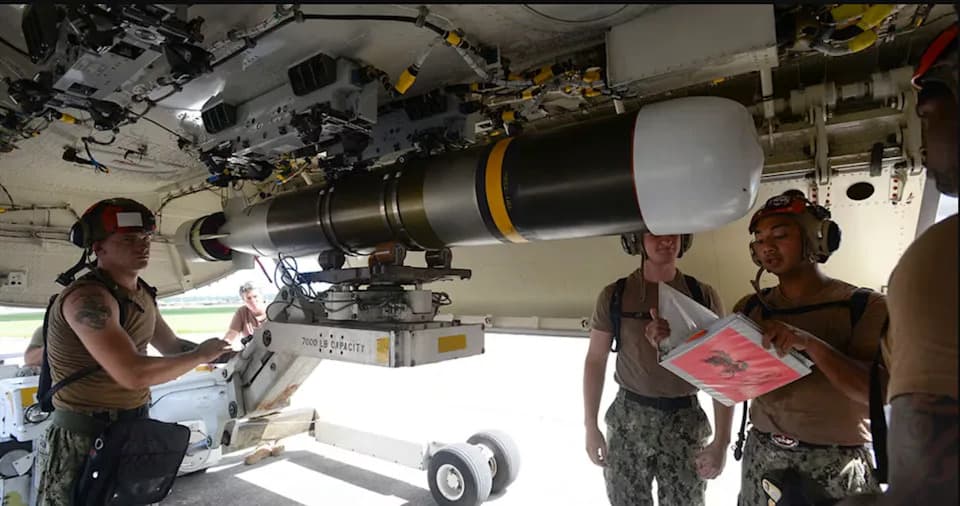
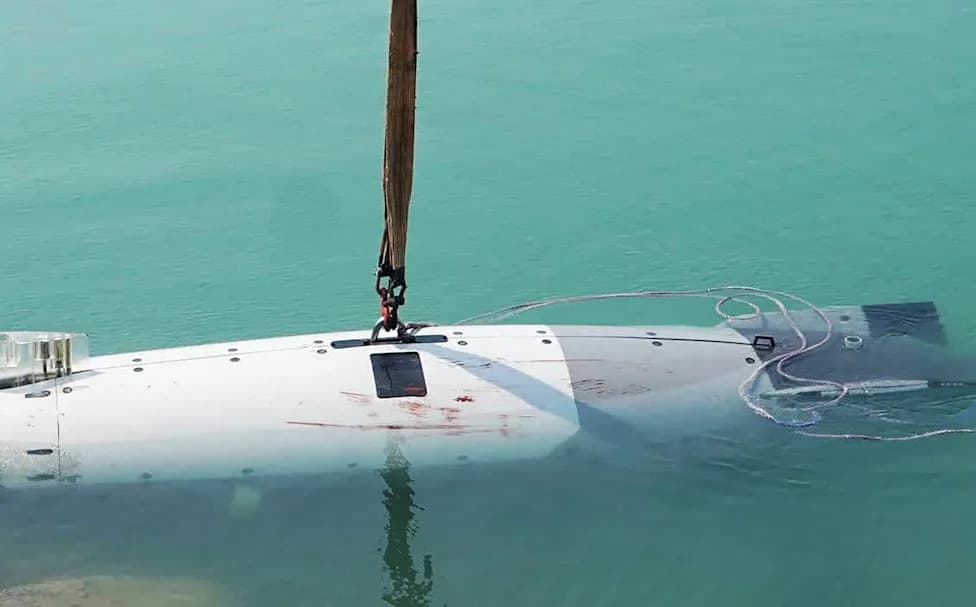
U.S. nuclear submarines are highly survivable but not invulnerable. Five weapon classes that could sink a U.S. nuclear sub under the right conditions are advanced torpedoes and large UUVs (e.g., reported Poseidon-like systems), ship-launched ASW rockets, nuclear detonations, modern depth charges/rocket charges, and naval mines — including theoretical nuclear sea mines. Survival depends on detection, maneuvering, and countermeasures.
Five Weapons That Could Actually Sink a U.S. Nuclear Submarine — And How
U.S. Navy/Wikimedia Commons
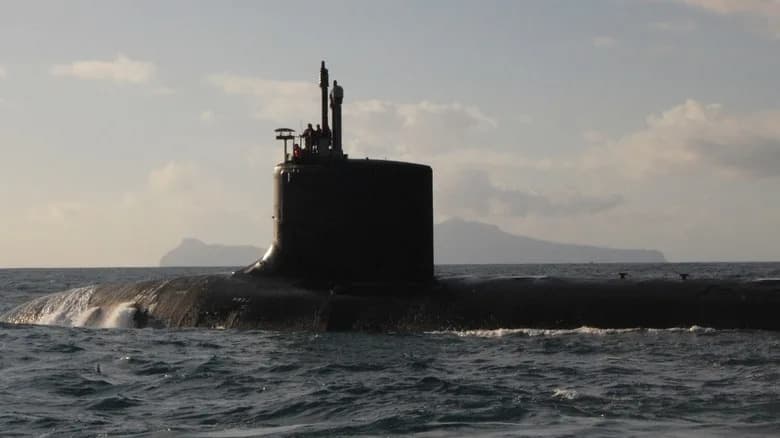
U.S. nuclear submarines are among the most survivable platforms at sea, tracing their lineage to the USS Nautilus (SSN-571) in 1954. Still, history and modern weapons development show that several classes of weapons can destroy even a modern American nuclear submarine under the right conditions. Below are five weapon types that pose real threats, how they work, and why they remain relevant despite strong submarine defenses.
Torpedoes and Large Uncrewed Underwater Vehicles (UUVs)
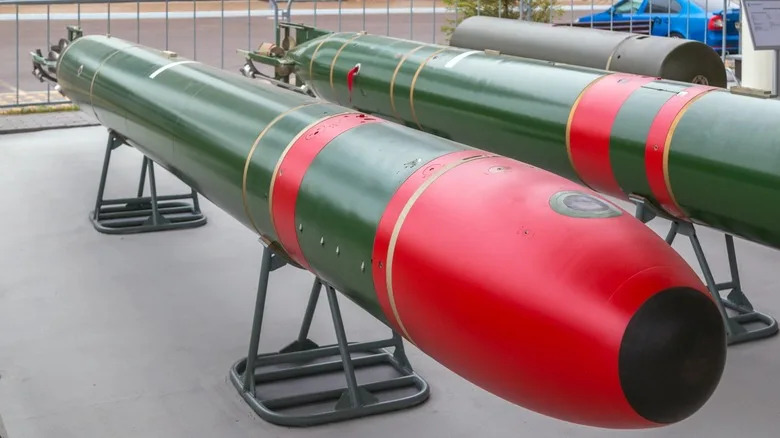
Torpedoes remain the most direct threat to a submarine, but the category includes many designs: heavyweight anti-ship torpedoes, specialized anti-submarine weapons, and large autonomous UUVs. Modern lethality combines speed, sophisticated seekers, and warhead power — attributes that reduce a submarine's ability to evade.
Mike1979 Russia/Wikimedia Commons
Notable examples often cited in open sources include Russia’s Poseidon 2M39, a very large, long-endurance UUV sometimes described as a nuclear-capable “torpedo.” While public reporting about its exact capabilities varies, its size and autonomy make it uniquely threatening. China’s heavyweight weapons such as the Yu-10 — developed primarily against large surface ships but capable of submarine attack — and dedicated anti-submarine torpedoes like the Chinese Yu-6 and Russian Futlyar (Fizik-2) combine high speed, multiple tracking modes, and warheads intended to breach modern hulls.
Ship-Launched Anti-Submarine Missiles and Rockets
Anti-submarine missiles and rockets extend the range at which surface ships can attack subs. These systems typically carry a torpedo or depth charge to a target area, then deploy the payload into the water to hunt the submarine. The standoff delivery helps strike a detected sub while keeping the firing ship outside close-range threats.
Vitalykuzmin.net/Wikimedia Commons
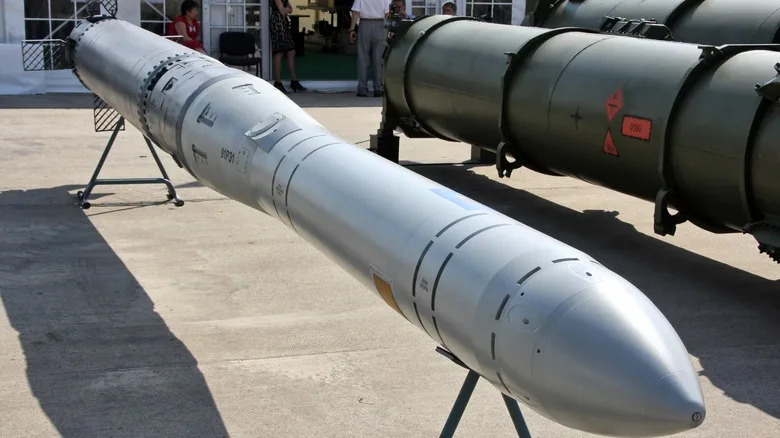
Examples include Russia’s 91R/91RT Otvet family — a two-stage ship-launched system with reported ranges in the tens of miles — and China’s Yu-8, a rocket-assisted delivery system believed to place a lightweight torpedo several miles from the launch point. Once the payload splashes, it searches for the submarine and, if it acquires a target, can sink it.
Nuclear Weapons and Underwater Detonations
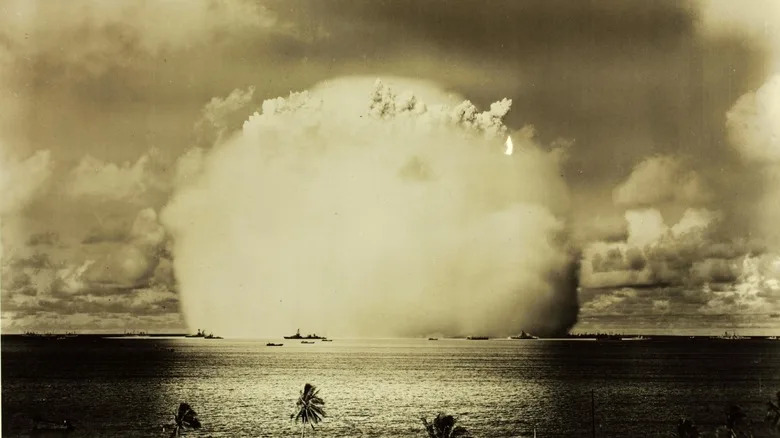
Nuclear weapons applied at sea — from warheads on missiles to naval nuclear devices — can be decisive. The effect of an underwater nuclear detonation on a submarine depends on many variables: weapon yield, distance to hull, depth of detonation, and whether the submarine is surfaced or submerged.
SDASM Archives/Wikimedia Commons
Contrary to intuition, diving deeper is not always safer. An underwater nuclear burst produces intense shock waves and a strong downward pressure component; in some scenarios, ascending toward periscope depth and moving away offers a better chance of avoiding lethal overpressure. Nonetheless, a submarine within the effective radius of even a relatively small nuclear yield (for example, on the order of a kiloton) would face catastrophic damage. Nuclear sea mines and nuclear-armed UUV concepts, while rarely confirmed in operational inventories, are often discussed for their potential lethality.
Depth Charges and Rocket-Delivered Charges
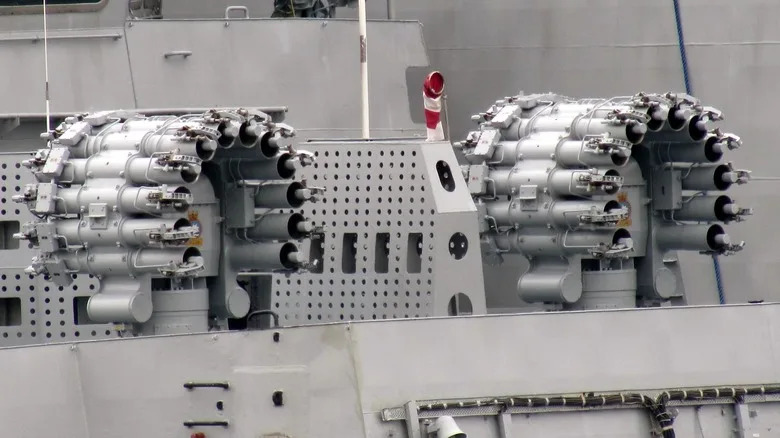
Depth charges evolved after WWII into guided, rocket-delivered and aircraft-dropped systems that blend legacy explosive concepts with modern fuzing and guidance. Soviet-era systems such as the RBU family (including the RBU-6000 and variants) still serve as examples: shipboard launchers fire rocket-propelled projectiles that fall into the water and detonate at set depths. Modern munitions may include improved fuzes and warheads intended to damage even robust submarine hulls.
Rhk111/Wikimedia Commons
China and other navies also deploy aircraft-delivered, self-guided depth charges that can attack subs at or near periscope depth. While individual warheads are often smaller than heavyweight torpedoes, the ability to deliver multiple charges rapidly increases the probability of a damaging hit.
Naval Mines — Including Theoretical Nuclear Sea Mines
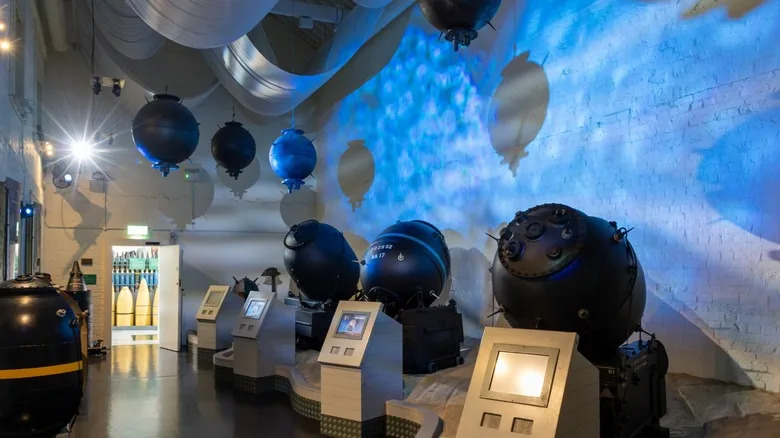
Naval mines remain a persistent low-cost threat. Modern “smart” mines can discriminate targets and arm selectively, and they are typically deployed in littoral chokepoints where submarines may transit. Mining operations have returned to headlines in recent years when mines affected shipping in strategic waterways.
The wub/Wikimedia Commons
Conventional mines can sink or badly damage subs that strike them. More speculative are nuclear sea mines — widely discussed in open sources but rarely confirmed as operational in modern inventories. Prior analyses suggest that a nuclear mine with an appreciable yield could have a lethal radius measured in miles against submarines, but such devices raise significant strategic, legal, and humanitarian concerns and would be escalatory if ever used.
Conclusion
No single weapon guarantees success against a well-handled nuclear submarine; survival depends on detection, maneuver, countermeasures, and tactics. Still, advanced torpedoes and UUVs, ship-launched ASW rockets, nuclear detonations, modern depth charges, and mines each represent credible threats under the right conditions. Understanding these dangers helps explain why submarine design, training, and layered defenses remain priorities for the U.S. Navy.
Help us improve.