The U.S. Navy's 19-foot Dive‑LD AUV was recovered by Iran after a reported malfunction near the Strait of Hormuz. While U.S. officials and Anduril sought to minimize the loss, analysts say Iran could still glean mechanical and design insights even if software protections limit exploitation. The retrieval gives Tehran a propaganda advantage and recalls past incidents where captured U.S. systems influenced Iranian developments — all amid ongoing U.S.-Iran hostilities.
Captured U.S. Dive‑LD Underwater Drone Gives Iran A Chance To Study — And A Propaganda Win
Credit: Getty Images
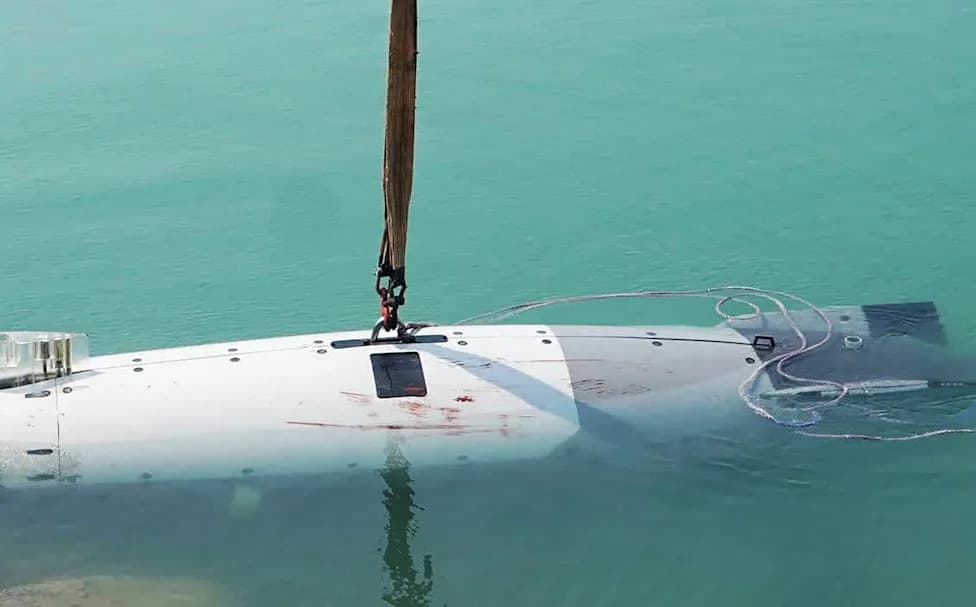
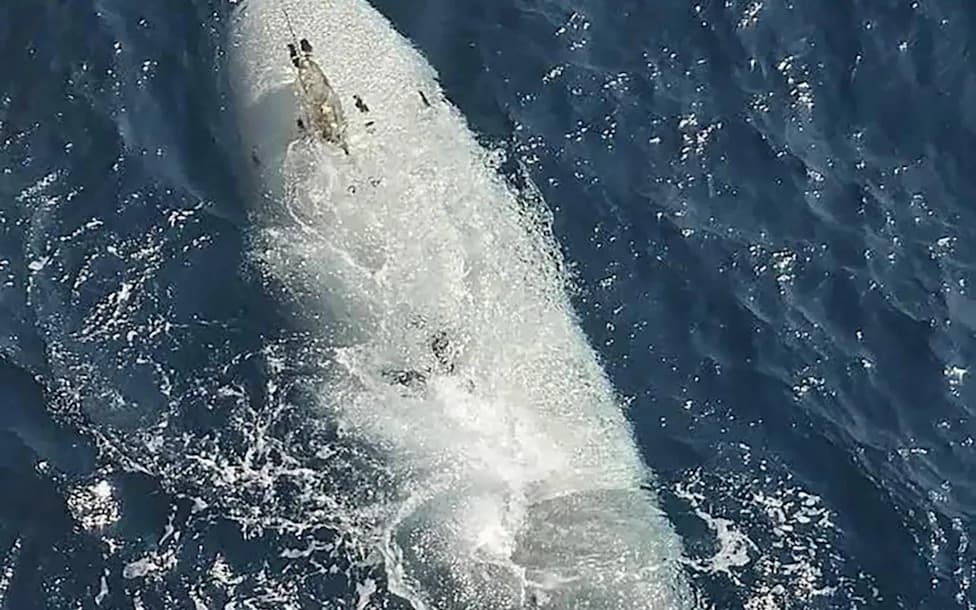
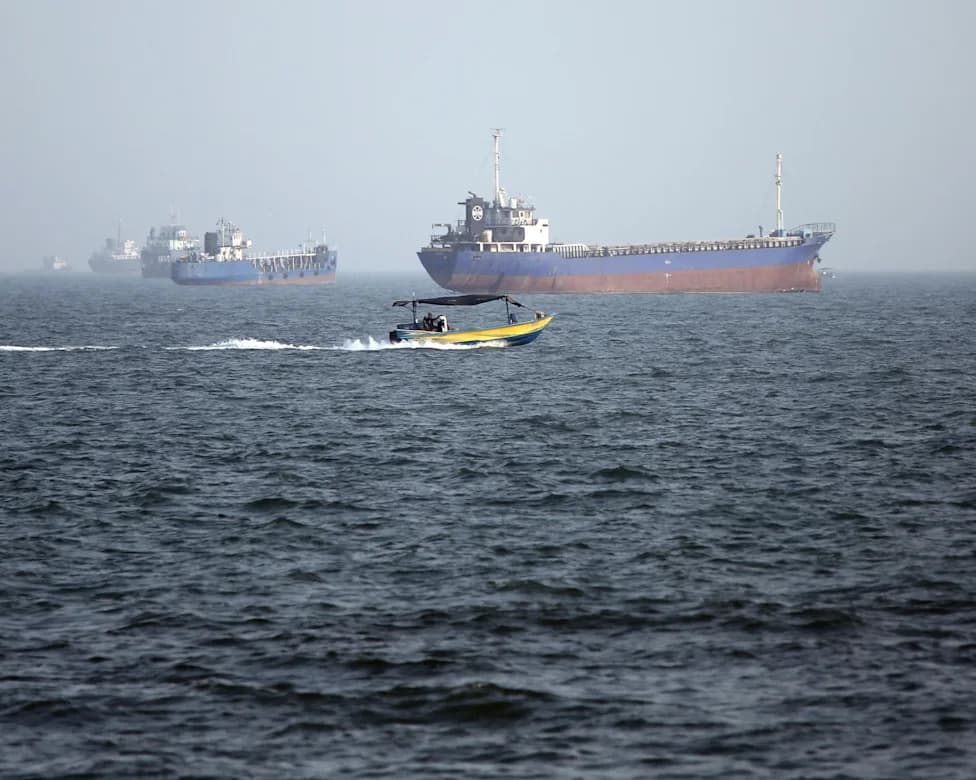
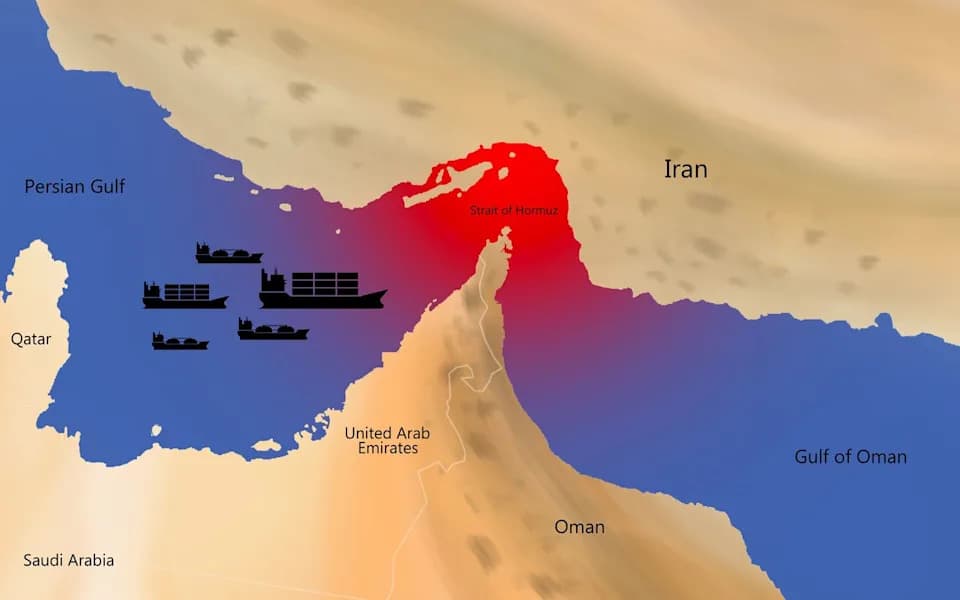
Iran recovered a 19-foot U.S. Navy Dive‑LD autonomous underwater vehicle (AUV) after the system malfunctioned near the Strait of Hormuz, creating an opportunity for Tehran to examine American undersea technology and score a public-relations victory against Washington.
What Happened
Reuters reported on September 9 that Iran's Islamic Revolutionary Guard Corps retrieved the 19-foot Dive‑LD after it reportedly malfunctioned while conducting regional water surveys. U.S. officials and the vehicle's maker, Anduril, moved quickly to downplay the event. The Navy described the specific unit as an older, defective model that "neither collected sensitive data nor carried any classified sonar or radar equipment." Anduril has marketed the Dive‑LD as a reliable, adaptable AUV capable of extended operations.
Public Reactions And Mockery
Iranian embassies publicly taunted the U.S. over the recovery. In one social-media post, Iran's embassy in Ghana likened the retrieval to "pulling a plastic bottle from a fishing net" and said the device was "still blinking like an idiot." Iran's embassy in Hyderabad joked about an "unboxing ceremony" by reverse engineers.
Technical Implications
Analysts told Reuters that while the captured vehicle is unlikely to yield a decisive military advantage, it could still offer useful technical insights. Bryan Clark of the Hudson Institute said Iranian engineers "could definitely reverse-engineer the mechanical systems," though he expressed skepticism about Tehran's ability to overcome software protections built into the platform.
"The mechanical architecture can be instructive, but software and secure data storage remain major hurdles for exploitation," an analyst observed.
Historical Context And Why It Matters
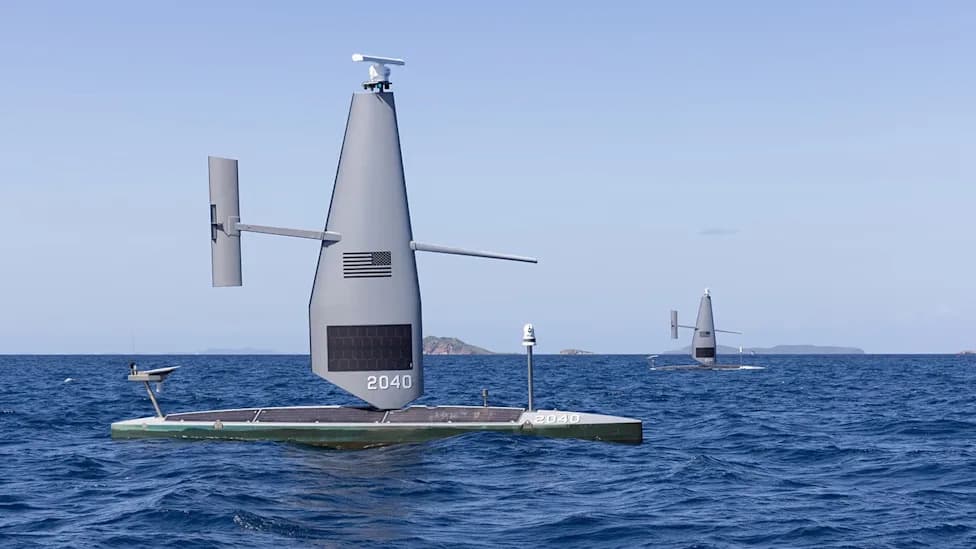
The incident echoes past episodes in which Iran recovered foreign systems and highlighted them for domestic and international audiences. When Tehran captured an RQ‑170 Sentinel in 2011, then‑President Barack Obama publicly sought its return; Iran later displayed drones influenced by the Sentinel's design. In 2022, the U.S. Navy intervened after an Iranian vessel tried to tow an American Saildrone surface vehicle.
The recovery takes place amid ongoing hostilities between the United States and Iran since Washington launched Operation Epic Fury in late February. The conflict has spilled into technology and supply chains: in April 2026 an Iranian strike disrupted production at a Saudi petrochemical complex that supplies resin for PCB laminates, and in July Iranian cruise missiles reportedly struck an Amazon data center in Bahrain.
Bottom Line
Even if the captured Dive‑LD does not offer classified secrets, it provides Iran with both material to study and a public talking point to assert influence around the Strait of Hormuz. Washington will likely continue to treat similar recoveries seriously given their potential technical and symbolic impact.
Credit: Getty Images
Help us improve.