Researchers inspecting the wreck of Germany's UC-30—sunk on April 19, 1917, near Rømø—found TNT leaching from at least some of the submarine's munitions. Traces of explosive compounds were detected in water, sediment and local mussels and starfish. UC-30 is one of an estimated 10,127 wrecks in Danish waters (about 15% likely from the World Wars), and experts warn the pollution risk could grow as wrecks corrode. Authorities are considering gentler responses such as robotic surveys and remote neutralization of explosives.
WWI U-Boat UC-30 Is Leaking TNT Into the North Sea — Century-Old Wreck Threatens Marine Life
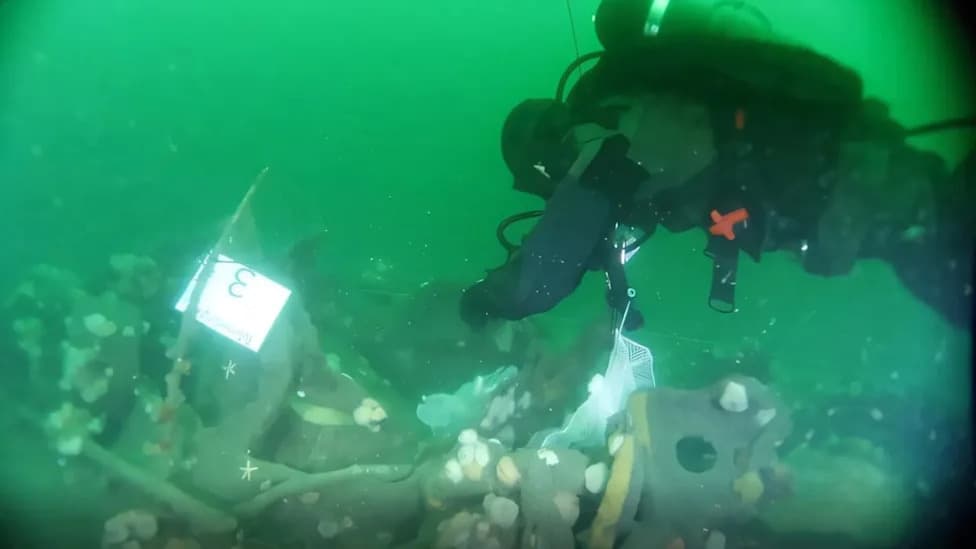
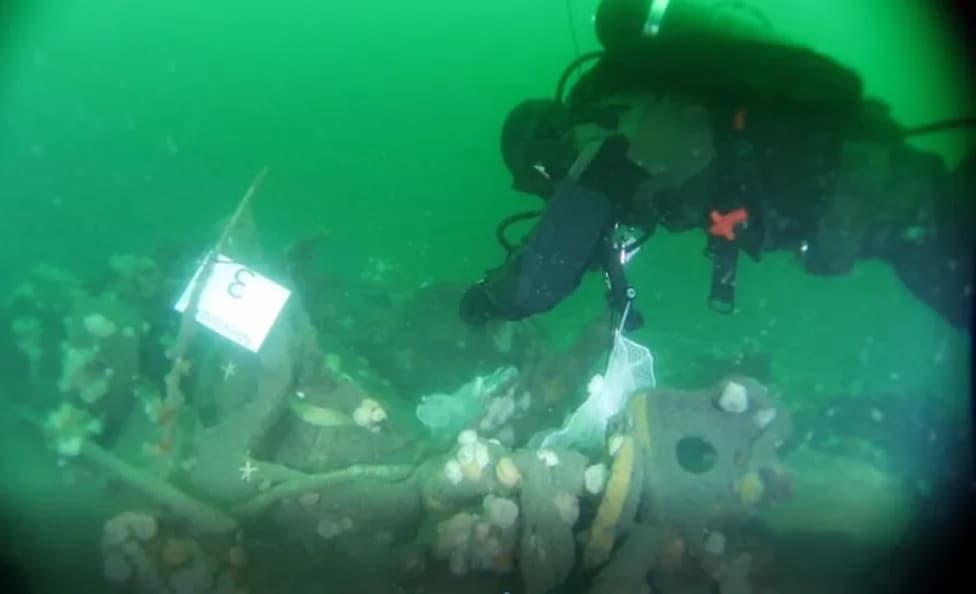
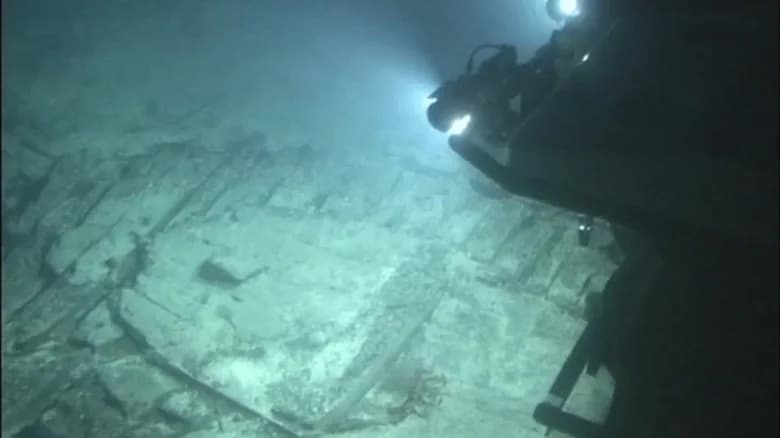
Researchers required assistance from Danish naval divers to examine the submarine.
A World War I German submarine, UC-30, which sank on April 19, 1917, is releasing traces of TNT into the North Sea. Marine researchers say contamination from the wreck has been detected in water, sediment and local wildlife, and that the problem could worsen as the wreck continues to corrode.
Background
UC-30 struck a British mine near the Danish island of Rømø while attempting to return to port after engine trouble. All 27 crew members died, and the wreck remained lost until it was rediscovered in 2016.
Recent Expedition and Findings
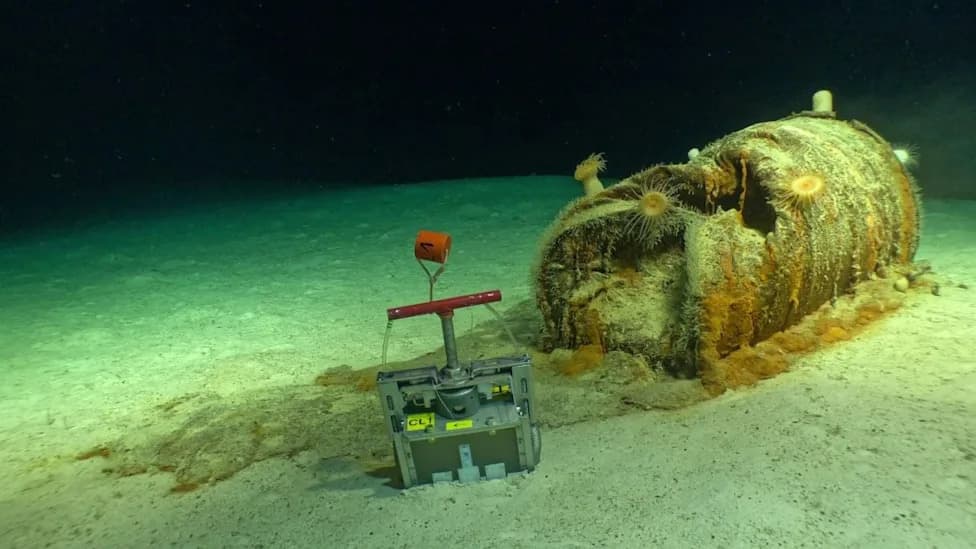
As part of the North Sea Wrecks research project, marine ecologists teamed with Danish navy divers to inspect the submarine and collect samples. Scientists gathered water and sediment samples and collected mussels and starfish living close to the wreck for laboratory analysis.
Tests showed traces of TNT leaching from at least some of UC-30's munitions—reported to include six torpedoes and 18 mines. Contaminants were detected in the seabed, the water column and in local marine organisms.
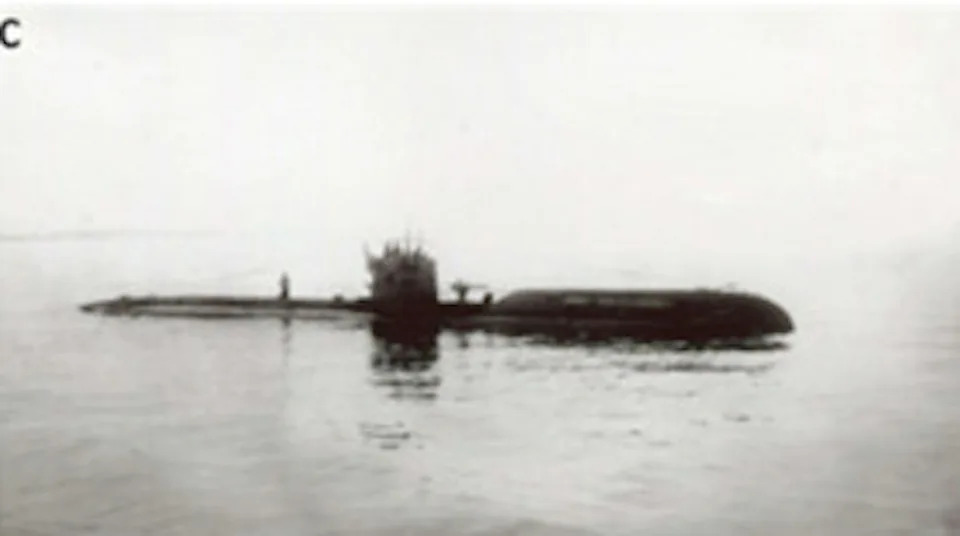
One of the few known photos of the UC-30. Credit: Deutsches U-Boot Museum Cuxhaven-Altenbruch
"We found traces of TNT in the wildlife, the seabed, and the water column," said Katrine Juul Andresen, a geoscientist at Aarhus University and co-author of the study. "The question is how significant the effect is and how far from the wreck the pollution impacts the marine environment."
Environmental Risks
Researchers currently believe the pollution around UC-30 is relatively localized, but they warn it may expand as the wreck's metal corrodes in the North Sea's harsh conditions. A 2024 report co-authored by Andresen for the Danish Environmental Protection Agency identified 10,127 wrecks in Danish waters, roughly 15% of which likely date to the two World Wars—indicating the problem could be widespread.
Removal is not a simple option: many unexploded munitions remain volatile, and raising or detonating wrecks can risk spreading pollutants or causing further damage to the marine environment.
Potential Responses
Options are limited, but researchers and European Union officials are exploring less invasive strategies. One proposed approach is to use underwater robots to survey wrecks and prioritize the most dangerous or degraded sites. In the longer term, remotely operated systems might be able to recover or neutralize explosives in controlled conditions to reduce environmental harm.
"We are trying to identify the most gentle solutions to the problem, as there is unfortunately no easy way to clean it up," Andresen said.
Why This Matters: TNT and similar legacy explosives are persistent and toxic; their release can harm marine ecosystems and may affect fisheries and coastal communities over time.
Help us improve.