Modern nuclear submarines are engineered with nuclear threats in mind, but survivability depends on weapon yield, detonation location and the sub’s depth and position. A direct nuclear hit is unsurvivable, yet subs that avoid the immediate underwater shock and severe fallout can often survive because water attenuates blast and radiation. Doctrine typically favors rising to periscope depth and evasion rather than diving deeper. Ballistic-missile submarines remain a hard‑to‑find and vital leg of strategic deterrence.
Can a Submarine Survive a Nuclear Blast? How Subs Withstand — Or Don’t — Underwater Nukes
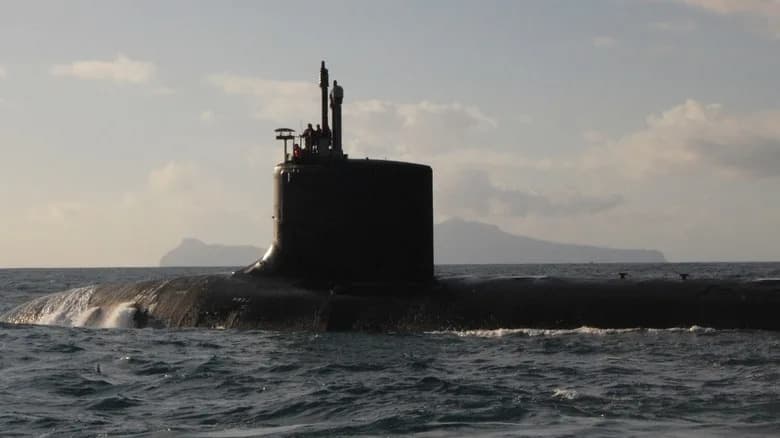
DoD/Wikimedia Commons
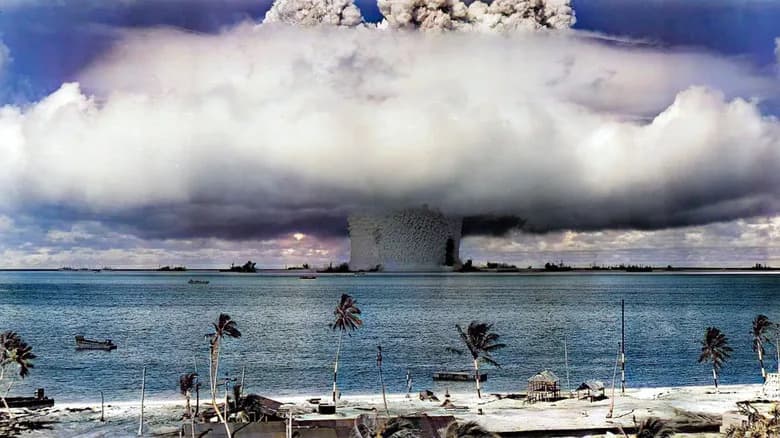
Nuclear weapons produce immensely powerful detonations that can devastate everything near ground zero. While they were used in wartime only once—when the Enola Gay dropped a bomb on Hiroshima in 1945—modern warheads are far more complex and far deadlier than that first device. Decades of testing have shown how nuclear detonations behave in the atmosphere, in space, underground, on land and both on and beneath bodies of water.
How Underwater Nuclear Detonations Work
When a nuclear device detonates underwater, the blast generates an expanding shock wave and a gas bubble. Energy is often focused downward in a roughly conical pattern toward the sea floor, making the area directly beneath the explosion especially lethal. The underwater shock produces extreme overpressure that no submarine hull is designed to survive intact at very close range.
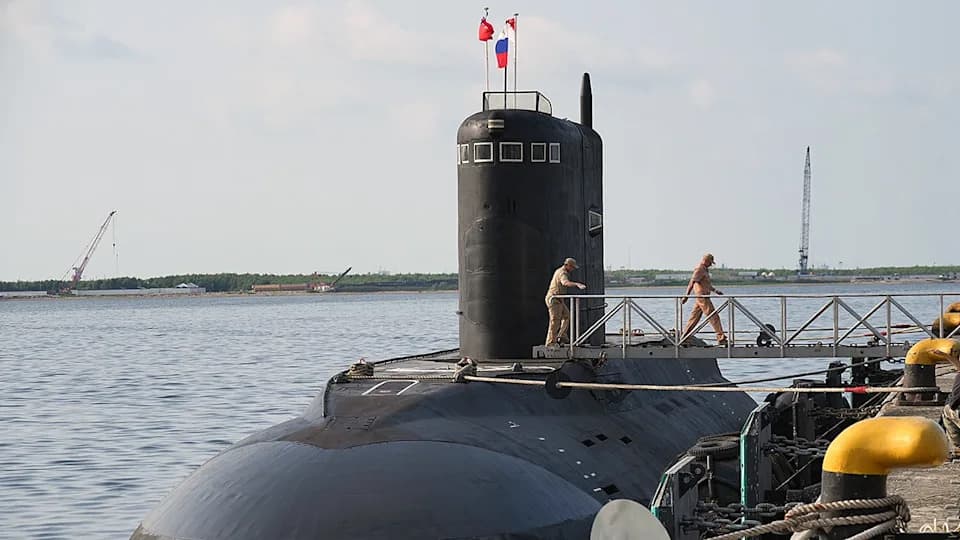
BAE Systems/Wikimedia Commons
Why Diving Deep Isn't Always The Best Option
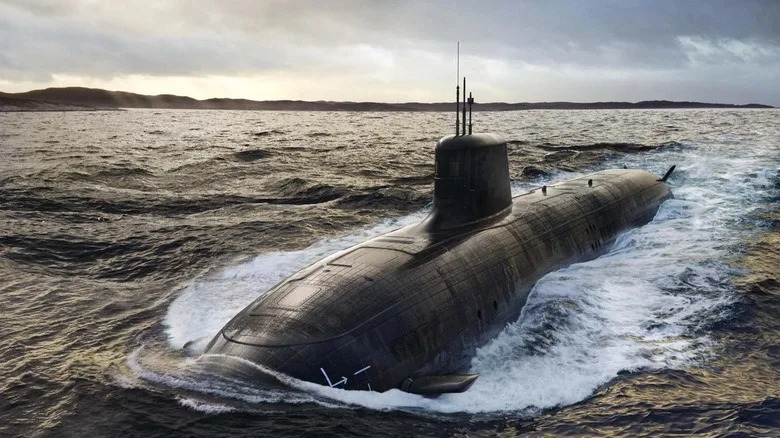
A common misconception is that a submarine should simply dive as deep as possible to escape a nuclear blast. In practice, submarine doctrine in many navies calls for rising to periscope depth (roughly up to 60 feet / ~18 meters) and executing evasive, high-speed maneuvers similar to those used against conventional depth-charge attacks. This tactic helps the boat put horizontal distance between itself and the detonation and positions it to reduce exposure to falling radioactive fallout.
Hull Strength, Overpressure And Ranges
Cold-war-era tests suggested roughly 700 pounds per square inch (psi) of overpressure could compromise a submarine hull. Some contemporary estimates propose that modern designs might tolerate up to about 1,500 psi in certain conditions, though exact survivability depends on hull design, depth, angle of attack and location of the burst. For context, an underwater one‑megaton blast could generate that order of overpressure at distances on the scale of a couple of miles (estimates vary); a one‑megaton weapon is roughly 67 times the yield of the Hiroshima bomb.
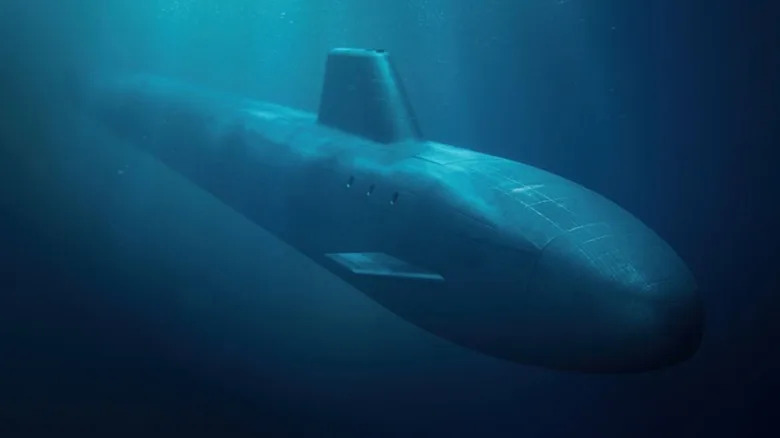
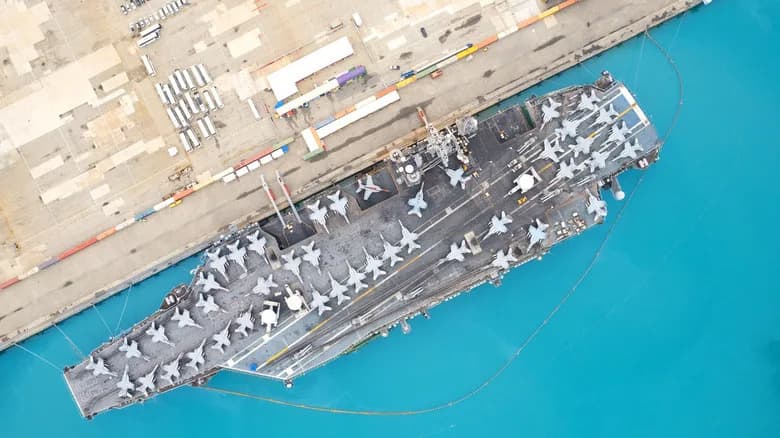
Royal Navy/Wikimedia Commons
Why Water Can Be Protective
If a submarine avoids the immediate underwater shock and severe local fallout, surrounding water can provide substantial shielding from prompt radiation and heat. Water attenuates radiation and dissipates blast energy over distance, increasing the chance that a submerged boat and its crew survive to operate afterward — though much depends on the weapon yield, depth of detonation and proximity.
Operational Advantages Of Nuclear Submarines
Nuclear-powered submarines can remain submerged for months, limited primarily by provisions and crew endurance. With underway replenishment, some boats can be sustained at sea for years. Ballistic-missile submarines (SSBNs) are deliberately stealthy to preserve their survivable retaliatory capability and make up a core leg of strategic deterrence: for example, U.S. Ohio‑class SSBNs carry 20 Trident II D5 missiles and comprise a substantial portion of the U.S. sea-based deterrent.
Limits And Realities
No submarine can survive a direct, close-range nuclear hit. Even a near miss with a very large yield may cause catastrophic damage or disable key systems. Tactics, hull strength, depth, local bathymetry and sheer luck all factor into whether a boat can escape, maneuver away and remain mission-capable after a detonation.
Bottom line: Direct hits are unsurvivable, but in many plausible scenarios a nuclear-powered submarine that avoids the immediate shock and heavy fallout can survive, withdraw and continue to perform a deterrent or combat role.
Help us improve.