The New York court sentenced 61‑year‑old Takeshi Ebisawa to 20 years after convicting him on charges related to trafficking nuclear material, narcotics and weapons. Prosecutors say a DEA undercover operation — which included an operative posing as an Iranian general — exposed plans to broker uranium and purported weapons‑grade plutonium sourced from an insurgent group in Myanmar. U.S. federal lab tests reportedly detected uranium, thorium and plutonium in samples tied to the case. Ebisawa also pleaded guilty in January 2025 to six charges connected to large drug shipments and alleged money laundering.
Yakuza Leader Sentenced to 20 Years in U.S. for Trafficking Weapons‑Grade Nuclear Material, Drugs and Arms
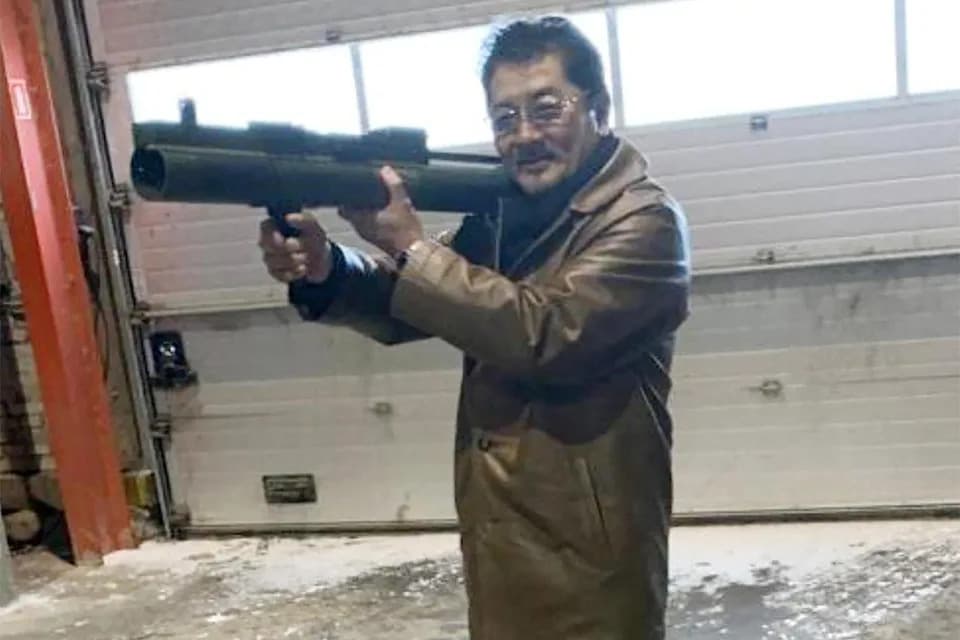
Takeshi Ebisawa poses with a rocket launcher during a meeting with an informant and two undercover Danish police officers at a warehouse in Copenhagen, Denmark February 3, 2021, in a photograph from a Drug Enforcement Administration (DEA) criminal complaint. / Credit: U.S. Magistrate Judge/Southern District of New York/Handout via REUTERS(U.S. Magistrate Judge/Southern District of New York/Handout via REUTERS)
A New York court on Tuesday sentenced Takeshi Ebisawa, a 61‑year‑old alleged leader within Japan's yakuza, to 20 years in prison after convicting him on charges that include trafficking nuclear material, narcotics and weapons.
Undercover Operation and Arrest
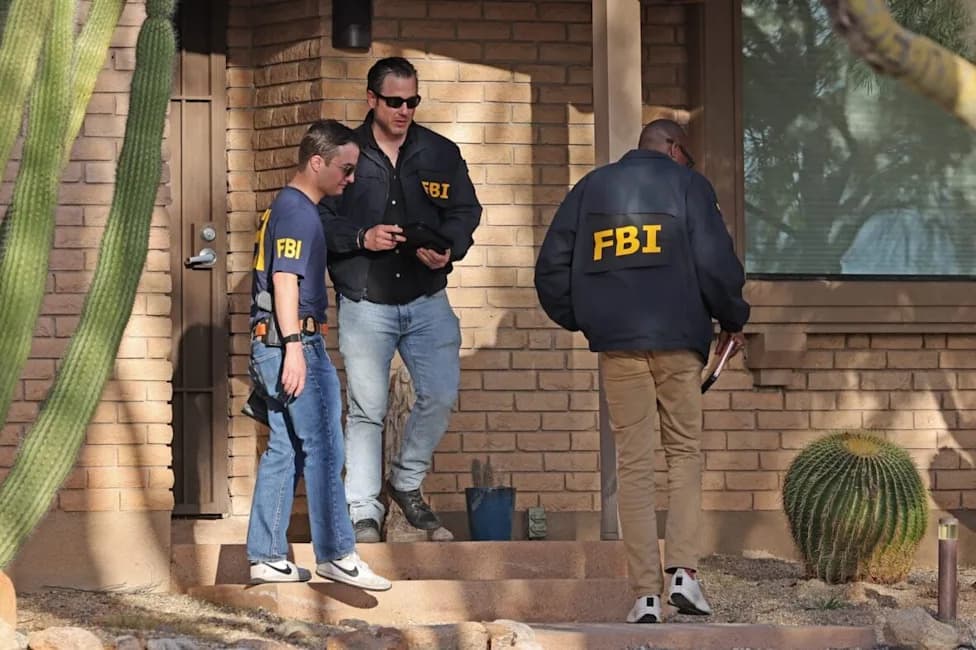
U.S. authorities say Ebisawa had been under investigation for years by the Drug Enforcement Administration (DEA). He was arrested in Manhattan in April 2022 during a DEA sting that involved an undercover confidential source and an associate who posed as an Iranian general.
Allegations Involving Nuclear Material
Prosecutors allege that beginning in 2020 Ebisawa told the DEA confidential source that he had access to a large quantity of nuclear materials and sought buyers. To substantiate the claim, he reportedly sent photographs of rocky samples accompanied by Geiger counter readings and said the materials contained thorium and uranium.
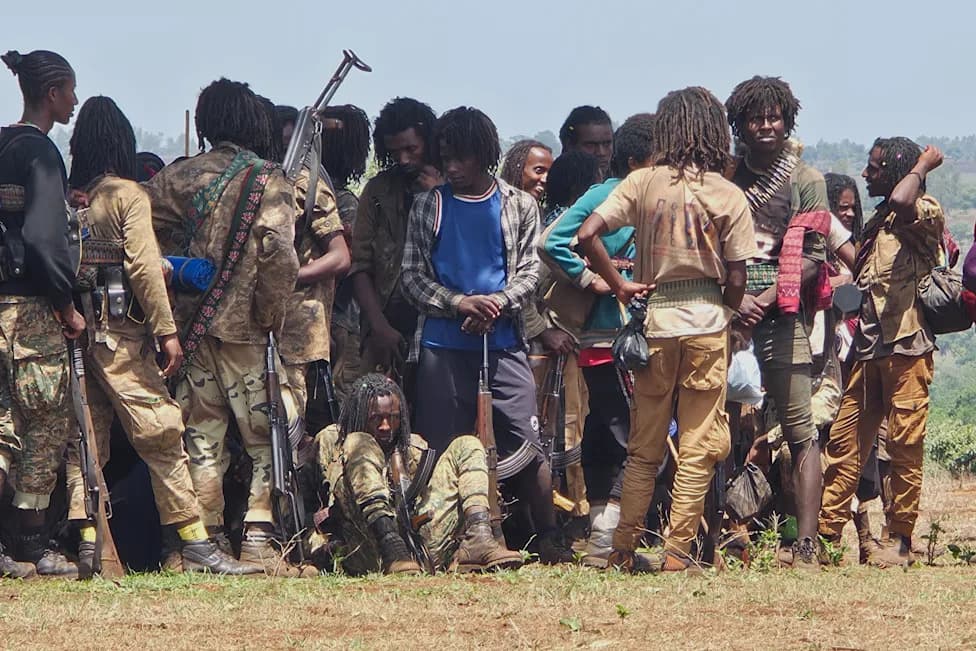
According to court documents, the nuclear material was said to have originated with an unnamed leader of an "ethnic insurgent group" in Myanmar who had been mining uranium. Prosecutors say Ebisawa proposed brokering the sale of uranium through him to raise funds for weapons purchases from the person posing as the general.
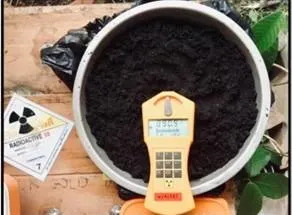
Examples of the photographs sent by Takeshi Ebisawa, according to U.S. prosecutors. / Credit: Justice Department
Samples obtained during the investigation were tested at a U.S. federal laboratory, which prosecutors say detected uranium, thorium and plutonium. Prosecutors further allege that the isotope composition of the plutonium was weapons‑grade — meaning a sufficient quantity could be suitable for use in a nuclear weapon.
Narcotics, Money Laundering And Arms Allegations
In addition to the nuclear allegations, prosecutors contend Ebisawa conspired to sell 500 kilograms of methamphetamine and 500 kilograms of heroin to an undercover agent for distribution in New York. He is also accused of attempting to launder $100,000 in purported narcotics proceeds from the United States to Japan. His Thai co‑defendant in related drug and weapons matters is named as Somphop Singhasiri.
"Takeshi Ebisawa has been held accountable for his crimes, including an attempt to sell weapons‑grade plutonium to Iran and to flood New York with deadly narcotics," said John Eisenberg, the Assistant Attorney General for National Security.
Pleas and Sentence
Ebisawa pleaded guilty to six charges in January 2025, and was sentenced to 20 years in prison in the New York court on Tuesday. The case underscores U.S. authorities' concern about transnational criminal networks trafficking not only drugs and weapons but potentially dangerous nuclear materials.
Note: Allegations and laboratory findings are reported by U.S. prosecutors and court filings. Ebisawa was convicted in U.S. court; descriptions of source origins and intent are drawn from prosecutors' statements and filings.
Help us improve.