A Garland, Texas couple has been sentenced for operating an e-commerce smuggling scheme that moved about $2.4 million in unapproved veterinary drugs and pesticides from Mexico into the U.S. Thao Duong was sentenced to three months in prison, two years of supervised release and ordered to forfeit more than $1.5 million; Lam Mai received two years' probation. Authorities say the operation used border storage, interstate shipping and parcel carriers to distribute products—including pesticides containing amitraz—that pose risks to bees and human health. The case underscores enforcement challenges posed by online marketplaces and cross-border supply chains.
Texas Couple Sentenced Over $2.4M Mexico-to-U.S. Smuggling Scheme Involving Unapproved Veterinary Drugs and Pesticides

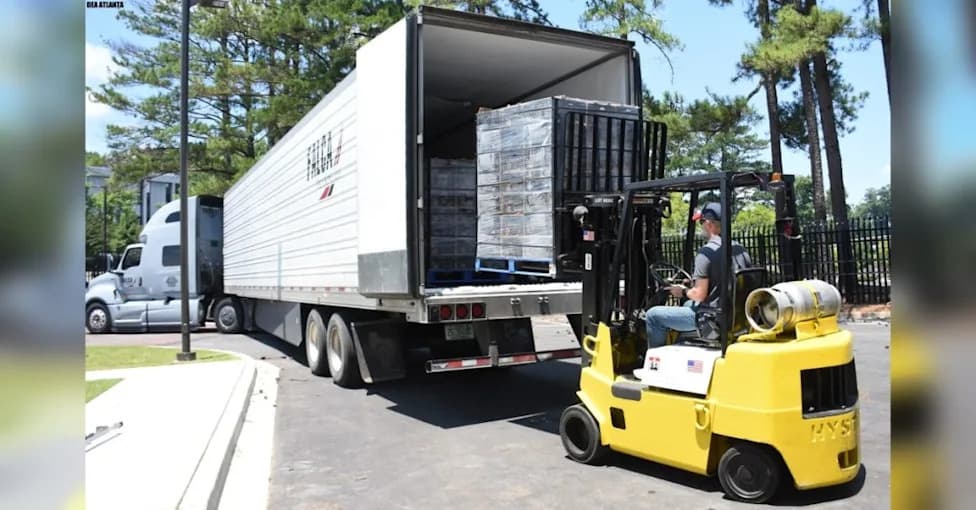
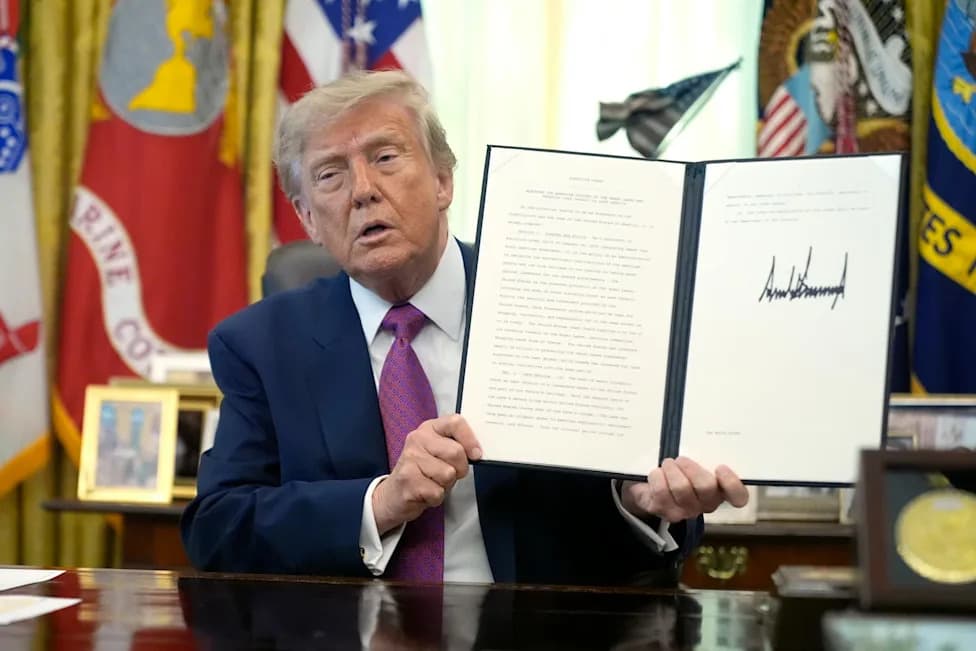
Thao Duong and Lam Mai used an online storefront and a network stretching from Mexico through California to Texas, federal prosecutors said. (Photo: Jim Allen/FreightWaves)
A federal judge has sentenced a Garland, Texas, married couple for running an online business that relied on a cross-border supply chain to import and distribute millions of dollars' worth of unapproved veterinary drugs and pesticides from Mexico to customers across the United States.
Case Details
According to federal filings and a U.S. Department of Justice statement, Thao Duong and Lam Mai were sentenced Sept. 8 in connection with the scheme. Duong received a three-month prison term, two years of supervised release and was ordered to forfeit more than $1.5 million. Mai was sentenced to two years of probation.
How the Scheme Worked
Prosecutors say Duong began selling animal-care products on various online platforms around 2011, later building a dedicated website in 2018 that became the operation’s primary sales hub. She was not a licensed veterinarian and did not require prescriptions for veterinary drugs.
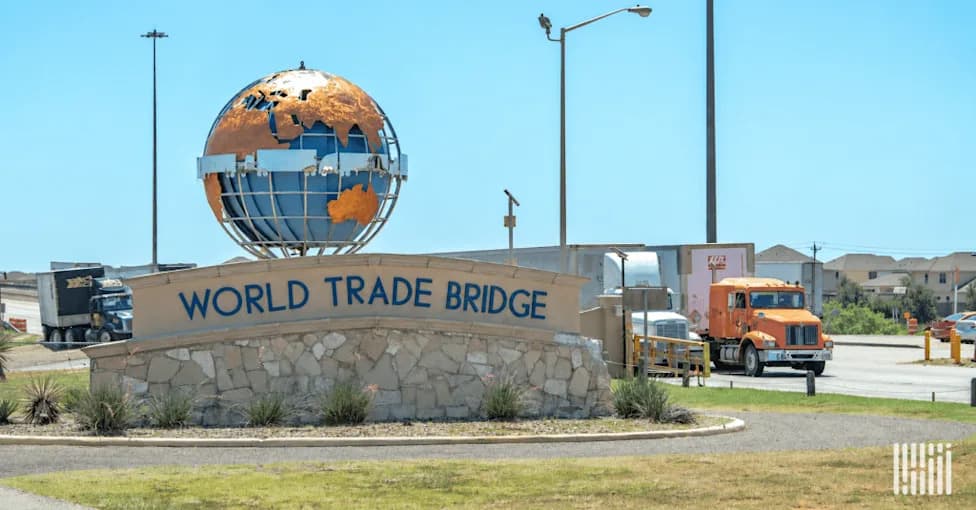
The operation relied on cross-border smuggling and storage units near the U.S.–Mexico border. Merchandise reportedly entered the United States through the Calexico port of entry in California. After being stored near the border, co-conspirators shipped shipments from California to Texas, where the products were packaged and mailed nationwide via the U.S. Postal Service and commercial carriers. From 2018 through 2022, prosecutors say Duong obtained roughly $2.4 million worth of smuggled merchandise.
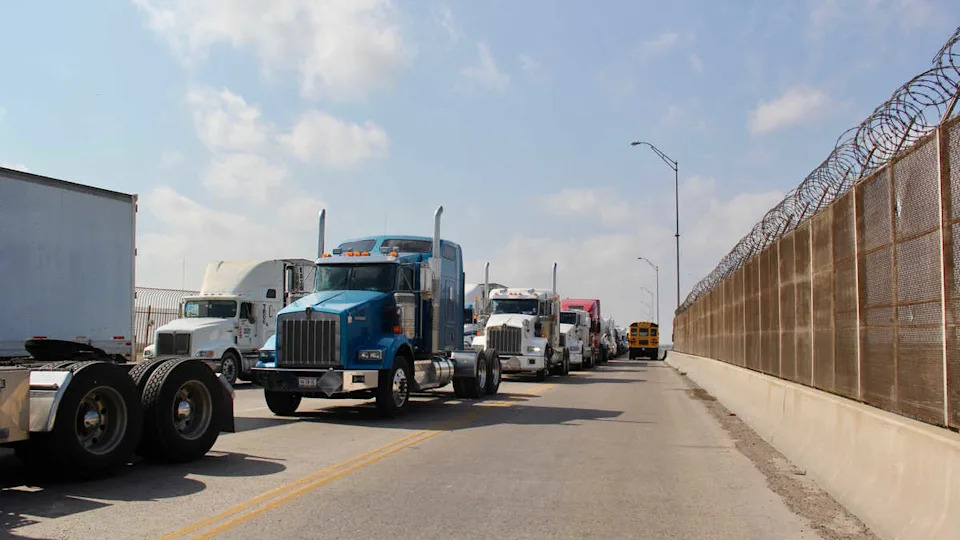
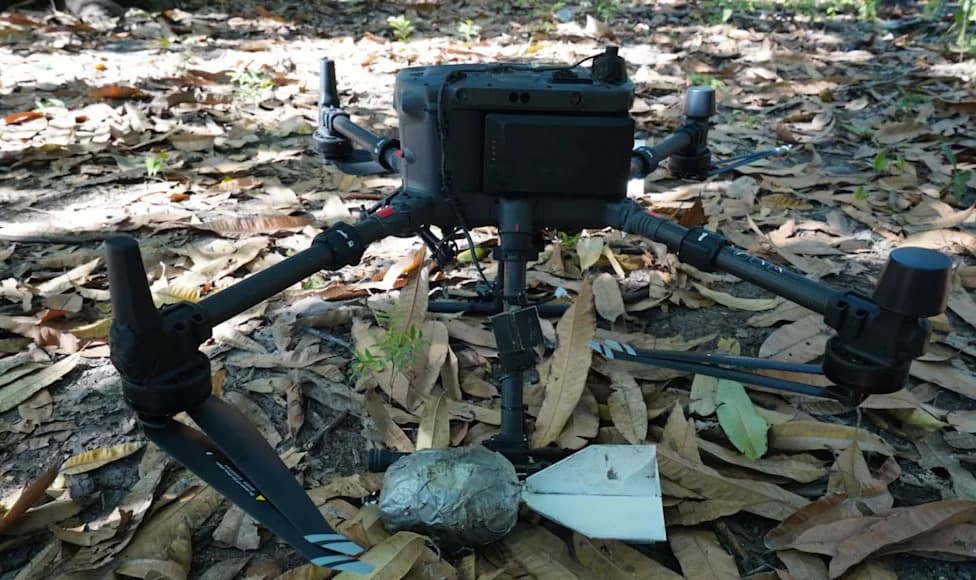
The scheme connected cross-border smuggling with online sales and nationwide parcel delivery, highlighting the challenges authorities face once prohibited imports enter domestic distribution networks. (Photo: Jim Allen/FreightWaves)
Products and Public-Health Concerns
Among the products sold were Cipio Vet, Baytril Max and Caterrol—veterinary drugs manufactured in Mexico but not approved by the U.S. Food and Drug Administration. In 2017 Duong expanded the inventory to include the pesticides Taktic and Bovitraz. Neither pesticide was registered with the U.S. Environmental Protection Agency for sale or use in the United States.
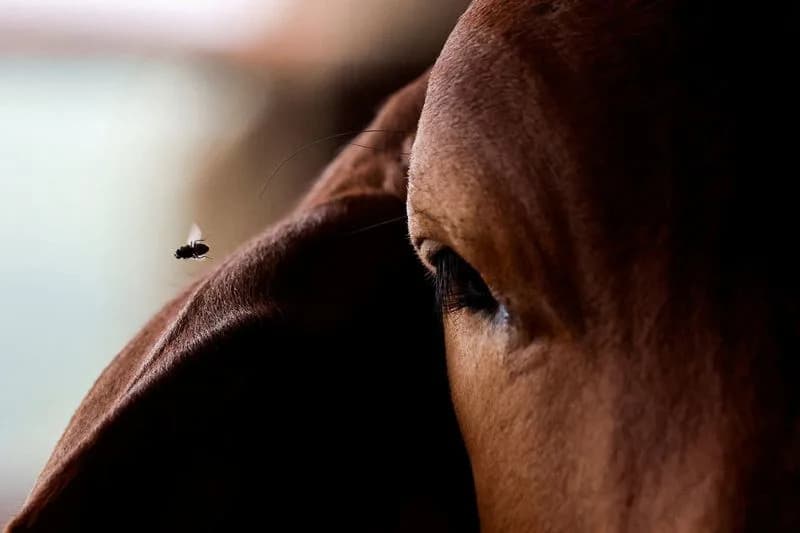
Federal authorities warned that Taktic and Bovitraz contain the active ingredient amitraz, which the EPA says is toxic to bees and can contaminate honey, honeycomb and beeswax, creating potential human exposure pathways. Improper use of amitraz in beehives is associated with neurological and possible reproductive effects; documented animal symptoms include central nervous system depression, slowed heart rate and hypothermia.
Investigation and Enforcement
The investigation involved the Environmental Protection Agency and the Food and Drug Administration, with assistance from Homeland Security Investigations and the U.S. Postal Inspection Service. Jeffrey A. Hall, assistant administrator for the EPA’s Office of Enforcement and Compliance Assurance, said:
"No one should profit from bringing illegal chemicals into the United States and poisoning American communities."
Why It Matters
The case highlights how illicit imports can be funneled into online marketplaces and distributed nationwide by parcel carriers, creating enforcement challenges and posing environmental and public-health risks once prohibited products enter domestic supply chains.
Help us improve.