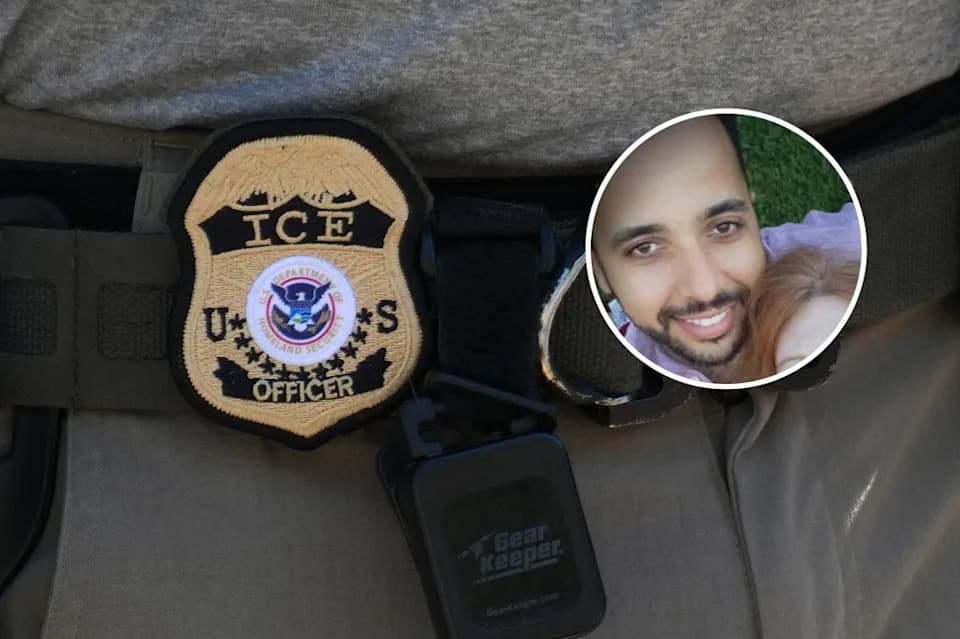
Ricardo Gonzalez Bahena, 43, was sentenced to 24 months in federal prison for using a stolen identity while employed at the Savannah River Site and for attempting to obtain U.S. passports. He was ordered to pay $35,695 in restitution to the victim, a vulnerable U.S. citizen in Puerto Rico. Following his federal sentence and three years of supervised release, he will be deported to Mexico. The case was investigated by the Department of Energy and the State Department's Diplomatic Security Service and prosecuted by Assistant U.S. Attorney Scott Matthews.
Savannah River Site Employee Sentenced to 2 Years for Stolen Identity and Passport Fraud; Will Be Deported
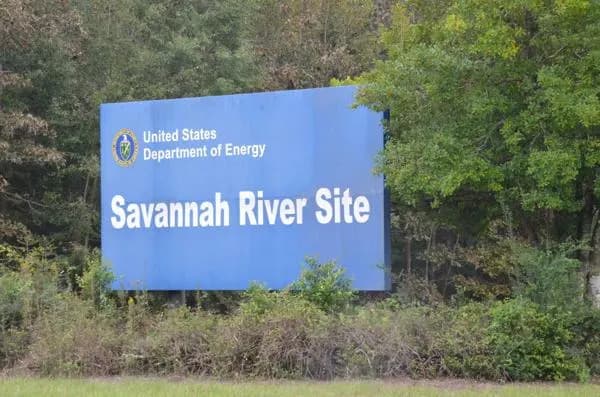
An entrance to the Savannah River Site, a 310-square-mile nuclear complex. The Savannah River National Laboratory is located at the Site. Staff photo by Cindy Kubovic
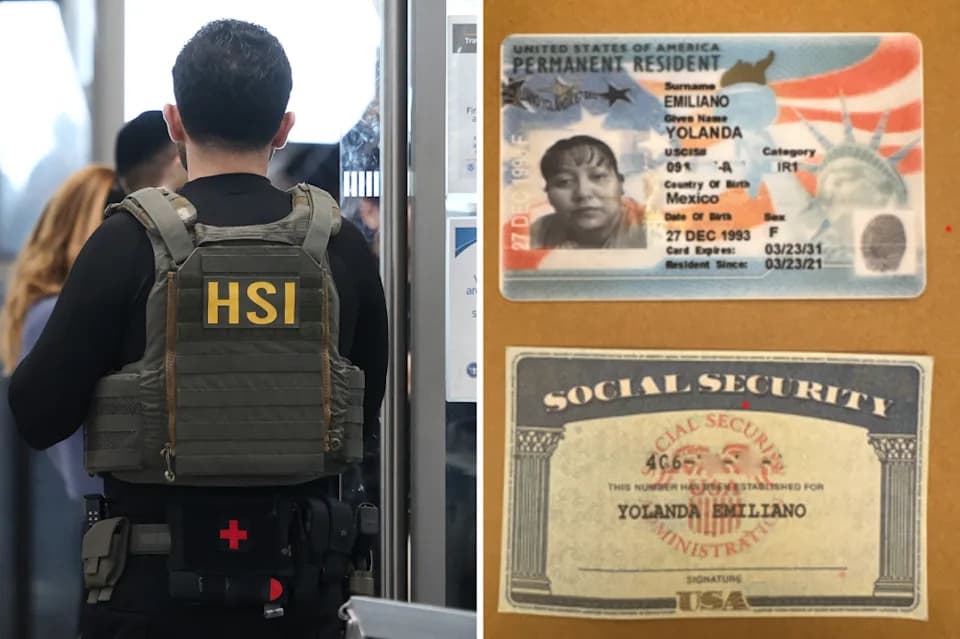
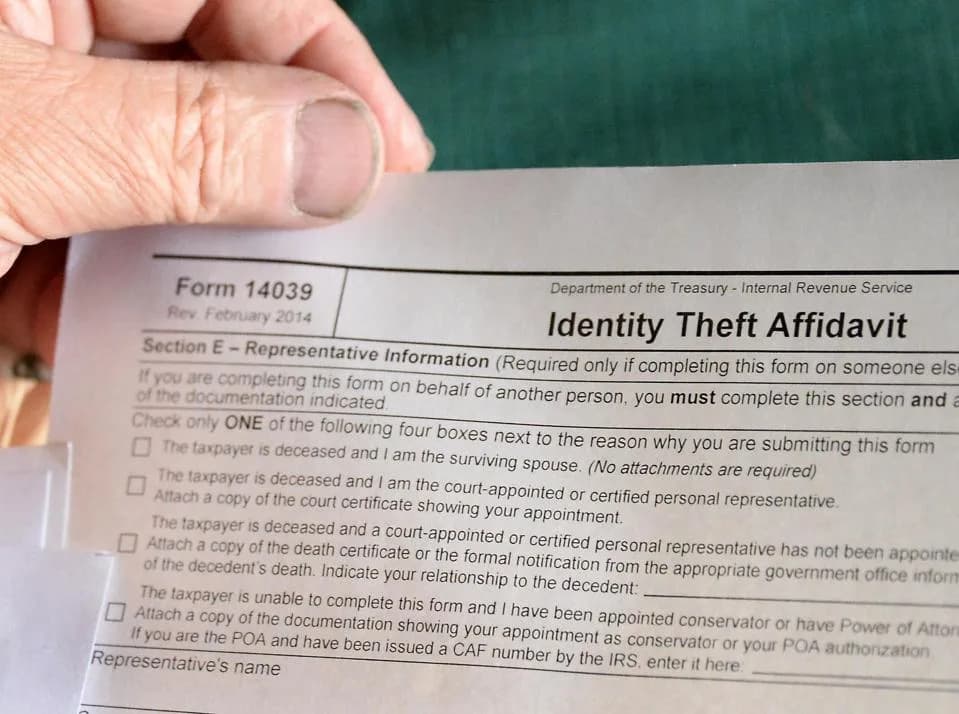
The U.S. Attorney's Office for the District of South Carolina announced that 43-year-old Ricardo Gonzalez Bahena has been sentenced to two years in federal prison after being convicted of identity theft and passport fraud.
Case details:
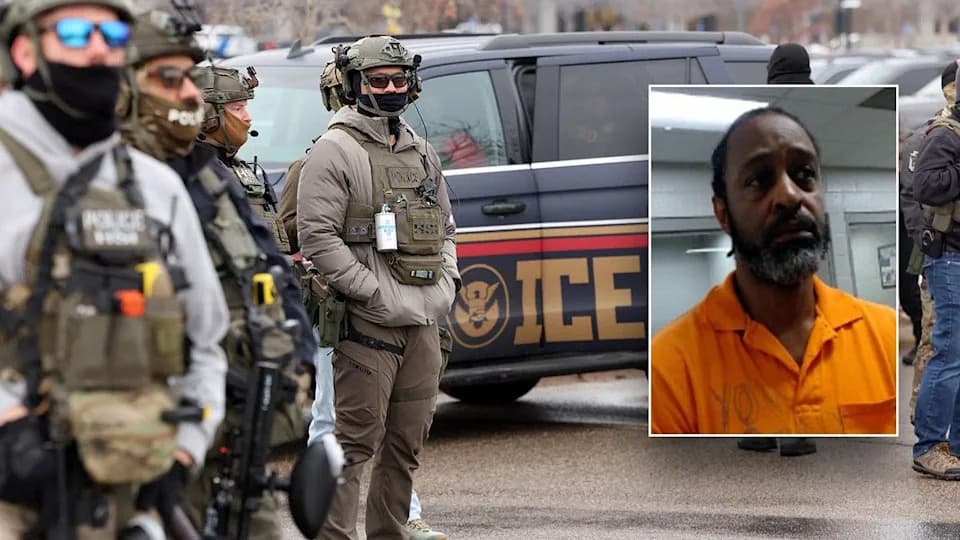
Investigators found that Gonzalez Bahena, a Mexican national residing in Graniteville, was employed at the Savannah River Site (SRS) using a false identity. While working there, he sought an increased security clearance; background investigators uncovered inconsistencies that led to the criminal investigation.
On two occasions he attempted to obtain a U.S. passport in Augusta, Georgia, using the same stolen identity. The identity he used belonged to a vulnerable U.S. citizen in Puerto Rico who, according to the investigation, has never left the island.
U.S. District Judge Sherri A. Lydon sentenced Gonzalez Bahena to 24 months in prison, to be followed by three years of supervised release. Because federal sentences do not include parole, he is expected to serve the full term as imposed by the court. After completing his sentence, he will be deported to Mexico.
The court also ordered Gonzalez Bahena to pay $35,695 in restitution to the victim.
The investigation was conducted by the Department of Energy and the U.S. Department of State's Diplomatic Security Service (DSS). Assistant U.S. Attorney Scott Matthews prosecuted the case.
Note: The case highlights security and identity-verification risks at sensitive facilities and the consequences for using stolen identities to obtain employment and travel documents.
Help us improve.