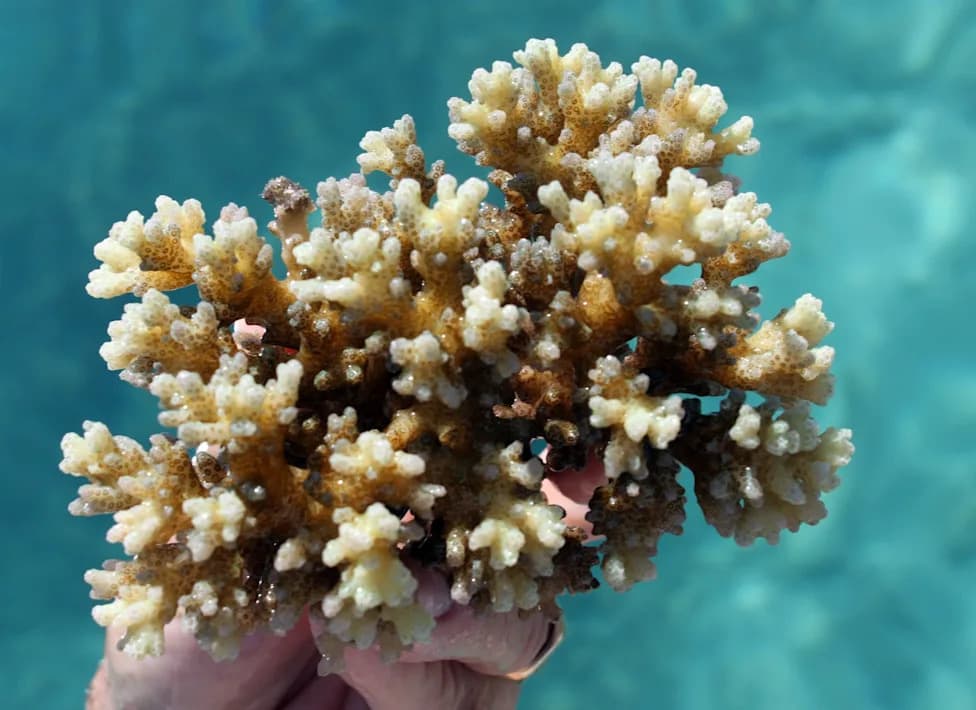
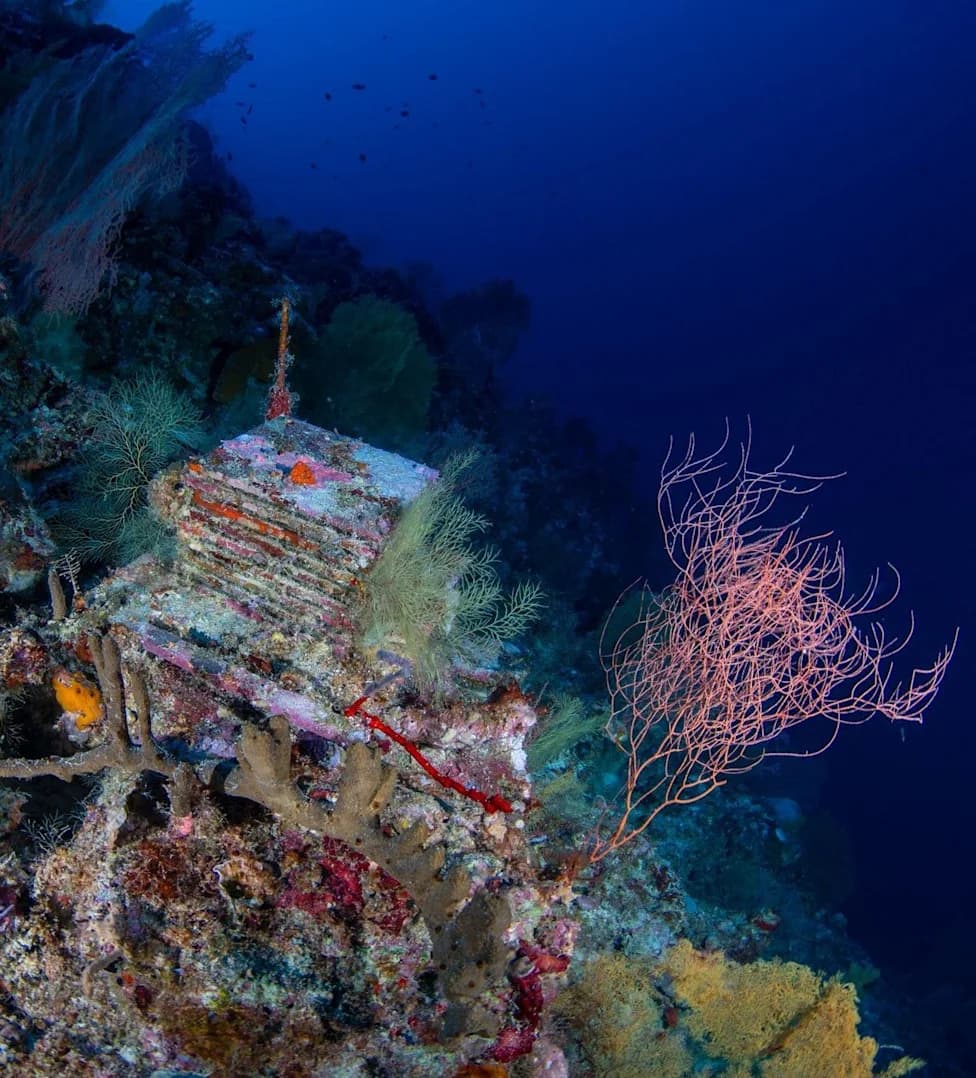
Citizen scientists Sophie Kalkowski-Pope and her mother, Jan Pope, discovered a J-shaped Pavona clavus colony on the Great Barrier Reef that measures about 111 meters (364 ft) and covers roughly 3,973 m² (42,765 ft²). The size was verified using manual underwater measurements and high-resolution imagery used to create a 3D model for ongoing monitoring. Researchers note strong tidal currents and low cyclone exposure at the site may have helped the colony’s growth, and the exact location is being withheld to reduce risk. The discovery was made during the Great Reef Census amid a global bleaching event that began in 2023.
Mother-Daughter Citizen Scientists Discover World’s Largest Known Coral Colony on the Great Barrier Reef
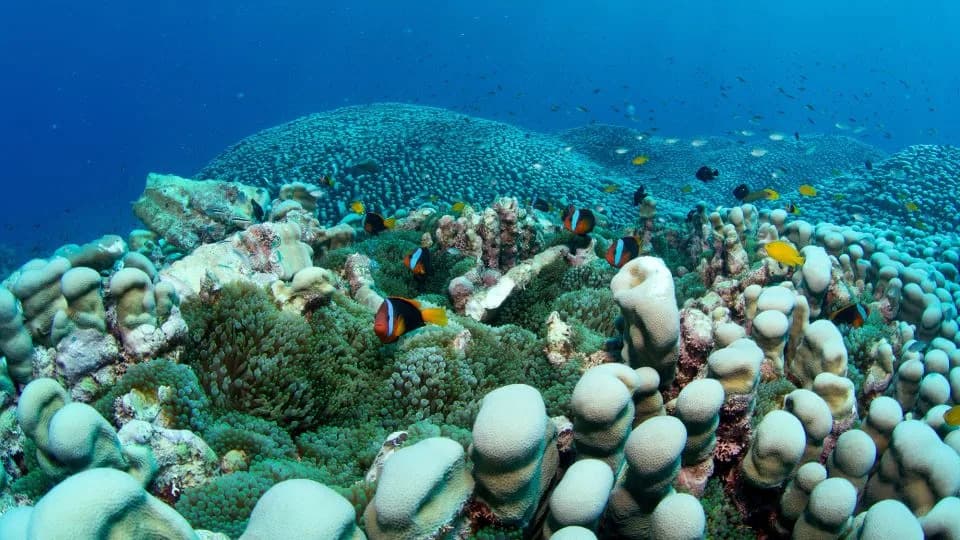
The coral was found as part of the Great Reef Census, which encourages citizen scientists to collect data. - Richard Fitzpatrick/Citizens of the Reef
A mother-and-daughter team of citizen scientists has identified what conservationists say is the largest documented coral colony in the world on Australia’s Great Barrier Reef.
Details of the Discovery
The formation, identified as Pavona clavus, spans about 111 meters (364 feet) — roughly the length of a soccer pitch — and covers approximately 3,973 square meters (42,765 square feet). The colony was discovered late last year by Sophie Kalkowski-Pope, marine operations coordinator at Citizens of the Reef, and her mother, Jan Pope, an experienced diver and underwater photographer.
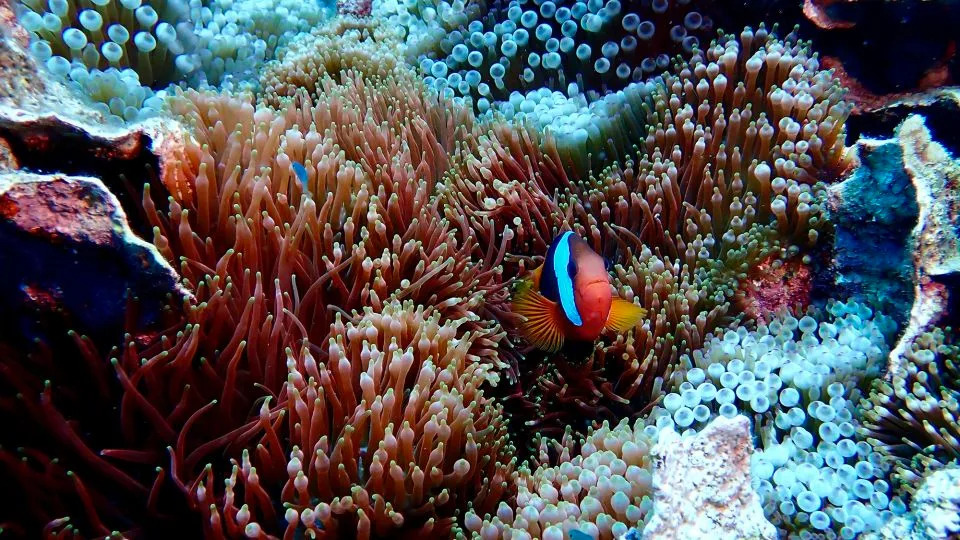
The coral is around the same length as a soccer field. - Jan Pope/Citizens of the Reef
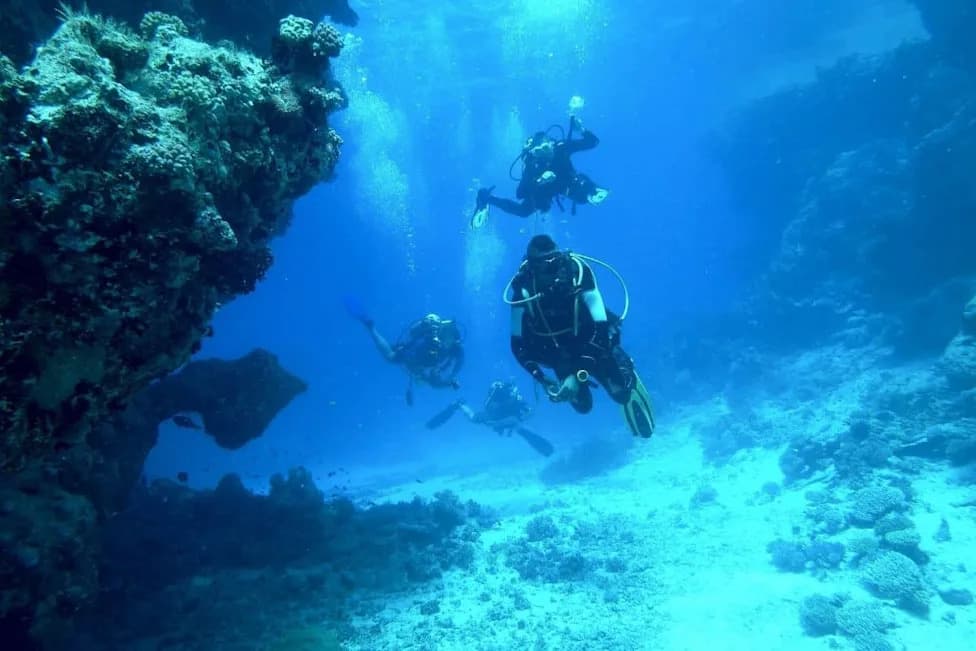
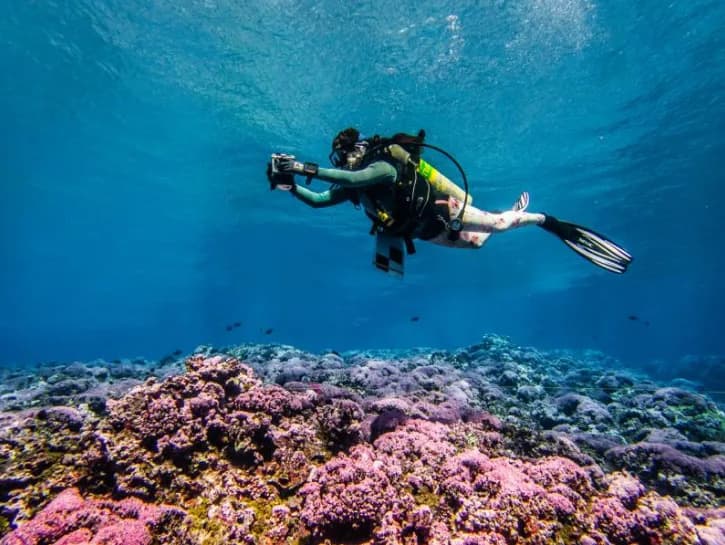
Jan Pope had dived the site a week earlier and suspected she had found something remarkable. The pair returned with measuring equipment and filmed the J-shaped coral as they swam across it; Kalkowski-Pope said it took a three-minute video to cross from one side to the other.
How Size Was Verified
Citizens of the Reef confirmed the colony’s size using manual underwater measurements combined with high-resolution imagery captured from platforms on the water’s surface. Those data were used to create a detailed 3D model of the colony, enabling repeatable spatial comparisons over time.
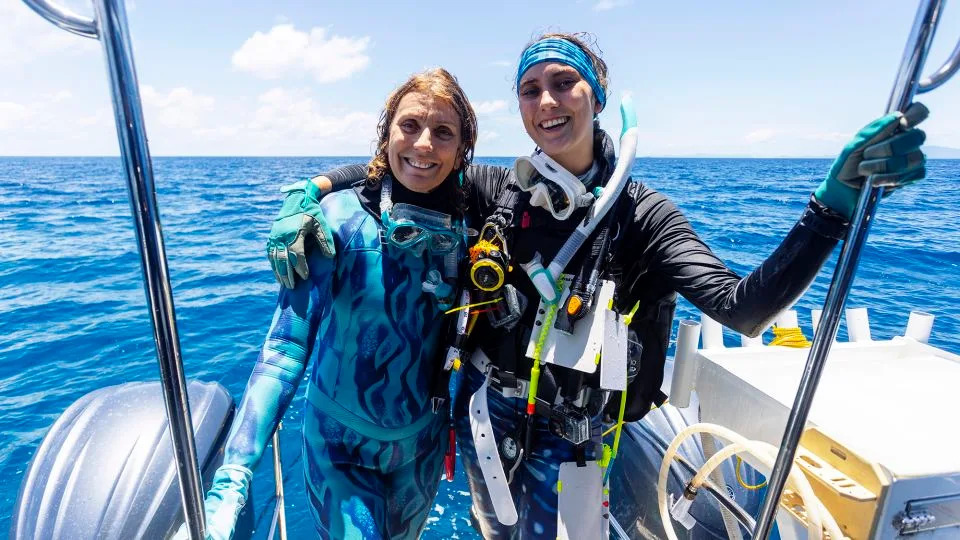
Jan Pope and her daughter Sophie Kalkowski-Pope found the massive coral late last year. - Citizens Of The Reef
“When we hopped in the water, immediately I could recognize the significance of what we were seeing,”
— Sophie Kalkowski-Pope.
Monitoring and Site Conditions
Researchers note the site experiences strong tidal currents and comparatively low exposure to tropical cyclone waves — conditions that may have helped the colony attain its unusual size. Serena Mou, a research engineer at the Queensland University of Technology’s Centre for Robotics, said the 3D spatial modelling allows scientists to return in future months and years and make one-to-one comparisons to track change.
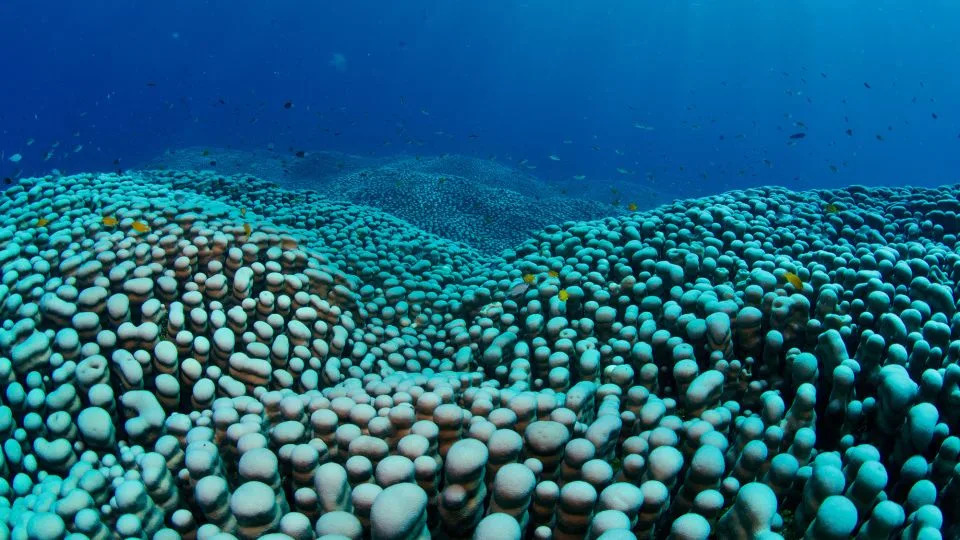
Scientists have now produced a 3D model of the coral. - Richard Fitzpatrick/Citizens of the Reef
Protection and Context
To reduce the risk of unintended impacts, Citizens of the Reef has not released the colony’s exact location. The discovery was made while surveying from a family boat as part of the Great Reef Census, a citizen-science initiative that has collected reef imagery from more than 100 vessels to help map sources of reef recovery and guide targeted protection.
The find comes against a worrying backdrop: corals worldwide have been hit by a global bleaching event that began in 2023 during record-high marine temperatures. More than 80% of the world’s reefs have been affected, and bleaching — the loss of the symbiotic algae that feed corals — can be fatal.
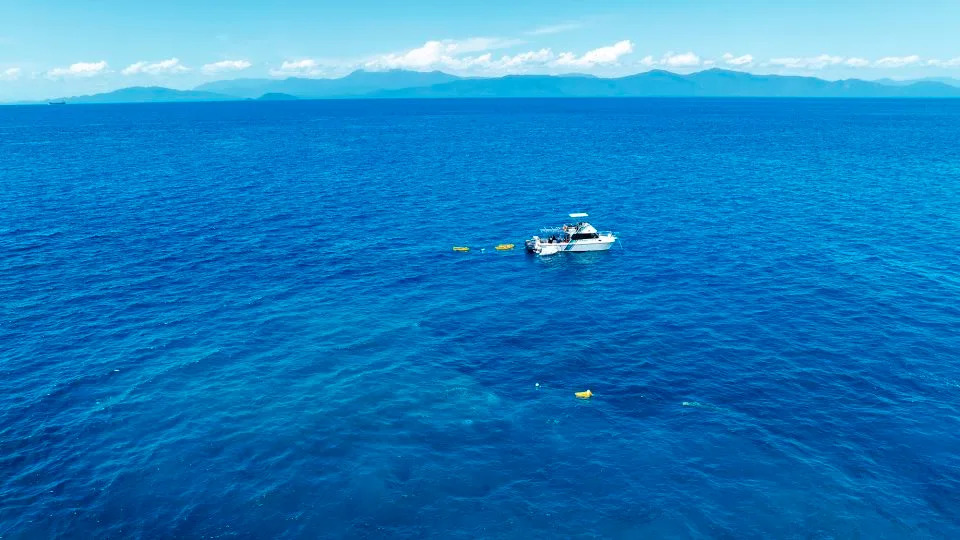
The Great Reef Census involves more than 100 vessels. - Citizens Of The Reef
Pete Mumby of the Marine Spatial Ecology Lab at the University of Queensland said the Great Reef Census helps locate critical areas for recovery so scientists and managers can better protect them. Andy Ridley, CEO of Citizens of the Reef, described the program as a way to harness “people power” to gather large-scale data from those already on the water.
Editor’s note: This report is part of broader environmental coverage highlighting conservation efforts and threats to coral reefs.
Help us improve.