Peatlands sequester more carbon than forests despite covering only about 3% of Earth. A recent field study finds Arctic peatlands are expanding as warming and increased precipitation favor sphagnum moss and waterlogged soils. However, thawing permafrost, receding glaciers and more frequent extreme heat and wildfires — including long-burning "zombie fires" — could release that stored carbon, creating a risky feedback loop. Ongoing field monitoring is needed to determine whether these peatlands will remain long-term carbon sinks or become net sources of emissions.
Greening Arctic Could Kick-Start a Dangerous Peat–Carbon Feedback Loop
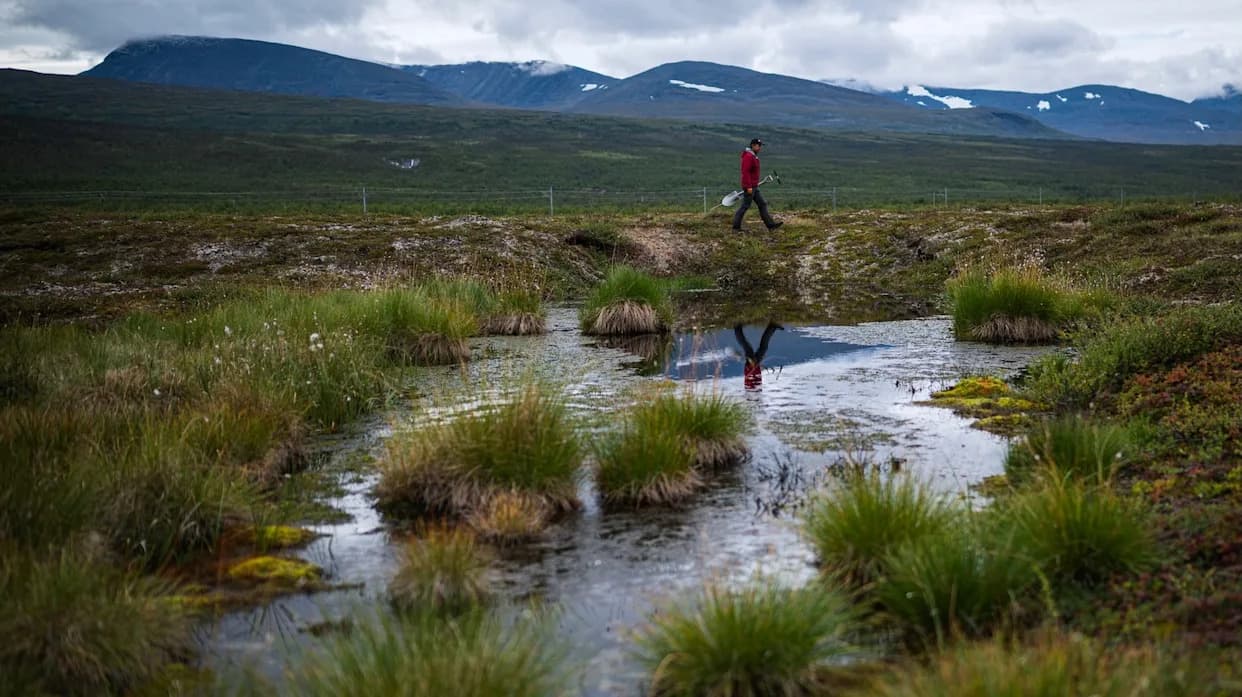
Peatlands may lack the dramatic height of forests, but they are among the planet's most powerful carbon stores. Covering roughly 3% of Earth's land surface, peat soils trap about 600 billion metric tons of carbon — more than all the world's forests combined — because partially decomposed plant material accumulates in waterlogged, low-oxygen conditions.
A new field-based study led by Josie Handley and coauthored by Angela Gallego‑Sala documents a notable expansion of peat-forming vegetation across parts of the Arctic. At first glance, that growth might seem beneficial: the Arctic is warming at roughly four times the global average, which stimulates plant productivity, and rising precipitation is creating the saturated soils that slow decomposition. But the same changes that allow peat to form can also set the stage for a risky feedback loop that could release large amounts of carbon back to the atmosphere.
“What is clear is that the more extreme climatic changes that we have, the more likely it is that they will release more carbon into the atmosphere,” said Angela Gallego‑Sala, a biogeochemist at the University of Exeter and coauthor of the study, noting observed increases in peatland fires during very dry years.
How Peatlands Expand — And Why That Matters
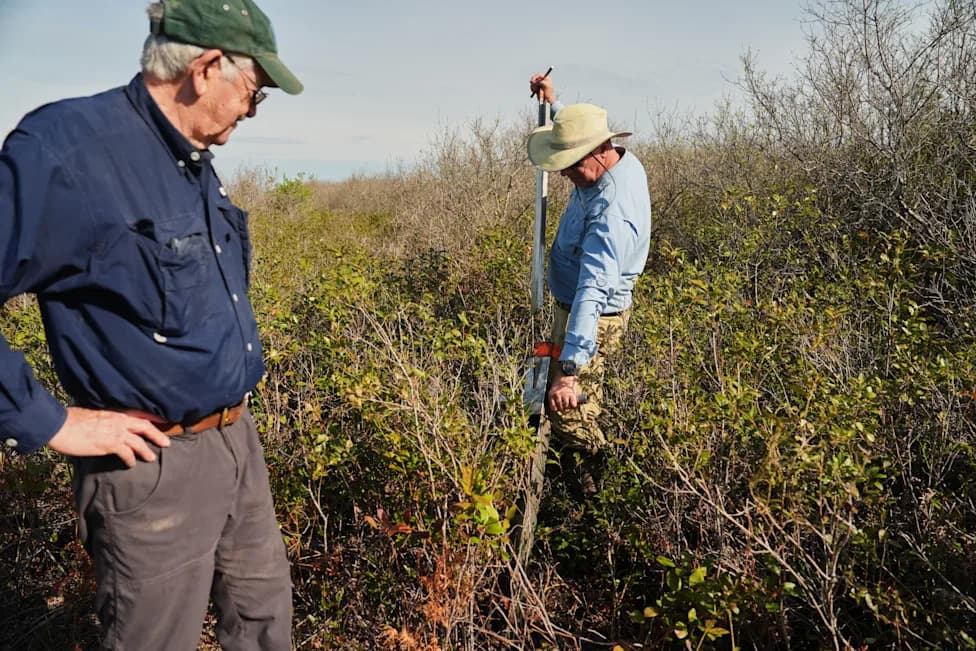
The study attributes peat expansion largely to the proliferation of sphagnum moss and other wetland plants. Sphagnum excels at retaining water even after it dies, creating persistently waterlogged conditions that favor peat accumulation and slow microbial decay. Because peat builds up belowground, it is often invisible to satellites; the researchers mapped changes by conducting transect-based field sampling and dating layers using carbon and lead measurements.
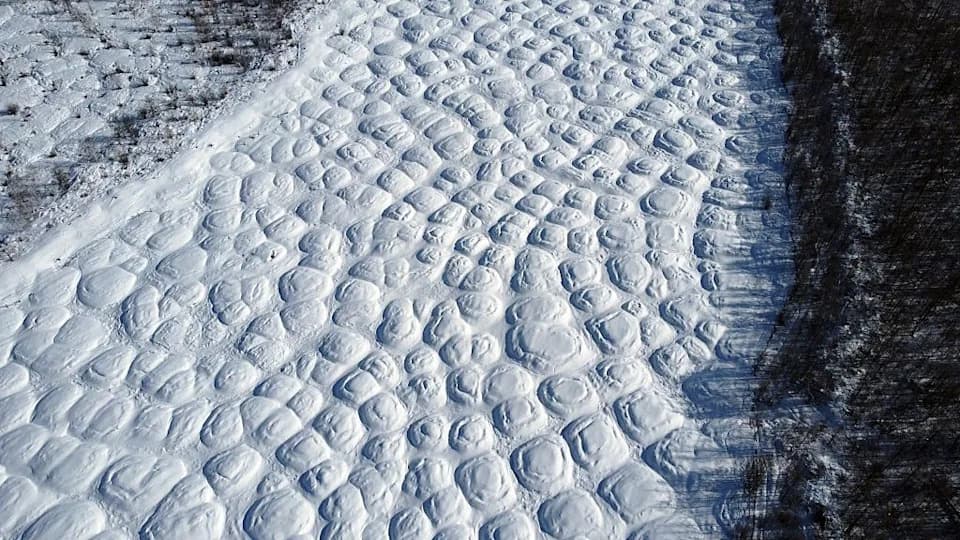
Handley and colleagues found evidence that peatlands in some Arctic zones have expanded in recent decades and may cover more area than at any time in the last three centuries. They describe a process in which small peat ‘‘nuclei’’ appear, expand under favorable hydrological and climatic conditions, and eventually coalesce into larger peatland complexes. A longer growing season in a warming Arctic gives mosses more time to produce biomass and form peat layers.
Feedbacks and Risks
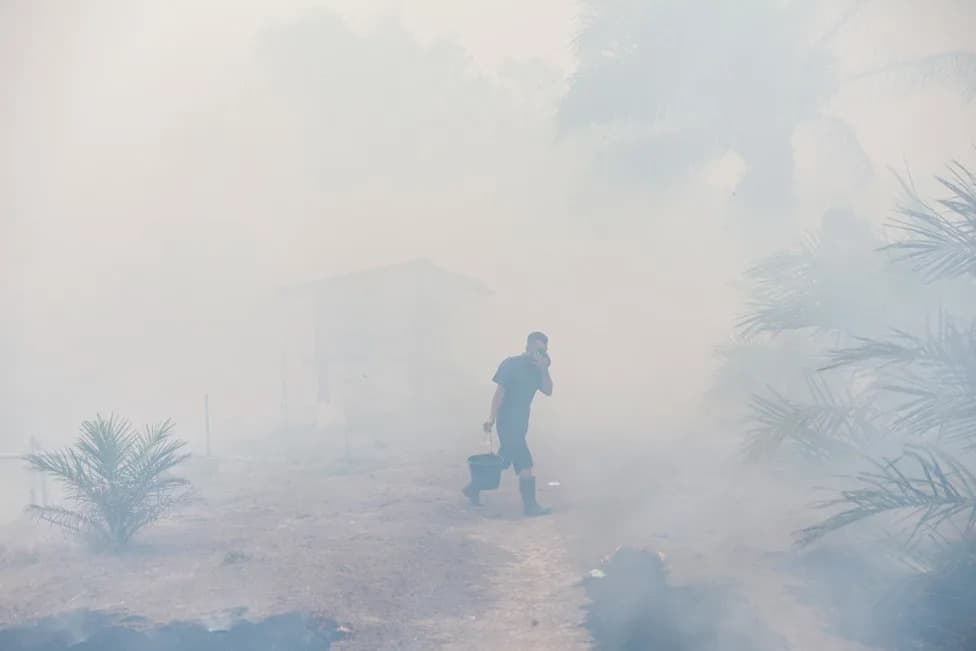
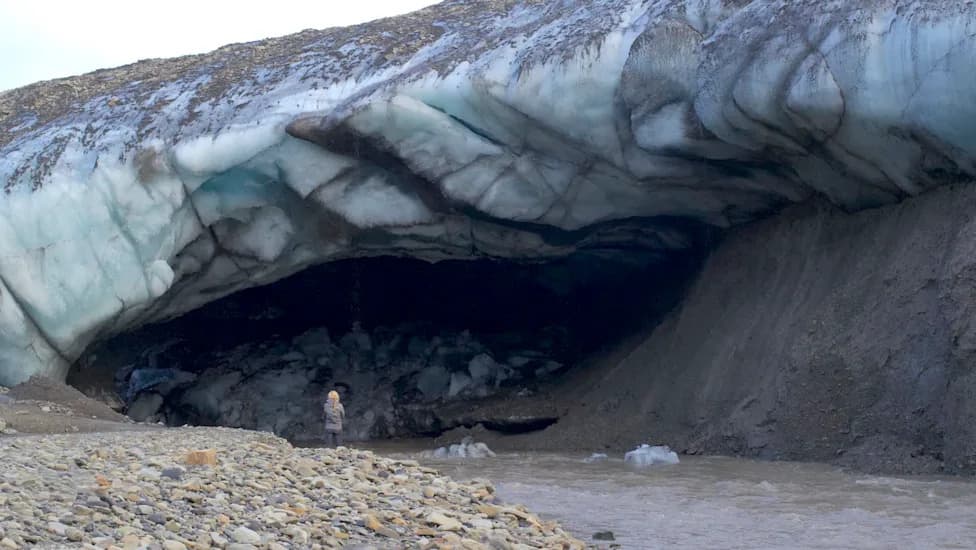
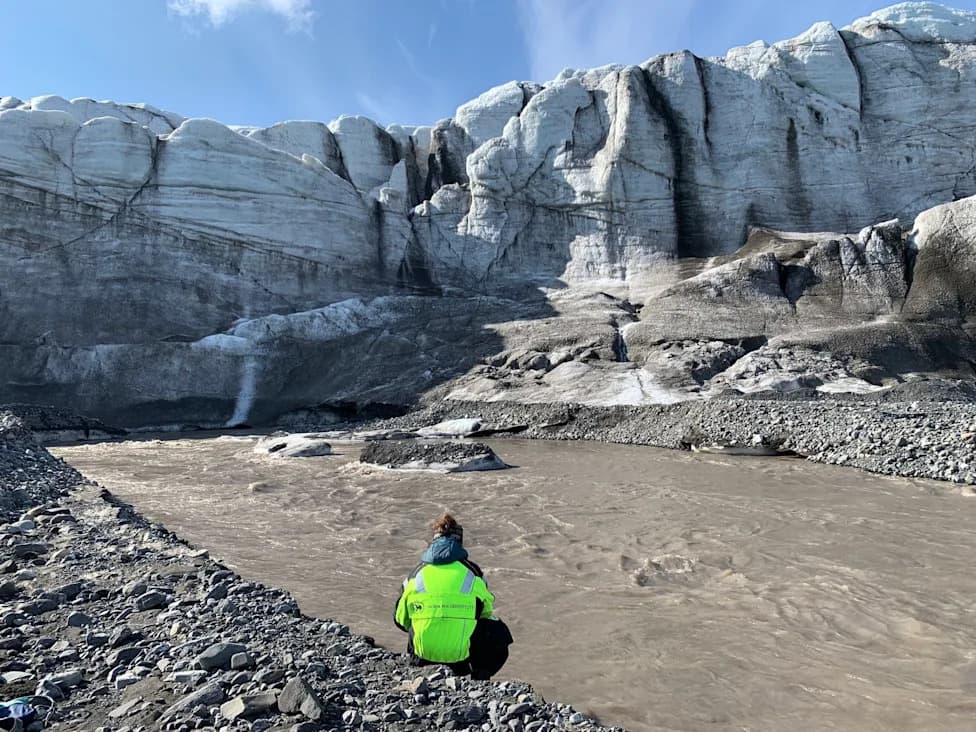
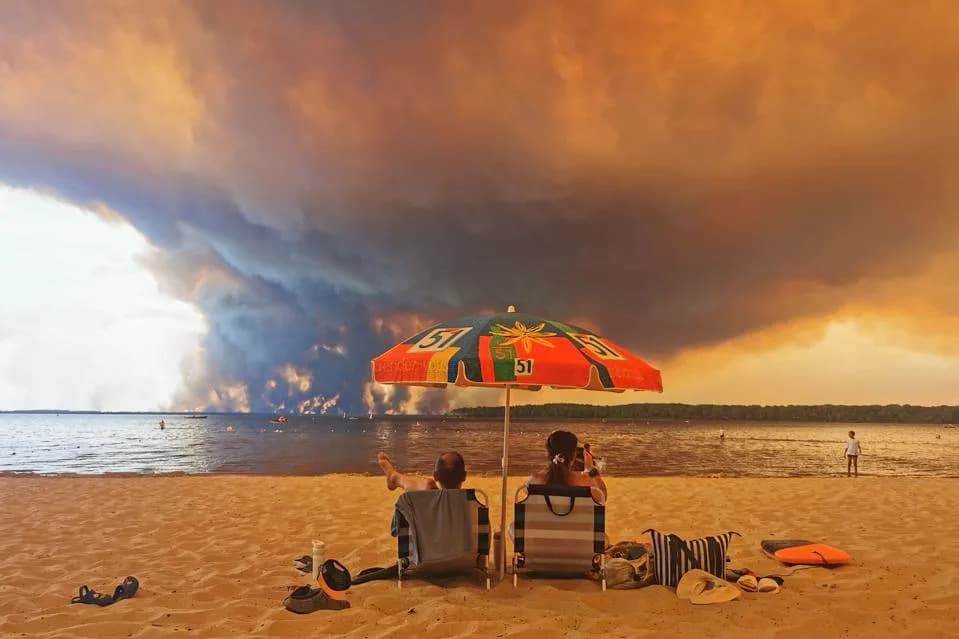
Several trends pull in opposing directions. Thawing permafrost and receding glaciers expose new ground that peat-forming vegetation can colonize, potentially locking additional carbon into soils. But warmer, drier extremes and more frequent heatwaves are also increasing the risk of wildfires in Arctic and boreal regions. When peat dries, it becomes highly flammable; peat fires can smolder underground for weeks or months, release large quantities of carbon, and even persist under snow through winter — the so-called "zombie fires."
That tension — expanding peat growth versus episodic or sustained carbon release — constitutes a dangerous feedback loop: if warming leads to peat accumulation that later burns or oxidizes, the released carbon will amplify global warming and further destabilize Arctic ecosystems.
What Scientists Recommend
The study underscores the importance of continued field monitoring across the Arctic to determine whether newly forming peatlands will function as long-term carbon sinks or become additional carbon sources as climate extremes intensify. Improved mapping, long-term measurements of greenhouse-gas fluxes, and models that integrate hydrology, vegetation dynamics and fire regimes will be essential to predict future carbon trajectories in northern landscapes.
In short: expanding Arctic peatlands may temporarily lock away significant carbon, but the balance between sequestration and release depends on future climate extremes, local hydrology, and fire activity — making sustained research and monitoring urgent.
Help us improve.