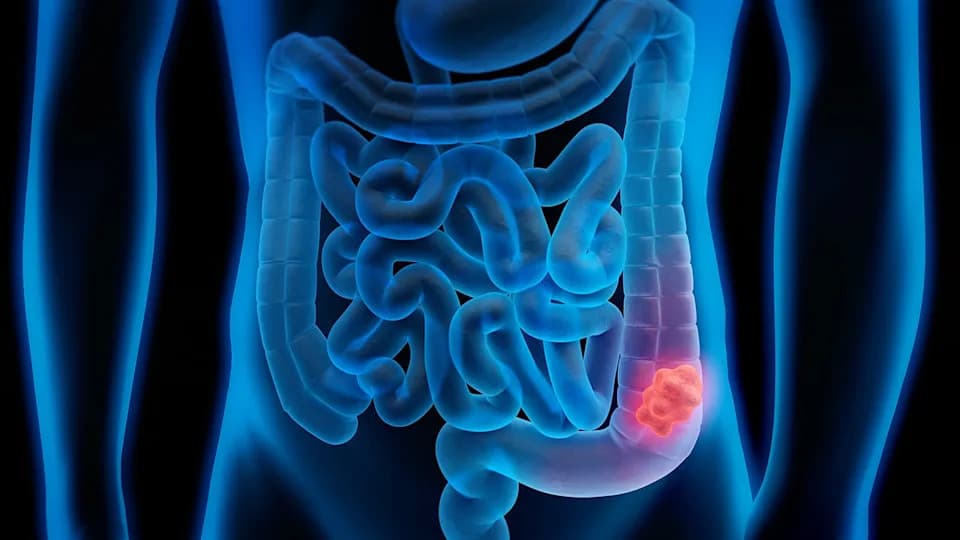
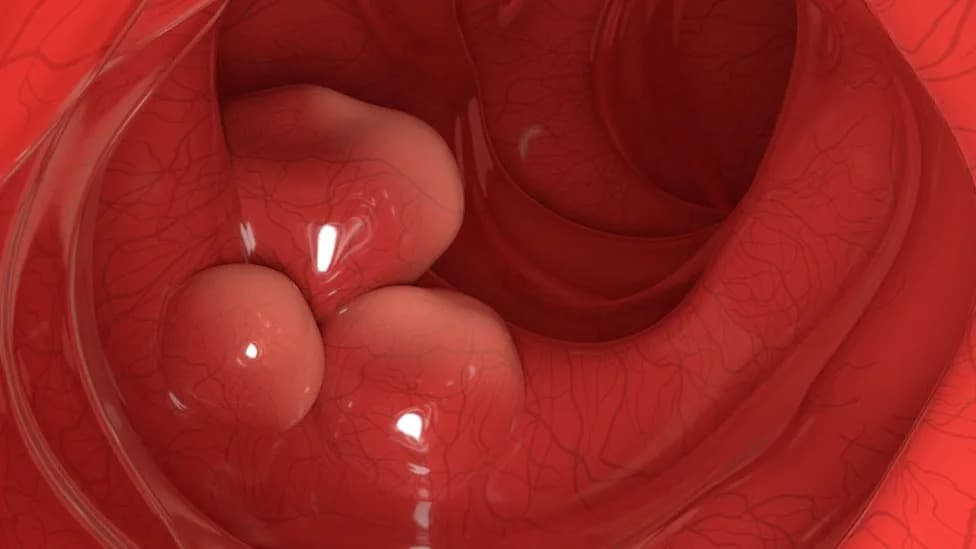
Researchers in Denmark have discovered a previously undocumented virus living inside a common gut bacterium that appears roughly twice as common in people with colorectal cancer, according to a study published in Communications Medicine.
Scientists say the findings add to growing evidence that the gut microbiome may play a role in cancer development.
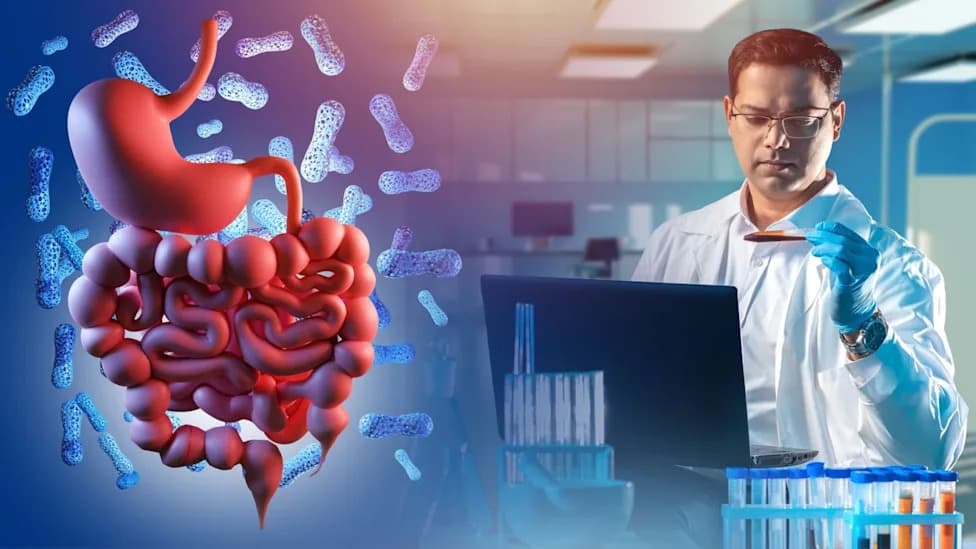
The team analyzed subtle genetic differences in Bacteroides fragilis — a bacterium normally present in the human intestine — after earlier work showed the microbe is more frequently detected in patients with colorectal cancer. While most healthy people also carry B. fragilis, investigators sought genetic clues that might explain when the bacterium is associated with disease.
Researchers are continuing studies to explore whether the virus influences cancer growth.
To their surprise, researchers found a bacteriophage (a virus that infects bacteria, not human cells) integrated within B. fragilis samples from many colorectal cancer patients. The viral type has not been documented previously.
Actor James Van Der Beek died at age 48 after battling stage 3 colorectal cancer.
Study Design And Findings
The study examined stool samples from 877 individuals across Europe, the United States and Asia. Colorectal cancer patients were approximately twice as likely to carry traces of the newly identified bacteriophage compared with people without cancer. The result represents a strong statistical association but does not establish that the virus causes cancer.
'The major limitation is that we still don’t know why the virus is linked to colorectal cancer,' said co-author Ulrik Stenz Justesen. 'But we are already continuing our research.' — Dr. Flemming Damgaard added that understanding microbial genetic material is vital to seeing the full picture of gut health.
What Comes Next
The authors are conducting laboratory experiments and animal studies to test whether the bacteriophage alters B. fragilis behavior in ways that could promote cancer development. If a causal role is established, the finding could eventually inform stool-based screening for viral markers or other prevention strategies.
Experts caution against premature conclusions. The comparison to human papillomavirus (HPV) and cervical cancer highlights how identifying a viral cause can transform prevention, but researchers emphasize that it is too early to draw a direct parallel for colorectal cancer.
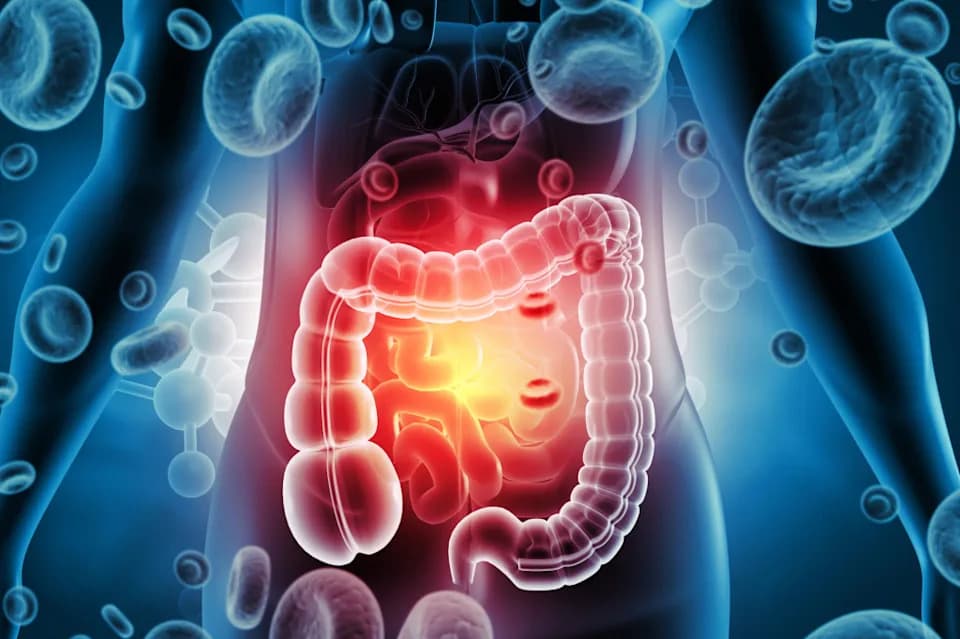
Colorectal cancer remains one of the leading causes of cancer-related death globally. While diet and lifestyle are major risk factors, this study adds to growing evidence that the gut microbiome — and even viruses within bacteria — may influence cancer risk. Patients should continue recommended screening such as fecal tests and colonoscopy and consult their clinicians about concerns.