A Nature study shows some gut bacterial lineages have undergone genome-wide selective sweeps in at least 66 taxa across 25 families, indicating rapid lineage expansions. By dating divergences, researchers found evidence that certain successful lineages can spread across continents within decades. The work suggests transmission between people is a meaningful force shaping microbiomes and that strain-level analysis may be more informative than species-level summaries for linking microbes to disease.
Some Gut Bacteria Can Spread Across Continents Within Decades, New Genomic Study Finds

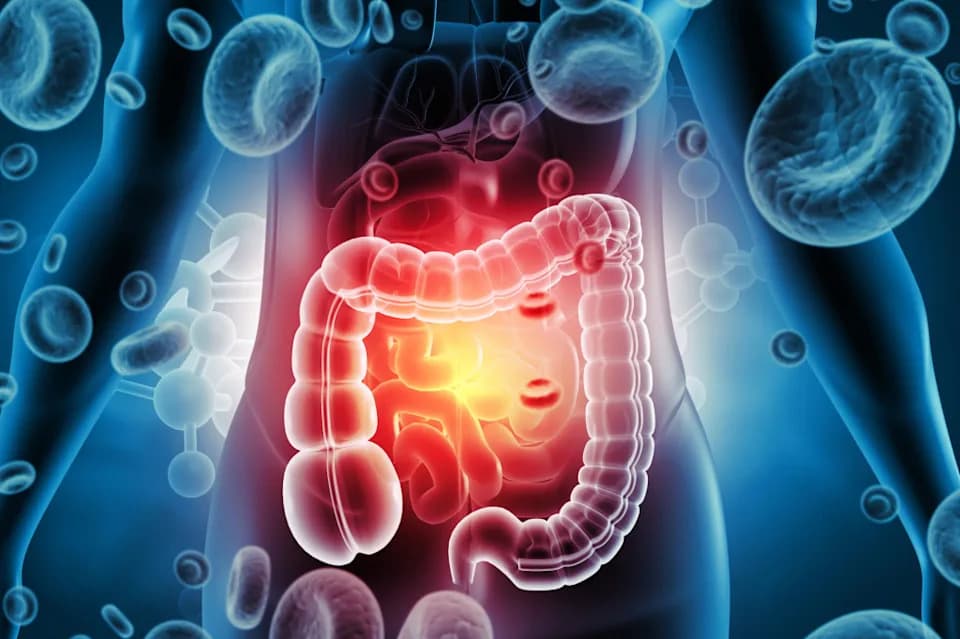
Bacteria in gut.
Your gut microbiome often feels like a private, individual ecosystem shaped by diet, medications and environment. A new genomic analysis published in Nature broadens that view: some successful bacterial lineages can expand through human populations and travel between continents on surprisingly short evolutionary timescales.
What the study did
Using large genomic and metagenomic datasets, researchers looked inside bacterial species rather than treating every member of a species as identical. That finer-scale approach revealed genome-wide selective sweeps—events in which a particularly successful lineage gains an advantage, expands and leaves a clear genetic signature—in at least 66 bacterial taxa across 25 families.
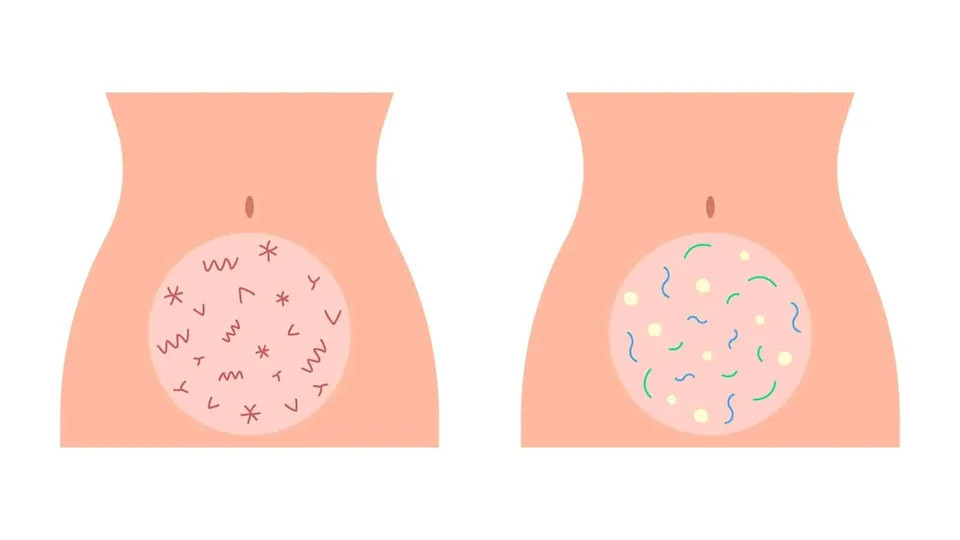
good and bad gut bacteria. fagreia via 123rf
Key findings
- Some lineages that share a species name are genetically distinct populations with different evolutionary histories and potentially different effects on human health.
- By estimating divergence times, the team found evidence that certain lineages could spread across continents within decades, and similar expansions appear to have recurred throughout human history.
- Several of the identified bacterial populations were associated with host factors and conditions, including age, inflammatory bowel disease (IBD), colorectal cancer and type 2 diabetes.
What this does — and doesn’t — mean
The genomic patterns do not identify who transmitted a strain to whom, nor do they prove these bacterial populations cause disease. A disease environment can favor particular microbes, and many factors—host biology, other microbes, diet and medications—shape health outcomes.
Practical takeaway: Transmission between people is one of several forces shaping the microbiome. For researchers and clinicians, focusing on strains or distinct populations rather than coarse species-level labels could improve diagnostic accuracy and avoid labeling entire species as simply “good” or “bad.”
Broader perspective
This work reframes the microbiome as both personal and social: an assemblage influenced by individual habits and by microbial populations that can expand and move widely on relatively short evolutionary timescales. Understanding these dynamics could sharpen future microbiome-based medicine by asking not only which species are present but exactly which lineage is there and where it came from.
Reader question: Does knowing some gut microbes circulate widely between people change how you think about your own microbiome?
Help us improve.