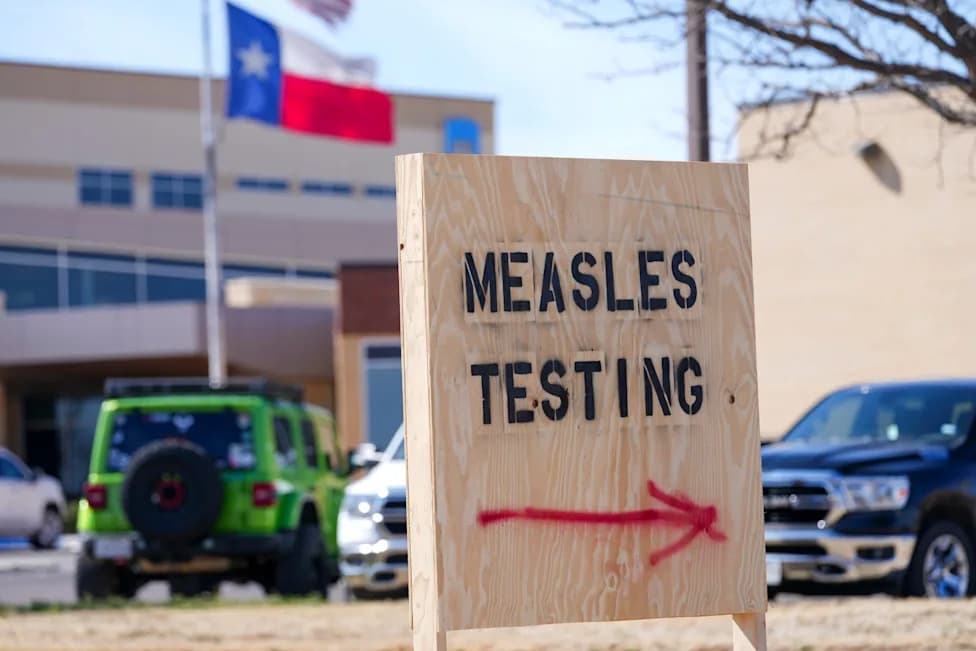
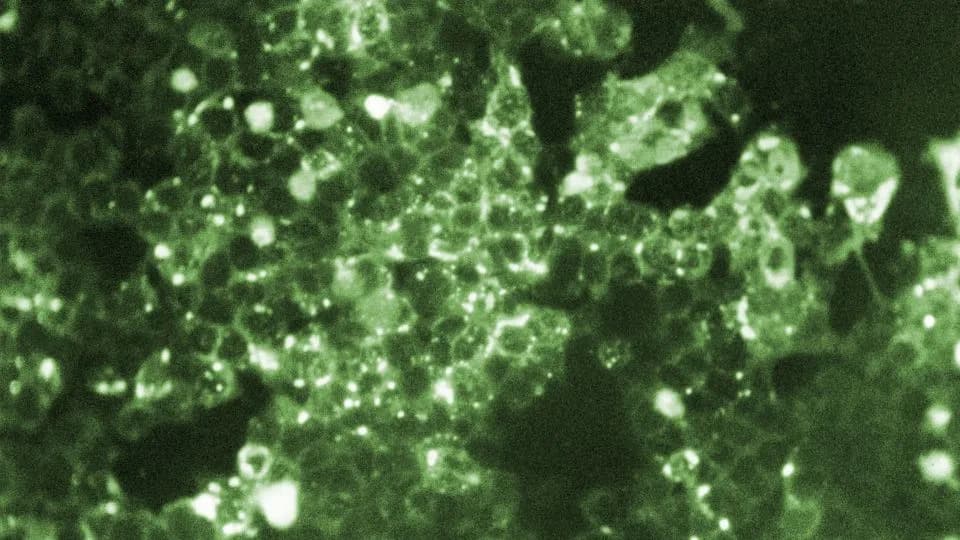
South Carolina’s measles outbreak has exposed a data blind spot: the state does not require hospitals to report measles-related admissions. With 973 confirmed cases but only 20 hospitalizations reported (about 2%), officials and clinicians warn the true burden is likely far higher than the CDC’s typical ~20% hospitalization estimate. The lack of mandatory reporting hampers resource planning, weakens clinicians’ ability to communicate risk, and may leave the public with a misleading impression of the disease’s severity.
Measles in South Carolina: Lack of Mandatory Hospital Reporting Leaves Clinicians in the Dark
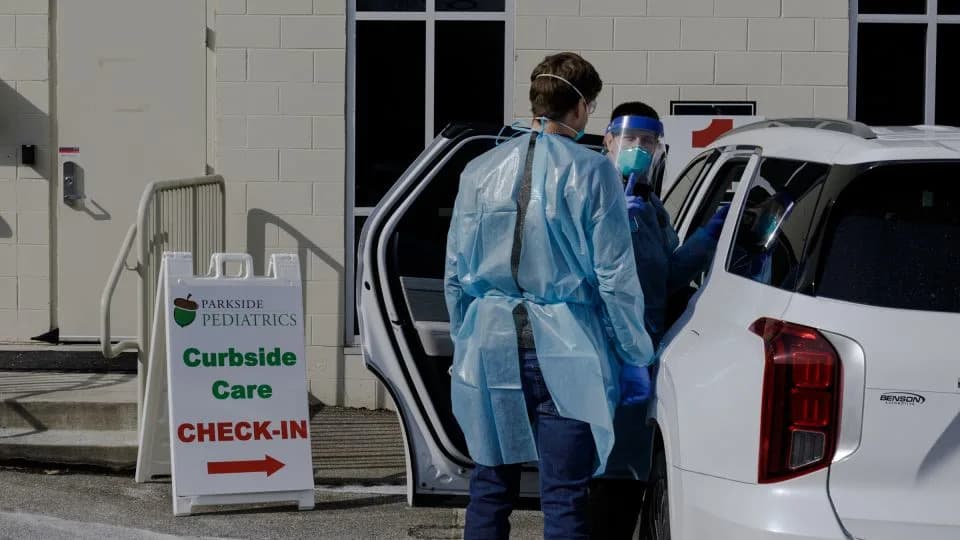
Parkside Pediatrics providers, Nathan Heffington (left) and Chandler Hash, assessing a patient with measles symptoms. Spartanburg, South Carolina, on January 30. - The Washington Post/Getty Images
In mid-January, a Spartanburg County father told a school board how his fully vaccinated wife fell seriously ill after exposure to a classroom measles case and was rushed to the hospital. Many local clinicians, however, learned of the hospitalization through social media — not from official state data.
South Carolina has confirmed 973 measles cases since Oct. 2, 2025 — the largest U.S. outbreak since measles was declared eliminated 25 years ago — but hospitals in the state have reported only 20 measles-related admissions, roughly 2% of cases. By contrast, the Centers for Disease Control and Prevention (CDC) estimates that about 20% of measles infections typically require hospital care. Infectious disease experts call South Carolina’s reported hospitalization rate implausibly low and a likely undercount.
Why Hospital Data Is Missing
The state Department of Public Health (DPH) does not require hospitals to report measles-related admissions. Linda Bell, South Carolina’s state epidemiologist, said the department is urging hospitals to report voluntarily; seven have done so. But the agency cannot compel reporting, and officials say their surveillance priorities focus on tracking transmission, frequency and distribution rather than cataloguing complications.
Dr. Leigh Bragg, a pediatric infectious disease specialist who learned of local hospitalizations via Facebook, said the gap leaves clinicians without reliable, real-time counts of severe cases. "It's a very big disservice to the public not reporting complications we are seeing in hospitals or even ERs," she said. "Measles isn't just a cold."
What The Missing Data Costs
Real-time hospitalization data matter for multiple reasons: they help public-health officials target resources, enable hospitals to prepare for patient surges, and equip clinicians with concrete evidence to explain risks to hesitant parents. Without consistent reporting, doctors must rely on rumors, fragmented case investigations or incomplete state updates.
Experts warn that underreporting can distort public perception of disease severity. Dr. Paul Offit of the Vaccine Education Center called the 2% hospitalization figure "vast underreporting," adding, "Measles makes you sick." Dr. William Schaffner of Vanderbilt noted that many clinicians and parents today have never seen measles firsthand; without clear data on complications, the public may assume it is milder than it is.
How Other States Compare
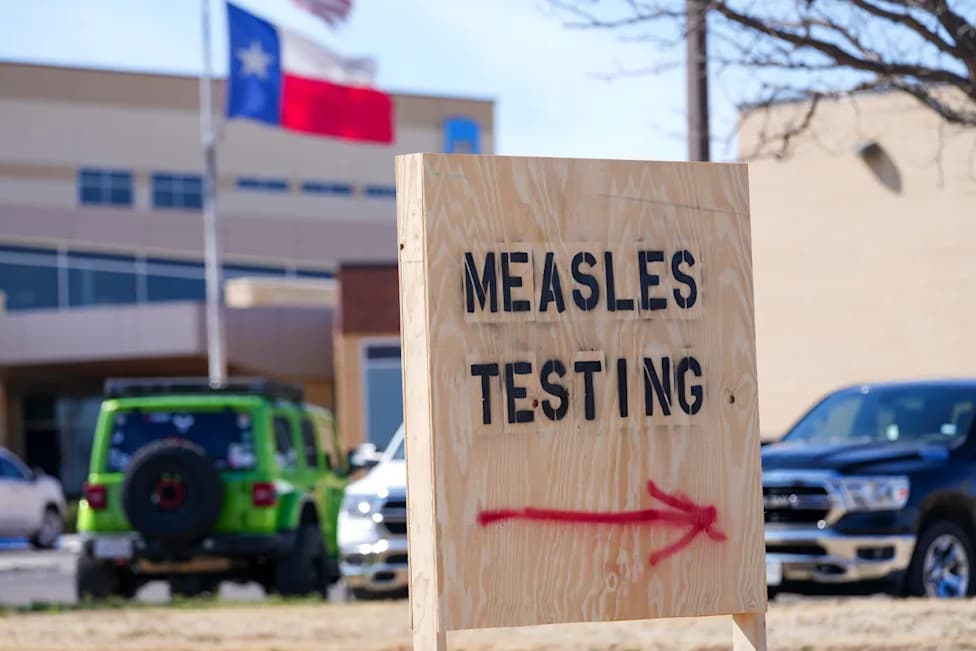
A review of Southern states found most do not mandate measles hospitalization reporting. Alabama requires it; Virginia does too but does not publish the numbers. North Carolina and Texas can identify hospitalizations during case investigations. During a Texas outbreak last year, 99 of 762 cases (about 13%) led to hospitalization — far higher than South Carolina’s reported 2%.
Local Response and Political Pressure
When ProPublica contacted hospitals across the Upstate (the outbreak’s epicenter), few disclosed hospitalization data. Spartanburg Regional Healthcare System reported four measles admissions as of mid-February. Prisma Health said it was "reporting everything we are supposed to report" but declined to disclose counts.
Health systems operate in a charged political environment. Consolidation has concentrated local control, and some hospitals face pressure from Republican lawmakers and vocal, vaccine-wary patients. A pending state bill would bar hospitals and doctors from questioning or interfering with a patient's right to refuse treatments or vaccines — language supporters say protects individual choice and critics say could chill public-health messaging.
Clinical Risks Remain Real
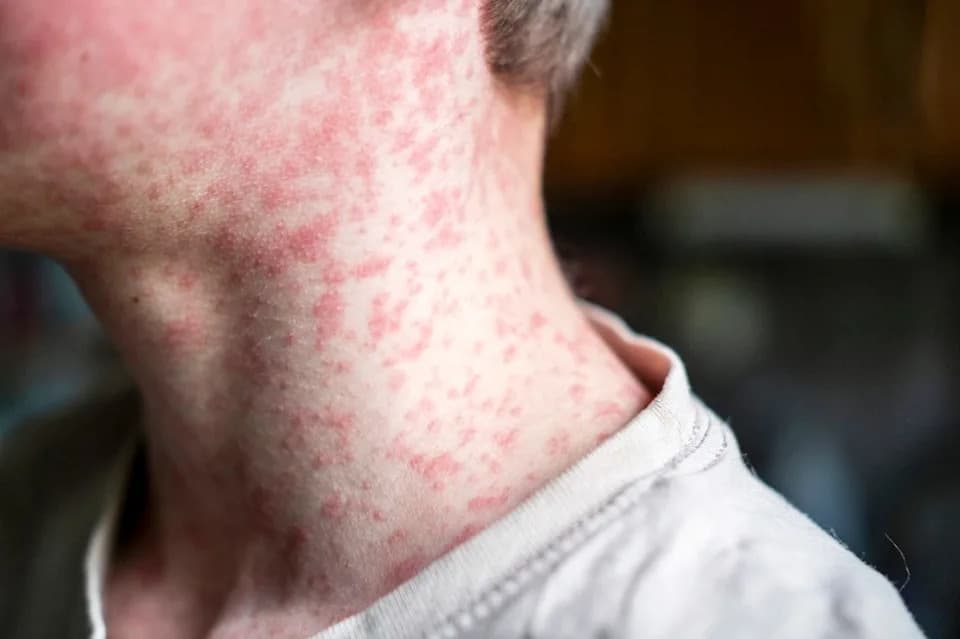
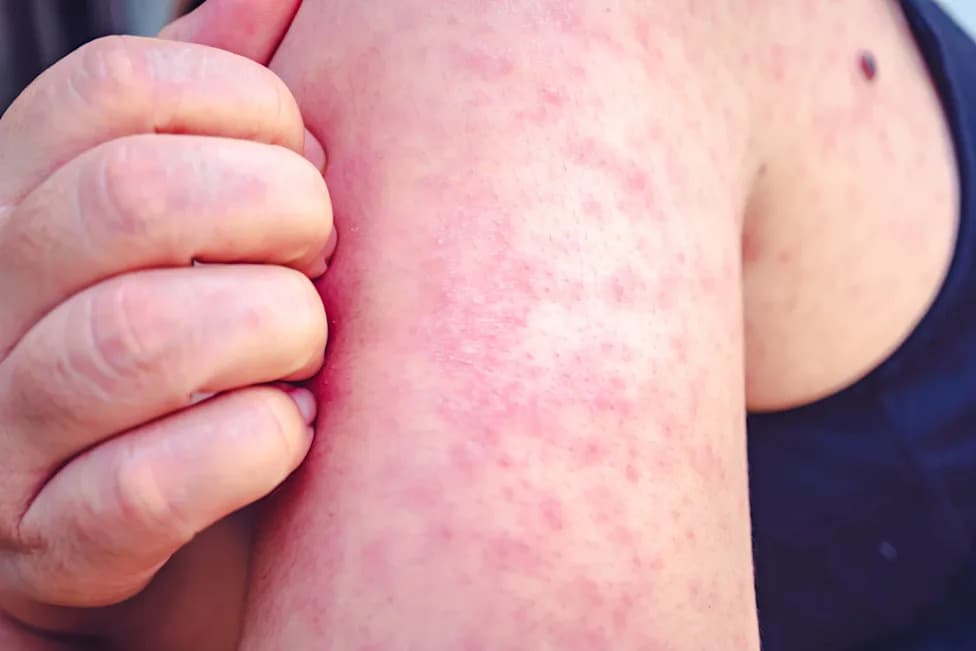
Measles can cause severe complications including pneumonia, dehydration and encephalitis (life-threatening brain swelling). Infants too young to be vaccinated, children who have not completed two doses, and unvaccinated pregnant people face the highest risks. Clinicians report seeing the full spectrum of acute and post-measles illnesses: high fevers, blotchy rashes, severe coughing, dehydration and secondary infections.
Nationally, more than 900 confirmed measles cases have been reported in 2026 so far, compared with 2,281 in all of 2025. Most 2026 cases are concentrated in South Carolina; Florida has reported 63 cases and North Carolina 15, including one hospitalization.
Calls For Transparency
Public-health leaders and clinicians say standardized hospital-reporting requirements for measles would improve situational awareness and planning. Dr. Danielle Scheurer of the Medical University of South Carolina said greater transparency would help other states prepare. Epidemiologists also say harmonized reporting across states would make it easier to compare outbreaks and resource needs across regions.
Until reporting is required, doctors and public-health officials say communities and clinicians will continue to face blind spots about how sick measles patients truly are — a risky gap in the middle of the nation’s largest outbreak in decades.
Help us improve.