California and Connecticut are coordinating a multi-state legal challenge to the EPA's repeal of the "endangerment finding" that underpinned federal vehicle emissions rules. State attorneys general William Tong and Rob Bonta say they are assembling claims and standing arguments and plan to move promptly. Legal experts warn the repeal could reopen "public nuisance" litigation that had been limited after a 2011 Supreme Court ruling.
California and Connecticut Prepare Multi-State Legal Challenge to EPA After Repeal of Vehicle Emissions Finding
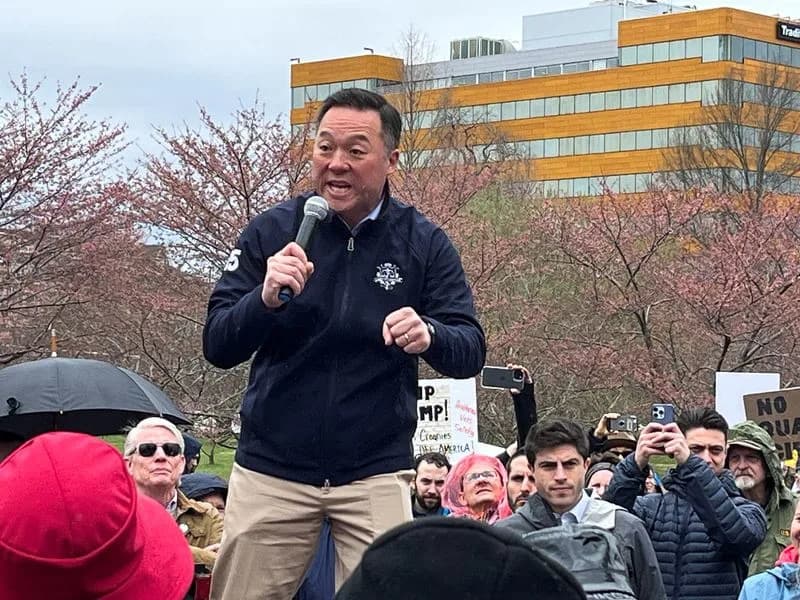
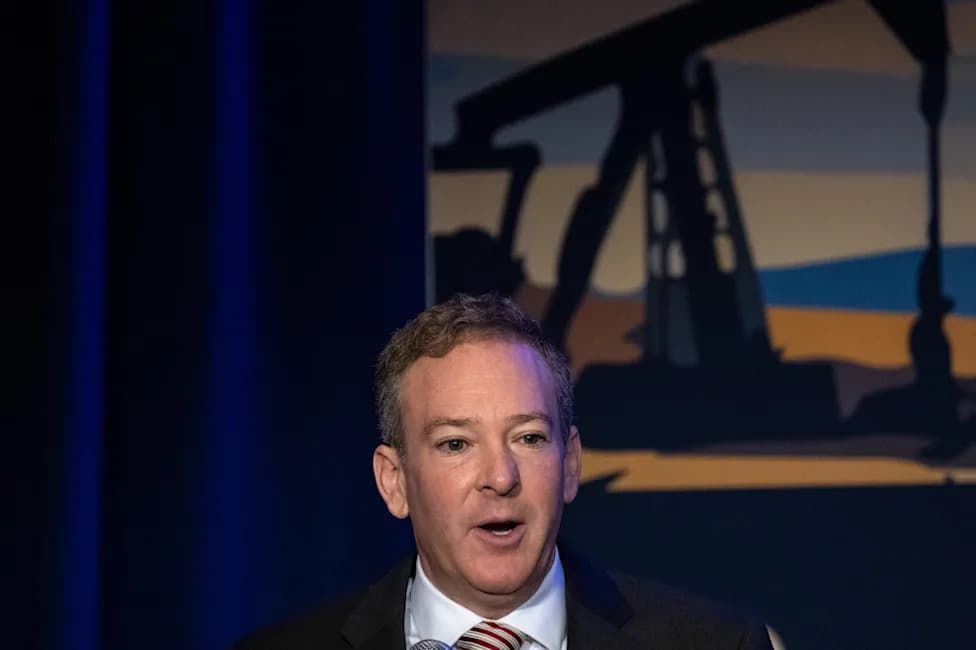
Connecticut Attorney General William Tong speaks at a "Hands Off" protest against U.S. President Donald Trump and his adviser Elon Musk in Stamford, Connecticut, U.S., April 5, 2025. REUTERS/Nathan Layne
San Francisco, Feb 17 (Reuters) — California and Connecticut are coordinating a multi-state legal response to the Environmental Protection Agency's recent repeal of the long-standing "endangerment finding" that served as the legal basis for federal vehicle emissions and other climate regulations, the attorneys general of both states told Reuters on Tuesday.
What the EPA Changed
Last week the EPA withdrew the "endangerment finding" that concluded greenhouse gas emissions from vehicles endanger public health — a move the Trump administration called the country's "biggest deregulatory action." The endangerment finding has underpinned federal regulation of automakers, power plants and oil and gas operations for years.
State Response
Connecticut Attorney General William Tong said the states are assembling a coordinated legal strategy focused on standing, specific legal claims and other procedural elements needed to bring suit.
"We're going to take action," Tong said. "We're putting together our best possible plan of attack."
California Attorney General Rob Bonta said the states were "looking at the facts and law to challenge the original action," and indicated they intend to move without unnecessary delay while ensuring the case is legally sound.
"We're not going to bring a lawsuit in six months. The temporal nexus to the action is important. But getting it right and making sure everything's tight is important too," Bonta said.
Legal Stakes
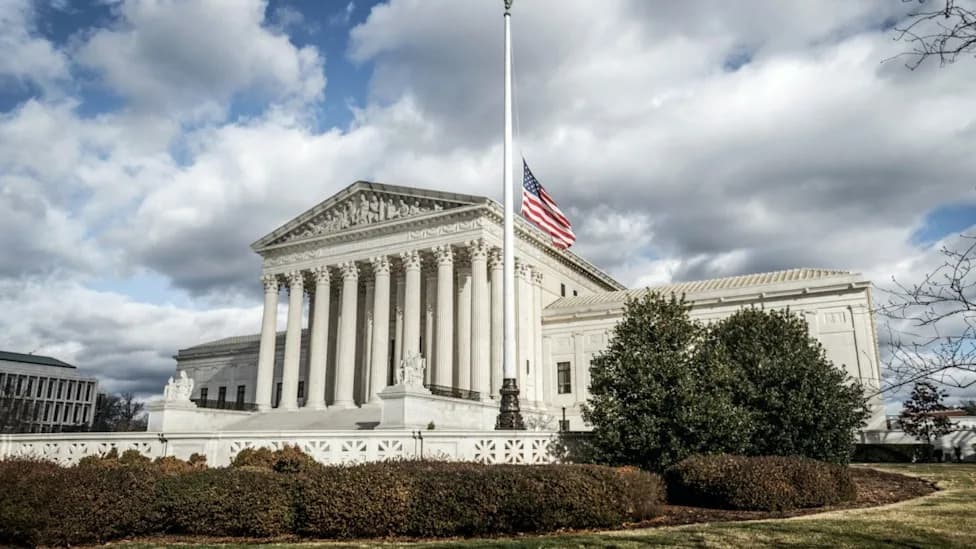
Legal experts warn the EPA's repeal could reopen avenues for litigation, including "public nuisance" suits that had been largely curtailed after a 2011 U.S. Supreme Court decision directing greenhouse gas regulation to the EPA rather than the courts. If states succeed, it could preserve federal regulatory authority; if courts defer, private or state-level litigation strategies could proliferate.
Why It Matters
Transport and power together account for roughly half of U.S. greenhouse gas emissions, so changes to the legal basis for regulation could affect a broad swath of industries and emissions-cutting policies across the country.
(Reporting by Abhirup Roy and Peter Henderson in San Francisco; Editing by Stephen Coates)
Help us improve.