Canada announced a comprehensive defence industrial strategy aimed at strengthening domestic military capability and reducing reliance on the United States. The plan commits roughly CAN$470 billion (about US$366 billion), including CAN$180 billion for procurement and CAN$290 billion for infrastructure, and seeks to create an estimated 125,000 well-paid jobs. The government emphasized Arctic sovereignty, deeper ties with European partners, and growing defence-export ambitions in Asia.
Canada Unveils Major Defence Industrial Strategy to Reduce Reliance on the U.S.

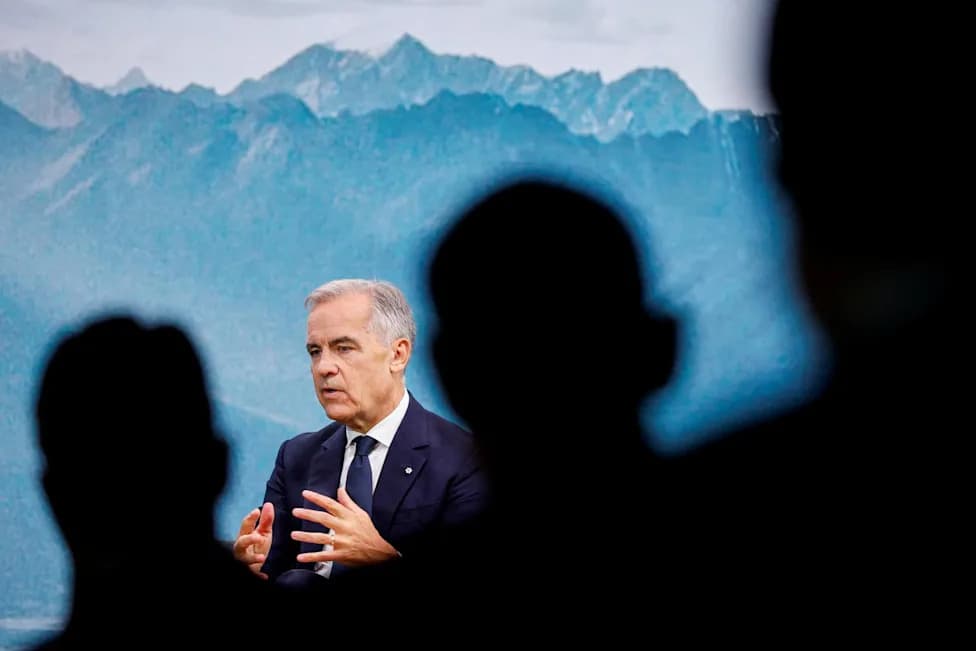
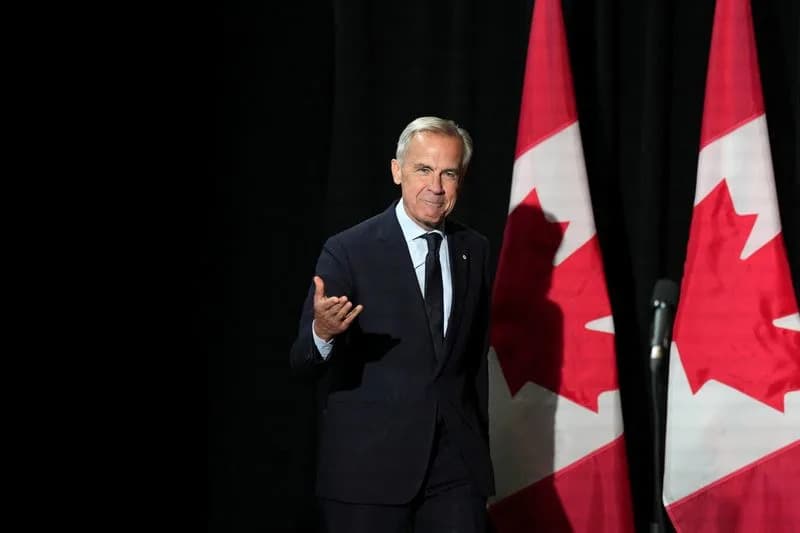
Canadian Prime Minister Mark Carney launching Canada's defence industrial strategy in Montreal (ANDREJ IVANOV)(ANDREJ IVANOV/AFP/AFP)
Prime Minister announced a sweeping defence industrial strategy designed to strengthen Canada’s military capabilities and reduce the country’s reliance on the United States for security. The government framed the plan as a long-term investment in sovereignty, economic prosperity and national resilience amid shifting global dynamics.
Key Elements of the Plan
The package includes roughly CAN$470 billion in total commitments — about US$366 billion — which the government says will be invested in defence procurement, security infrastructure and related programs. Of that sum, CAN$180 billion is earmarked for defence procurement and CAN$290 billion for defence- and security-related infrastructure. Officials say the plan is expected to create approximately 125,000 well-paid jobs across Canada.
Capabilities and Partnerships
The strategy calls for enhanced capabilities on land, at sea and in the air, and emphasizes building a domestic defence industrial base so Canada "is never hostage to the decisions of others when it comes to our security." The government also stressed that stronger domestic capacity will make Canada a more reliable and independent partner in international security cooperation.
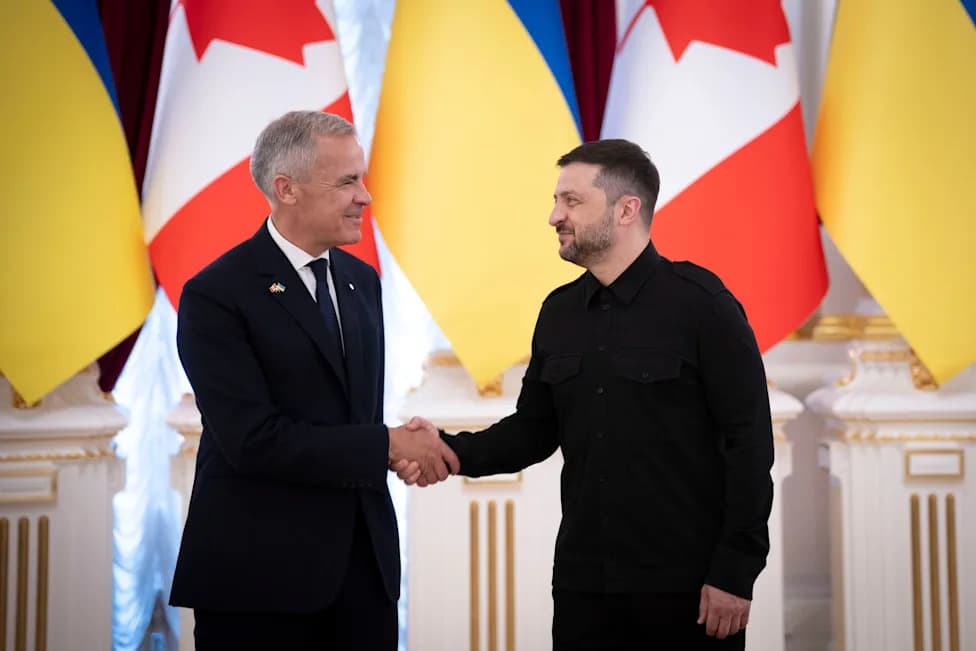
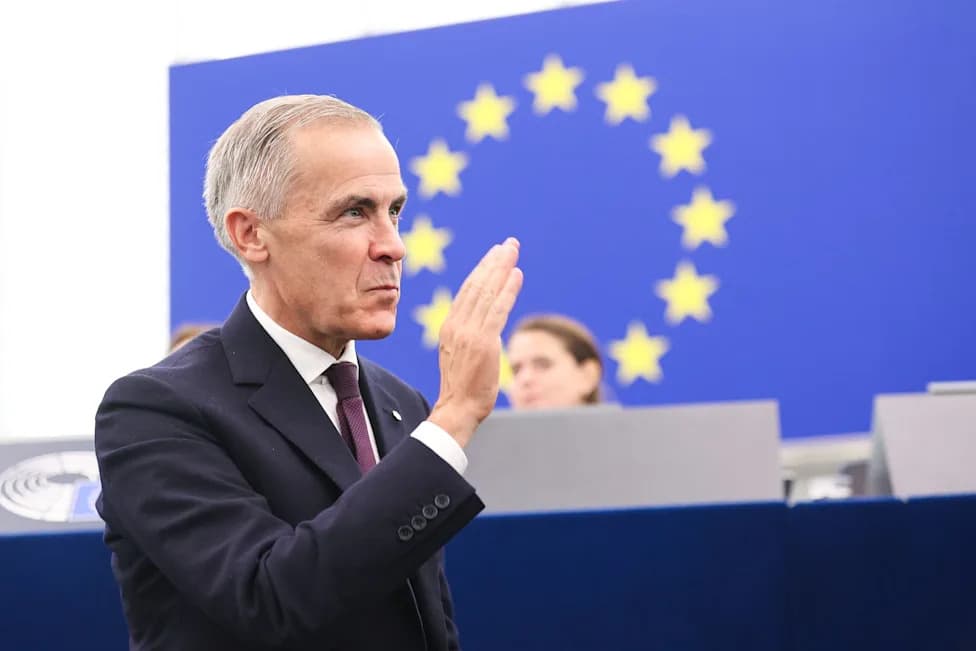
The announcement highlighted deeper ties with European partners: Ottawa formally joined the European Union’s Security Action for Europe (SAFE) programme, becoming the only non-European participant in that defence financing initiative. The government also signalled interest in expanding defence export opportunities in the Asia-Pacific region, notably with potential partners such as South Korea.
Values, Rhetoric and Arctic Sovereignty
In his remarks, the prime minister contrasted Canada’s civic nationalism with other forms of nationalism that have been invoked in international rhetoric. He responded to recent comments by U.S. political figures about defending a particular cultural or religious conception of the West, reiterating that Canada’s mandate is to protect the rights of all citizens in a diverse society.
Carrying strategic and symbolic weight, the plan also emphasizes enforcing Canadian sovereignty in the Arctic. With climate-driven ice melt opening new shipping routes and access to critical minerals, the government said Canada must be prepared to protect its interests in the North.
Context and Next Steps
Officials described the strategy as a multi-decade effort that will roll out through specific procurement programs, infrastructure projects and partnerships with the private sector and allied governments. The government said it intends to balance domestic industrial development with international cooperation so Canada can both defend itself and contribute to collective security efforts.
"We've relied too heavily on our geography and others to protect us. This has created vulnerabilities that we can no longer afford and dependencies that we can no longer sustain," the prime minister said.
Further details on timelines, procurement priorities and budget allocations were expected to be released in follow-up documents and parliamentary briefings.
Help us improve.