Canada has formally applied to join the UK-led Joint Expeditionary Force (JEF) as it seeks to diversify defence relations beyond the United States. The JEF is a 10-member NATO rapid-response partnership focused on interoperability and collective readiness. Prime Minister Mark Carney met UK Prime Minister Andy Burnham in northern England and discussed defence-industrial collaboration through the Global Combat Air Programme, which Canada joined as an observer in July 2026.
Canada Applies To Join UK-Led Joint Expeditionary Force To Diversify Defence Ties
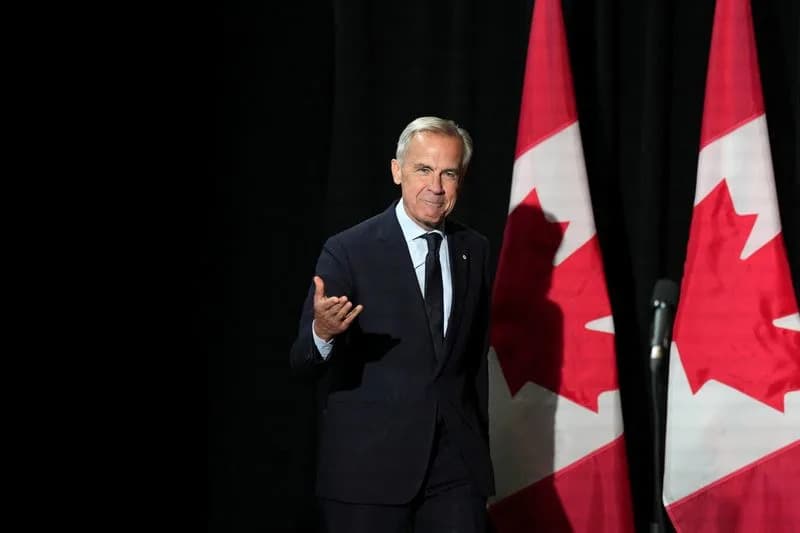
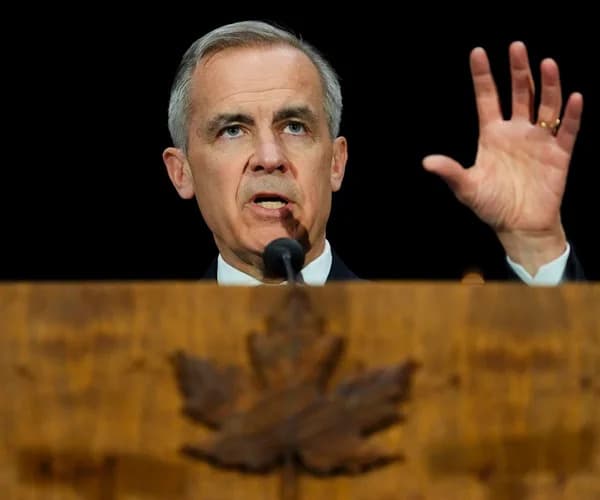
Canada's Prime Minister Mark Carney attends a news conference in Banff, Alberta, Canada, September 10, 2026. REUTERS/Todd Korol
OTTAWA, Sept 16 (Reuters) - Canada has formally applied to join the British-led Joint Expeditionary Force (JEF), Prime Minister Mark Carney's office said on Wednesday, as Ottawa seeks to broaden its defence partnerships beyond the United States.
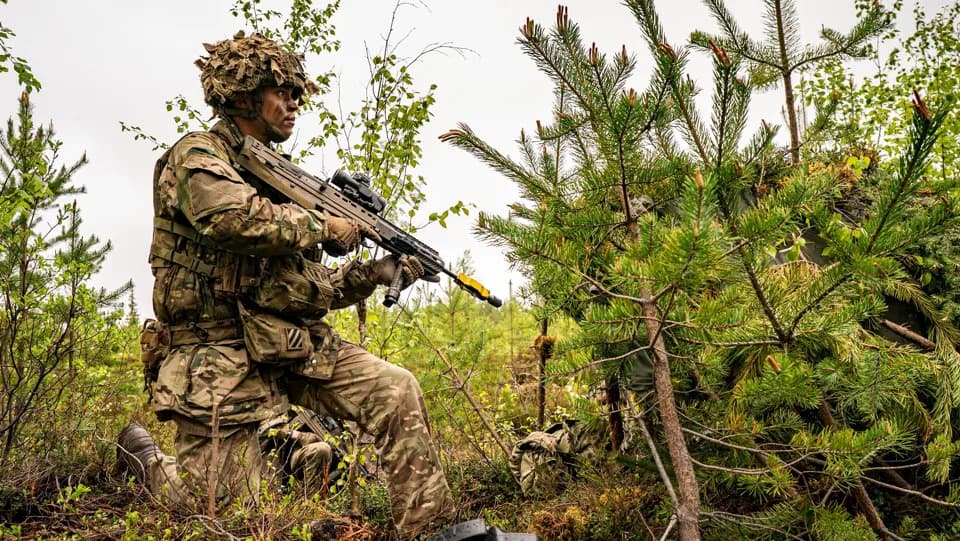
The JEF is a rapid-response military partnership made up of 10 North Atlantic NATO member states designed to improve interoperability and collective readiness.
"Prime Minister Carney announced that Canada has formally applied to join the Joint Expeditionary Force and welcomed the UK's support for Canada's participation in this important initiative," the Prime Minister's office said in a statement.
Already a NATO member, Canada is pursuing closer military cooperation with European partners to reduce over-reliance on a single ally and to deepen ties with NATO's northern and Baltic members.
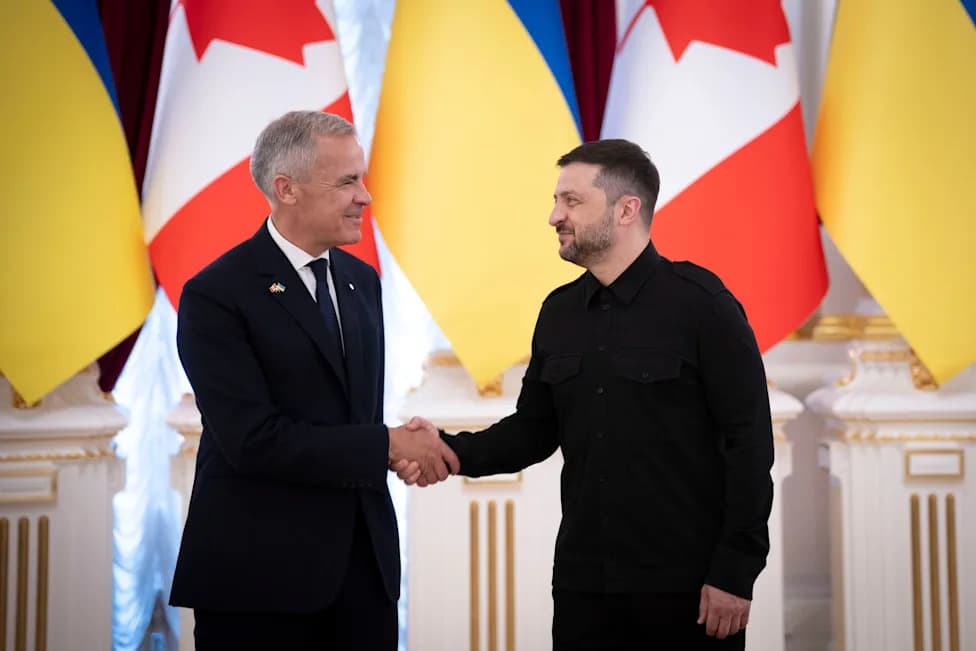
Carney met British Prime Minister Andy Burnham in northern England to discuss the application and broader defence-industrial cooperation. The two leaders highlighted collaboration opportunities under the Global Combat Air Programme, an advanced fighter-jet project that Canada joined as an observer in July 2026, according to the Prime Minister's office.
JEF Members: Denmark, Estonia, Finland, Iceland, Latvia, Lithuania, the Netherlands, Norway, Sweden and the United Kingdom.
(Reporting by David Ljunggren; Editing by Caitlin Webber and Costas Pitas)
Help us improve.