Mycologists and volunteer lichenologists in California highlight the overlooked but essential role of fungi in ecosystems and the global economy. Scientists have described only about 155,000 of an estimated 2.5 million fungal species, and many are threatened by climate change, habitat loss and overharvesting. Citizen science platforms such as iNaturalist are helping researchers map fungal diversity, while specialist societies provide key field observations and long-term monitoring. Increased documentation is the first step toward better conservation.
Fungi Matter — How Hobbyists and Scientists Are Uncovering a Hidden Kingdom
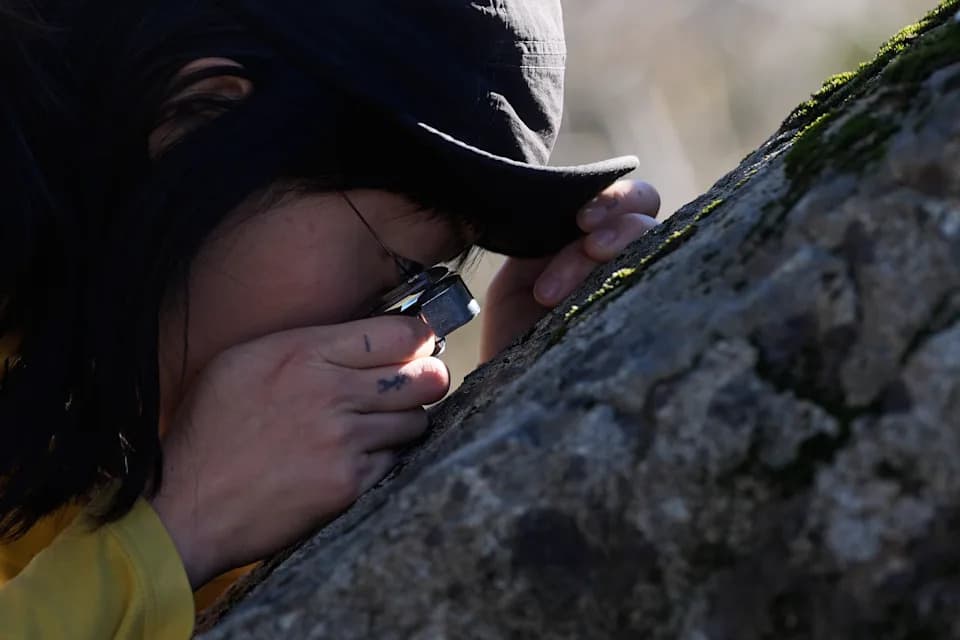
Gina Min, a member of the California Lichen Society, looks closely at lichen on a large rock during a CALS field trip at the University of California, Davis' McLaughlin Reserve in Lower Lake, Calif., Saturday, Jan. 24, 2026. (AP Photo/Jeff Chiu)(ASSOCIATED PRESS)
Jessica Allen crouched among fallen manzanita leaves in Napa County, Calif., hunting for a rare yellow mushroom known as the Manzanita butter clump. Within minutes she was sidetracked by something else: a rock covered in lichens — fungal partnerships with algae or cyanobacteria — bursting with color, texture and tiny forms that invite close inspection.
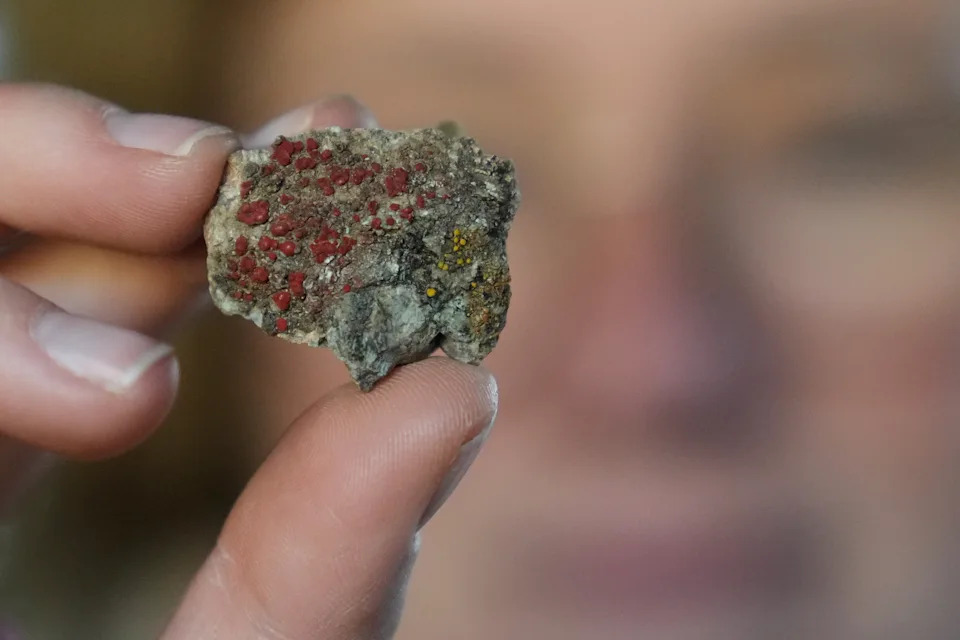
Jessica Allen, of the California Lichen Society, holds up a firedot lichen found during a CALS field trip at the University of California, Davis' McLaughlin Reserve in Lower Lake, Calif., Saturday, Jan. 24, 2026. (AP Photo/Jeff Chiu)(ASSOCIATED PRESS)
“It's so easy to get distracted, but there's so many lichen!”
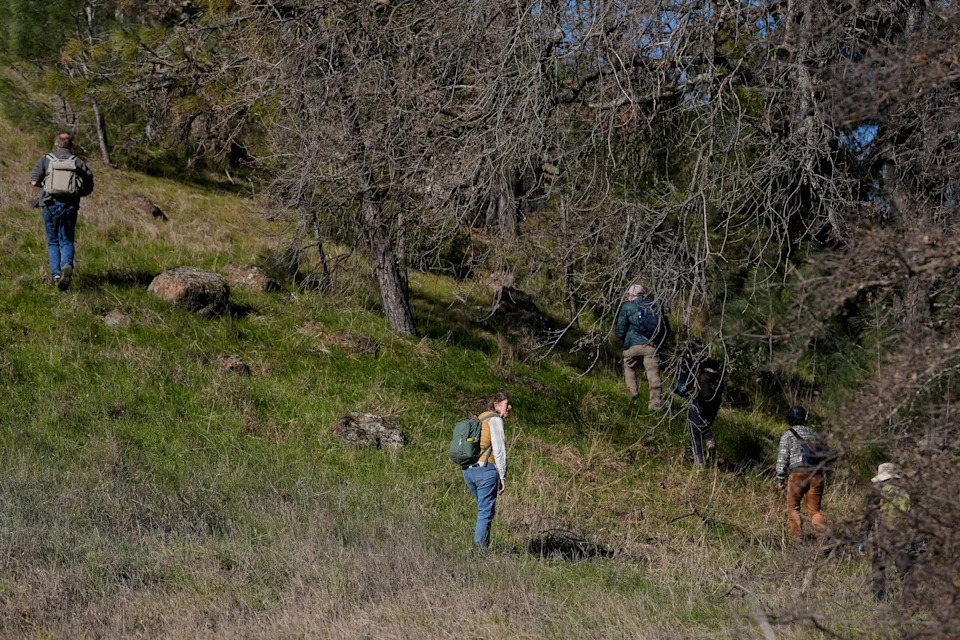
A group of California Lichen Society members and guests take part in a field trip at the University of California, Davis' McLaughlin Reserve in Lower Lake, Calif., Saturday, Jan. 24, 2026. (AP Photo/Jeff Chiu)(ASSOCIATED PRESS)
Allen, a mycologist with NatureServe, and other volunteers from the California Lichen Society embody a growing movement of scientists and citizen observers working to map and protect fungi. Though most of their work takes place close to the ground — peering at rocks, bark and leaf litter — its implications are global: fungi underpin ecosystems, provide food and medicine, and even contribute enormous economic value.
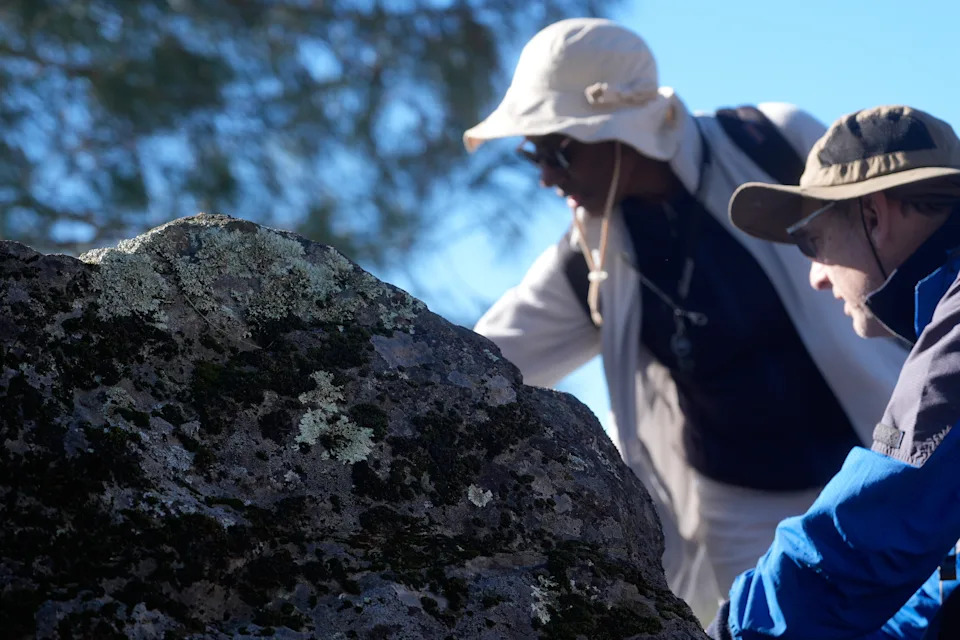
Valerie McFarlane, top, and Edward Smyth, a member of the California Lichen Society, look toward lichen on a large rock during a field trip at the University of California, Davis' McLaughlin Reserve in Lower Lake, Calif., Saturday, Jan. 24, 2026. (AP Photo/Jeff Chiu)(ASSOCIATED PRESS)
Why Fungi Matter
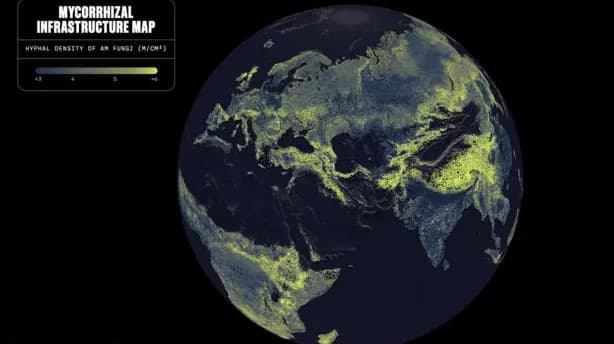
Fungi form an immense and diverse kingdom that includes yeasts, molds, lichens and mushrooms. They are key decomposers, mutualists and nutrient-cyclers: forests need fungal networks to thrive, and many animals depend on fungi for food and shelter. A recent Springer Nature study estimates fungi contribute roughly $54 trillion to the global economy through food, medicines and other uses.
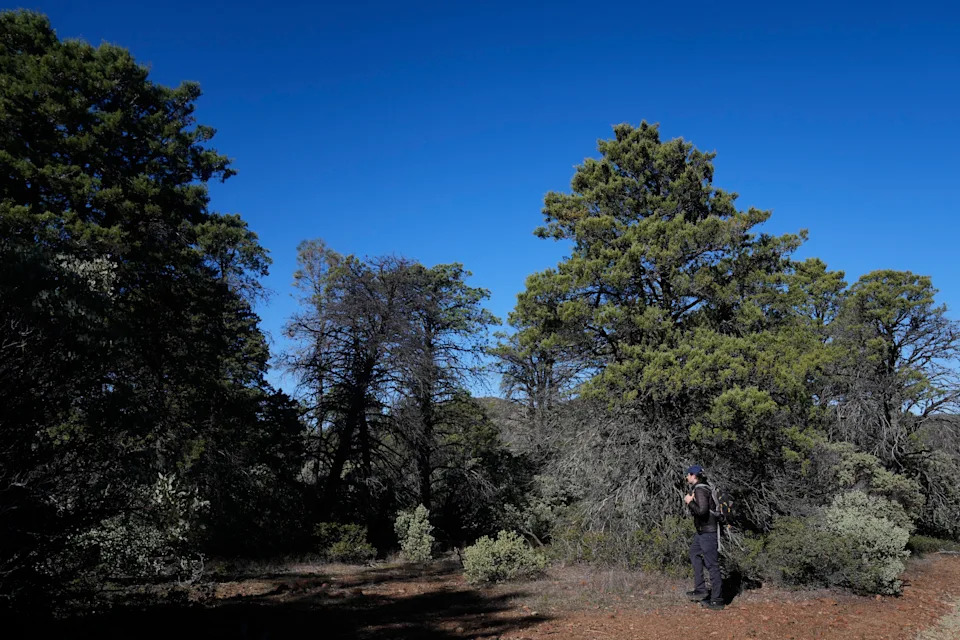
Jesse Miller, President of the California Lichen Society, walks near cedar trees while leading a group of CALS members and guests on a field trip at the University of California, Davis' McLaughlin Reserve in Lower Lake, Calif., Saturday, Jan. 24, 2026. (AP Photo/Jeff Chiu)(ASSOCIATED PRESS)
What We Know — And Don't
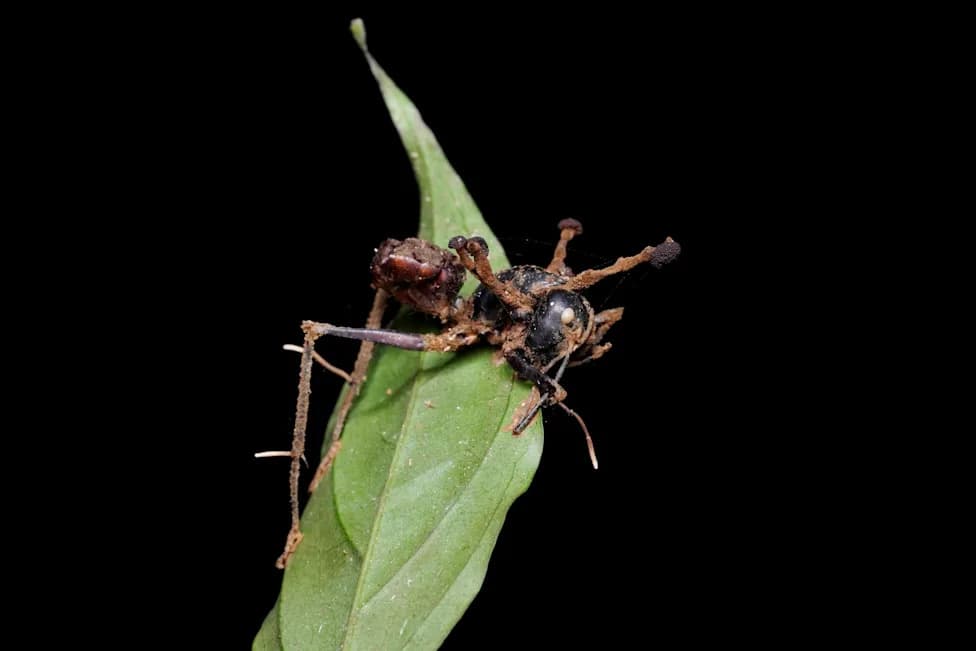
Scientists have formally described about 155,000 fungal species — roughly 6% of an estimated 2.5 million species worldwide. Most fungi live as mycelium, a hidden web of filaments, producing short-lived mushrooms only when conditions permit. That hidden life cycle and the sporadic nature of fruiting make fungi hard to document, which hampers conservation planning.
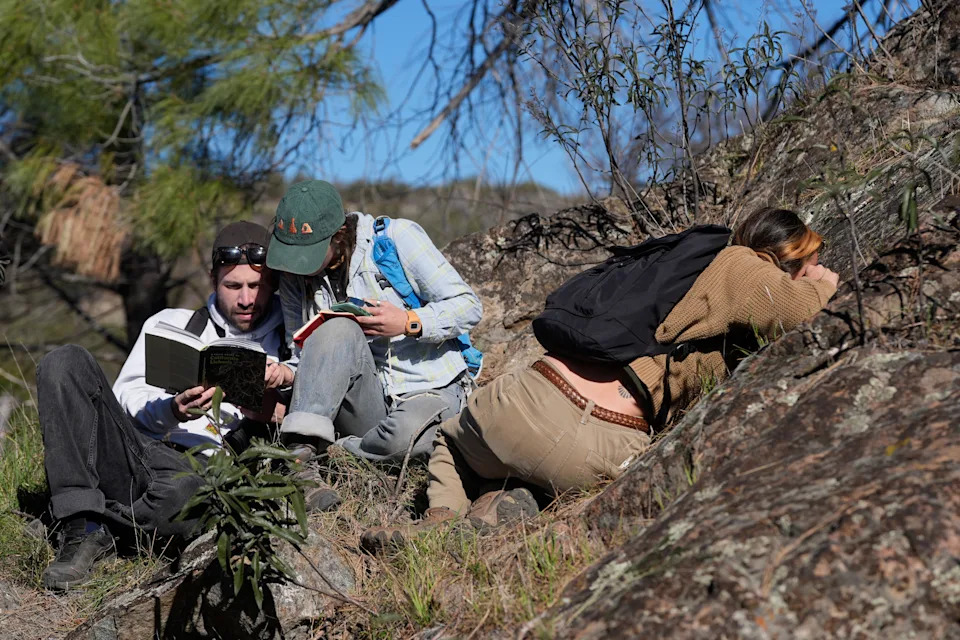
University of California, Berkeley students Daniel Clarke, left, Natalia Rovira and Sarah Campbell take part in a California Lichen Society field trip at the University of California, Davis' McLaughlin Reserve in Lower Lake, Calif., Saturday, Jan. 24, 2026. (AP Photo/Jeff Chiu)(ASSOCIATED PRESS)
Threats And Conservation Progress
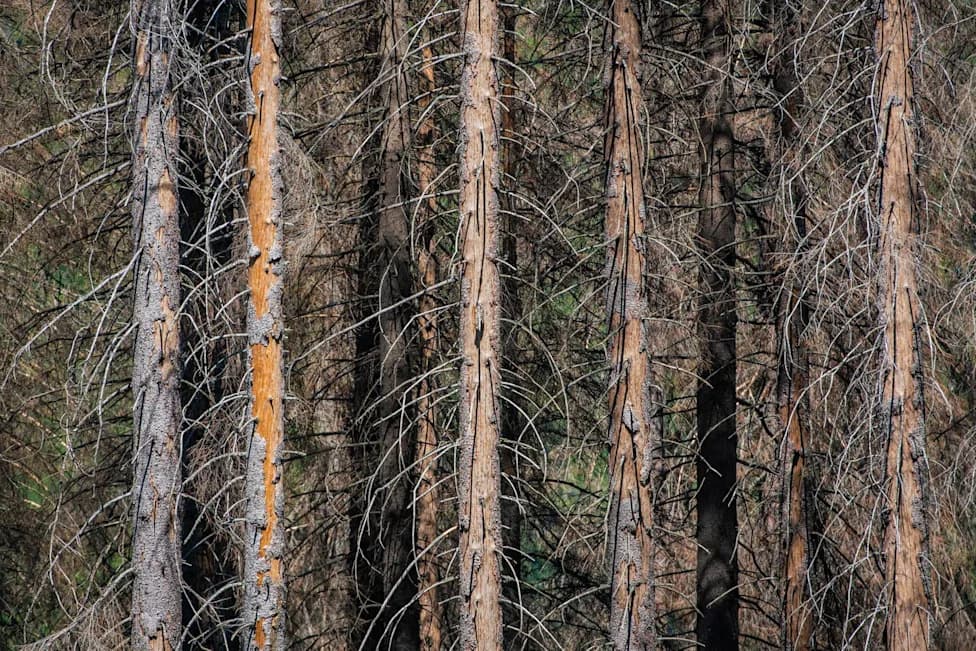
Fungi face mounting threats: climate change (altered rainfall, hotter temperatures and intensified wildfires), prolonged flooding that reduces oxygen in soils, logging, development, invasive species, pollution and overharvesting. For example, the quinine conk, a large fungus that grows on larches in Europe, has been driven toward endangerment in part by heavy collection for medicinal use.
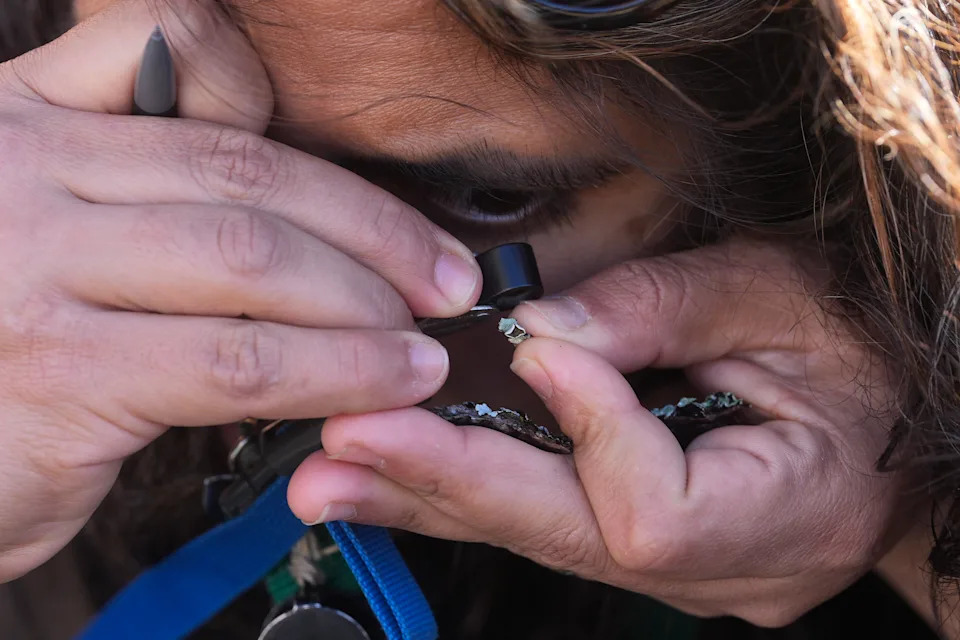
Laura Moreno-Baker, an ecologist with the Bureau of Land Management's Ukiah Field Office, looks at lichen through a hand lens loupe during a California Lichen Society field trip at the University of California, Davis' McLaughlin Reserve in Lower Lake, Calif., Saturday, Jan. 24, 2026. (AP Photo/Jeff Chiu)(ASSOCIATED PRESS)
According to the IUCN Red List, 411 of about 1,300 evaluated fungal species are threatened with extinction. Despite these risks, fungi have been largely overlooked in conservation policy: only two fungal species (both lichens) are listed under the U.S. Endangered Species Act, though some states offer additional protections.
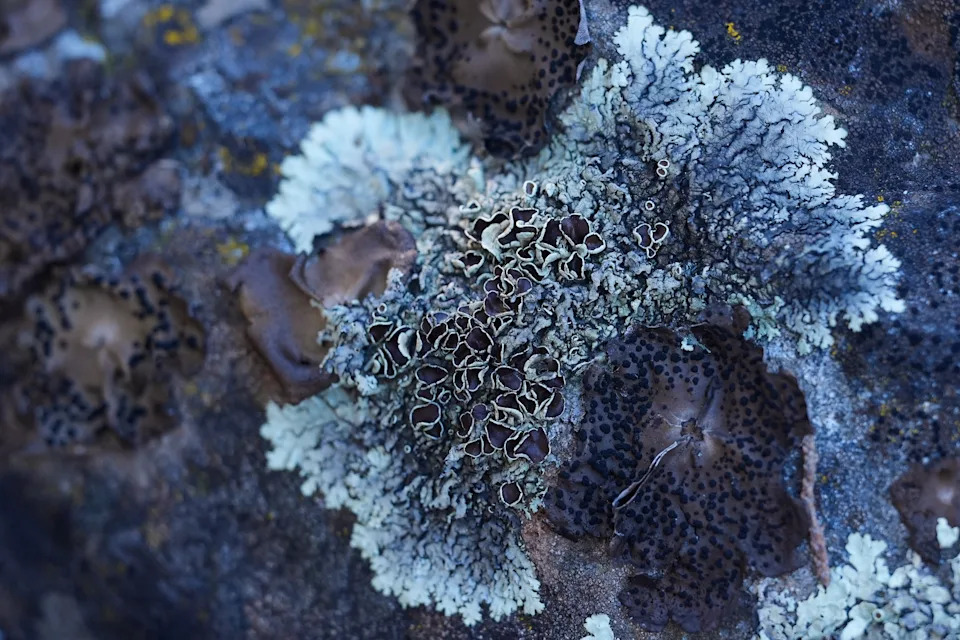
Rock shield and rock tripe lichen are visible on a large rock during a California Lichen Society field trip at the University of California, Davis' McLaughlin Reserve in Lower Lake, Calif., Saturday, Jan. 24, 2026. (AP Photo/Jeff Chiu)(ASSOCIATED PRESS)
The Power Of Citizen Science
Citizen scientists and hobbyist groups are filling crucial knowledge gaps. Amateur mycologists and lichenologists photograph finds and post them to platforms such as iNaturalist and Mushroom Observer. These community-sourced records are now being used by researchers to map fungal diversity and detect species that may be declining.
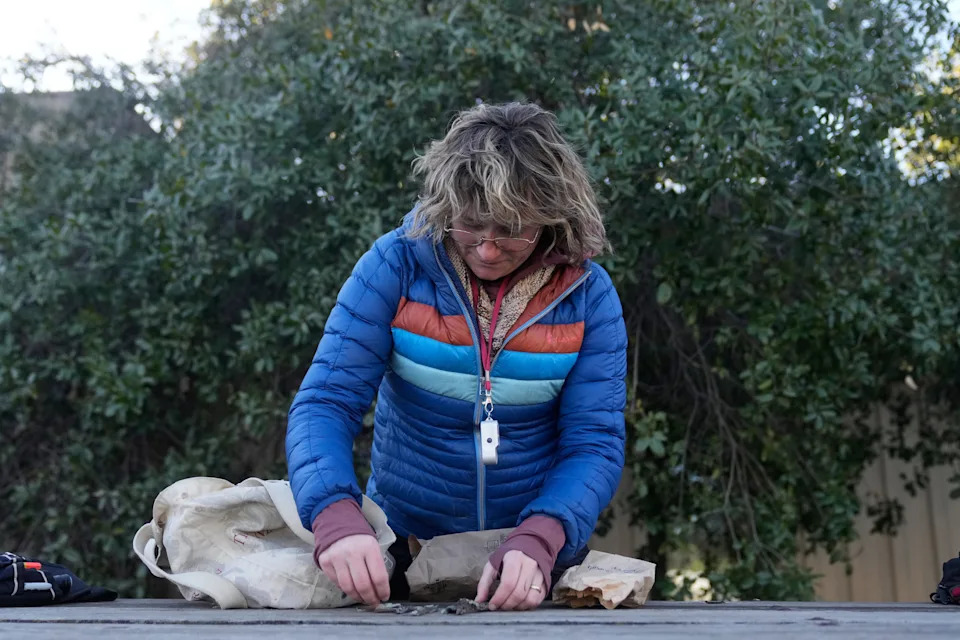
Jessica Allen, of the California Lichen Society, arrange lichen found during a CALS field trip at the University of California, Davis' McLaughlin Reserve in Lower Lake, Calif., Saturday, Jan. 24, 2026. (AP Photo/Jeff Chiu)(ASSOCIATED PRESS)
Gregory Mueller, co-chair of the IUCN fungal conservation committee, and others say this widening base of observers is shifting the conservation landscape. Local specialist societies, annual field forays and volunteer surveys often make the key discoveries and provide the long-term monitoring necessary to protect rare species.
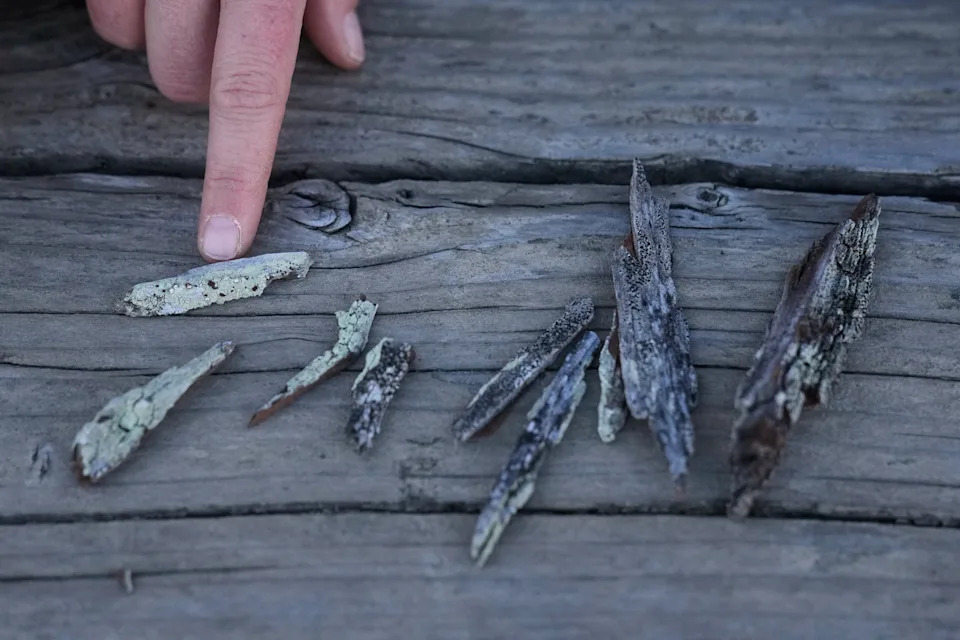
Jessica Allen, of the California Lichen Society, arrange lichen found during a CALS field trip at the University of California, Davis' McLaughlin Reserve in Lower Lake, Calif., Saturday, Jan. 24, 2026. (AP Photo/Jeff Chiu)(ASSOCIATED PRESS)
Back In The Field
On that chilly day in Napa, Allen and her colleagues scoured slopes and creek banks for the Manzanita butter clump and came up empty — a common outcome when dealing with ephemeral mushrooms. Still, the field trip produced valuable observations and renewed enthusiasm.
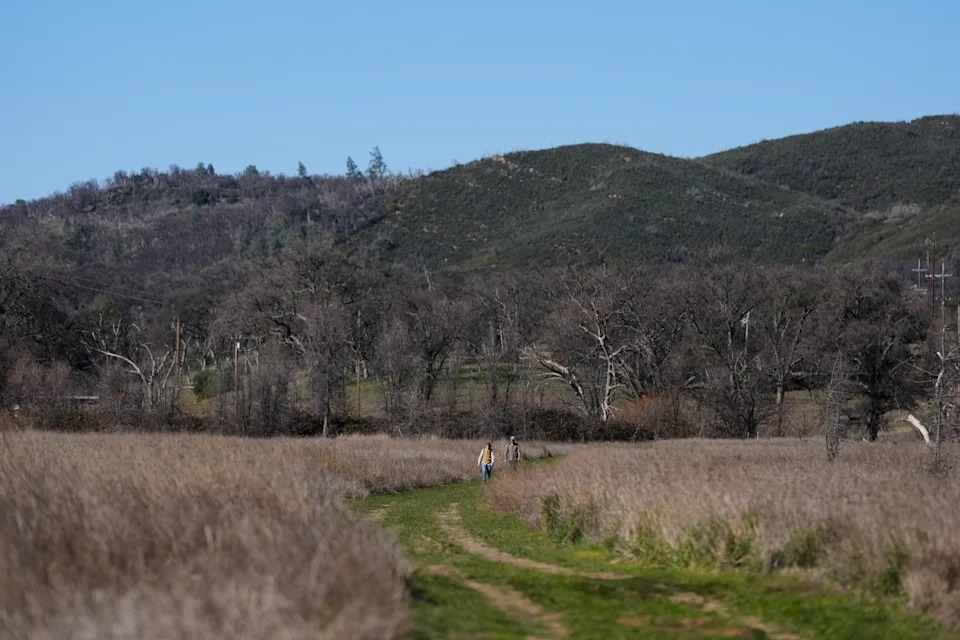
Lise Peterson, left, and Dan Antonaccio walk down a path while taking part in a California Lichen Society field trip at the University of California, Davis' McLaughlin Reserve in Lower Lake, Calif., Saturday, Jan. 24, 2026. (AP Photo/Jeff Chiu)(ASSOCIATED PRESS)
“How many of my days have ended this way? So many. It was still a great day.”
Efforts to document fungal diversity — from grassroots observers to international conservation bodies — are making the hidden kingdom more visible and giving scientists the data they need to protect it and the ecosystems that depend on it.
Reporting support for this story comes from the Walton Family Foundation. For more AP environmental coverage, visit https://apnews.com/hub/climate-and-environment.
Help us improve.