The UC Irvine and Purdue team built the first cell type–specific genetic regulatory map of the Alzheimer's brain using SIGNET, a machine-learning framework that integrates single-cell RNA sequencing and whole-genome sequencing. They inferred nearly 6,000 putative cause-and-effect interactions—most pronounced in excitatory neurons—and identified regulatory "hub" genes as potential drug targets. Results were validated in a small independent sample, but causation remains unproven; researchers plan comparisons with unaffected brains next.
First Cell-Type Genetic Map of Alzheimer's Reveals Hidden Gene Networks and Potential Drug Targets

DNA visualisation
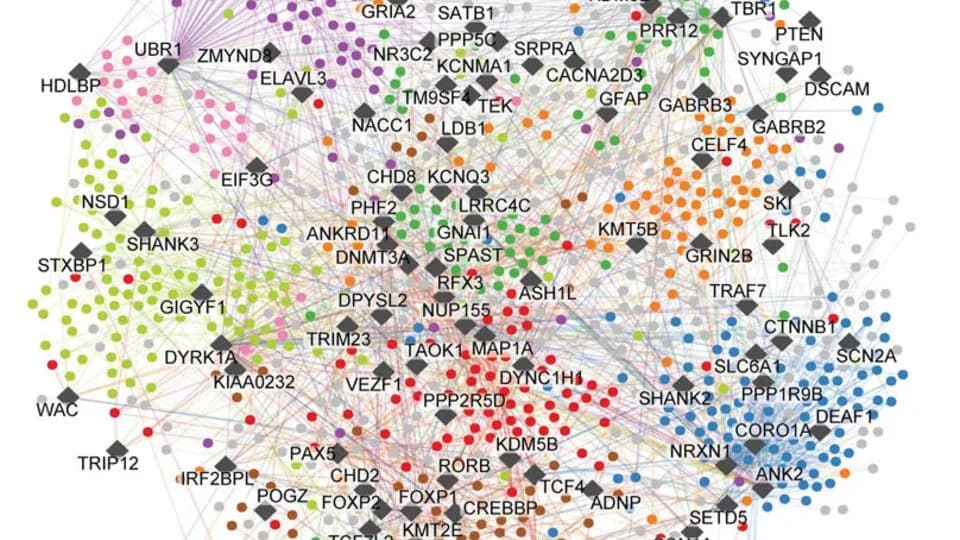
Researchers at the University of California, Irvine (UC Irvine) and Purdue University have produced a first-of-its-kind genetic blueprint of the Alzheimer's brain that maps not only which genes are active in specific cell types, but also inferred cause-and-effect chains linking them. The map reveals previously hidden gene-to-gene communications and highlights regulatory "hub" genes that may act as major junctions for disease-associated molecular changes.
The team analyzed brain tissue from 272 people who had died with Alzheimer's disease using a new machine-learning framework called SIGNET (Statistical Inference on Gene Regulatory Networks). SIGNET integrates single-cell RNA sequencing with whole-genome sequencing data to infer cell type–specific regulatory relationships and to distinguish probable driver interactions from mere correlations.
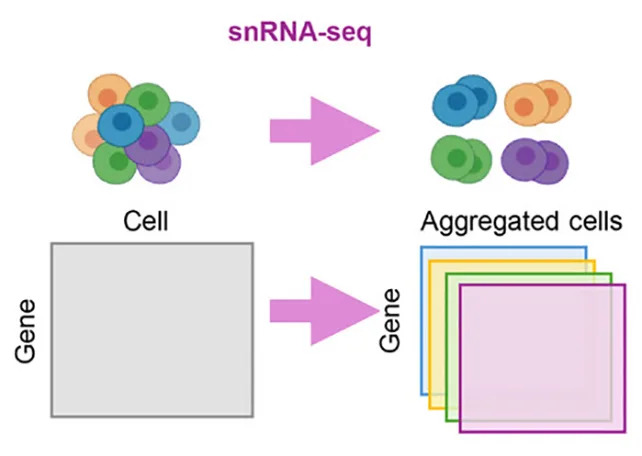
RNA sequencing was used to identify gene expression and connections. (Liu et al.,Alzheimer's Dement., 2026)
How the Study Worked
Six principal brain cell types were profiled: excitatory neurons, inhibitory neurons, astrocytes, microglia, oligodendrocytes and oligodendrocyte progenitor cells. The researchers started with genes previously linked to Alzheimer's and used SIGNET to identify which other genes they likely influence across each cell type.
"Different types of brain cells play distinct roles in Alzheimer's disease, but how they interact at the molecular level has remained unclear," said UC Irvine epidemiologist Min Zhang. "Our work provides cell type-specific maps of gene regulation in the Alzheimer's brain, shifting the field from observing correlations to uncovering the causal mechanisms that actively drive disease progression."
"Many mapping tools show which genes move together but cannot reliably tell which genes are driving those changes," said UC Irvine epidemiologist Dabao Zhang. "By leveraging DNA-encoded information, our approach aims to identify true cause-and-effect relationships between genes in the brain."
Key Findings
The analysis found that excitatory neurons—critical for neural signaling, memory and cognition—exhibited the largest disruption in genetic wiring associated with Alzheimer's. Nearly 6,000 putative cause-and-effect interactions were inferred within these cells. The researchers also identified hub genes that appear to act as central regulatory junctions and could represent more specific targets for future drug development.

Subscribe to ScienceAlert's free fact-checked newsletter
To test the robustness of their network predictions, the team validated aspects of the map against a small independent set of human Alzheimer's brains and observed similar interaction patterns. However, the authors caution that these results do not yet prove that the mapped regulatory changes cause Alzheimer's pathology.
Limitations and Next Steps
The study’s authors emphasize the need for additional comparisons with brain tissue from people without Alzheimer's to distinguish disease-specific regulatory changes from normal aging. Experimental work to manipulate identified hub genes and follow-up studies in larger and more diverse cohorts will be necessary to confirm causality and to assess therapeutic potential.
The study was published in the journal Alzheimer's & Dementia.
Help us improve.