The IDF's late‑night raid in Habbariyeh resulted in the capture of Atwi Atwi, alleged local commander of the Sunni al-Farj Forces rather than a Hezbollah operative. Israeli officials say al-Farj is cooperating with Hezbollah, prompting strikes and raids in southern Lebanon and Syria to disrupt weapons caches and commanders. Analysts warn this cross‑sectarian cooperation could form a broader "pan‑Islamic" tactical umbrella, complicating Israel's security on the northern border.
IDF Captures Sunni Militant Tied to al-Farj; Fears Grow of a Cross‑Sectarian Hezbollah Alliance
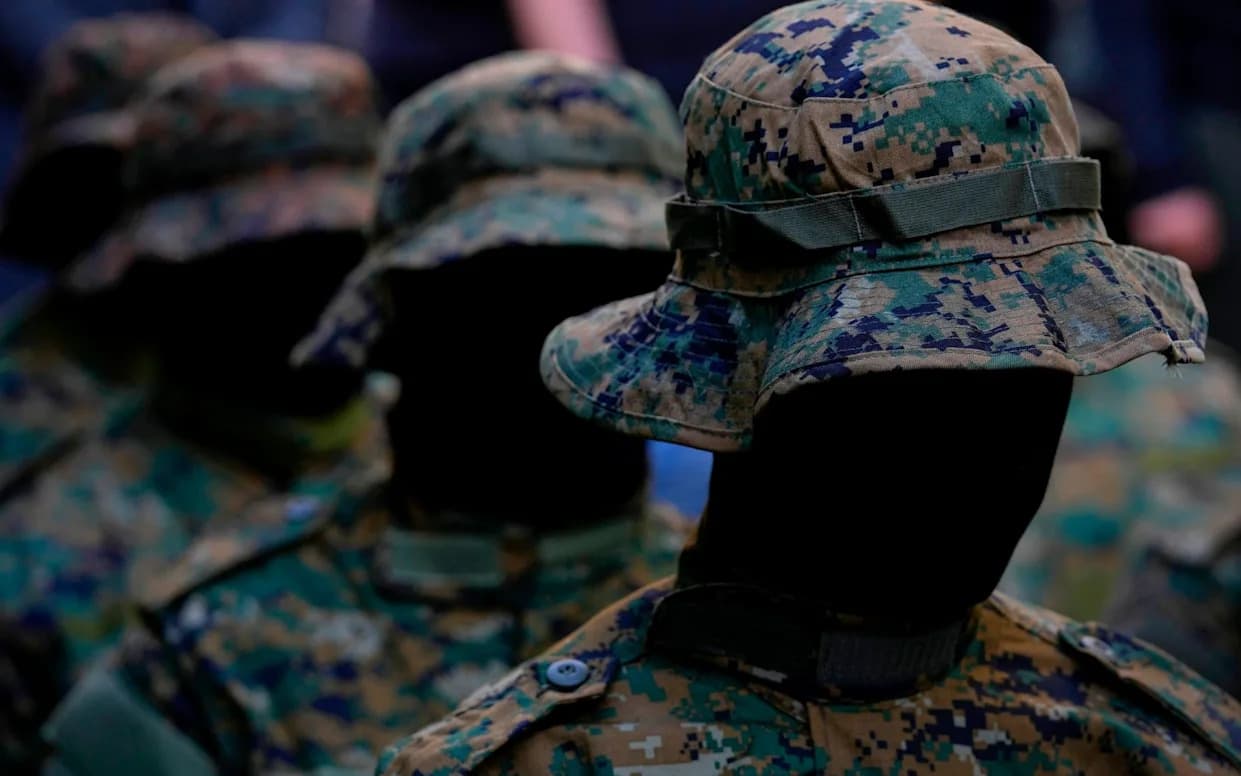
In Israeli military circles, the subject of another major war in southern Lebanon is spoken of in terms of ‘when’, and not ‘if’ - Bilal Hussein
In the early hours of Monday, Israeli special forces carried out a precision raid in Habbariyeh, a remote village in southern Lebanon, detaining a senior militant identified as Atwi Atwi. Israeli authorities say Atwi is the local commander of the al-Farj Forces, the armed wing of al-Jama'a al-Islamiya (the Lebanese branch of the Muslim Brotherhood), rather than a member of Hezbollah.
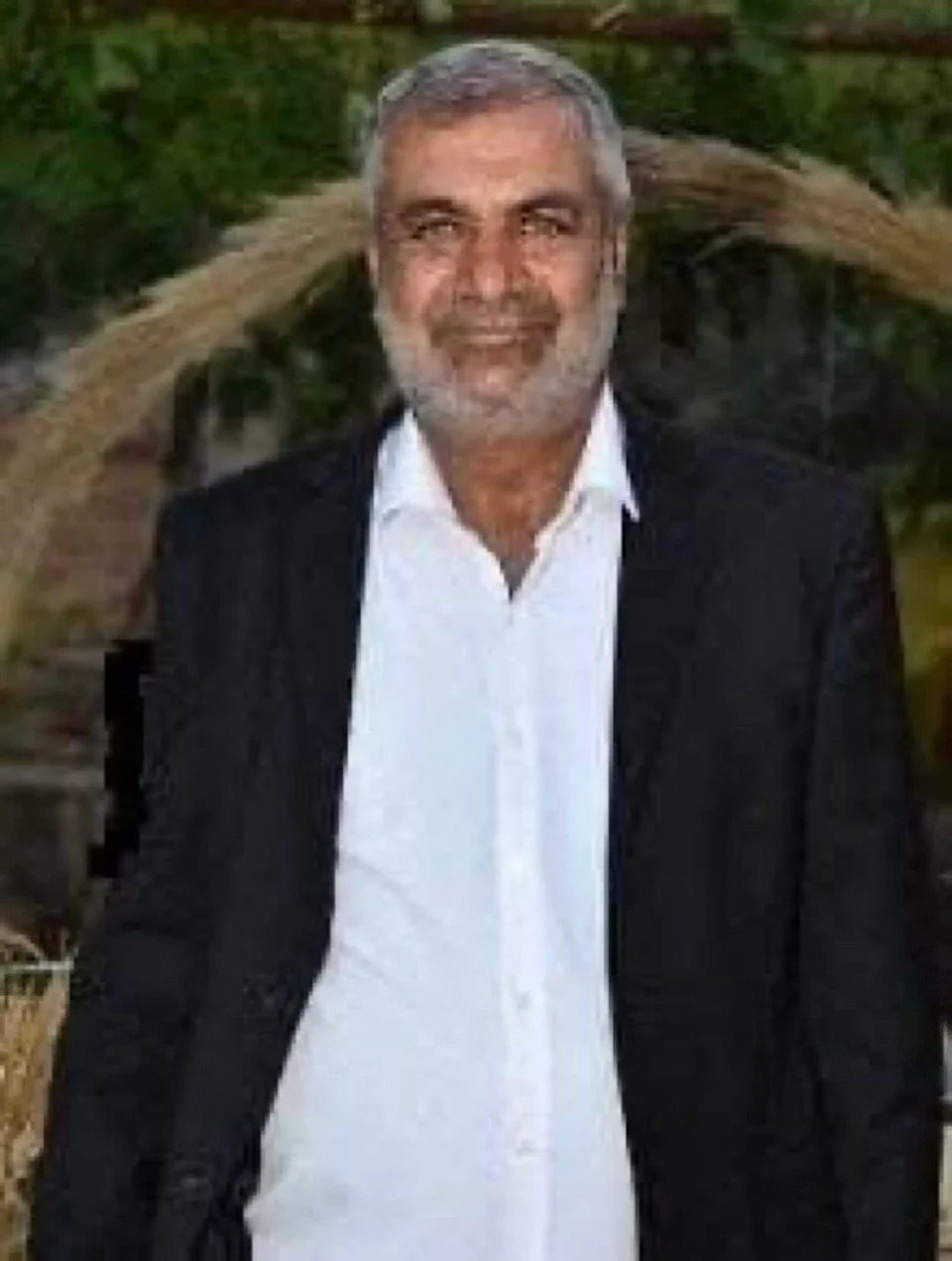
Atwi is the local commander of the al-Farj Forces
Why the Arrest Matters
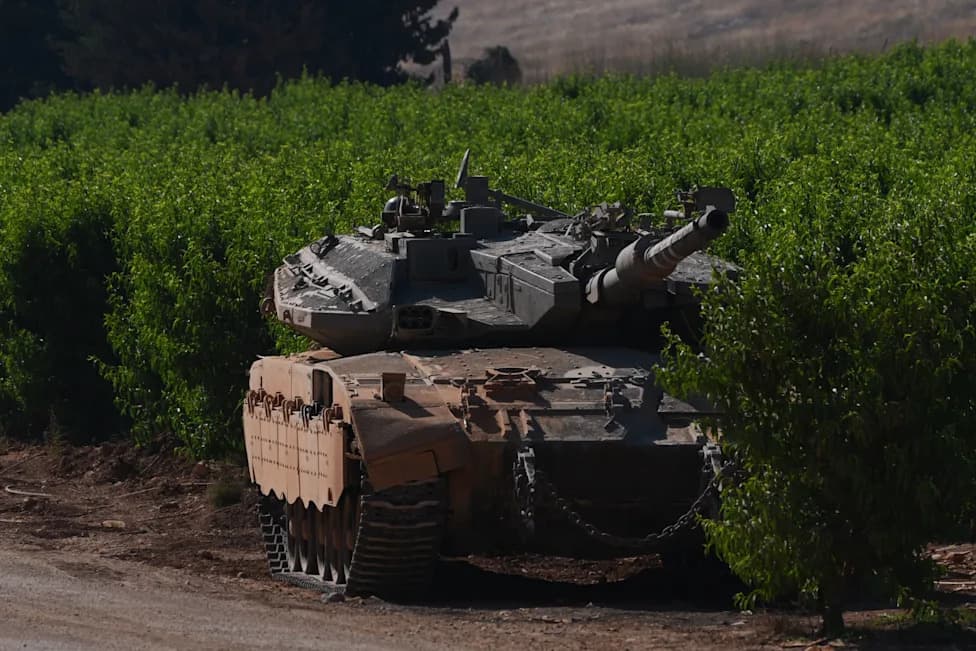
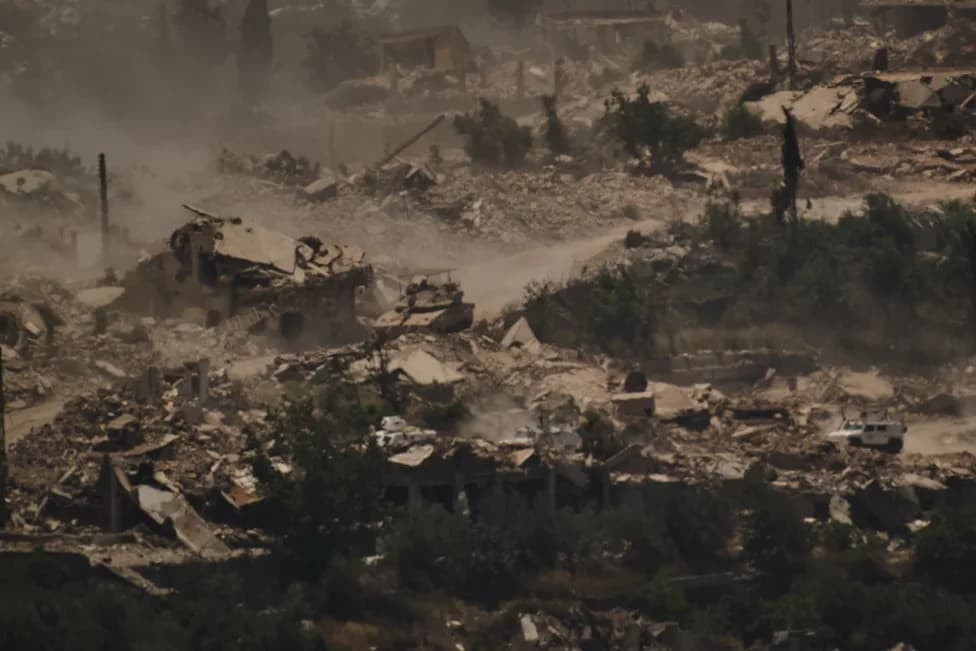
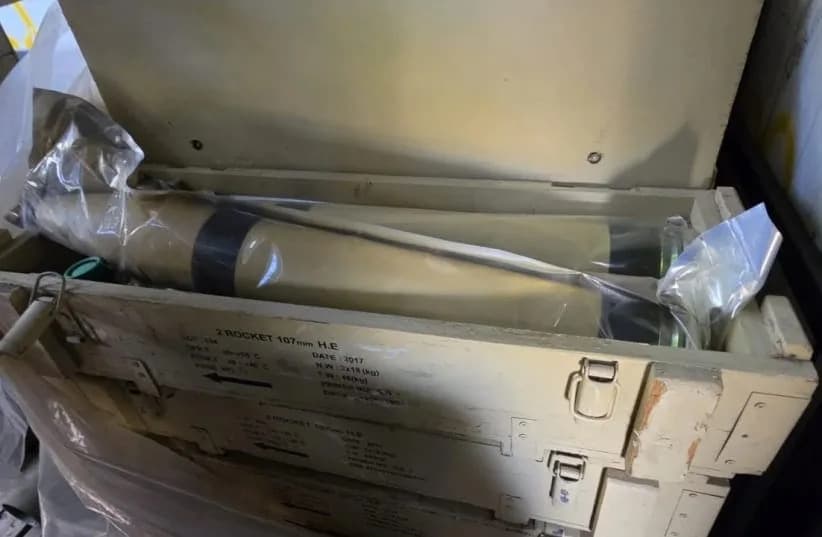
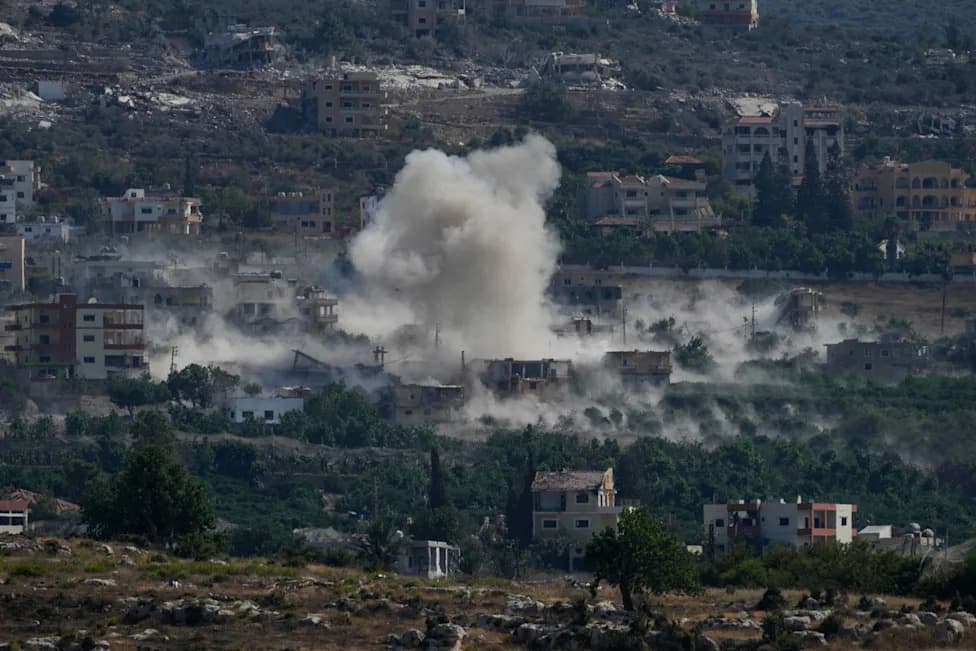
The capture has intensified Israeli concerns that Hezbollah is cultivating cross‑sectarian partnerships to expand its operational reach while reducing the diplomatic and military risks of acting directly. Israeli strikes and ground raids across southern Lebanon and southern Syria in recent months — aimed at disrupting weapon stockpiles and eliminating commanders tied to al-Farj — reflect the seriousness with which Israeli defence planners view this trend.
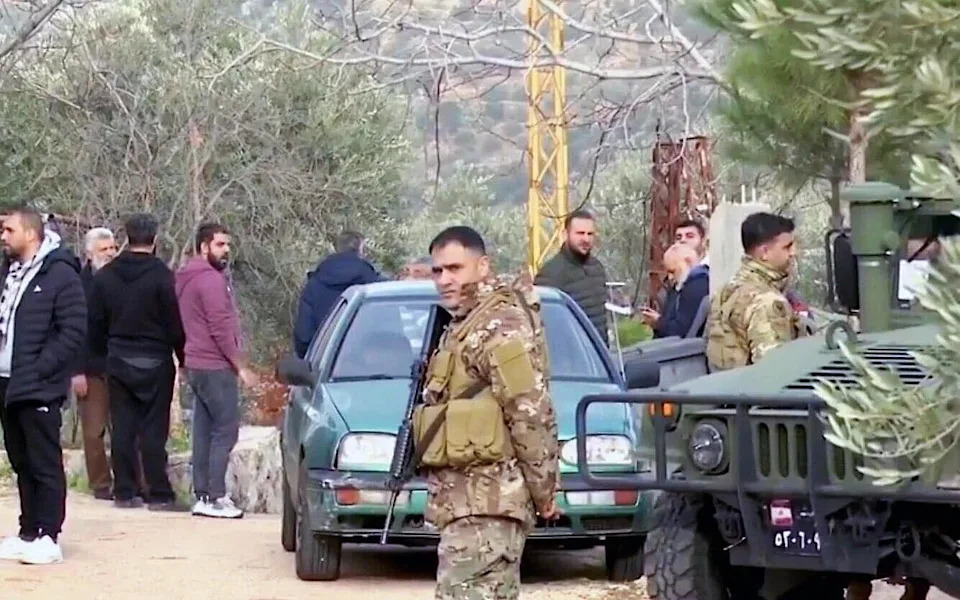
Lebanon’s army is tasked with disarming Hezbollah on the ground
Escalation and Recent Clashes
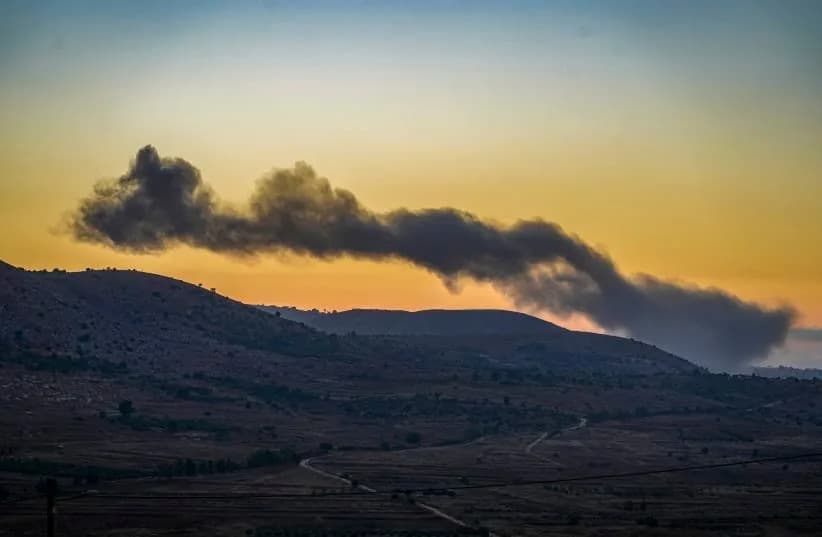
Operations targeting al-Farj networks have included air strikes, drone strikes and raids. An operation in November in Beit Jinn, southern Syria, intended to destroy an al-Farj weapons depot, reportedly turned into an ambush in which six Israeli soldiers were badly wounded and about 13 Syrians were killed. The decision to conduct a risky ground operation to seize Atwi alive underlines the priority Israel places on preventing a deeper militant integration on its northern border.
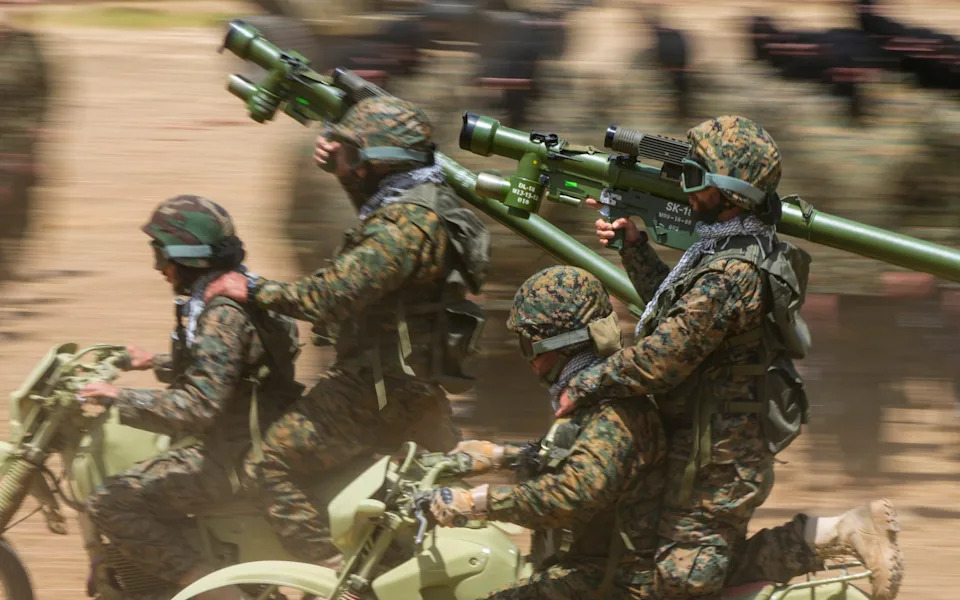
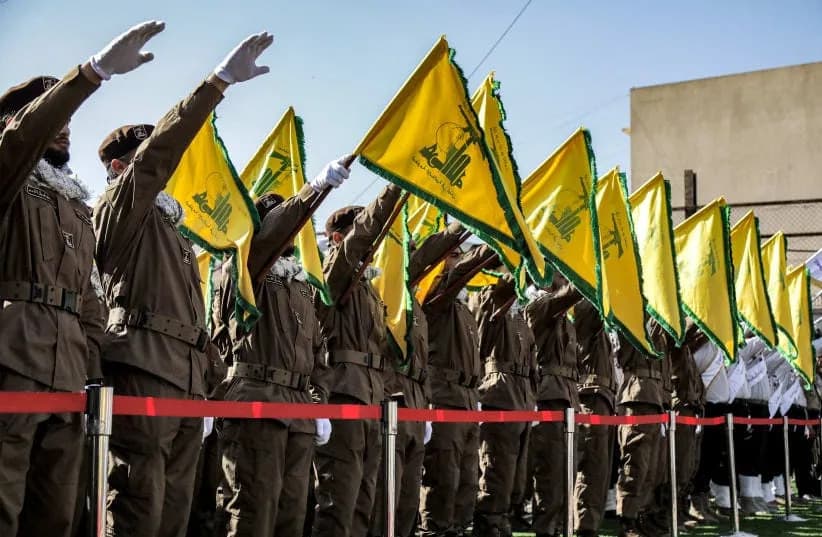
Mr Levitt said the apparent resurgence of the al-Farj Forces showed that Hezbollah was actively looking to work alongside new allies - Hassan Ammar
Analysts' Assessments
Security analysts warn that a tactical alliance between the Sunni al-Farj Forces and Shia Hezbollah could evolve into a wider "pan‑Islamic" jihadi coordination, complicating Israel's deterrence and raising the prospect of more sophisticated cross‑border attacks. Matthew Levitt of the Washington Institute for Near East Policy told reporters that Hezbollah appears to be seeking partners who are perceived as more independent of Iran and therefore may enjoy greater freedom of movement.
Al-Jama'a al-Islamiya’s deputy political bureau head, Bassem Hammoud, has described the relationship with Hezbollah as a pragmatic Lebanese partnership: "We agree on some issues and differ on others. Right now, we are partners resisting the enemy," he said in 2024. Islamism analyst Amine Ayoub has warned that cooperation between Brotherhood elements and Iran-backed actors could give Tehran's hostility toward Israel broader sectarian legitimacy and a unified tactical umbrella.
Wider Implications
Observers also point to the political and social dimensions: al-Jama'a al-Islamiya’s renewed military activity may be helping it rebuild local Sunni legitimacy eroded after the political exit of former prime minister Saad Hariri. In addition, the recent U.S. designation of the Egyptian, Jordanian and Lebanese branches of the Muslim Brotherhood as Foreign Terrorist Organizations has added an international dimension to concerns about funding and transnational links.
Outlook
Israel continues near‑daily strikes in southern Lebanon despite a ceasefire after the autumn 2024 war, and Lebanese authorities say the army has been tasked with disarming Hezbollah on the ground with mixed results. Within Israeli military circles, the possibility of another broader conflict in southern Lebanon is increasingly discussed as a question of "when" rather than "if." Atwi is now in Israeli custody and being interrogated as part of ongoing efforts to map and disrupt the emerging cross‑sectarian networks.
Key sources: Statements from the Israel Defence Forces, reporting by The Telegraph and Reuters, and commentary from regional analysts including Matthew Levitt, Bassem Hammoud and Amine Ayoub.
Help us improve.