The IDF warns Hezbollah is regrouping and preparing a significant attack while closely monitoring Israeli moves, with much depending on Iran. Israel has defined a "kill zone" and tightened coordination between ground forces, the Air Force and Military Intelligence after operations like the Ali Taher Ridge raid. Commanders caution winter weather, muddy terrain and funding or training shortfalls could undermine readiness and complicate any future escalation.
IDF Warns Hezbollah Is Regrouping And Preparing Major Attack, With Moves Tied To Iran
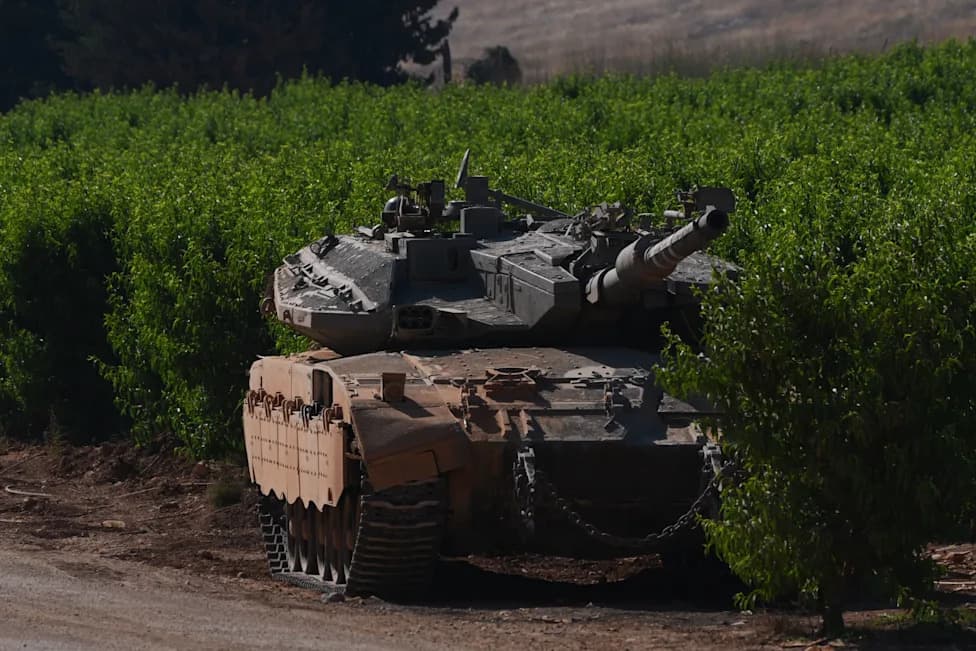
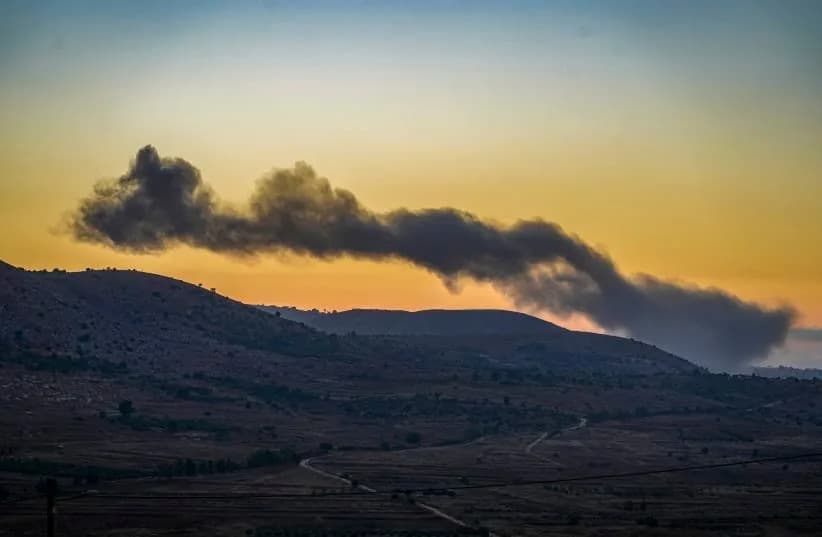
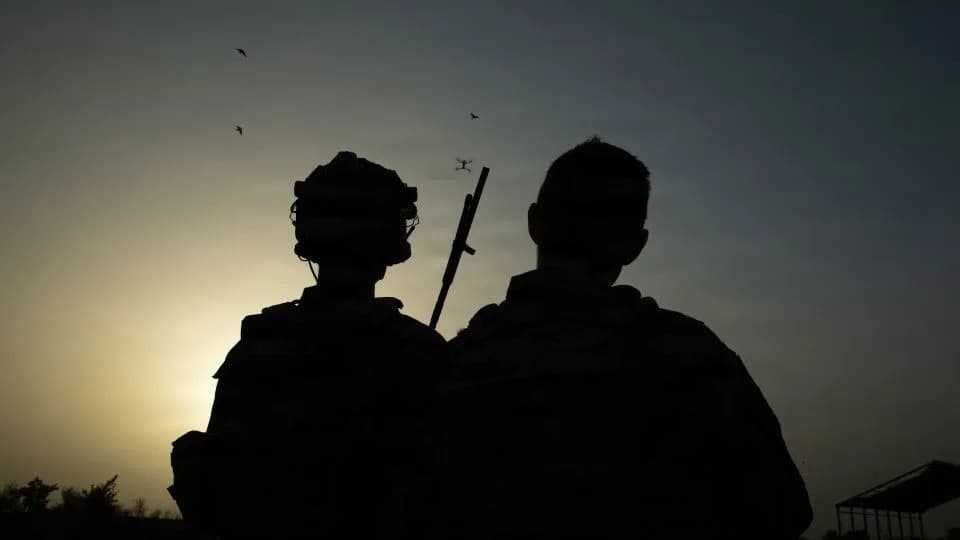
Israeli soldiers are seen along the Israeli border with Lebanon in northern Israel, June 8, 2026. (photo credit: AYAL MARGOLIN/FLASH90)
The Israel Defense Forces (IDF) warn that Hezbollah is regrouping, studying Israeli activity and preparing for a significant response—likely linked to developments in Iran. Northern Command officers caution that remaining static along the Lebanese frontier could become increasingly dangerous despite recent tactical successes.
IDF Assessment
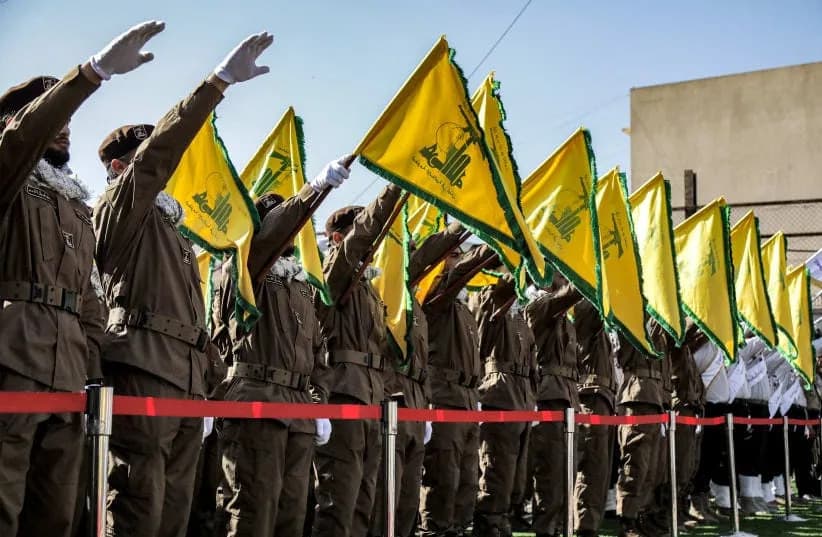
According to senior Northern Command officers, Hezbollah's leadership is closely monitoring events in Tehran and will calibrate its next steps accordingly. Intelligence and surveillance indicate Hezbollah is drawing lessons from recent clashes and experimenting with low-profile guerrilla cells to operate under the radar.
Frontline Posture And The "Kill Zone"
The IDF has delineated a so-called "kill zone" separating territory under Israeli control from areas dominated by Hezbollah along the border. Northern Command chief Maj.-Gen. Rafi Milo has stressed a hardline rule: anyone who enters the zone risks being targeted. To enforce this, the IDF has intensified coordination among ground units, the Israel Air Force and Military Intelligence to speed up identification and increase strike accuracy.
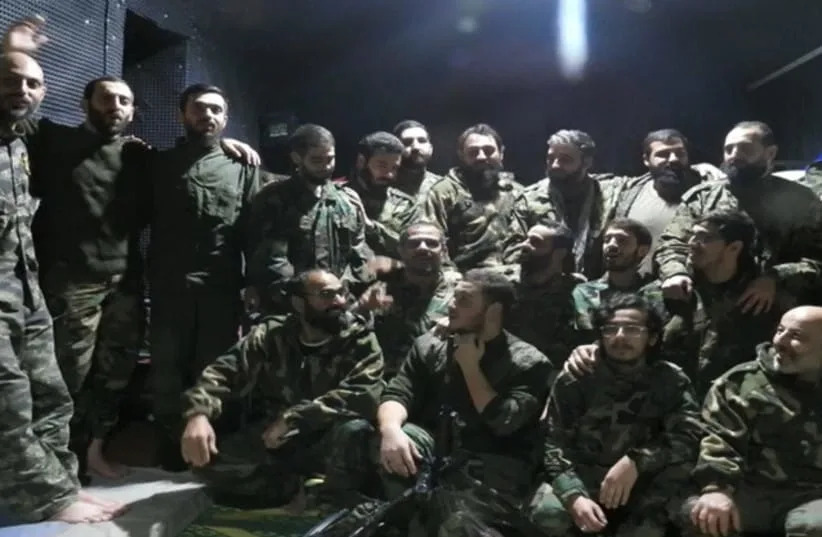
The IDF released footage of Hezbollah terrorists inside tunnels under Beaufort, southern Lebanon, published June 7, 2026. (credit: IDF SPOKESPERSON'S UNIT)
Recent Operations
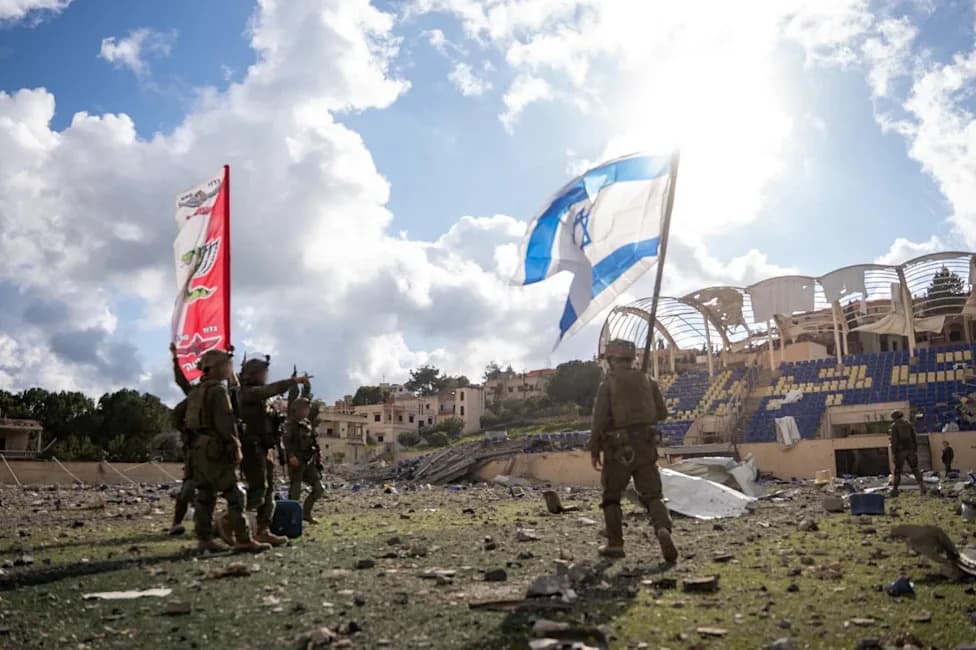
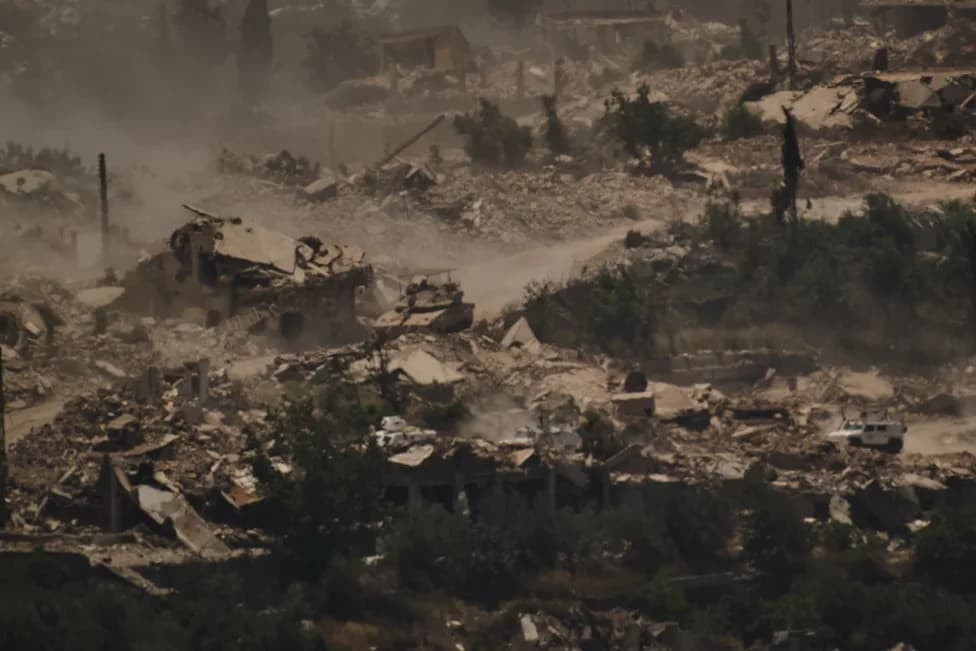
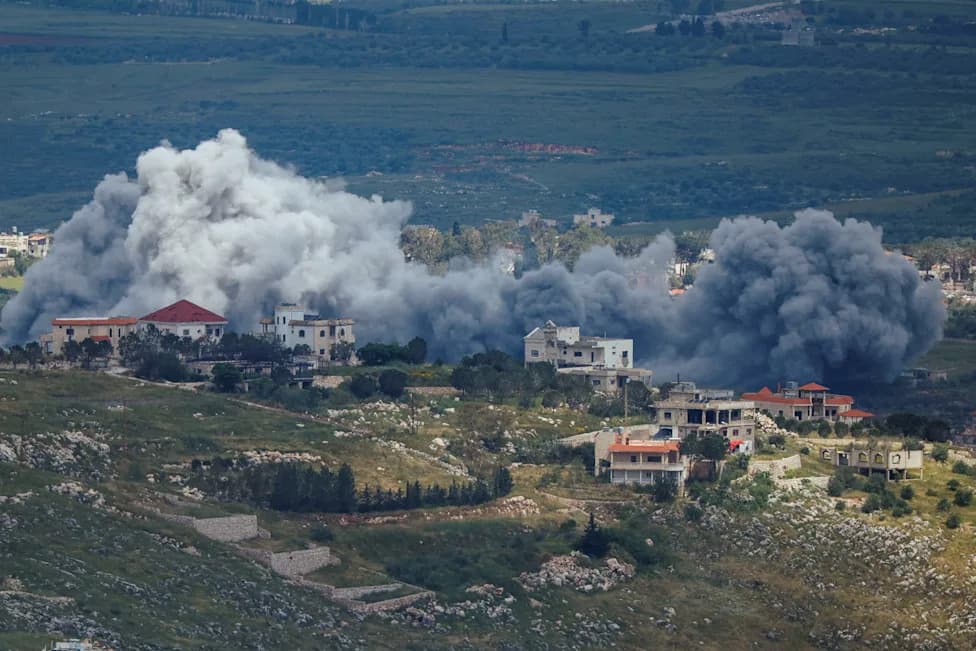
Israeli forces recently carried out a complex engineering operation on the Ali Taher Ridge that the IDF says destroyed terrorist infrastructure and killed dozens of militants. The military also released footage dated June 7, 2026, showing Hezbollah operatives inside tunnels beneath Beaufort in southern Lebanon (IDF Spokesperson's Unit).
Operational Challenges Ahead
Commanders are debating how long the current posture can be sustained, particularly as winter approaches. Severe weather and muddy terrain—referred to by officers as "the Lebanese mud"—could degrade mobility and air support. Questions also remain about funding: whether the IDF can equip all theaters for winter and whether regular-service units, strained by prolonged operations, are sufficiently trained and ready for a renewed large-scale war.
Hezbollah's Condition And Capabilities
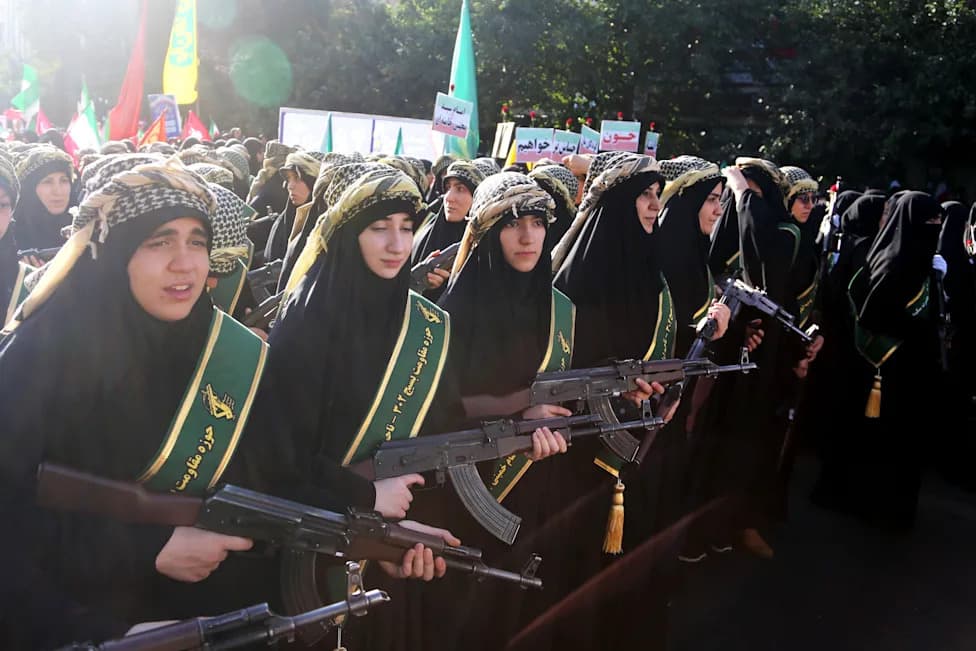
Israeli assessments say Hezbollah is not the same force it was nearly three years ago. The organization reportedly lacks the deep bench of experienced senior commanders it once had and faces funding shortfalls that complicate salaries, pensions and support for fighters' families. Still, officers warn Hezbollah should not be underestimated: it is rebuilding capabilities, including expanded use of unmanned aerial vehicles and fiber-optic drones that proved effective in recent engagements.
Potential Flashpoints
Hezbollah is particularly sensitive about Nabatieh—described in some assessments as the group's Jerusalem and a Shi'ite stronghold—where the IDF is currently limiting its activity to airstrikes. Northern Command officers view Nabatieh as a possible focal point for escalation if hostilities widen.
Bottom Line: The IDF believes Hezbollah is preparing for a next phase tied to Iran's decisions. Enhanced interservice coordination has produced tactical gains, but winter conditions, funding constraints and stretched manpower create strategic uncertainties ahead of any renewed confrontation.
Help us improve.