Study Warning: Rising sea temperatures could cost South Korea’s aquaculture sector about 689.9 billion won (~$482M). At Risk: Abalone, rockfish, sea bass, kelp and laver, with abalone facing the largest projected losses. Published in Nature, the paper warns that when water temperatures exceed species’ upper tolerable limits, mass die-offs can make aquaculture production impossible. The authors urge investment, policy reform, and global action to limit warming and build climate-resilient aquaculture.
Study Warns Rising Sea Temperatures Could Trigger Mass Die-Offs — Korea's Seafood Industry at Risk
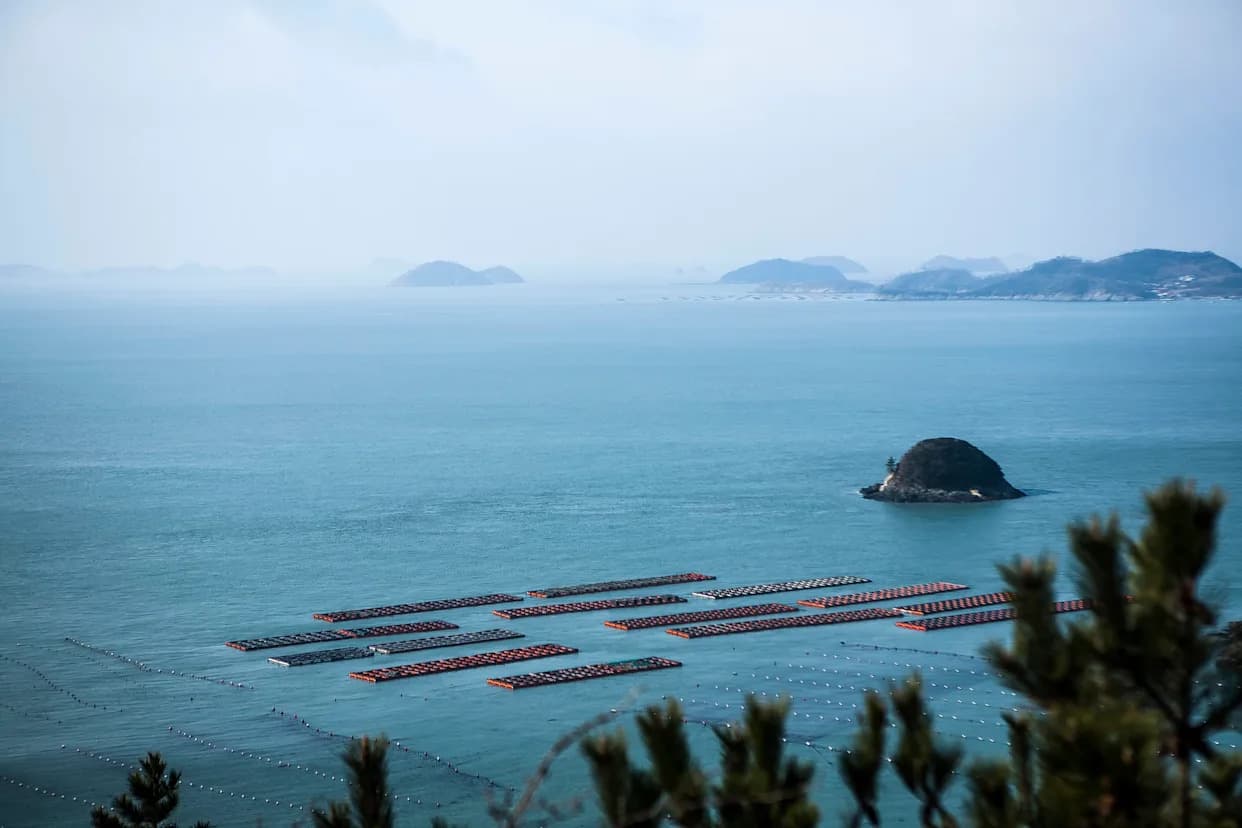
Photo Credit: iStock
A new study by researchers at Pukyong National University’s Department of Marine & Fisheries Business and Economics and the National Institute of Fisheries Science warns that rising sea temperatures threaten South Korea’s aquaculture industry, with projected economic losses in the hundreds of billions of won if action is not taken.
Major Findings
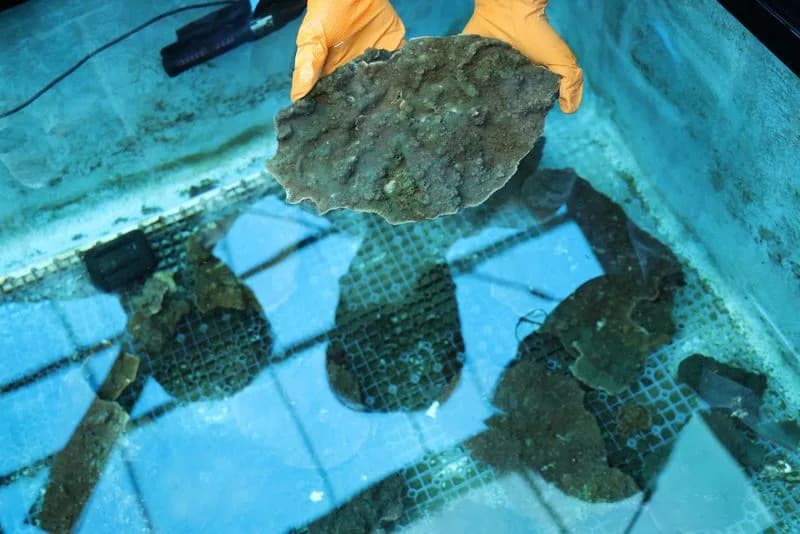
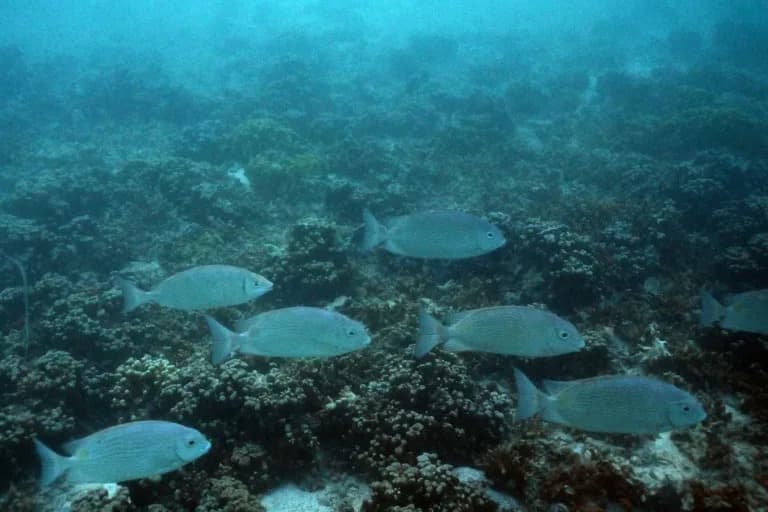
The authors estimate total losses of about 689.9 billion won (roughly $482 million) if warming trends continue. Key commercial species identified as especially vulnerable include abalone — which faces the highest projected damage costs — along with rockfish, sea bass, kelp and laver.
Ecological and Economic Consequences
When sea temperatures rise beyond species’ tolerable upper limits, the study — published in Nature — warns that stable production can no longer be maintained and mass die-offs become likely. Such events would disrupt food supplies, damage coastal livelihoods, and undermine related processing and export industries.
“As long as future water temperatures do not exceed the upper limits of optimal temperatures, stable production can continue. However, when water temperatures exceed the tolerable upper limits, aquaculture production becomes impossible as mass die-offs occur.”
Drivers and Broader Context
Researchers note that human-driven climate change and habitat degradation are key factors increasing vulnerability across fisheries and aquaculture. The findings echo earlier warnings from media and experts that Korea needs greater investment and policy reform to remain competitive in global aquafarming.
Adaptation and Innovation: Domestic and International Examples
Some countries and research groups have begun adapting. For example, Denmark and Japan are investing in cleaner technologies and smart-farming systems to increase resilience and production efficiency. In Scotland, funding targets fish health and long-term sustainability, while Singaporean scientists are developing methods to convert soybean-processing wastewater into sustainable fish meal.
In Korea, aquaculture scientists have developed techniques to produce glass eels and pollack in controlled environments, showing the potential of hatchery technology and recirculating systems to reduce dependence on unpredictable wild stocks.
What Needs To Be Done
The study calls for coordinated action: stronger climate mitigation globally, national policies to support climate-resilient aquaculture, investment in R&D (selective breeding, temperature-controlled systems, improved feed), and broader adoption of smart-farming and biosecurity measures to reduce risk. Together these steps can help protect species, secure coastal jobs, and stabilize seafood supplies.
Bottom Line: Without rapid and sustained action to curb warming and fund adaptive technologies, South Korea’s aquaculture sector faces significant economic losses and ecological harm.
Help us improve.