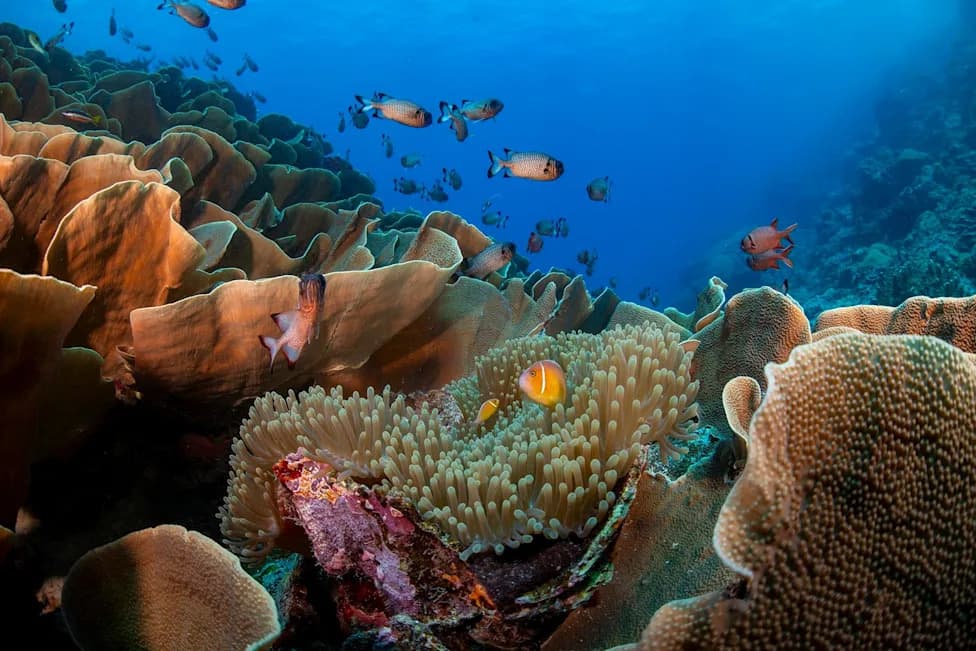
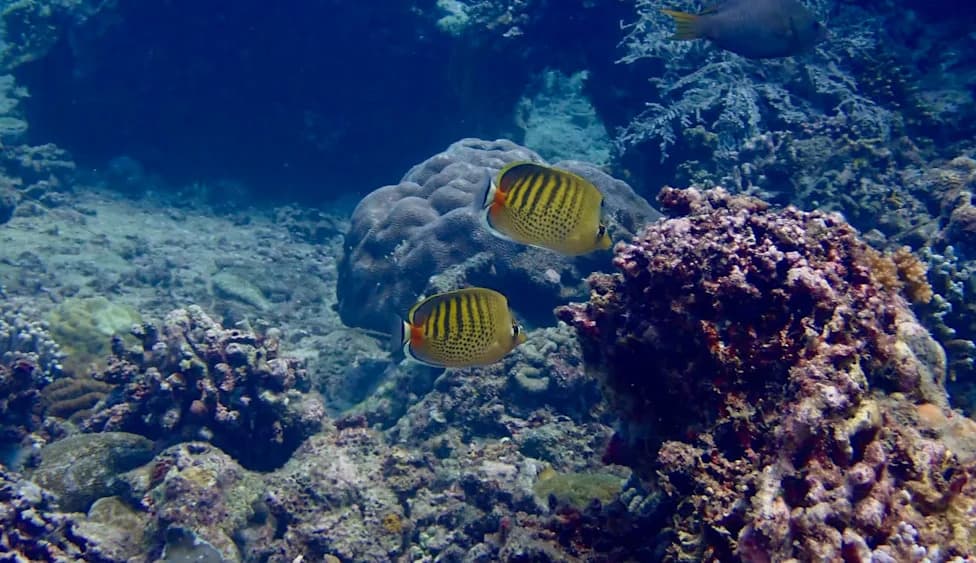
Rising sea temperatures and extreme weather linked to climate change have caused repeated "slumping"—sagging, bleaching and die-off—of soft corals around Jeju island. Citizen divers and KIOST researchers report damage similar to a documented 2024 event and warn El Niño-driven storms and persistent heat could worsen the impact. Authorities have pledged monitoring and investigations, while scientists urge sustained, quantitative research to protect the coral-dependent marine ecosystem.
Jeju's Soft Corals Are Slumping — Divers and Scientists Warn Warming Seas Could Trigger Ecosystem Collapse
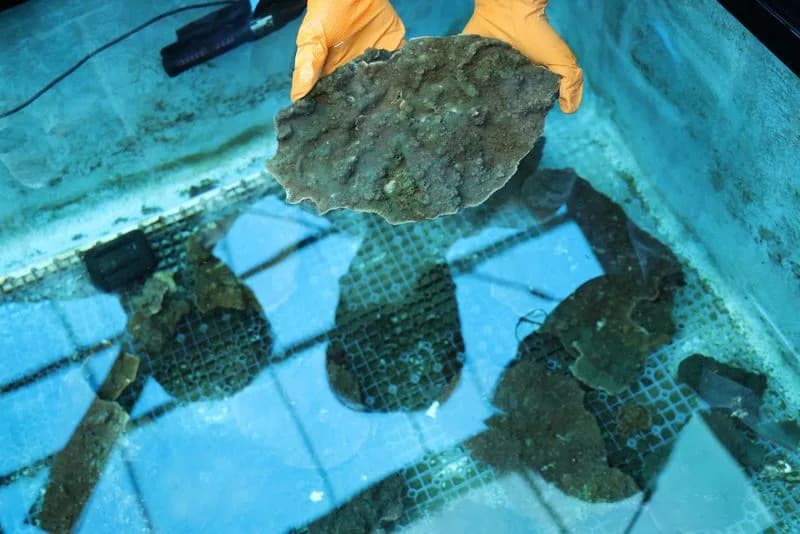
Kang Do-hyung, principal research scientist at Korea Institute of Ocean Science and Technology and former Oceans and Fisheries Minister, checks corals with researchers at a lab called Jeju Tropica, in Jeju, on Jeju Island, South Korea, August 20, 2026. REUTERS/Kim Hong-Ji
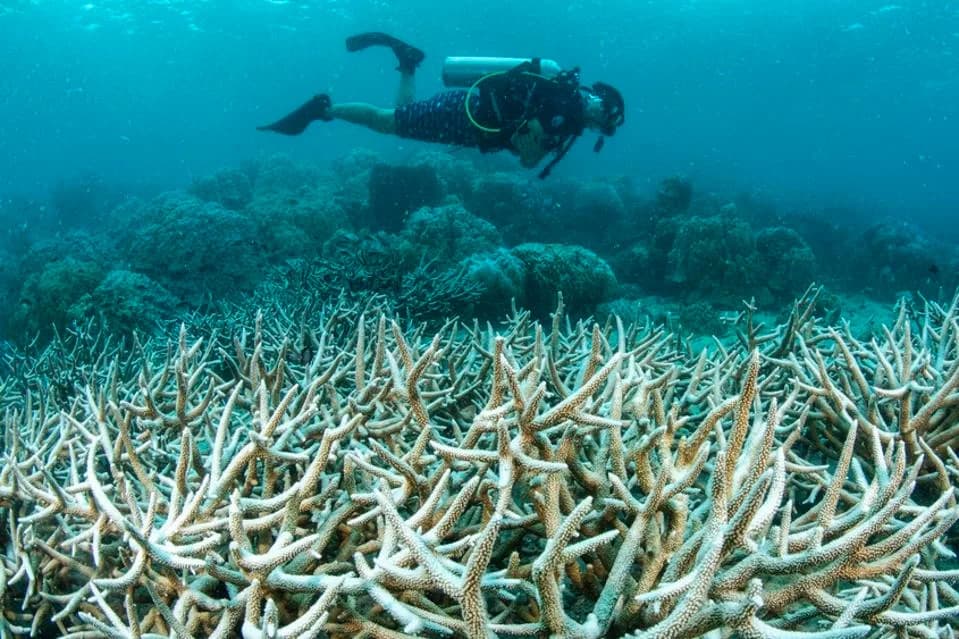
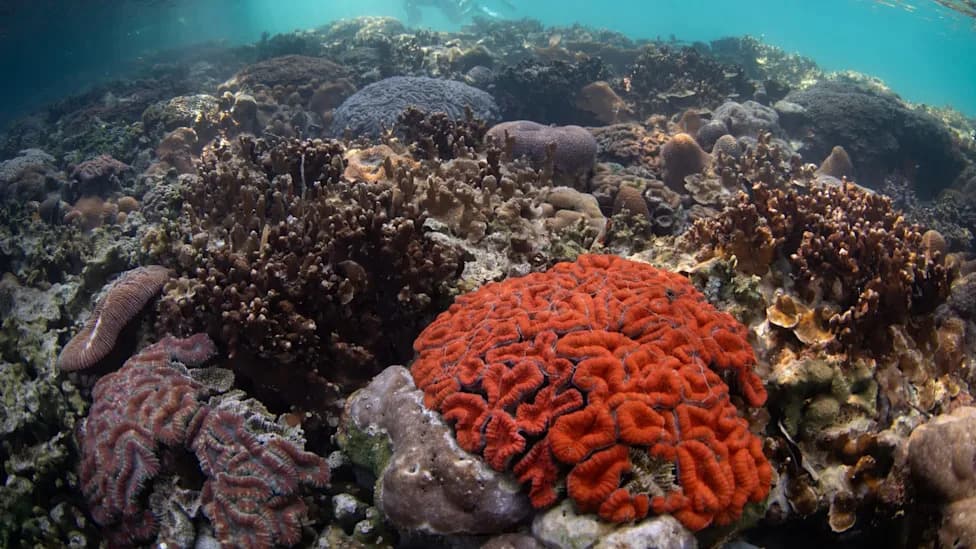
JEJU, South Korea — Once vibrant gardens of soft coral around Jeju island are sagging, paling and dying after two years of unusually warm water and extreme weather linked to climate change, local divers and researchers say.
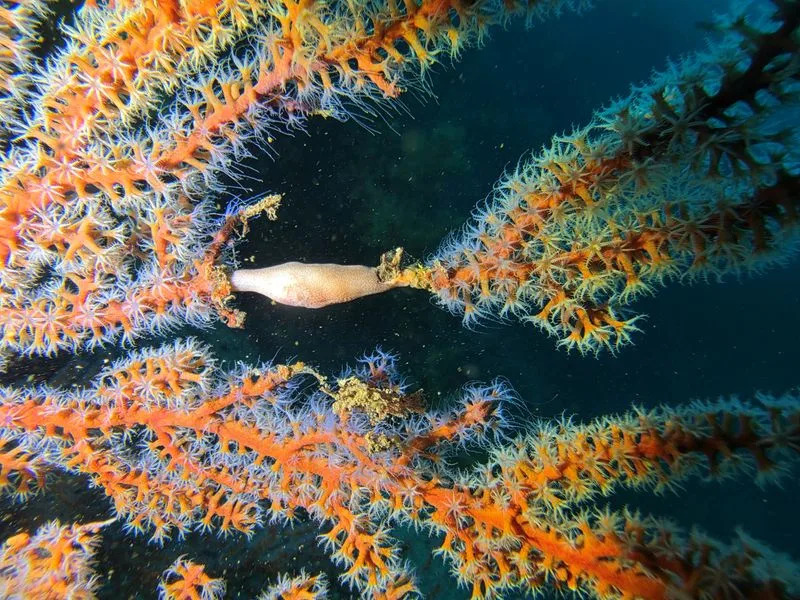
A handout image of pink sea anemone, a tropical marine organism, attached itself to a coral, that the Paran Ocean Citizen Science Center says was caused by rising sea temperature, taken by Ko Myeong-hyo, a haenyeo also known as "sea women" during an underwater operation to monitor coral colonies’ condition amid rising sea temperature, near Mun Island, which is famous as scuba diving spot to see "coral garden", at the sea off Seogwipo, on Jeju Island, South Korea, August 22, 2026. Picture taken with a mobile phone. Ko Myeong-hyo/Paran Ocean Citizen Science Center/Handout via REUTERS
"Watching the coral garden collapse and turn white, it was so disorienting,"said Ko Myeong-hyo, a diver who has harvested seafood around Jeju for six years. Many residents and scientists are now describing a repeated phenomenon they call "slumping," in which soft coral colonies lose internal pressure, sag and break apart.
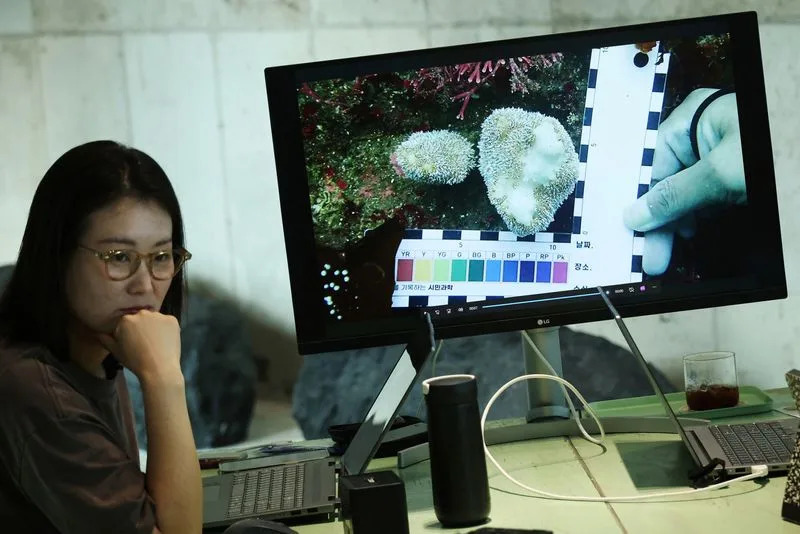
Ko Myeong-hyo, a haenyeo also known as "sea women", reviews pictures of a damaged coral which Paran says was caused by rising sea temperature, taken during an underwater operation to monitor coral colonies’ condition amid rising sea temperature, with teammates in Seogwipo, on Jeju Island, South Korea, August 21, 2026. REUTERS/Kim Hong-Ji
What Researchers Are Seeing
Citizen scientists with the Paran Ocean Citizen Science Center report that roughly half of a coral cluster off the islet of Beomseom has been affected in recent months. Unlike hard corals, soft corals lack rigid skeletons and rely on internal fluid pressure to stay upright—making them particularly vulnerable to rapid environmental shifts.
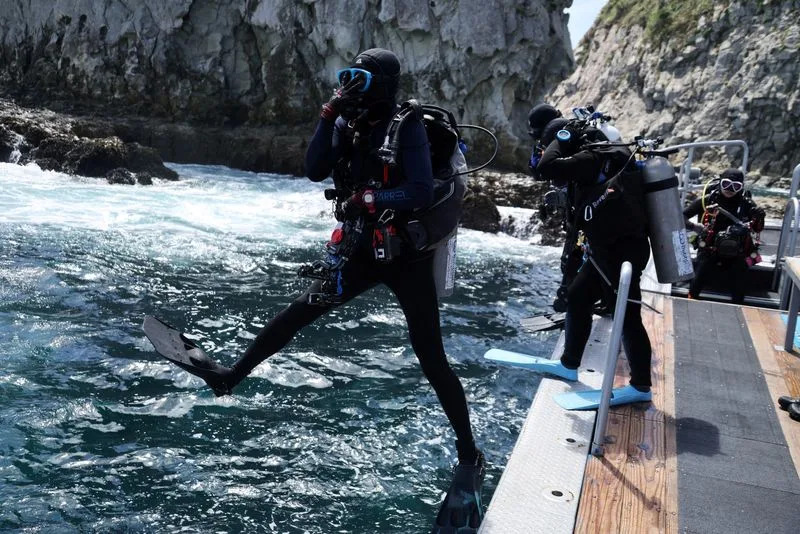
Members of the Paran Ocean Citizen Science Center, dive into the water during an underwater operation to monitor coral colonies’ condition amid rising sea temperature, near Mun Island, which is famous as scuba diving spot to see "coral garden", at the sea off Seogwipo, on Jeju Island, South Korea, August 21, 2026. REUTERS/Kim Hong-Ji
Researchers Kim Taihun and Anna Beate Jöst of the Korea Institute of Ocean Science and Technology (KIOST) documented a major slumping event in 2024 in Scientific Reports and say the current signs resemble that earlier event. Kim warned that if elevated temperatures persist through September and El Niño drives stronger storms or heavy rains, damage could worsen.
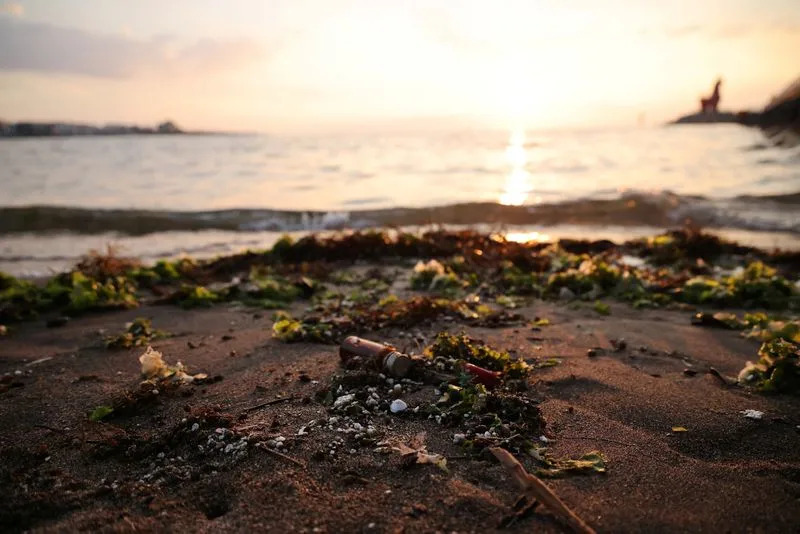
Closed-cell extruded polystyrene foam (XPS) particles washed ashore by the waves lie in the sand during the sunset at a beach, in Jeju, on Jeju Island, South Korea, August 20, 2026. REUTERS/Kim Hong-Ji
Local Lives and Livelihoods
Jeju's traditional women divers, or haenyeo, report shrinking catches and shorter days at sea. "I've worked at the sea for about 45 years... Now the catch has run dry, and it makes me very sad," said 70-year-old Son Choon-sook. Many species that once thrived around the coral beds—abalone, sea cucumbers and turban shells—are becoming scarcer as warming summers hinder spawning.
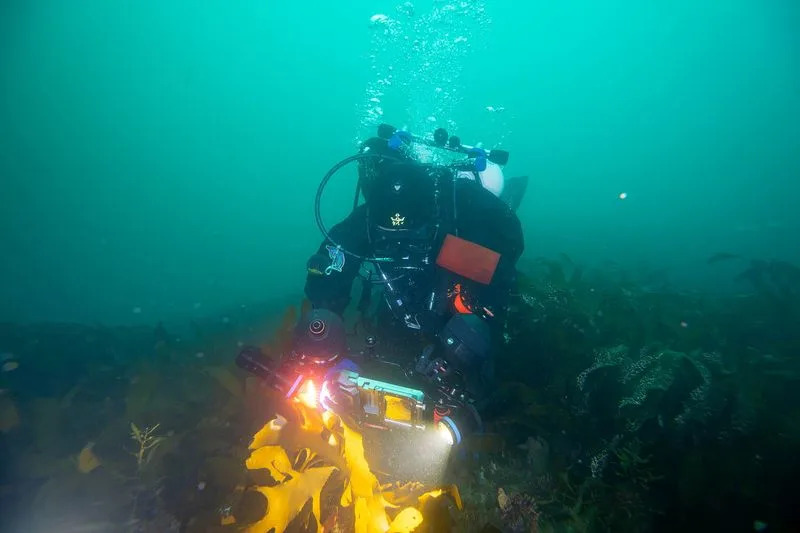
Ko Myeong-hyo, a haenyeo also known as "sea women", films corals during an underwater operation to monitor coral colonies’ condition amid rising sea temperature, near Mun Island, which is famous as scuba diving spot to see "coral garden", at the sea off Seogwipo, on Jeju Island, South Korea, August 21, 2026. Ahn Chang-hyun/Paran Ocean Citizen Science Center/Handout via REUTERS
Broader Causes And Concerns
Scientists point to several likely drivers: prolonged marine heatwaves (which Korean weather authorities say have lengthened to an average of 83.3 days over the past decade), heavy rains and storm events associated with El Niño, and changes in salinity from freshwater flowing down the Yangtze River. Jeju's soft corals exist near the northern limit of coral distribution in the East China Sea, meaning they are already living close to their environmental tolerance.
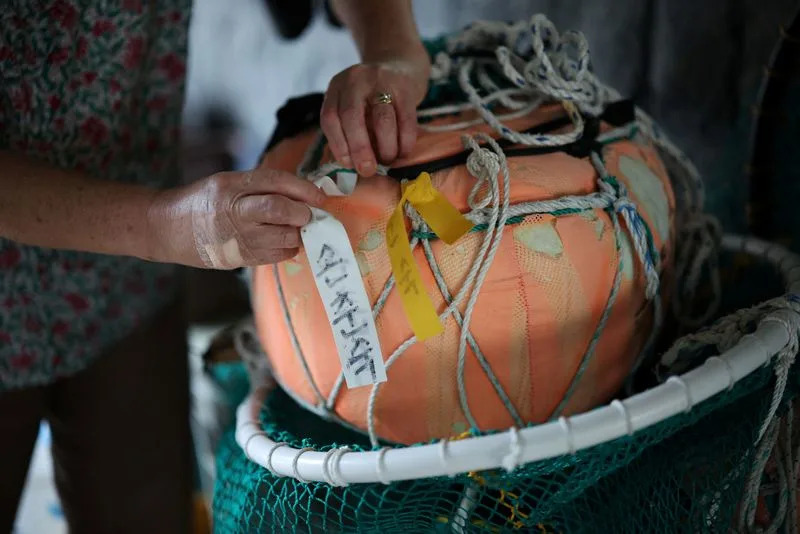
The name tag of Son Chon-sook, a haenyeo also known as "sea women", on her mesh bag, in Jeju, on Jeju Island, South Korea, August 20, 2026. REUTERS/Kim Hong-Ji
Why this matters: Soft coral communities serve as nurseries that underpin Jeju's wider marine ecosystem and are part of the UNESCO-listed Jeju Island Biosphere Reserve. Experts warn that repeated slumping and partial recoveries followed by renewed die-off reduce reefs' resilience and could trigger cascading declines across marine life.
Authorities And Next Steps
The Korea Heritage Service, which manages the soft coral colonies designated as a national monument, says it is monitoring this year's developments and plans long-term research to identify causes. The Oceans Ministry has announced a detailed investigation to assess the scale of damage. Scientists and citizen divers alike are calling for consistent, quantitative monitoring and greater research support to track losses and guide conservation action.
As waters warm and weather grows more unpredictable, researchers warn that timely, sustained study and stronger protection measures will be essential to prevent further decline of Jeju's foundational marine habitats.
Help us improve.