A large-scale review of studies since 1990, covering 160 bird species across six continents and published in Proceedings of the Royal Society B, finds that human-made noise disrupts communication, foraging, aggression and physiology in birds. The analysis reports strong negative impacts on habitat use and reproductive success, with ground-nesting and open-nest species particularly vulnerable. Authors say practical noise-reduction measures exist but require greater awareness and implementation.
Human Noise Is Disrupting Birds Worldwide and Lowering Breeding Success, Study Finds
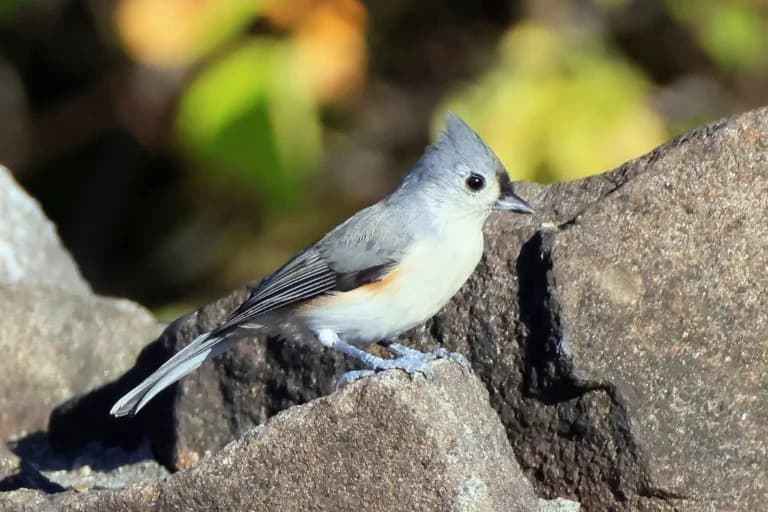
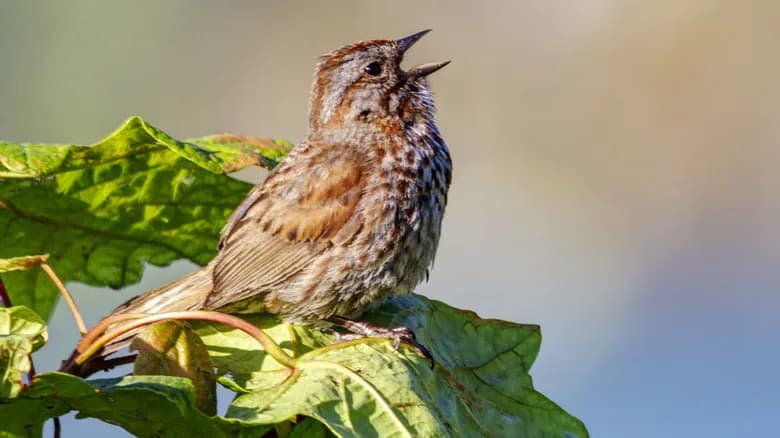
Scientists say that noise pollution is impacting bird behaviour, stress levels and reproduction. (BRUCE BENNETT)(BRUCE BENNETT/GETTY IMAGES NORTH AMERICA/Getty Images via AFP)
A comprehensive new analysis shows that human-made noise—from traffic and aircraft to construction—disrupts bird behaviour on six continents and reduces reproductive success.
Researchers pooled nearly four decades of published studies (data since 1990) covering 160 bird species and report their findings in Proceedings of the Royal Society B. The review provides robust cross-species evidence that anthropogenic noise has pervasive, measurable effects on birds' lives.
Key Findings
Noise Interferes With Communication: Masking and distortion of songs and calls reduce mating signals, alarm calls and parent–chick exchanges, undermining reproduction and chick survival.
Foraging, Aggression and Physiology Are Affected: Noise reduces foraging efficiency, can elevate aggression and alters physiology—urban birds frequently show higher stress-hormone levels.
Habitat Use and Reproduction Suffer: Many species avoid noisy areas or use them differently, and the review documents strong negative effects on reproductive outcomes and offspring growth.
Species and Habitat Vulnerability
The response to noise varies by life history and nesting strategy. Ground-nesting species experienced larger drops in reproductive success, while species with open nests showed stronger negative impacts on chick growth. Birds in urban environments often carry higher chronic stress loads linked to persistent noise.
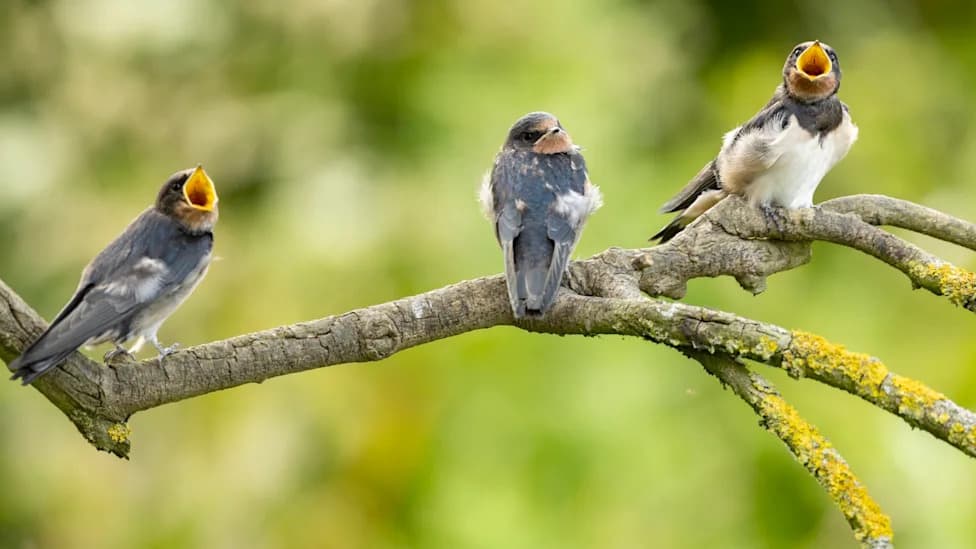
"They use song to find mates, calls to warn of predators, and chicks make begging calls to let their parents know they're hungry," said Natalie Madden, who led the research. "If there's loud noise in the environment, can they still hear signals from their own species?"
Practical Solutions Exist
The study's authors highlight that many practical mitigation measures are available. Design choices, materials and structural changes—already used to reduce bird collisions—can also be applied to dampen sound near nesting and foraging sites. Strategic planning, quieter machinery, noise barriers and vegetation buffers can reduce exposure.
"We know what to use and how to use it; now we need awareness and the will to implement solutions at scale," said Neil Carter, the study's senior author.
While noise pollution is often an overlooked threat compared with habitat loss and climate change, this large review shows it is a significant, widespread stressor for bird populations. Addressing anthropogenic noise should be part of broader conservation strategies to help reverse declining bird trends.
Help us improve.