Researchers find that birdsong reliably improves mood, cognition and reduces anxiety, but a 2026 University of Surrey study shows those benefits disappear rapidly when traffic noise is audible. The study used nine mixed soundscapes and gathered responses from more than 1,500 online listeners plus 63 heart‑rate‑monitored participants. Negative effects appeared even when traffic noise fell below WHO daytime thresholds, underscoring noise pollution as a growing public‑health concern.
Birdsong Brightens Mood — But Road Noise Wipes Out the Benefits Almost Immediately

Jamesvancouver/Getty Images
Time outdoors is linked to many health benefits: cleaner airways, lower risk of fatal respiratory illness, reduced cortisol, and improved mental wellbeing. A growing body of research has also highlighted soundscapes as an important part of that benefit — particularly birdsong, which several studies associate with better mood, sharper cognition and lower anxiety.
A 2026 study led by researchers at the University of Surrey examined how fragile those gains are when road traffic intrudes. Published in a journal associated with the British Ecological Society, the study found that the positive psychological effects of birdsong decline rapidly as soon as traffic noise becomes audible — even at levels below the World Health Organization’s recommended daytime threshold.
How the Study Worked
The team created nine synthetic soundscapes that blended varying amounts and acoustic complexity of birdsong with different intensities of traffic noise. Over 1,500 people listened to samples online and reported how the sounds affected their mood and perceived stress. A lab cohort of 63 participants listened while wearing heart‑rate monitors to capture physiological responses alongside self-reports.

Mccaig/Getty Images
Key Findings
Across listeners, natural soundscapes with birdsong produced measurable psychological benefits irrespective of the birdsong’s loudness or complexity. However, those benefits decreased sharply when background traffic noise was introduced. Heart‑rate data from the lab group confirmed increased stress responses when road noise was present — and this rise occurred even when traffic levels were below WHO daytime guidelines.
The study did not conclude that all human-made sounds are equally harmful; for example, it remains unclear whether engineered electric-vehicle warning tones or branded audio cues have the same effects as conventional traffic noise. Still, the overall result is clear: road noise can quickly negate the restorative effects of natural soundscapes.
Wider Health and Policy Context
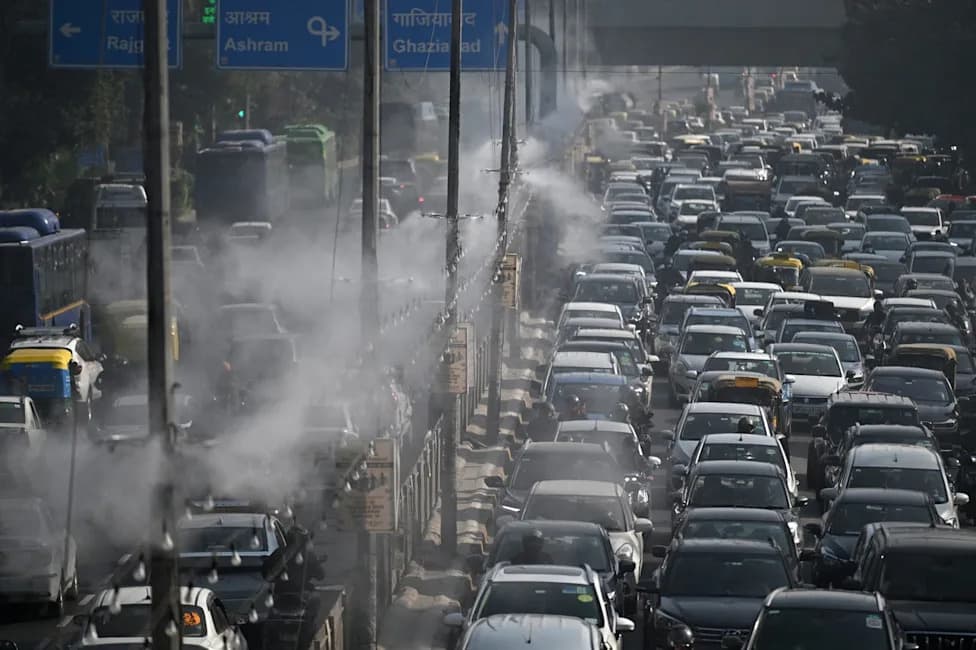
Noise pollution is pervasive. Roads, aircraft, recreational off‑roading and shipping spread mechanical sound across urban and rural environments alike. Public‑health research links chronic noise exposure to hearing damage, sleep disruption, increased anxiety and cognitive effects; population‑level estimates suggest noise pollution in Europe costs roughly a million healthy life years each decade.

Eyeswideopen/Getty Images
Noise also compounds other roadside hazards. Emerging studies have suggested links between tire wear particles and neurological risks (including potential connections to Alzheimer’s disease), and exposure to such pollutants increases the closer people live to busy roads. Taken together, intrusive sound and airborne particles underscore traffic as a broader public‑health challenge.
What This Means
The Surrey study reinforces the value of protecting quiet and natural soundscapes. Policymakers and planners can help preserve those benefits by reducing traffic noise through quieter pavement and vehicle standards, sound barriers where appropriate, better urban planning, and by limiting particularly intrusive sources. For individuals, seeking out mapped quiet areas — for example via resources from organizations such as Quiet Parks International — can provide restorative experiences that are increasingly rare.
As research on soundscapes and health continues to grow, the evidence points to a simple message: preserving quiet matters. Without stronger regulation and thoughtful planning, the mental‑health benefits of nature — including the simple pleasure of birdsong — will be all too easy to lose.
Help us improve.