California’s gas-tax funding model is under strain as EV adoption and improved fuel efficiency reduce fuel sales, putting an estimated $5 billion annual shortfall by 2035 at stake. A bill to study a mileage-based road-usage fee, AB 1421, passed the Assembly but provoked intense political backlash as opponents framed it as a new tax. Supporters — including labor unions — say the state must explore fair, privacy-protected alternatives and invest in public education before any overhaul.
California’s Gas-Tax Shortfall Looms — Talk Of A Mileage Fee Sparks Political Firestorm
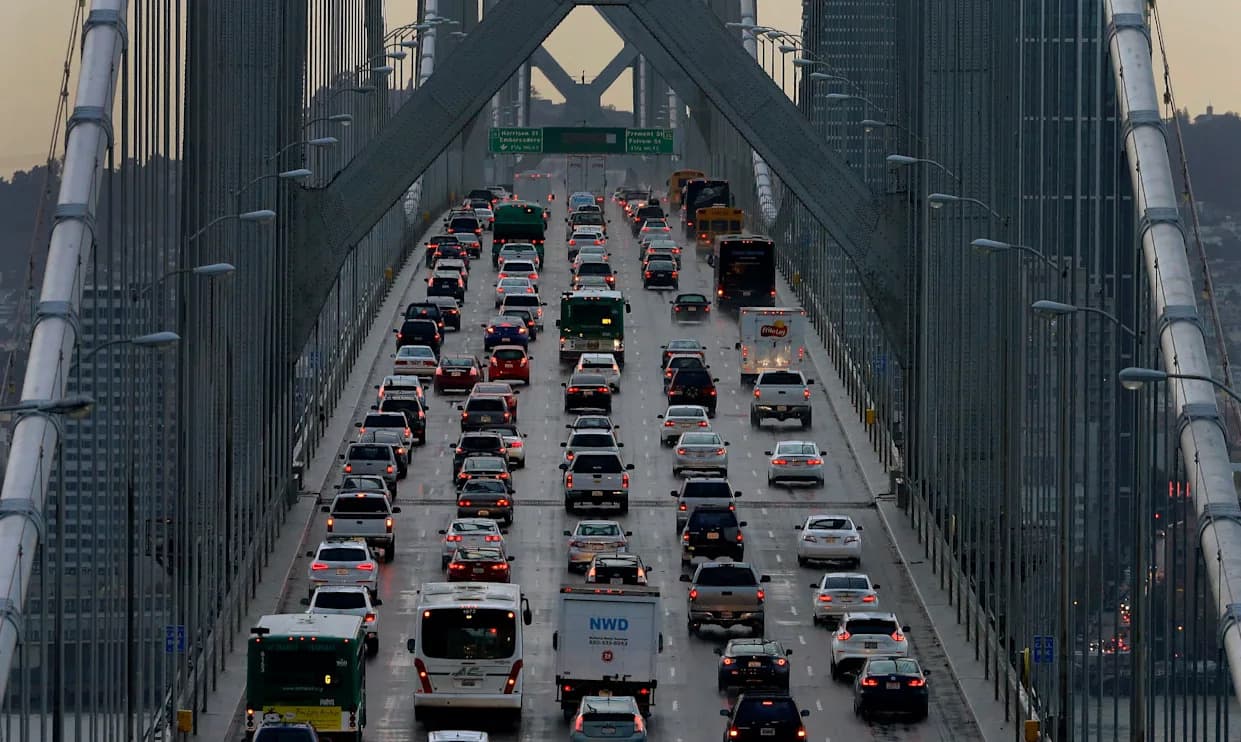
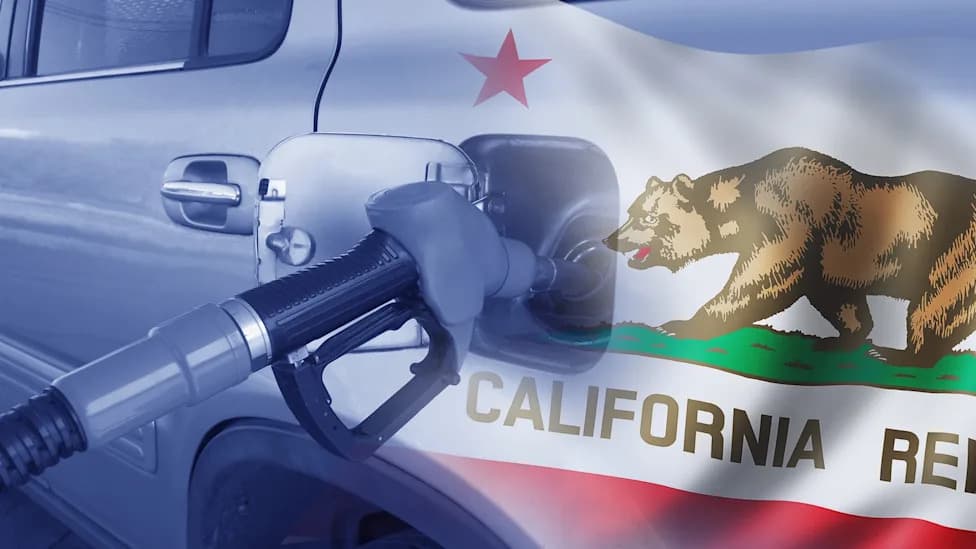
California has long relied on gas taxes to fund road and bridge repairs, but rising electric-vehicle (EV) adoption and better fuel economy are shrinking that revenue base. Lawmakers and advocates warn the state could face a multibillion-dollar shortfall within a decade, yet proposals to study alternatives have repeatedly ignited fierce political backlash.
Why The Funding Problem Matters
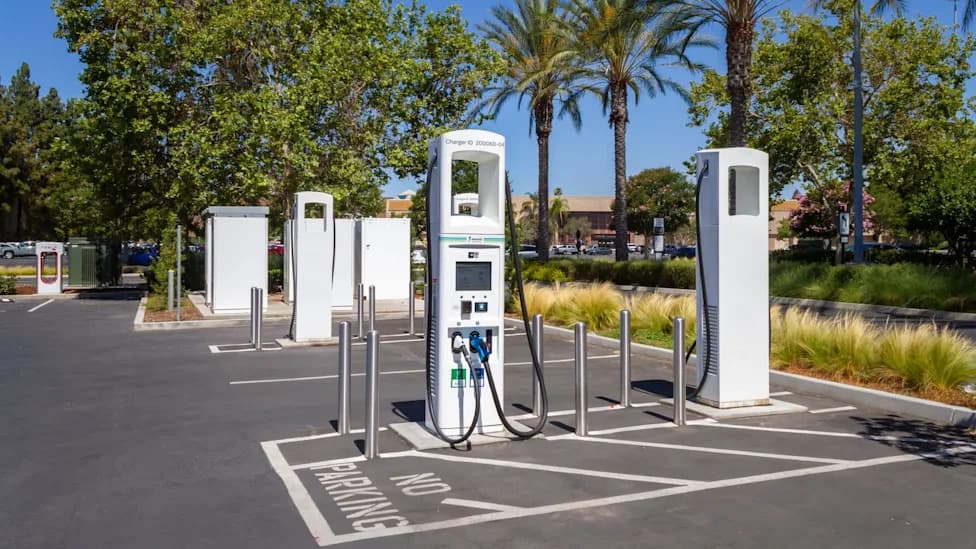
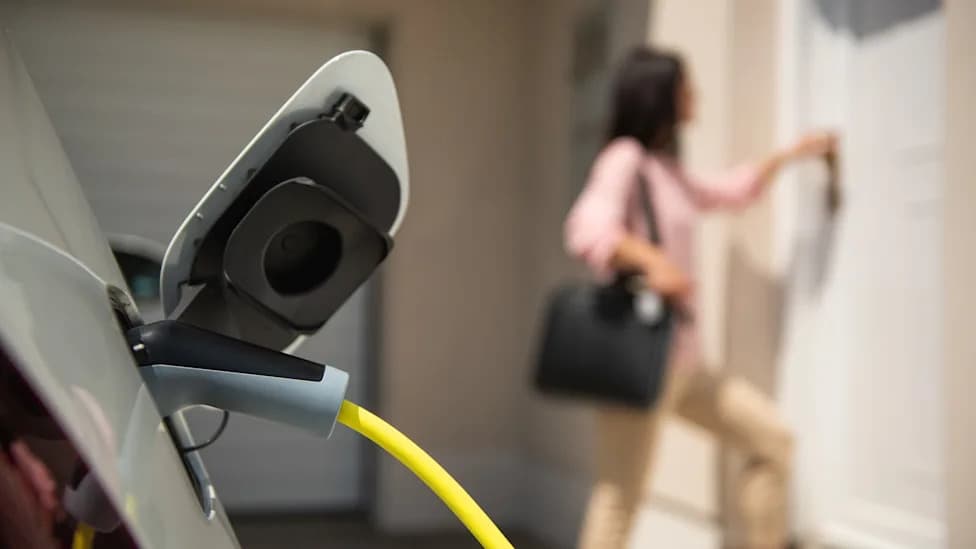
For more than a century, state and federal gasoline taxes have paid for maintenance of thousands of miles of highways and bridges. As EVs proliferate and conventional cars use less fuel, fuel sales — and the taxes tied to them — decline. An independent legislative analyst estimated in 2023 that California could lose roughly $5 billion a year by 2035 if current EV adoption continues.
The AB 1421 Controversy
AB 1421, a bill that would fund a formal study into the feasibility of a mileage-based road-usage charge, passed the Assembly but provoked intense criticism after Republicans labeled it a new tax on drivers. The debate produced dozens of calls to legislative offices and a flood of social-media opposition, with some officials and voters treating a study as tantamount to immediate policy change.
“Californians are already getting crushed by the cost of food, housing, power, and gas,” said Republican Assembly Leader Heath Flora. “We already pay the highest gas taxes in the nation. Now Sacramento is talking about adding a new tax for every mile people drive.”
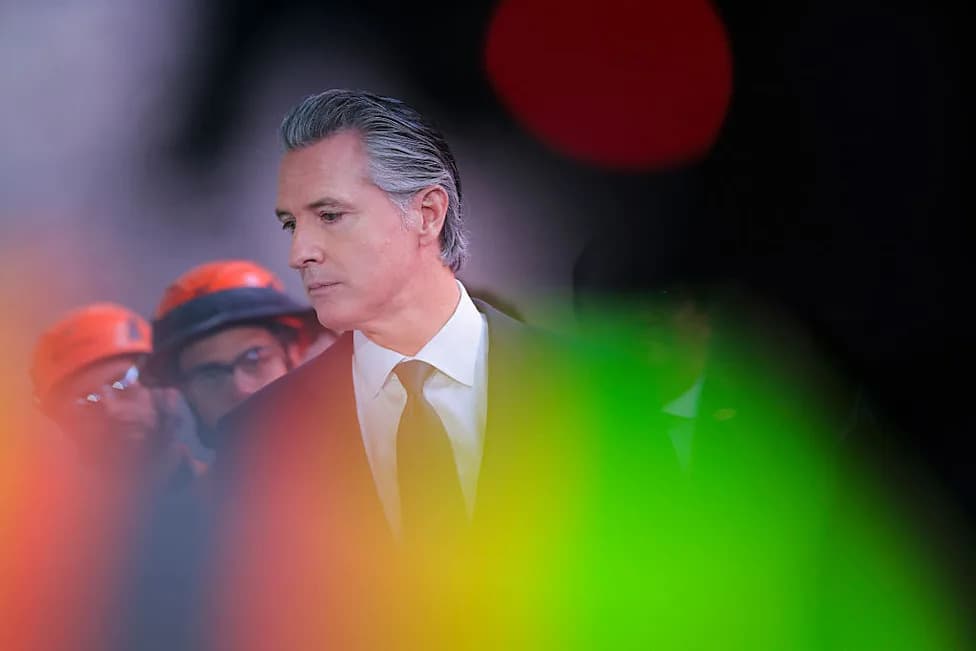
Governor Gavin Newsom’s communications office emphasized that funding a study is not the same as enacting a policy and reiterated that the governor would not sign a mileage tax if one reached his desk.
Politics, Public Understanding And Pilot Programs
Experts say the political sensitivity is partly why California has not moved aggressively to replace the gas tax: many drivers do not understand how gas taxes are collected or how a mileage fee would work as a replacement rather than an additional charge. Alan Jenn, an assistant professor at UC Davis who studies road-usage charging, noted that public education would be essential to any transition.
Several states — including Oregon, Utah and Virginia — have launched voluntary mileage-based programs for EV drivers. Officials report generally positive feedback from participants, but scaling such programs raises voter-education and data-privacy challenges.
Federal And Labor Perspectives
Congress last raised the federal gas tax (18.4 cents per gallon) in 1993, and national debate over mileage charges has not gained strong traction; a proposed national pilot in the Infrastructure Investment and Jobs Act did not advance. Meanwhile, unions and labor groups that represent construction workers back exploring new revenue models to keep projects funded and preserve jobs.
Transportation California — representing unions such as the Laborers' International Union of North America and the NorCal Carpenters — is the lead sponsor of AB 1421. “If we don't try to start thinking now about thoughtful, responsible, fair and affordable solutions, our infrastructure is only going to deteriorate,” said Kiana Valentine, executive director of Transportation California.
What’s Next
Despite political fears, the fiscal challenge is real: without a sustainable replacement for gas-tax revenue, critical maintenance and new projects risk delay or cancellation. Any move toward a mileage-based system would require clear design choices, robust public education, privacy protections, and careful attention to fairness for long-distance commuters and rural drivers.
Key facts: AB 1421 authorized a study rather than a tax; the state could face an estimated $5 billion annual shortfall by 2035 if EV adoption continues; and past political backlash over gas-tax increases—most notably the 2018 recall of State Senator Josh Newman—illustrates the political pitfalls for reformers.
Help us improve.