Scientists from Peru and France discovered a new tiny frog species, Oreobates shunkusacha, in a remote cloud forest in San Martín, Peru. The 2–3 cm frog, notable for its golden irises, is known from only two high‑elevation sites and was formally described in Salamandra in 2024. Researchers warn it should be considered endangered: the surrounding forest has lost roughly 60% of its cover in 40 years due to agriculture, grazing and illegal logging. Conservationists call for protection of a connecting biocorridor to preserve these isolated populations.
Tiny Golden‑Eyed Frog Discovered in Peruvian Cloud Forest — Scientists Warn It's Already Endangered
PEDRO PARDO / Getty Images
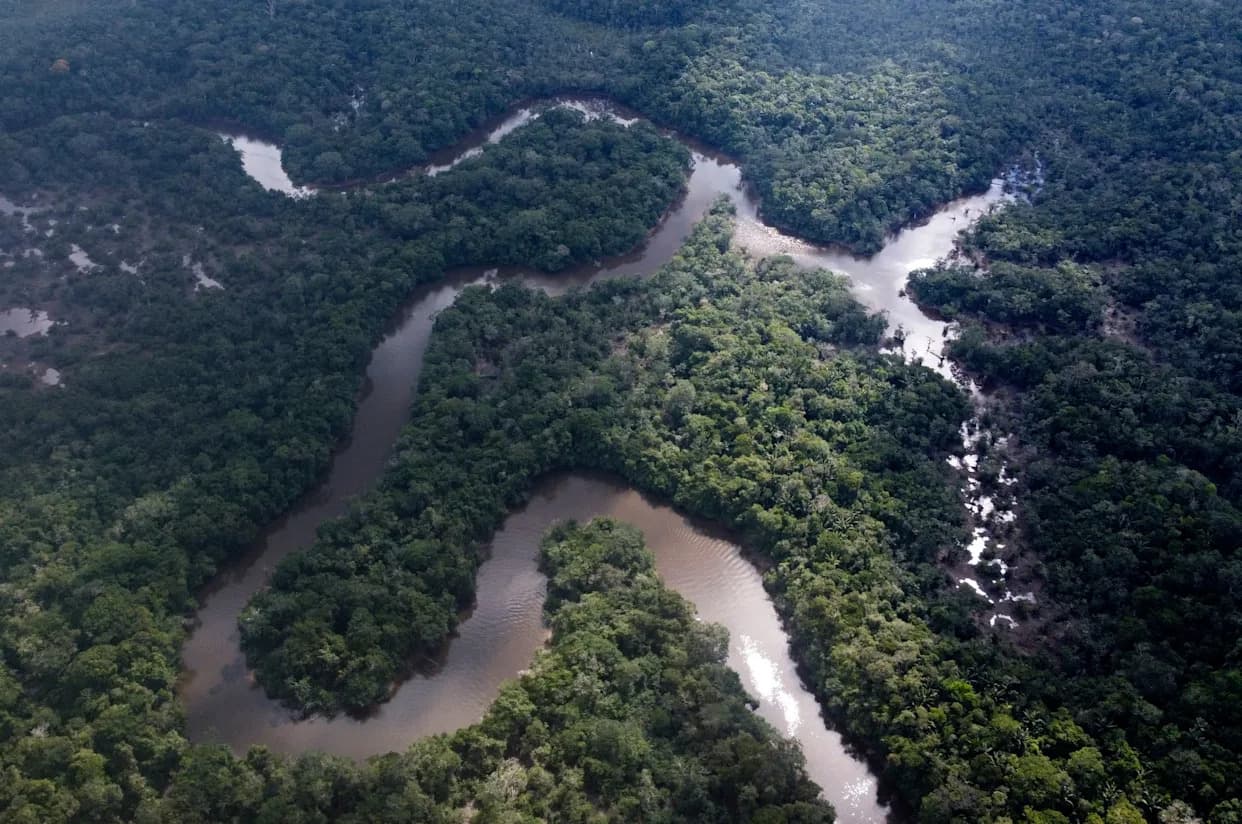
An expedition into a remote Peruvian cloud forest has yielded a striking — and fragile — scientific discovery: a tiny frog with vivid golden eyes that researchers say should be considered endangered almost as soon as it was described.
Discovery
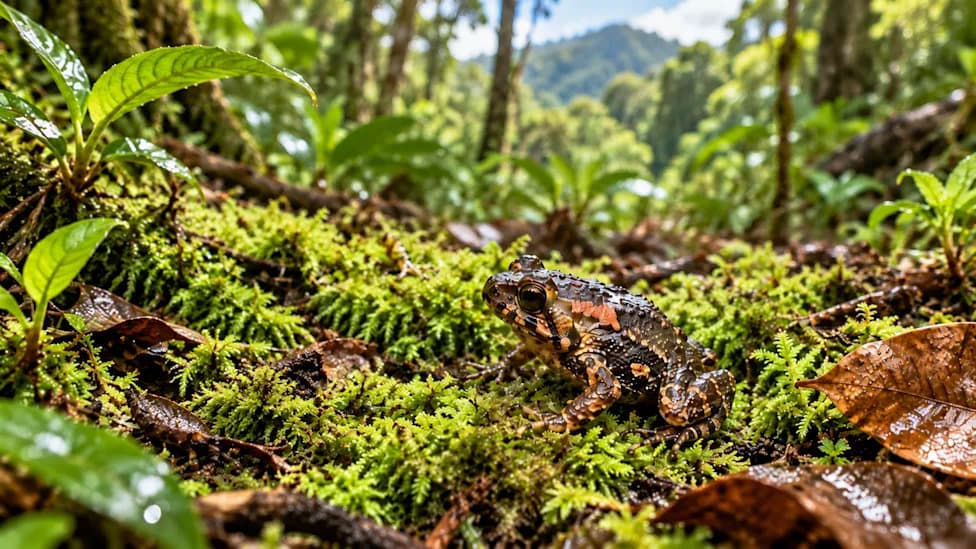
In October 2022, a joint team of Peruvian and French scientists, guided by local experts, attempted to reach a high-elevation cloud forest in Peru’s San Martín region. After an initial failed ascent caused by rugged terrain, the researchers returned and found the small amphibian on the forest floor. After about two years of careful morphological comparisons and genetic analyses, the species was formally described in 2024.
What the Frog Looks Like
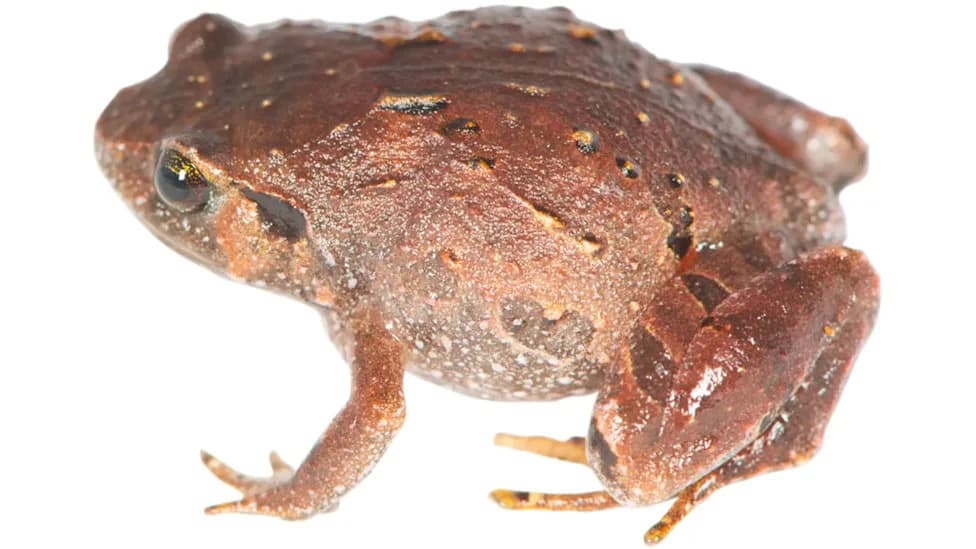
Oreobates shunkusacha — proposed common name Shunku Sacha big‑headed frog — measures roughly 2–3 cm, small enough to rest on a thumbnail. Its dorsal coloration is dark brown, camouflaging it among leaf litter, while its most memorable feature is bright golden irises. The name honors local Indigenous heritage: “Shunku Sacha” means “heart of the forest” in the Kichwa‑Lamista language.
1167434001 amazon rainforest deforestation new species
Habitat, Range, and Threats
Field records place the species at about 1,350 meters (≈4,430 ft) above sea level, within isolated cloud‑forest hilltops that function ecologically like islands. So far the frog is known from only two nearby sites in the department of San Martín: the Sacha Runa Conservation Concession (Sauce district) and the Yaku Kawsanapa Concession (Chazuta district), according to reporting in Mongabay and the formal description published in the herpetological journal Salamandra.
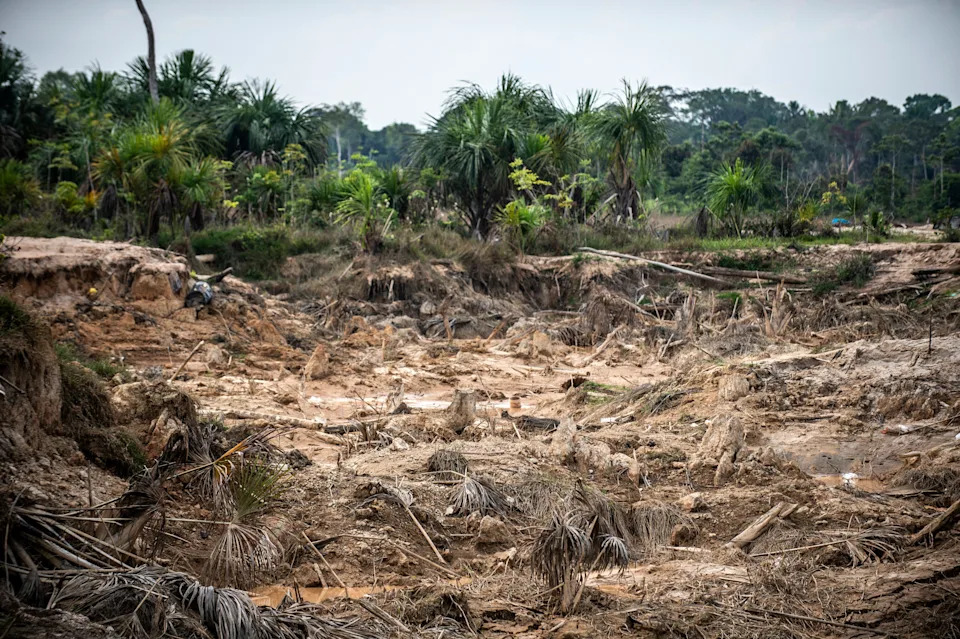
Scientists warn the frog’s habitat has been heavily eroded: roughly 60% of the forest in and around these areas has been lost in the last 40 years. Primary drivers include small‑scale coffee and cacao farming, livestock grazing and illegal logging. That steep decline in forest cover — coupled with the frog’s tiny, isolated range — prompted researchers to recommend classifying the species as endangered.
“Because these are isolated hills, they act like islands with unique ecosystems in which such species live.” — Ernesto Castillo, lead author and herpetologist
Conservation Outlook
Local conservation groups emphasize protecting a continuous biocorridor to connect isolated forest patches, allowing species movement and genetic exchange. Kenneth Mori Ríos, president of the Sacha Runa Ecological Association, described safeguarding the corridor as a community priority: a way to protect the "heart of the forest" and give newly discovered species like Oreobates shunkusacha a chance to survive.
The discovery highlights both the biological richness still hidden in remote cloud forests and the urgent conservation challenges these habitats face. Protecting remaining forest cover and expanding legal and community‑led protections are essential next steps if this tiny, golden‑eyed frog is to avoid extinction.
Help us improve.