Harrel Braddy, 76, is facing a resentencing hearing after his 2007 death sentence for the 1998 abduction and death of 5-year-old Quatisha 'Candy' Maycock was vacated following a later Supreme Court ruling. Candy was taken from her bed, left in the Florida Everglades and found with severe alligator-inflicted injuries. Her mother, Shandelle Maycock, survived brutal beatings and testified in court. Under Florida’s revised law, at least eight of 12 jurors must recommend death before a judge may impose it.
Resentencing Begins For Man Convicted Of Kidnapping 5-Year-Old Left To Be Eaten By Alligators
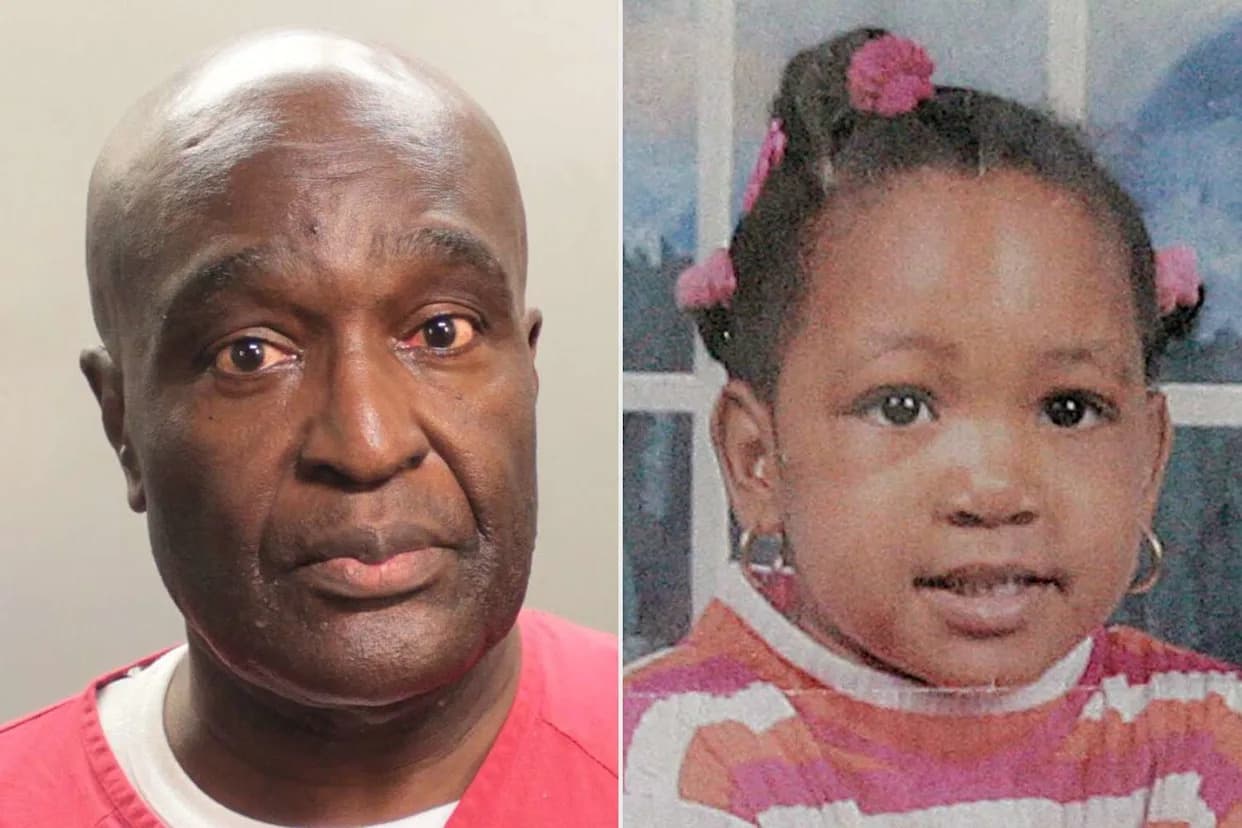
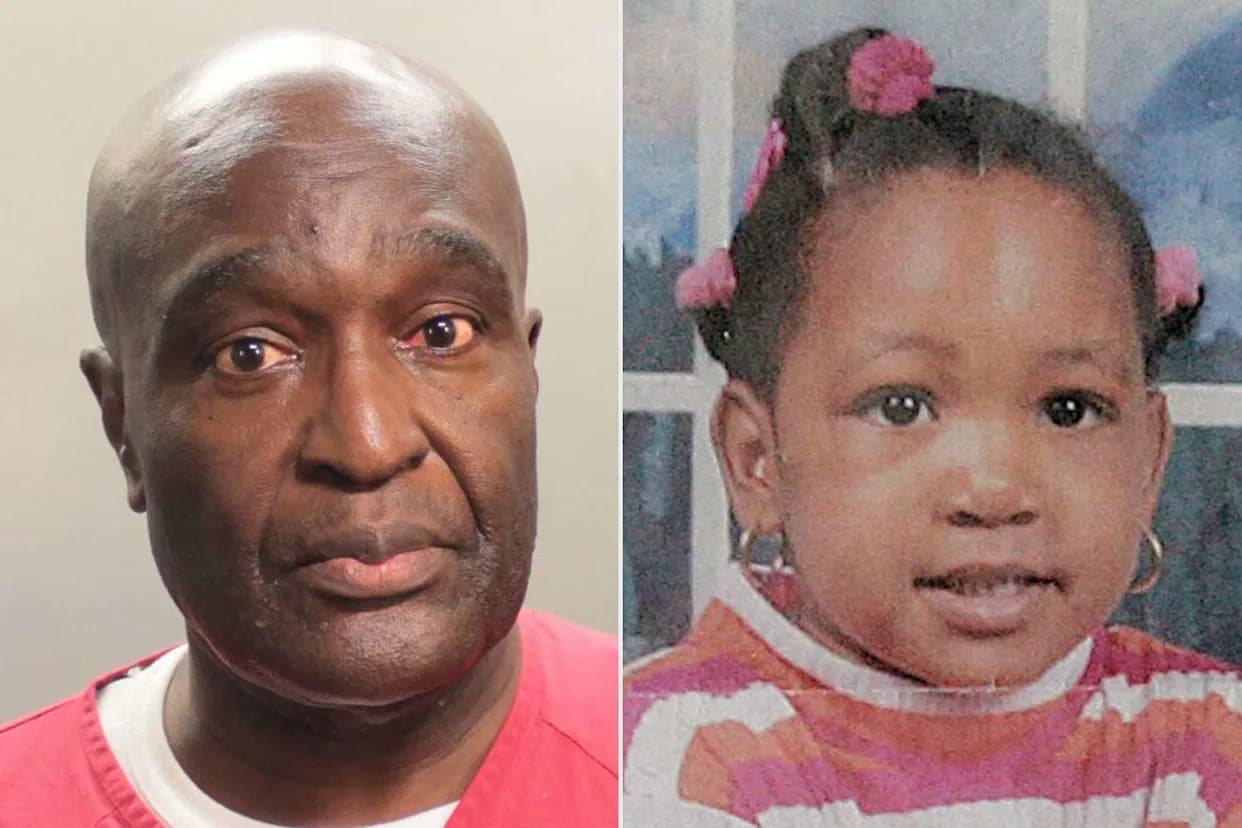
Miami-Dade Corrections; AP Photo/J. Pat CarterHarrel Braddy and Quatisha "Candy" Maycock
Harrel Braddy, 76, has returned to court for a resentencing hearing after a Miami-Dade jury sentenced him to death in 2007 for the kidnapping and death of 5-year-old Quatisha 'Candy' Maycock. Braddy's original penalty was vacated following a later U.S. Supreme Court decision, and under Florida’s revised death-penalty law he now faces a new penalty-phase trial.
Attack, Abduction And Discovery
Prosecutors say Braddy broke into the apartment where Candy and her mother, 22-year-old Shandelle Maycock, were staying in the early hours of November 6, 1998. According to court filings, Braddy severely beat and repeatedly choked Shandelle until she briefly lost consciousness before forcing both women into his car. He abducted Candy while the child slept in her pajamas.
The filing says Shandelle tried to protect her daughter by pulling her into the backseat and attempting to jump from the moving vehicle. Braddy allegedly sped up and threw both women from the car, then returned, placed Candy inside the vehicle and shoved Shandelle into the trunk. When the trunk was later opened on a remote dirt road, Braddy again assaulted and choked Shandelle into unconsciousness.
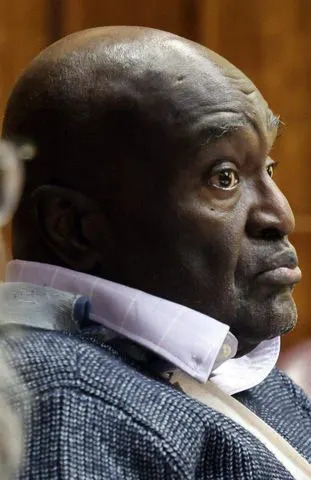
Carl Juste/TNS via ZUMA Press Wire/ShutterstockHarrel Braddy in court on Jan. 5 for jury selection in his resentencing hearing
Shandelle regained consciousness the next morning and reported the attack to police, but Candy was missing. On November 9, 1998, a fisherman in a part of the Everglades known as 'Alligator Alley' found the body of a young girl on rocks near a canal. Investigators determined the child had been left beside the water and suffered severe injuries consistent with alligator and fish bites; she was missing an arm and had multiple traumatic wounds.
Criminal History And Legal Return To Court
Records from the Florida Department of Corrections show Braddy had been released from prison about a year before the abduction after serving 12 years of a 30-year sentence on earlier convictions that included attempted murder, robbery, kidnapping and burglary. He was convicted in the 1998 case and sentenced to death in 2007.
Braddy's death sentence was later overturned following a U.S. Supreme Court ruling that affected Florida's previous death-penalty statute. The state amended the law, and Braddy is among several inmates who were granted new penalty-phase trials as a result.
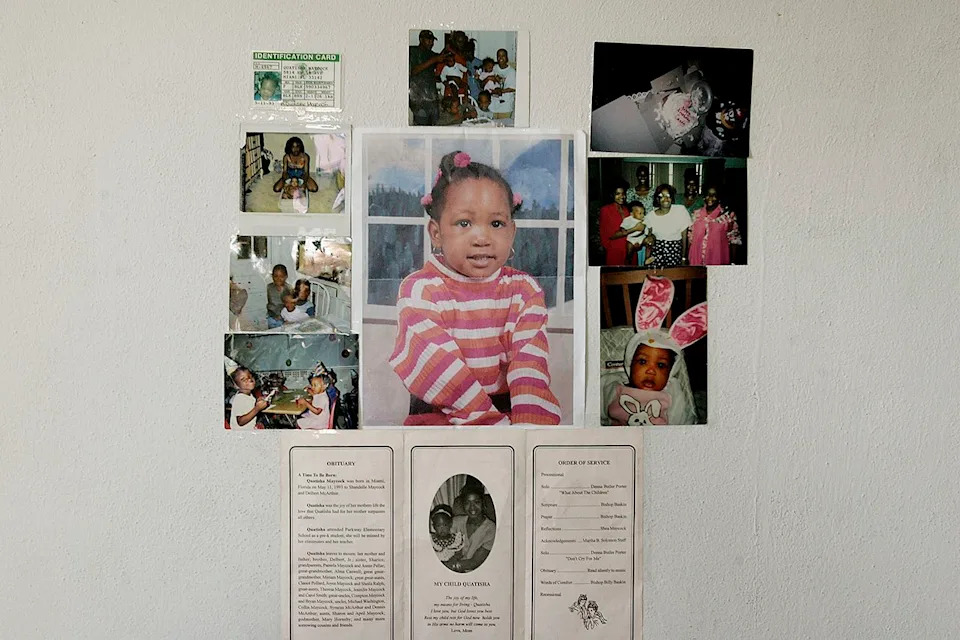
AP Photo/J. Pat CarterPhotos of victim Quatisha "Candy" Maycock
Resentencing Proceedings
The resentencing trial opened on Tuesday, Jan. 20. Prosecutors described Candy's injuries during opening statements; State Attorney Abbe Rifkin told jurors that bite marks penetrated deep into the child's skull and emphasized the victim's youth and character, calling her 'sweet like candy.' Shandelle Maycock attended the hearing and testified about the attacks and her loss.
'Quatisha is dead because Harrel Braddy killed her,' Rifkin said in court. 'Shandelle Maycock is alive by the grace of God.'
Under the revised Florida statute, at least eight of the 12 jurors must recommend a death sentence for the judge to consider imposing it; the judge will make the ultimate sentencing decision at the end of the penalty phase. Depending on the jury's recommendation and the judge's ruling, Braddy could again be returned to death row.
This case remains a high-profile example of how procedural rulings and changes to sentencing law can reopen long-settled capital cases. Court observers say the resentencing will focus on the same brutal facts that prompted the original death sentence as well as any mitigating evidence the defense presents.
Help us improve.