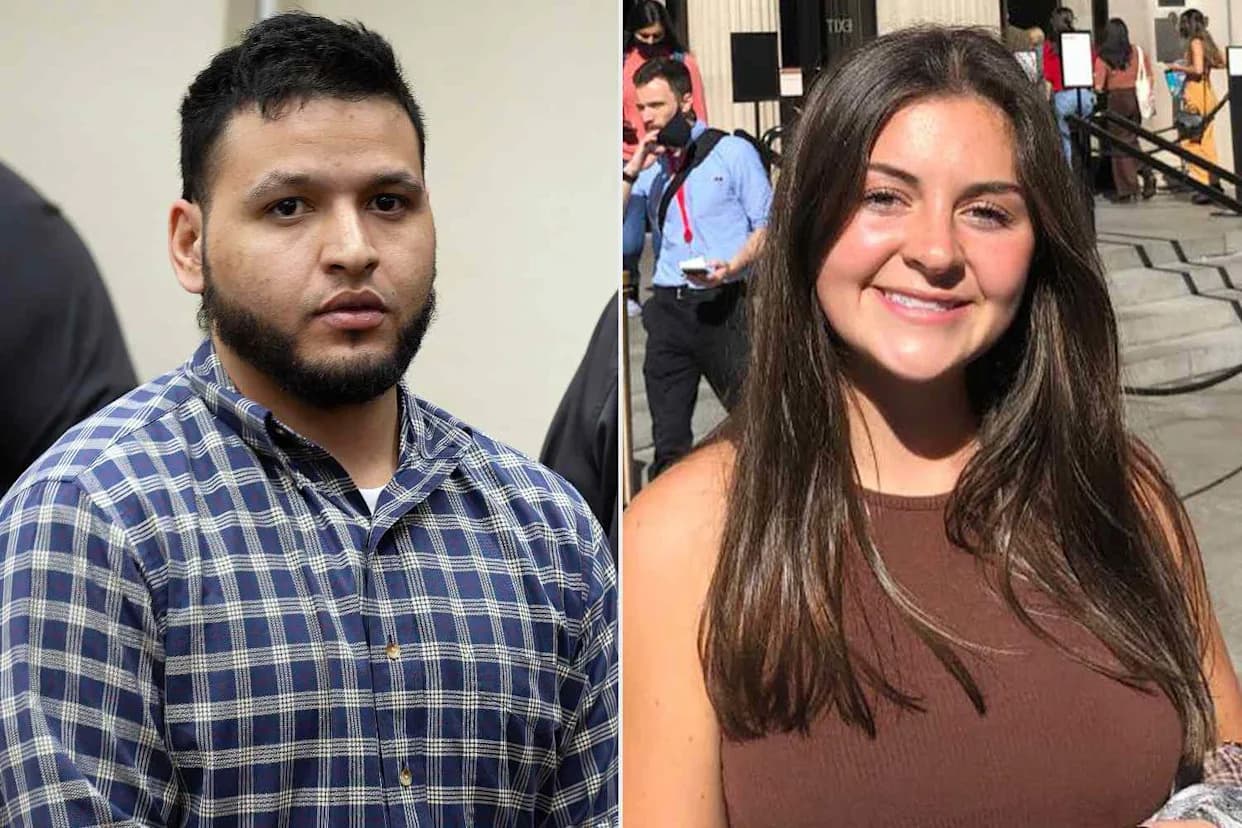
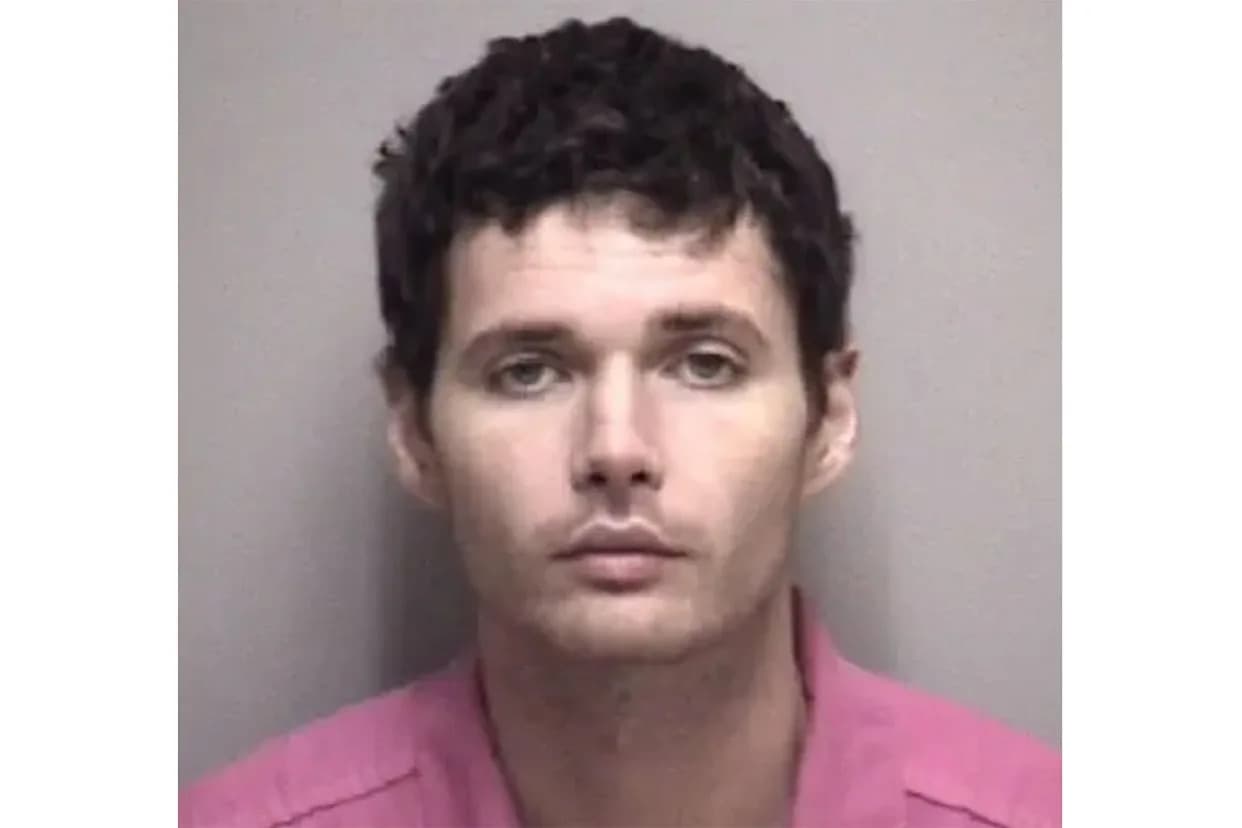
Jose Ibarra, 28, convicted in November 2024 of murdering nursing student Laken Riley, will appear in court Friday as a judge considers his request for a new trial. The defense argues constitutional errors, including denial of time for an expert review of DNA analysis and admission of cellphone evidence. Ibarra waived a jury trial; Judge H. Patrick Haggard presided. The case spurred the Laken Riley Act and remains central to debates over immigration and public safety.
Judge To Hear Arguments In Jose Ibarra's Bid For New Trial In Laken Riley Killing
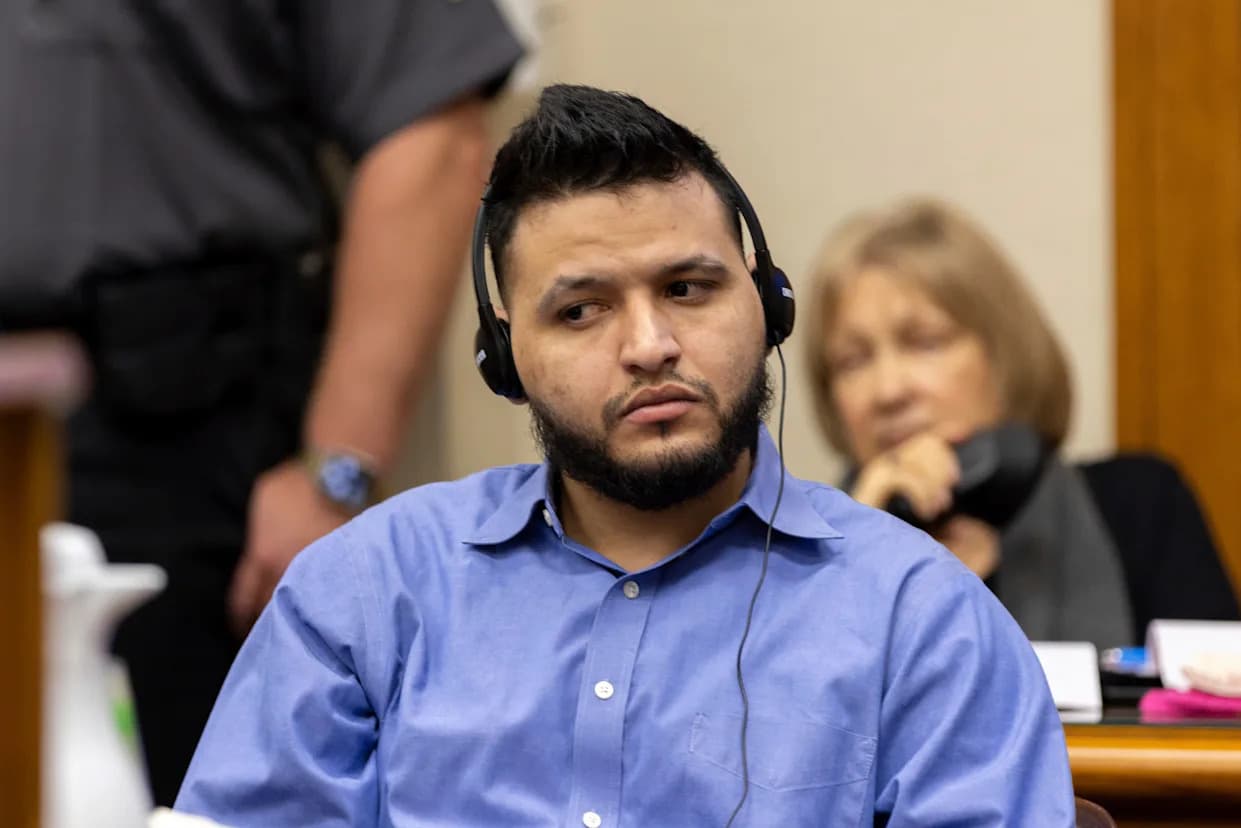
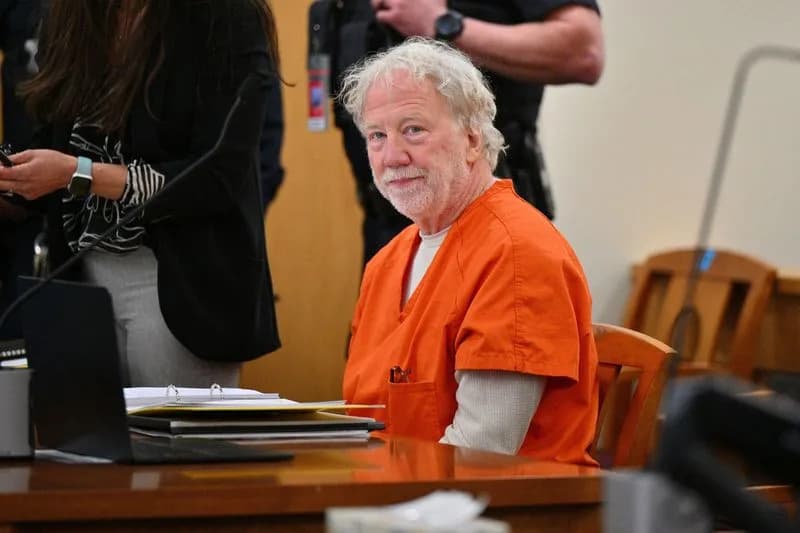
FILE - Jose Ibarra appears at his trial at the Athens-Clarke County Superior Court, Nov. 19, 2024, in Athens, Ga. (Arvin Temkar/Atlanta Journal-Constitution via AP, Pool, File)(ASSOCIATED PRESS)
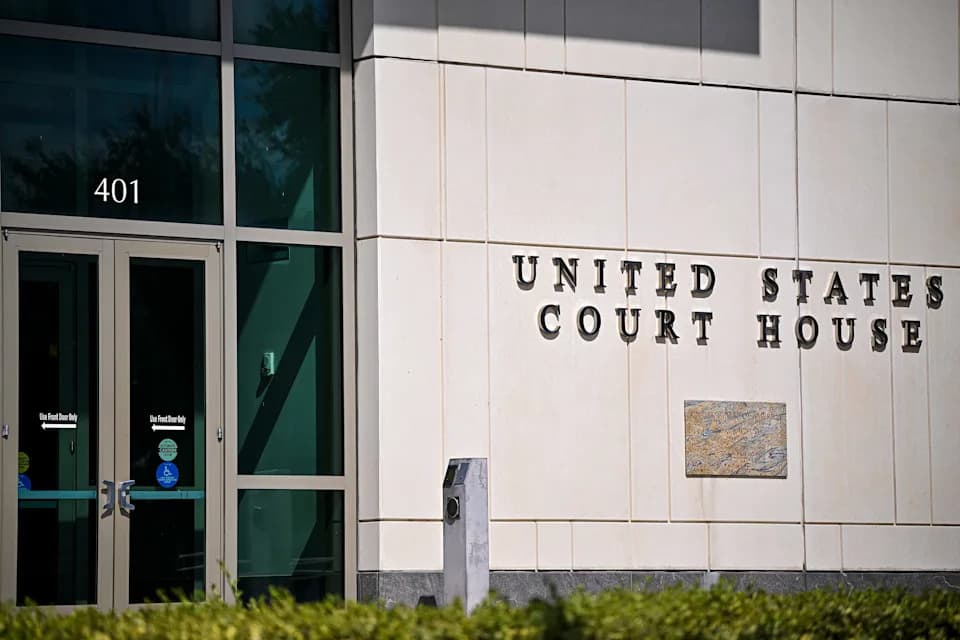
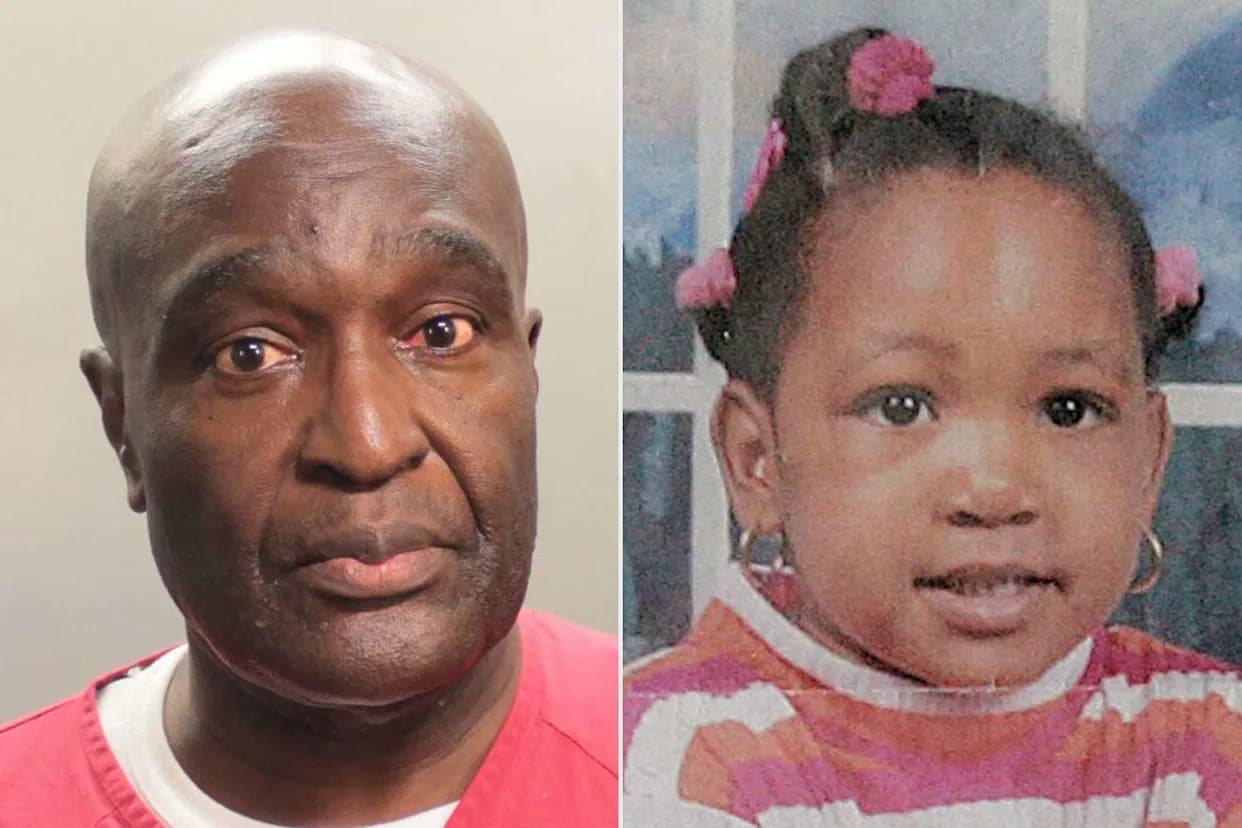
ATHENS, Ga. — A judge will hear arguments Friday on a request for a new trial by Jose Ibarra, the 28-year-old convicted in the killing of nursing student Laken Riley.
Case Background
Ibarra was convicted in November 2024 on charges that included murder in the Feb. 22, 2024, death of Riley, who was killed while running on the University of Georgia campus in Athens. Riley, 22, was enrolled at Augusta University College of Nursing. Prosecutors say Ibarra encountered her while she was running and killed her during a struggle. Ibarra entered the United States without authorization in 2022 and remained while pursuing an immigration case.
Motion For A New Trial
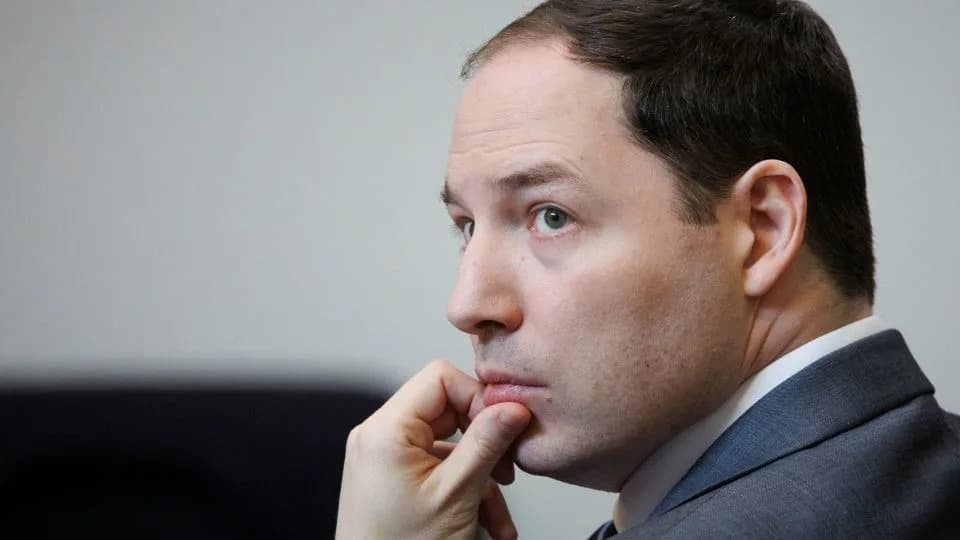
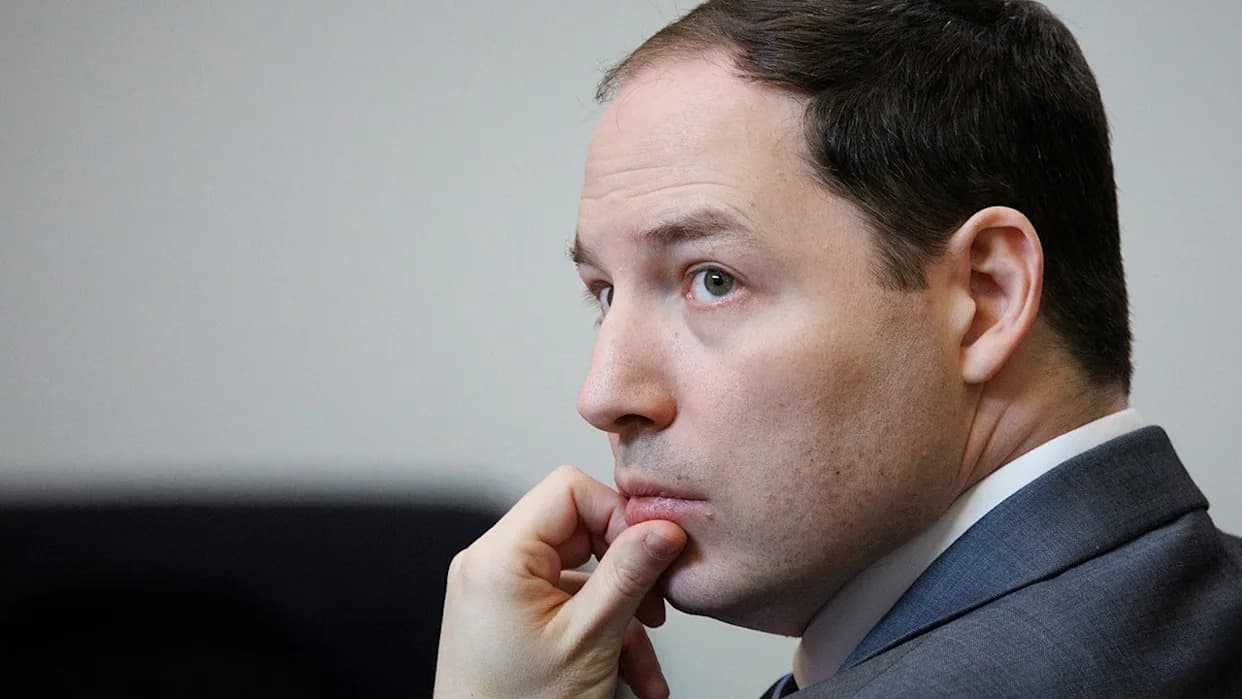
Ibarra’s new lawyers are asking Clarke County Superior Court Judge H. Patrick Haggard to vacate the guilty verdict and life sentence and grant a new trial. They argue that constitutional errors occurred during the bench trial — primarily the judge’s refusal to delay proceedings to allow a defense expert time to review key DNA analysis and the admission of cellphone evidence the defense sought to exclude.
Evidence Disputes
Defense attorneys previously challenged search warrants used to seize and search two cellphones, arguing police lacked probable cause. The judge rejected those motions and allowed cellphone evidence at trial. The defense also contested the admission of expert testimony and reports derived from TrueAllele Casework, a software program used in DNA analysis. After a defense expert said she would need roughly six weeks to review the data and prepare a report, the team requested a delay; the judge declined and proceeded on schedule.
Procedural And Legal Context
Ibarra waived his right to a jury trial; Judge Haggard presided over and decided the case. Under Georgia law, filing a motion for a new trial extends the deadline to file a notice of appeal: an appeal must be filed within 30 days of a conviction becoming final, defined as the later of sentencing or denial of a new-trial motion. Ibarra’s trial counsel filed a motion for a new trial soon after the November conviction, and new counsel filed an amended motion earlier this month.
Broader Impact
The killing prompted national attention and helped inspire the Laken Riley Act — the first bill signed by President Donald Trump after taking office — which requires detention of people in the U.S. without authorization who are accused of theft or violent crimes. The case has been cited in broader debates about immigration policy and public safety.
What’s Next: Arguments on the amended motion for a new trial are scheduled for Friday before Judge H. Patrick Haggard. The judge’s decision will determine whether Ibarra’s conviction and life sentence stand or whether a new trial will be ordered.
Help us improve.