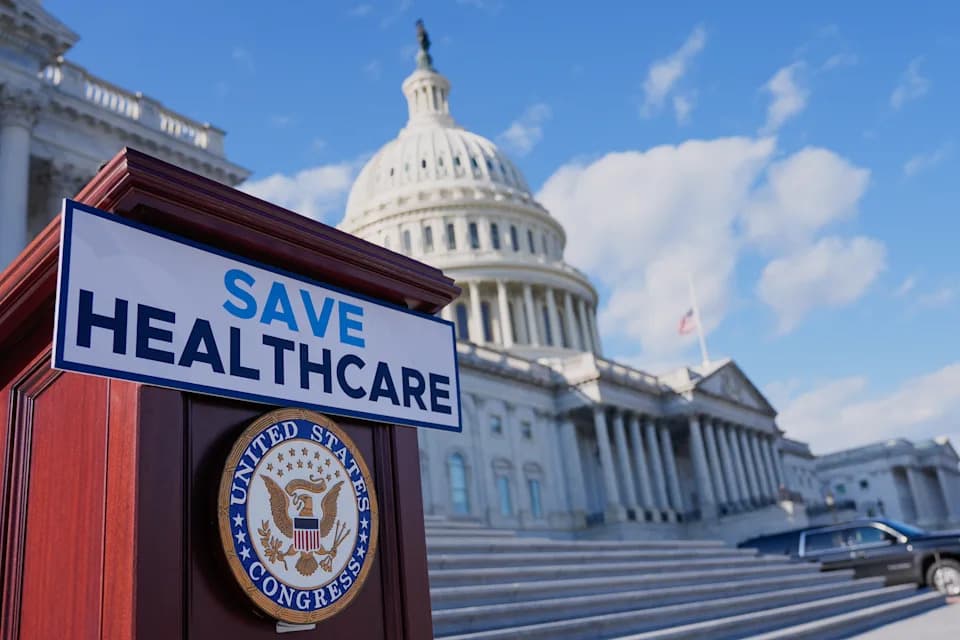
Senators Elizabeth Warren and Josh Hawley have introduced a bipartisan bill to curb vertical integration in the U.S. health system, targeting conglomerates that own providers, PBMs and insurers. The legislation would bar parent companies from owning both care providers and PBMs or insurers, impose penalties, and empower the FTC, HHS, and DOJ to enforce the rules. Supporters call it a "Glass-Steagall" for health care to restore competition; industry leaders dispute the market-concentration claims. The proposal arrives amid growing bipartisan scrutiny of PBMs and recent federal action on drug pricing.
Warren and Hawley Unite to Break Up 'Big Medicine' With Bipartisan Bill
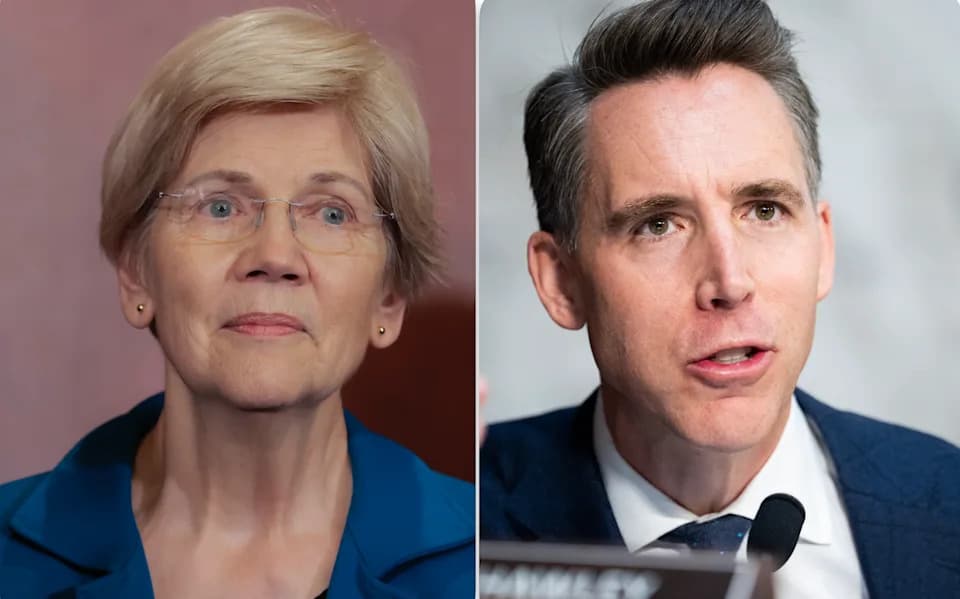
File photos of Sen. Elizabeth Warren and Sen. Josh Hawley / Credit: Getty Images(Getty Images)
Senators Elizabeth Warren (D-Mass.) and Josh Hawley (R-Mo.) have introduced bipartisan legislation aimed at dismantling what they call "Big Medicine" — large, vertically integrated health care conglomerates that critics say can raise costs, squeeze competitors and steer patients to in-house providers.
What The Bill Would Do
The measure would bar a parent company from simultaneously owning a medical provider or management services organization and a pharmacy benefit manager (PBM) or an insurer. It would also prevent a parent company of a prescription drug or medical device wholesaler from owning a medical provider or management services organization. The bill includes financial penalties for violations and authorizes the Federal Trade Commission (FTC), the Department of Health and Human Services (HHS), and the Justice Department (DOJ) to bring enforcement actions.
Why Supporters Say It's Needed
Supporters argue that when the same corporation controls both payment and delivery — for example owning a PBM and an insurer or pharmacy chain — it creates incentives to direct patients to affiliated providers and capture profits across the supply chain. "There's no question that massive health care companies have created layers of complexity to jack up the price of everything from prescription drugs to a visit to the doctor," Warren said in a statement. Hawley added that Americans are "paying more and more for healthcare while the quality of care gets worse and worse."
Elizabeth Warren: "The only way to make health care more affordable is to break up these health care conglomerates. Our bill would be a monumental step towards ending the stranglehold that corporate giants have on our broken health care system."
Industry Structure And Concerns
Proponents cite concrete examples: UnitedHealthcare owns the PBM Optum Rx; CVS Health owns PBM CVS Caremark and the insurer Aetna. Optum, Caremark and Express Scripts are the three largest PBMs, and together they manage nearly 80% of prescription drug claims, according to KFF. Critics warn this concentration can limit competition and put independent pharmacies and small providers at a disadvantage.
Pushback And Context
Industry leaders dispute the characterization of market concentration. At a congressional hearing, CVS Health Group President David Joyner said the company's model "works really well for the consumer" and rejected the market-concentration label. PBMs have faced bipartisan scrutiny in recent years: new rules affecting PBMs were included in a recent appropriations package signed by President Trump, and the administration has issued directives aimed at lowering drug prices and re-evaluating middlemen.
Political Significance
The bill represents another example of cross-aisle, populist-style coalitions on economic issues. Warren and Hawley previously joined forces on PBM-focused legislation in 2024; this expanded proposal comes as both parties seek ways to address health care affordability ahead of the midterm elections.
Enforcement And Next Steps
If enacted, the law would give regulators clear authority to challenge corporate arrangements that violate the new structural bans and impose penalties on companies that fail to divest or comply. The proposal is likely to face heavy lobbying from large health firms and legal challenges if it advances through Congress.
Help us improve.